2013 Alubat Ovni 365: What to Check Before Buying and How to Make It a Smart Offshore Choice
If you’ve been looking at the 2013 Alubat Ovni 365, you probably already know it has a strong reputation as a serious aluminum cruiser w...
Discover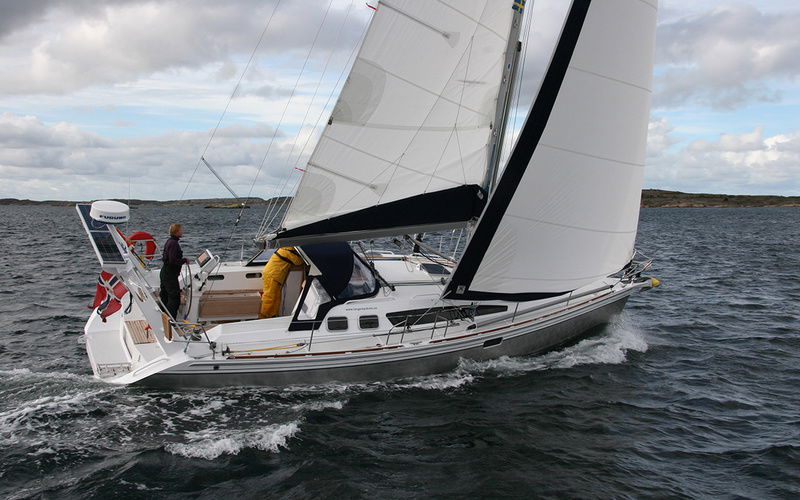

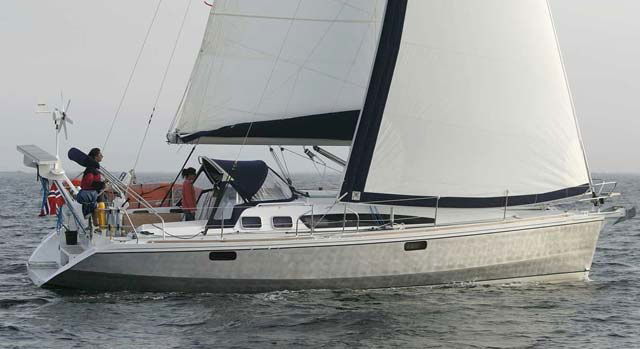
Images have been gathered from various sources and belong to their respective owners.
Latest Market Trends (Latest Available Year Model)
Price: $220,072
Review - Alubat Ovni 365

MarineBroker
02/20/2024, 12:24 PM
2013 Alubat Ovni 365: What to Check Before Buying and How to Make It a Smart Offshore Choice
If you’ve been looking at the 2013 Alubat Ovni 365, you probably already know it has a strong reputation as a serious aluminum cruiser with real offshore credentials. It’s the kind of boat that attracts sailors who want more than just a weekend platform—they want a yacht that can handle distance, weather, and the occasional rough passage without losing comfort completely.
But here’s the catch: buying a used boat like this is not just about admiring the design or reading a brochure. The real challenge is figuring out whether the specific boat you’re looking at has been maintained properly, upgraded wisely, and used in a way that matches your sailing plans. A great model can still become an expensive headache if you miss the warning signs.
That’s why the smartest approach is to focus on the boat’s condition, systems, and intended use rather than the name alone. In this article, we’ll look at the most important things to check on a 2013 Alubat Ovni 365, the common issues buyers should watch for, and practical ways to evaluate whether it’s the right fit for your cruising goals.
- What Makes the 2013 Alubat Ovni 365 Stand Out
The Ovni line has long been known for one big thing: shoal-draft aluminum construction. That makes it especially appealing to sailors who want access to shallow anchorages, tidal cruising grounds, and remote coastlines without giving up offshore capability.
The 2013 Alubat Ovni 365 sits in a very interesting sweet spot. It’s large enough to be comfortable for extended cruising, but still manageable for a couple or a small crew. For many buyers, that balance is the real attraction.
Some of the main reasons sailors look at this model include:
- Aluminum hull durability
- Lifting centerboard for shallow-water access
- Strong offshore reputation
- Practical deck layout
- Capable bluewater cruising setup
That said, “capable” doesn’t automatically mean “problem-free.” Used boats age in different ways depending on how they were sailed, stored, and maintained. With an aluminum cruiser, the details matter even more because the structure and systems are often built for long-term use, not quick cosmetic appeal.
- The Main Problem Buyers Face: Hidden Maintenance Costs
The biggest issue with a boat like the 2013 Alubat Ovni 365 is not usually the hull itself. It’s the hidden cost of deferred maintenance.
A boat that looks clean on the surface can still have:
- Aging rigging
- Worn saildrive or propulsion components
- Electrical upgrades that were done halfway
- Water intrusion around deck fittings
- Corrosion around dissimilar metals
- A tired lifting keel or centerboard system
That’s the real buyer problem: you may be purchasing a boat that seems ready to cruise, but in reality it may need thousands of dollars in catch-up work before it’s truly reliable.
For many prospective owners, the solution is not to avoid the model. It’s to inspect it with a very specific mindset: assume nothing, verify everything.
- Why the Aluminum Hull Deserves Careful Attention
One of the biggest advantages of the 2013 Alubat Ovni 365 is the aluminum hull. Aluminum is strong, relatively lightweight, and excellent for serious cruising. But it has its own maintenance rules.
Unlike fiberglass, aluminum boats can suffer when incompatible metals, poor grounding, or neglected coatings create corrosion issues. That doesn’t mean aluminum is fragile. It means the boat needs to be treated as a system.
When inspecting the hull, look for:
- Pitting or white powdery corrosion
- Signs of electrolysis around fittings
- Poorly isolated stainless steel hardware
- Damage near the waterline or grounding areas
- Evidence of past repairs
A well-kept aluminum boat can be outstanding. A neglected one can become a never-ending project. The difference often comes down to whether the previous owner understood corrosion prevention and electrical bonding.
If you’re serious about this model, a surveyor experienced with aluminum yachts is worth every penny. Not every marine surveyor sees these boats often enough to spot subtle issues.
- The Lifting Keel and Centerboard: Great Feature, Real Inspection Point
One of the most appealing parts of the 2013 Alubat Ovni 365 is the lifting keel or centerboard arrangement, depending on the configuration. This is what gives the boat its shallow draft flexibility, which is a huge advantage for cruising in areas with tidal bars, shallow bays, or remote anchorages.
But this system also needs close inspection.
Check for:
- Smooth operation of the lifting mechanism
- Any unusual noise or resistance
- Corrosion or wear in moving parts
- Hydraulic system condition, if applicable
- Evidence of grounding damage
- Maintenance records for the keel system
A lifting keel is incredibly useful, but only if it works reliably. If the mechanism has been ignored, repairs can be complex and expensive. That’s why buyers should test the system multiple times during the survey, not just once.
If the boat has spent time in shallow or unknown waters, ask whether it has ever grounded hard. A minor bump is one thing. A serious impact can affect alignment, seals, or structural supports.
- Rigging and Sail Plan: Don’t Let Age Sneak Up on You
The rigging on a sailing yacht is one of the easiest things to underestimate. It may look fine from deck level, but standing rigging has a finite life, and offshore boats deserve a conservative approach.
For the 2013 Alubat Ovni 365, ask about:
- Age of standing rigging
- Age of running rigging
- Condition of chainplates
- Mast step and mast partners
- Winch operation
- Sail condition and repairs
If the rigging is original or near-original, replacement may be due even if it “looks okay.” Many buyers budget for standing rigging replacement soon after purchase just to remove uncertainty.
Also pay attention to the sail inventory. A cruising boat can have a great hull and still be frustrating under sail if the mainsail is tired or the headsail is blown out. For offshore use, the quality of the sail wardrobe matters more than people think.
A good sign is a boat that has been sailed regularly but not abused. A bad sign is a boat that has sat for long periods with little use and minimal upkeep. Both can lead to hidden problems, just in different ways.
- Engine and Mechanical Systems: Reliability Beats Flash
A cruising boat is only as good as its mechanical systems. On a boat like the 2013 Alubat Ovni 365, the engine should be treated as a core part of the cruising package, not an afterthought.
Look for:
- Clean service records
- Oil and filter change history
- Cooling system maintenance
- Fuel tank condition
- Hose age and clamp quality
- Transmission and shaft condition
- Signs of leaks or overheating
Diesel engines are generally dependable, but they still need regular care. A boat that has been sitting unused often develops fuel issues, coolant problems, or corrosion in places that are easy to miss.
Also check access. Can you actually reach filters, belts, and service points without tearing apart half the boat? Good maintenance access matters a lot when you’re offshore or in a remote marina.
- Electrical and Battery Systems: A Common Weak Spot
One of the most common pain points on older cruising boats is the electrical system. Many boats have had partial upgrades over the years, which can create a confusing mix of old and new components.
On the 2013 Alubat Ovni 365, inspect:
- Battery age and type
- Charging sources
- Shore power system
- Inverter setup
- Fuse panels and labeling
- Wire condition and routing
- Evidence of amateur modifications
A neat, well-labeled electrical system is usually a good sign. A tangled mess of unlabeled wires and improvised connections is a warning sign.
If the boat is set up for extended cruising, ask whether the electrical system actually supports that lifestyle. For example:
- Are the batteries sized properly?
- Is there enough charging capacity?
- Does the system support refrigeration, navigation, and communications without constant compromise?
A lot of “cruising-ready” boats are only cruising-ready in theory. In practice, they may need a proper electrical rethink.
- Interior Layout: Comfort Matters More Than People Admit
The 2013 Alubat Ovni 365 is often chosen for practical cruising, and that means the interior should support life at sea, not just look good in photos.
When evaluating the layout, ask yourself:
- Can two people live aboard comfortably for weeks?
- Is there enough storage for provisioning?
- Are berths usable underway?
- Is the galley practical in real conditions?
- Is ventilation adequate?
- Does the head and shower arrangement make sense for your use?
A boat can be technically excellent and still feel awkward if the layout doesn’t match your cruising style.
For example, if you plan to do long passages, sea berths and secure handholds matter a lot. If you plan to spend time at anchor in warm climates, ventilation and shade become more important than a fancy salon.
The best used boat is the one that fits your real habits, not your idealized ones.
- What to Ask the Seller Before You Buy
A smart purchase starts with the right questions. Don’t just ask, “Has it been maintained?” Ask for specifics.
Useful questions include:
1. When was the standing rigging last replaced?
2. Has the keel or centerboard system been serviced?
3. Are there records for engine maintenance?
4. Has the boat ever grounded or been in a collision?
5. Have any corrosion issues been repaired?
6. What upgrades were done, and by whom?
7. How has the boat been stored?
8. Are all manuals, receipts, and survey reports available?
A confident seller usually has clear answers and supporting paperwork. If the answers are vague, that doesn’t automatically mean the boat is bad, but it does mean you should slow down and verify more carefully.
The goal is to understand the boat’s history, not just its current appearance.
- How to Inspect the Boat Like a Cruiser, Not Just a Buyer
When you’re evaluating a 2013 Alubat Ovni 365, think like someone preparing for real cruising conditions. That means looking beyond cosmetics.
Here’s a practical inspection checklist:
- Walk the deck and check for soft spots or movement
- Inspect all through-hulls and seacocks
- Open lockers and look for moisture or corrosion
- Test every switch and pump
- Check bilges for cleanliness and odor
- Examine chainplates and structural load points
- Look at the condition of the mast, boom, and fittings
- Test the lifting keel system
- Review all service records
It helps to do the inspection in daylight and again with a flashlight in tight spaces. Problems often hide where light doesn’t reach.
If possible, sea trial the boat in different conditions. A boat can feel fine at the dock but reveal issues once under sail, under power, or when heeled.
- Is the 2013 Alubat Ovni 365 a Good Fit for You?
This model tends to appeal to sailors who value:
- Offshore capability
- Shallow draft versatility
- Strong construction
- Self-sufficient cruising
- Practical over flashy design
It may not be the best fit if you want the cheapest possible ownership experience or if you prefer a boat with minimal systems and very low maintenance demands. Aluminum cruisers reward thoughtful ownership, not neglect.
The 2013 Alubat Ovni 365 makes the most sense for someone who wants a serious cruising platform and is willing to inspect, maintain, and upgrade it properly. If the boat has been cared for by an owner who understood those priorities, it can be a very capable and satisfying yacht.
In other words, the model itself is part of the solution—but only if the individual boat has the right history.
- Practical Buying Strategy for This Model
If you’re considering purchase, a sensible approach is:
1. Get a surveyor experienced with aluminum yachts.
2. Budget for immediate maintenance, even if the boat looks good.
3. Verify rigging, keel system, and corrosion protection first.
4. Review electrical and mechanical systems carefully.
5. Prioritize function over cosmetic upgrades.
6. Sea trial the boat before final commitment.
This strategy helps you avoid the most common trap: falling in love with a boat before you understand its real condition.
A used offshore cruiser is not just a product. It’s a history of decisions, maintenance, and use. The better you understand that history, the better your chances of making a smart purchase.
- Conclusion
The 2013 Alubat Ovni 365 is an appealing choice for sailors who want an aluminum cruiser with real offshore ability and shallow-water flexibility. But like any serious used yacht, its value depends less on the model name and more on the condition of the specific boat in front of you.
The key is to inspect carefully, ask the right questions, and focus on the systems that matter most: hull integrity, corrosion control, keel mechanism, rigging, engine, and electrical reliability. If those areas are in good shape, the boat can offer a lot of capability and confidence.
For buyers who take the time to evaluate it properly, this model can be a strong and practical cruising partner. If you want to go deeper, keep learning about aluminum boat maintenance, offshore survey checklists, and cruising refit priorities before making your final decision.
Specifications
General
Boat Type: Sail Boats
Class Type: Cruiser
Specifications
Length: 39.17
Beam: 12.86
Draft: 2.53
Hull Material: Aluminium
Build
First Built: 2013
Propulsion
Fuel Type: Diesel
Engines: 1
Power: 0 HP
Brand: Unknown
Accomodation
PROS & CONS
What we appreciated
 High-quality aluminum construction for durability and low maintenanceGood offshore capability with a strong, sturdy hull designSpacious deck layout suitable for cruising and liveaboardWell-insulated interior offering comfort in various climatesEfficient sail plan providing good performance with moderate crew
What we didn’t appreciate
 Heavier weight compared to fiberglass boats may affect speed in light windsHigher initial purchase price due to aluminum buildLimited dealer and service network compared to more common brandsInterior design is functional but less luxurious than some competitorsLess resale market activity, potentially affecting future sale value
Upkeep Costs
Maintenance and repairs: $2,000 - $4,000 per year
Docking and mooring fees: $1,200 - $3,000 per year
Insurance: $800 - $1,500 per year
Fuel: $500 - $1,000 per year (depending on usage)
Annual survey and registration fees: $300 - $600

Rating
7.5
User
Score
Score
Driveability
Technology
Interior
Design
Similar Boats


MarineBroker
Download now for an immersive boat experience like never before! ⛵✨ Your journey begins with a simple click. 🌊📲
#SetSailSmart #DownloadNow
#SetSailSmart #DownloadNow

Subscribe
Copyright 2017 - 2026, Marinebroker.net, All Rights Reserved