Boat Database » Amsterdamsche Scheepwerf G. de Vries Lentsch Jr Fleurtje
Amsterdamsche Scheepwerf G. de Vries Lentsch Jr Fleurtje
Inboard Direct-Drive, Diesel, 2x 0 HP
Sail Boats 1960 Amsterdamsche Scheepwerf G. de Vries Lentsch Jr Fleurtje: A Practical Guide to Understanding, Preserving, and Enjoying a Classic Yacht
If you’ve come across the 1960 Amsterdamsche Scheepwerf G. de Vries Lentsch Jr Fleurtje, ...
Discover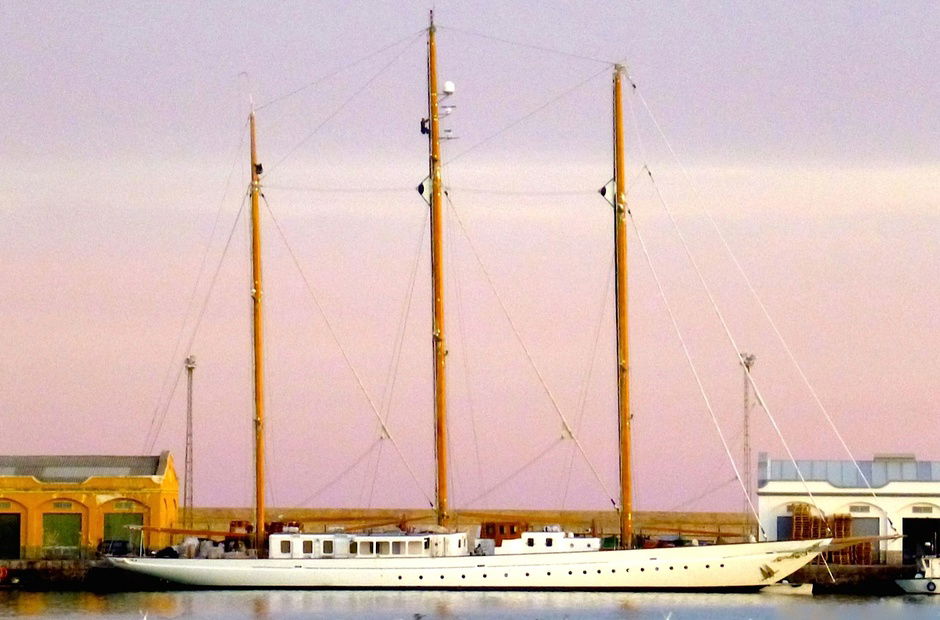
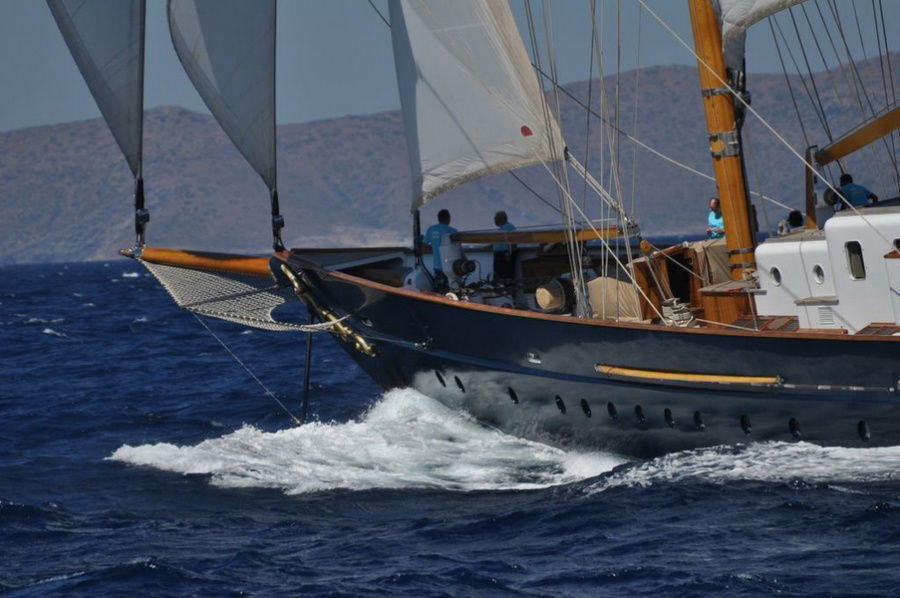


Images have been gathered from various sources and belong to their respective owners.
Review - Amsterdamsche Scheepwerf G. de Vries Lentsch Jr Fleurtje

MarineBroker
03/14/2024, 2:42 AM
1960 Amsterdamsche Scheepwerf G. de Vries Lentsch Jr Fleurtje: A Practical Guide to Understanding, Preserving, and Enjoying a Classic Yacht
If you’ve come across the 1960 Amsterdamsche Scheepwerf G. de Vries Lentsch Jr Fleurtje, chances are you’re not just looking at a boat—you’re looking at a piece of Dutch maritime history. Classic yachts like this one have a charm that modern builds often can’t replicate: graceful lines, handcrafted details, and a sense of character that comes from decades on the water.
But owning, researching, or even simply admiring a vintage vessel like this also comes with a common challenge: figuring out what it really takes to care for, evaluate, and enjoy a classic yacht without losing its authenticity. Many enthusiasts struggle with questions like: Is it seaworthy? What should be restored and what should be left original? How do you keep maintenance under control while respecting its heritage?
That’s where the right approach makes all the difference. Instead of treating a classic yacht as either a museum piece or a modern production boat, the best solution is a balanced one: understand its history, inspect it carefully, maintain it thoughtfully, and preserve the features that make it special. In this article, we’ll break down how to do exactly that in a practical, approachable way.
- Why the 1960 Amsterdamsche Scheepwerf G. de Vries Lentsch Jr Fleurtje matters
The name alone tells you a lot. Amsterdamsche Scheepwerf G. de Vries Lentsch Jr is associated with respected Dutch yacht building traditions, especially the kind of craftsmanship that values elegance, seaworthiness, and long-term durability. A vessel from 1960 built under that name sits in an interesting period of yacht design, when traditional construction methods were still highly influential, but boats were also becoming more refined for leisure cruising.
For enthusiasts, that means the Fleurtje is likely to appeal on several levels:
- It represents a specific era of yacht design
- It may feature handcrafted details and quality materials
- It has historical value beyond its practical use
- It may be a rare example of Dutch boatbuilding heritage
The challenge, of course, is that classic yachts are only as good as their condition. A well-built boat can still suffer from age-related issues if it hasn’t been maintained properly. That’s why understanding the vessel’s structure, history, and upkeep requirements is essential.
- Common problem: owning a classic yacht without a clear maintenance plan
One of the biggest issues people face with classic yachts is uncertainty. Unlike newer boats, where systems are standardized and parts are easier to source, a vintage vessel often requires a more hands-on, informed approach.
Typical concerns include:
- Hidden structural wear
- Outdated electrical or plumbing systems
- Wood rot, corrosion, or hull fatigue
- Difficulty finding original or compatible parts
- Unclear restoration history
- Balancing authenticity with safety upgrades
This can be overwhelming, especially for first-time classic yacht owners or buyers. The good news is that most of these concerns can be managed with a clear plan. You don’t need to restore everything at once, and you don’t need to modernize the boat beyond recognition. You just need to know what matters most.
- Start with the boat’s history before touching the tools
Before any restoration or major maintenance work begins, it helps to learn as much as possible about the 1960 Amsterdamsche Scheepwerf G. de Vries Lentsch Jr Fleurtje itself. History is not just “nice to know” here—it helps guide decisions.
Look for details such as:
- Original designer or builder information
- Hull material and construction method
- Previous ownership records
- Known refits or restorations
- Registration documents and survey reports
- Photographs from earlier years
This background can tell you whether the boat has been heavily modified or kept close to original condition. That matters because a classic yacht with intact heritage may be worth preserving differently than one that has already undergone major changes.
If you’re researching a vessel like this for purchase or restoration, a good rule is simple: the more complete the paper trail, the easier it is to make smart decisions.
- Inspect the structure first, not the cosmetics
Classic boats are easy to fall in love with because of their beauty. But when it comes to the 1960 Amsterdamsche Scheepwerf G. de Vries Lentsch Jr Fleurtje, the real value lies beneath the varnish and polish.
Before worrying about finishes, focus on the essentials:
- Hull condition
- Deck integrity
- Fasteners and frames
- Keel and bilge area
- Moisture levels in wooden components
- Signs of corrosion in metal fittings
- Engine mounts and drivetrain alignment
A beautiful interior means little if the underlying structure is compromised. On older yachts, small signs can point to bigger issues. A soft deck, for example, may indicate water intrusion. A minor leak around a fitting may have been present for years.
If you’re not experienced in evaluating classic yachts, bring in a surveyor or a marine carpenter familiar with vintage construction. That investment often saves far more money than it costs.
- The right solution: preserve originality where it counts
A lot of classic yacht owners get stuck in one of two extremes. Some want to replace everything with modern components. Others want to preserve every single original part, even when it affects safety or usability.
The best solution is usually somewhere in the middle.
For a vessel like the 1960 Amsterdamsche Scheepwerf G. de Vries Lentsch Jr Fleurtje, prioritize originality in the features that define its character:
- Exterior lines and profile
- Traditional joinery
- Woodwork and detailing
- Original layout where practical
- Period-correct hardware when available
At the same time, don’t be afraid to update systems that affect reliability and safety:
- Electrical wiring
- Navigation equipment
- Bilge pumps
- Fire suppression
- Fuel system components
- Steering and mechanical controls
This approach keeps the yacht authentic while making it usable and safer for modern cruising. That’s really the sweet spot for classic boat ownership.
- Maintenance tips for a vintage Dutch yacht
Keeping a classic yacht in top shape is less about big overhauls and more about consistent care. Small routines prevent expensive repairs later.
Here are some practical maintenance habits:
1. Keep moisture under control
Water is the enemy of most older boats, especially wooden ones. Check for leaks regularly and make sure ventilation is good.
2. Inspect seams and fastenings often
Movement, vibration, and age can loosen fittings over time. A seasonal inspection can catch problems early.
3. Protect the wood
If the boat has varnished surfaces, keep up with cleaning and re-coating before the finish breaks down.
4. Service mechanical systems on schedule
Older engines and drive systems need regular attention. Don’t wait for trouble to appear.
5. Document every repair
A simple maintenance log helps track what was done, when, and by whom. This is especially valuable on a classic yacht.
6. Store it properly
Covered, dry storage during off-season periods can significantly extend the life of the vessel.
These habits may sound basic, but on a vintage yacht they make a huge difference.
- How to evaluate whether the Fleurtje is a good candidate for restoration
If you’re considering the 1960 Amsterdamsche Scheepwerf G. de Vries Lentsch Jr Fleurtje as a project boat, you’ll want to assess whether it’s a realistic restoration candidate. Not every classic yacht should be saved in the same way, and not every restoration is financially sensible.
A good candidate usually has:
- Strong original structure
- Repairable hull and deck
- Reasonable engine condition or a manageable replacement path
- Enough original detail to justify preservation
- Clear historical value
- A restoration scope that matches your budget and skills
Red flags include:
- Extensive hidden rot
- Major structural distortion
- Severe neglect over many years
- Poor-quality past repairs
- Missing documentation
- Restoration costs that exceed the boat’s likely value to you
This doesn’t mean a boat with problems is hopeless. It just means you need to be realistic. A classic yacht project should be guided by passion, but also by a clear-eyed plan.
- Balancing use and preservation
One of the most rewarding things about owning or studying a classic yacht is that it can still be enjoyed on the water. But use creates wear, and that can be a concern if you’re trying to preserve a historic vessel.
The solution is to decide early how the boat will be used:
- Occasional day sailing
- Weekend cruising
- Show or heritage events
- Private collection display
- Full-season recreational use
If the boat will be used regularly, maintenance needs to be more proactive. If it’s mainly a heritage piece, preservation becomes the priority. Either way, the goal is to avoid unnecessary strain.
A smart owner knows that a classic yacht doesn’t need to be “babied” into uselessness. It just needs to be treated with respect. Regular use, when done carefully, can actually help reveal problems before they become serious.
- Finding parts and specialists for older yachts
Another common problem with vintage boats is sourcing parts and finding people who know how to work on them. That’s especially true for a historically significant yacht built in a traditional style.
Useful strategies include:
- Searching marine salvage and classic boat networks
- Contacting heritage yacht associations
- Working with specialist shipwrights
- Comparing original hardware with modern equivalents
- Custom-fabricating parts when needed
Sometimes the best solution is not a perfect original replacement, but a well-made compatible one. The key is to preserve the boat’s integrity, not chase impossible perfection.
For a yacht like the 1960 Amsterdamsche Scheepwerf G. de Vries Lentsch Jr Fleurtje, specialist knowledge can be especially valuable. Traditional Dutch craftsmanship often uses methods and materials that require a different mindset than mass-produced boats.
- Why classic yachts hold lasting appeal
It’s easy to focus on the challenges, but there’s a reason people stay passionate about boats like this one. Classic yachts offer something modern vessels often don’t: personality.
They tend to have:
- Distinctive lines
- Handcrafted details
- A sense of history
- Better emotional value over time
- Strong appeal among enthusiasts and collectors
The 1960 Amsterdamsche Scheepwerf G. de Vries Lentsch Jr Fleurtje is appealing not just because of what it is, but because of what it represents. It speaks to a time when yacht building was deeply tied to craftsmanship and tradition.
That kind of appeal is hard to replicate. Even if a classic yacht needs work, its character often makes the effort worthwhile.
- Practical checklist before buying or restoring
If you’re seriously interested in a vessel like this, use a simple checklist before making decisions:
- Verify identity and documentation
- Review ownership and maintenance history
- Inspect hull, deck, and superstructure
- Check engine and mechanical systems
- Assess electrical and plumbing condition
- Estimate restoration costs realistically
- Compare preservation goals with intended use
- Consult a classic yacht specialist if possible
This checklist helps reduce surprises. It also gives you a clearer picture of whether the boat is a dream worth pursuing or a project that needs to be approached more cautiously.
- Conclusion
The 1960 Amsterdamsche Scheepwerf G. de Vries Lentsch Jr Fleurtje is the kind of classic yacht that rewards careful attention. Its value lies not only in its age or name, but in the craftsmanship, history, and character it carries. For anyone interested in owning, restoring, or simply understanding such a vessel, the best approach is a balanced one: learn the history, inspect the structure, preserve what matters, and upgrade what’s necessary for safety and reliability.
That’s the real solution to the classic yacht challenge. With the right knowledge and a practical maintenance plan, a boat like this can remain both beautiful and usable for years to come. If you’re exploring similar heritage yachts, keep researching, compare notes with specialists, and always let condition and history guide your next move.
Specifications
General
Boat Type: Sail Boats
Class Type: Cruiser
Specifications
Length: 183.73
Beam: 28.22
Draft: 16.08
Hull Material: Unknown
Build
First Built: 1960
Propulsion
Fuel Type: Diesel
Engines: 2
Power: 0 HP
Brand: Unknown
Accomodation
Cabins: 6
PROS & CONS
What we appreciated
 Classic and elegant Dutch craftsmanship from a renowned shipyardRobust wooden construction typical of the 1960s, offering durabilityTimeless aesthetic appeal with traditional lines and designSpacious deck layout suitable for leisure cruisingPotential for customization and restoration to preserve historical value
What we didn’t appreciate
 Older wooden hull requires regular and intensive maintenanceLimited modern amenities and technology compared to contemporary boatsPotentially higher operating costs due to aging equipmentPossible scarcity of replacement parts specific to the modelLower fuel efficiency and slower speeds relative to modern vessels
Upkeep Costs
Hull maintenance and repairs
Engine servicing and fuel
Insurance
Docking and mooring fees
Annual registration and taxes
Rating
6.1
User
Score
Score
Driveability
Technology
Interior
Design
Similar Boats


MarineBroker
Download now for an immersive boat experience like never before! ⛵✨ Your journey begins with a simple click. 🌊📲
#SetSailSmart #DownloadNow
#SetSailSmart #DownloadNow

Subscribe
Copyright 2017 - 2026, Marinebroker.net, All Rights Reserved