Boat Type: Sail Boats
Boat Class: Cruiser
Length: 49.15 ft
Berths: 11
Cabins: 5
Bathrooms: 3
Max Persons: 16
2011 Beneteau Oceanis 50: What to Check Before You Buy and How to Make It a Great Ownership Experience
If you’re looking at a 2011 Beneteau Oceanis 50, chances are you’re already picturing long weekends at anchor, comfortable cru...
Discover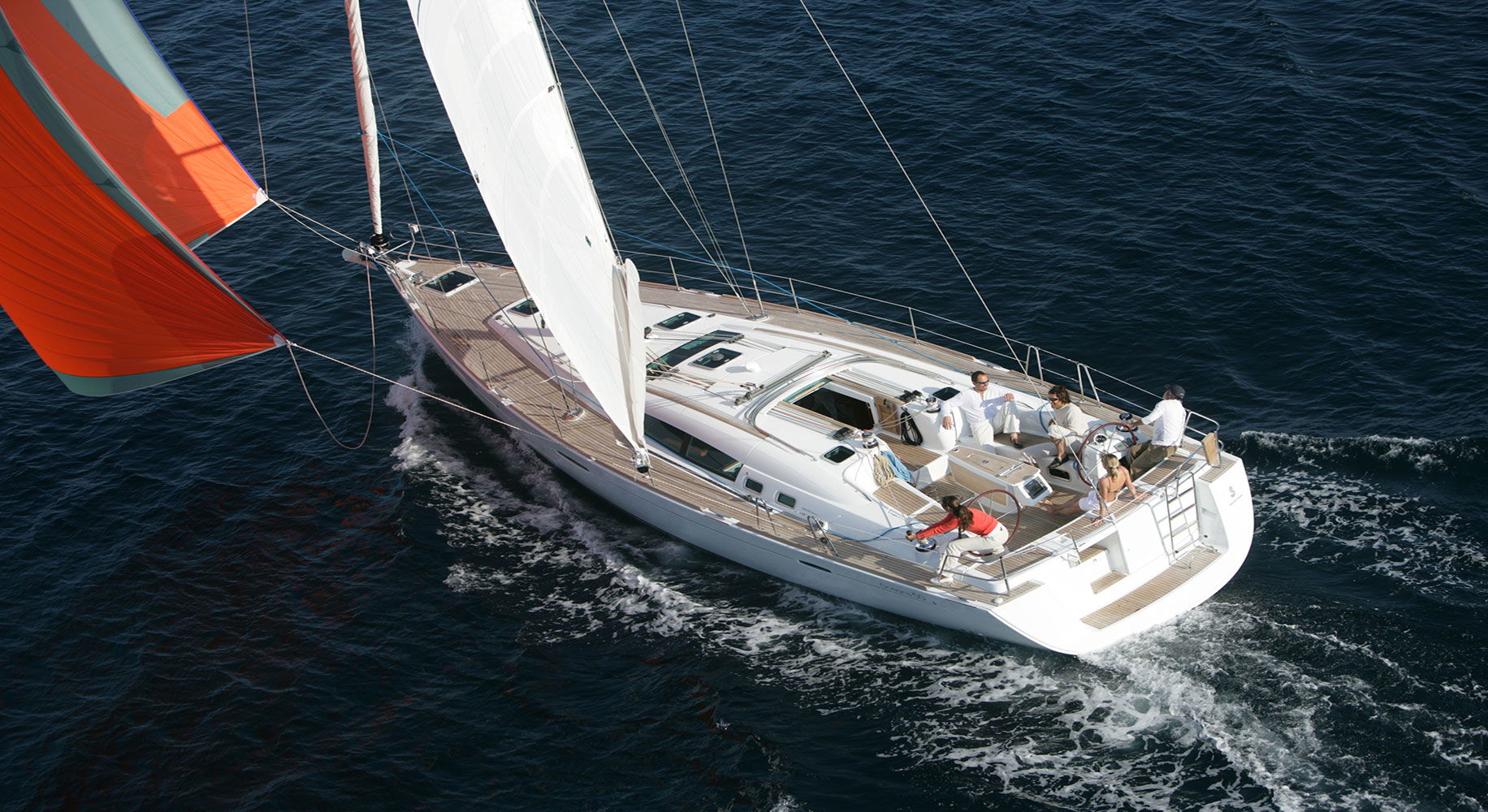

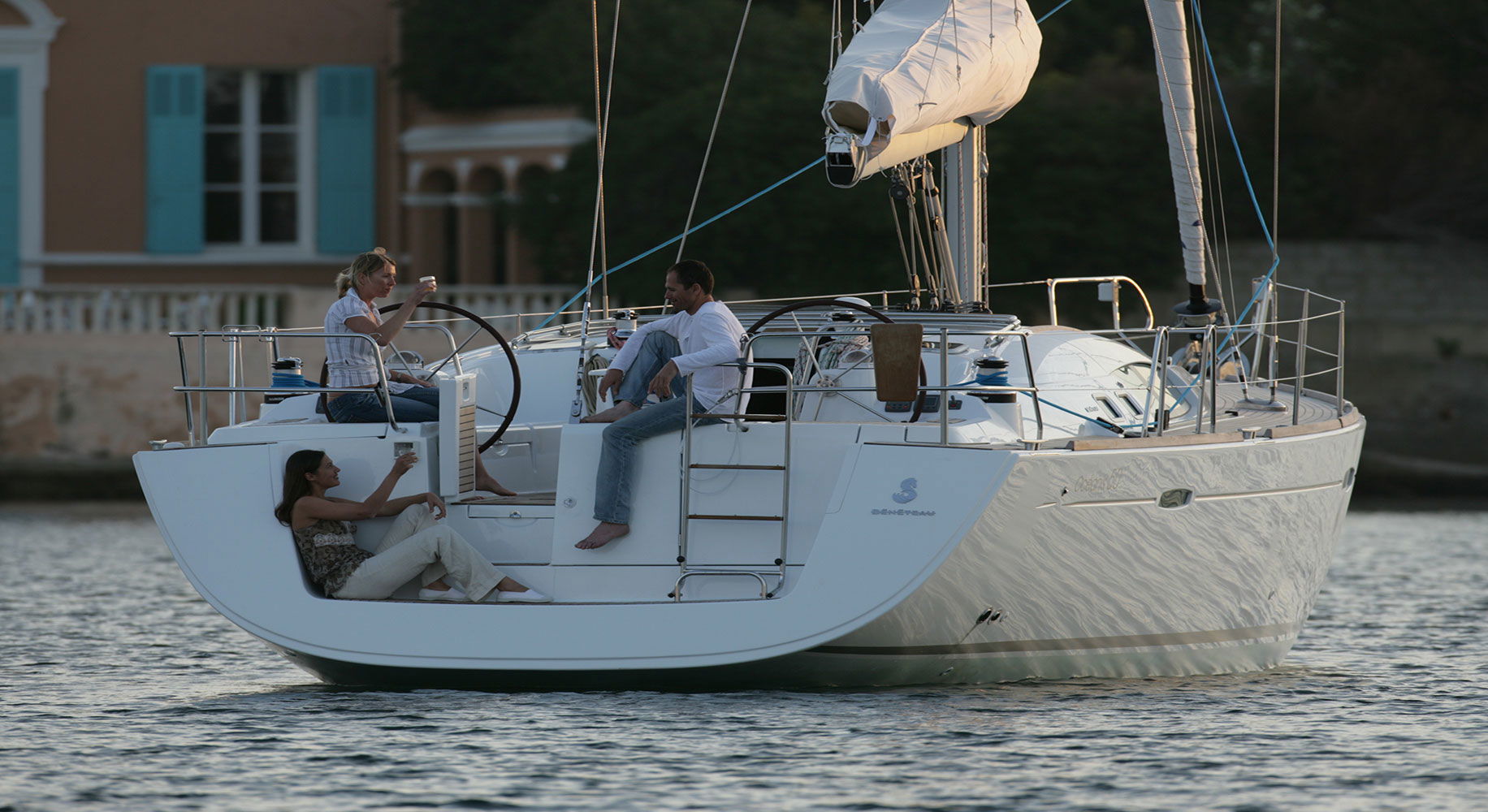

Images have been gathered from various sources and belong to their respective owners.
Latest Market Trends (Latest Available Year Model)
Price: $265,000
Review - Beneteau Oceanis 50

MarineBroker
11/24/2023, 6:37 AM
2011 Beneteau Oceanis 50: What to Check Before You Buy and How to Make It a Great Ownership Experience
If you’re looking at a 2011 Beneteau Oceanis 50, chances are you’re already picturing long weekends at anchor, comfortable cruising with family or friends, and a sailboat that feels more like a floating home than a bare-bones racer. That’s exactly why this model gets so much attention. It has the space, layout options, and easygoing cruising personality that make it appealing to a lot of sailors.
But here’s the catch: buying a used cruising yacht of this size isn’t just about liking the design. The real challenge is figuring out whether the boat has been maintained well, and whether its systems, rig, and structure are ready for the kind of cruising you want to do. A boat like the 2011 Beneteau Oceanis 50 can be a fantastic choice, but only if you know what to look for before you commit.
The good news? Most of the common concerns are predictable. With the right inspection mindset and a practical ownership plan, you can avoid expensive surprises and enjoy the boat the way it was meant to be used.
- Why the 2011 Beneteau Oceanis 50 Still Attracts Cruisers
The 2011 Beneteau Oceanis 50 sits in a sweet spot for sailors who want comfort without giving up real sailing ability. It’s large enough to offer generous living space, but not so massive that it becomes a full-time project for a private owner.
A lot of buyers are drawn to this model because it typically offers:
- A spacious saloon and good natural light
- Multiple cabin layout options
- A cockpit designed for relaxed cruising
- Easy handling for a boat of its size
- Strong appeal for family sailing or liveaboard use
For many people, the Oceanis 50 represents a practical step into large yacht ownership. It’s not trying to be a stripped-down performance boat. Instead, it focuses on comfort, usable space, and approachable sailing.
That said, the age of the boat matters. A 2011 model is now well into used-boat territory, which means condition can vary a lot from one example to another. Two boats built the same year can feel completely different depending on maintenance history, storage, and how hard they were sailed.
- The Main Problem: A Used Cruising Yacht Can Hide Expensive Issues
The biggest issue buyers face with a 2011 Beneteau Oceanis 50 is not the model itself. It’s the uncertainty that comes with any used boat.
At this age, the risk usually comes from:
- Deferred maintenance
- Aging sails and rigging
- Wear in the engine and drivetrain
- Water intrusion around fittings
- Electrical and plumbing updates that were never done
- Cosmetic neglect that hints at bigger care issues
This is where many buyers get stuck. The boat may look clean in photos and even feel impressive during a dock visit, but hidden problems can turn a good deal into a costly project.
For a large cruising sailboat, the expenses can add up fast. A standing rigging replacement, new batteries, fresh canvas, or engine work can easily change the budget. That’s why the smartest approach is not to ask, “Does this boat look nice?” but rather, “What would it cost to make this boat safe, reliable, and comfortable for my kind of sailing?”
- What to Inspect on a 2011 Beneteau Oceanis 50
Before buying, the goal is to understand the boat’s true condition. A proper survey is essential, but it helps to know where the common trouble spots are so you can ask better questions.
- Hull and Deck Condition
Start with the basics. Look closely at the hull, deck, and any signs of repairs or impacts.
Pay attention to:
- Stress cracks around high-load areas
- Soft spots in the deck
- Evidence of osmosis or blistering
- Poorly sealed deck fittings
- Repairs that don’t match the surrounding finish
On a cruising boat, water intrusion is one of the most important things to catch early. Even a small leak around a stanchion base or deck hardware can lead to rot, corrosion, or damage to the core material over time.
Walk the deck slowly and listen for changes in sound underfoot. A dull or spongy feel can be a clue that something beneath the surface needs attention.
- Rigging and Mast
The rig is one of the most expensive systems to replace, so don’t treat it casually.
Check:
- Age of standing rigging
- Condition of chainplates and turnbuckles
- Signs of corrosion at fittings
- Mast step area and any moisture intrusion
- Winches, furlers, and blocks for smooth operation
If the standing rigging is original or near-original, it may be due for replacement depending on usage and maintenance. Many owners replace standing rigging every 10 to 15 years as a precaution, especially on cruising boats that are expected to be reliable offshore or on extended passages.
Running rigging is easier to replace, but worn lines can still tell you a lot about how the boat has been cared for.
- Engine and Mechanical Systems
The engine should be one of your top priorities. A comfortable sailboat is still only as reliable as its mechanical systems when the wind disappears or you need to maneuver in tight quarters.
Inspect:
- Service records
- Oil and coolant condition
- Exhaust system
- Belts, hoses, and mounts
- Fuel tank cleanliness
- Cooling system performance
Ask when the last major service was done. If the boat has been used regularly and serviced properly, that’s a good sign. If the engine has sat unused for long periods, expect to deal with more than just routine maintenance.
A sea trial is especially useful here. You want to know whether the engine starts easily, runs smoothly, reaches proper operating temperature, and shifts without hesitation.
- Electrical System
Electrical issues are common on used boats because owners often add gear over time without fully organizing the system.
Look for:
- Neat wiring and labeled circuits
- Updated breaker panels
- Battery age and type
- Shore power condition
- Inverter or charger installation quality
- Signs of corrosion or amateur modifications
A messy electrical system isn’t always dangerous, but it usually means future troubleshooting will be harder. On a boat this size, electrical reliability matters a lot because refrigeration, navigation, lighting, pumps, and charging all depend on it.
A clean, well-documented system is a huge plus.
- Plumbing and Tanks
Cruising comfort depends heavily on plumbing. Problems here can be unpleasant, expensive, and time-consuming to fix.
Check:
- Freshwater pump operation
- Water heater condition
- Bilge dryness and pump function
- Head operation
- Hose age and smell
- Holding tank condition
- Any leaks around tanks or fittings
Old hoses are a common weak point. Even if they look fine from the outside, they can become stiff, permeated, or brittle over time.
If the boat has been lightly used, stagnant water systems can also create odor or contamination issues. Don’t assume that “not much use” means “less maintenance.” Sometimes it means the opposite.
- Sails, Canvas, and Deck Gear
Sails and canvas often tell the truth about how a boat has been used.
Inspect:
- Sail cloth condition and shape
- UV damage on furling sails
- Stitching, patches, and hardware
- Bimini and dodger wear
- Lazy jacks and stack packs if fitted
- Sheet and halyard condition
Sails don’t last forever, even if they’ve been stored well. If they’re baggy or faded, factor replacement into your budget. The same goes for canvas. A tired cockpit enclosure may not seem urgent, but for a cruising boat it affects comfort more than people expect.
Deck gear should operate smoothly. Sticky clutches, worn blocks, and tired winches are common on older cruising boats and can make sailing much more tiring than it should be.
- How to Judge Whether a 2011 Beneteau Oceanis 50 Is a Good Buy
The best way to evaluate a used Oceanis 50 is to think in terms of total ownership cost, not asking price alone.
A boat can be priced attractively because it needs:
- New sails
- Standing rigging
- Electronics updates
- Upholstery replacement
- Cosmetic work
- Engine service or repairs
That doesn’t automatically make it a bad buy. In fact, a slightly cheaper boat that needs clear, predictable upgrades can be a smarter purchase than a “turnkey” boat with hidden neglect.
A good candidate usually has:
- Documented maintenance
- Evidence of regular use
- Clean structural signs
- Functional systems
- Honest cosmetic wear rather than major neglect
A poor candidate usually has:
- Missing service records
- Multiple unresolved leaks
- Obvious DIY shortcuts
- Damp smells below
- Outdated critical systems with no plan for replacement
If you’re comparing boats, make a simple list of expected near-term costs. That often reveals which one is actually the better value.
- Practical Buying Strategy for the 2011 Beneteau Oceanis 50
If you want to make a smart purchase, use a process instead of relying on instinct alone.
Here’s a simple approach:
1. Review maintenance records
Look for evidence of regular engine service, rig inspections, bottom work, and system upgrades.
2. Inspect the boat in person
Photos can hide a lot. Walk every compartment, open lockers, and check for moisture or corrosion.
3. Hire a qualified marine surveyor
A professional survey is one of the best investments you can make. It can uncover structural or safety issues that aren’t obvious.
4. Sea trial the boat
Test how it handles under power and sail. Listen for noises, vibration, and system behavior.
5. Budget for immediate upgrades
Even a good boat usually needs some work after purchase. Leave room for that in your plan.
This process helps you avoid emotional decisions. Large cruising boats are exciting, but the best ownership experiences usually come from buyers who stayed disciplined up front.
- Common Upgrades That Improve Ownership
One of the nice things about a 2011 Beneteau Oceanis 50 is that it can be improved gradually without needing a full rebuild.
Useful upgrades often include:
- New batteries and charging improvements
- Modern chartplotter and navigation electronics
- Fresh safety gear
- LED lighting
- Upgraded mattress or upholstery comfort
- Better ventilation
- New lines and deck hardware refresh
- Solar charging for anchoring autonomy
These improvements don’t just make the boat nicer. They can make it easier and safer to use, especially if you plan to cruise often or live aboard.
If you’re buying a boat that already has some of these upgrades, that can save both money and time. Just make sure the work was done cleanly and professionally.
- Is the 2011 Beneteau Oceanis 50 Right for You?
This boat makes the most sense if you want a roomy cruising sailboat with a comfortable interior and easy liveability. It’s especially appealing for sailors who value space, family cruising, and a relaxed onboard lifestyle.
It may be a strong fit if you:
- Want a large boat without going into ultra-luxury territory
- Plan to cruise with guests or family
- Prefer comfort and simplicity over racing performance
- Are willing to maintain a larger yacht properly
- Want a platform that can be customized over time
It may be less ideal if you want a very low-maintenance boat or if your budget is tight enough that one major repair would create stress. With boats this size, ownership is as much about preparation as it is about enthusiasm.
- Making the Most of a Good Example
If you find a well-maintained 2011 Beneteau Oceanis 50, the key is to keep it that way.
A few habits go a long way:
- Stick to a seasonal maintenance schedule
- Inspect deck hardware and rigging regularly
- Keep bilges clean and dry
- Service the engine on time
- Replace aging hoses and seals before they fail
- Document every repair and upgrade
Good ownership is mostly about small, consistent actions. That’s what keeps a large cruising boat enjoyable instead of overwhelming.
- Conclusion
The 2011 Beneteau Oceanis 50 can be an excellent choice for sailors who want space, comfort, and a practical cruising layout. The main challenge isn’t whether the model is appealing — it’s making sure the specific boat you’re considering has been cared for properly.
If you focus on the rig, engine, electrical system, plumbing, and signs of water intrusion, you’ll be in a much better position to judge value accurately. A careful survey, honest maintenance review, and realistic upgrade budget can turn a used boat purchase into a rewarding experience.
In the end, the best Oceanis 50 is not just the one that looks good on the dock. It’s the one that fits your plans, your budget, and your willingness to maintain it well. If you’re still comparing options, it’s worth digging into service history, common upgrades, and owner feedback before making a final decision.
Specifications
General
Boat Type: Sail Boats
Class Type: Cruiser
Specifications
Length: 49.15
Beam: 15.81
Draft: 7.05
Hull Material: GRP
Build
First Built: 2011
Propulsion
Fuel Type: Diesel
Engines: 1
Power: 74 HP
Brand: Yanmar
Accomodation
Berths: 11
Cabins: 5
Bathrooms: 3
PROS & CONS
What we appreciated
 Spacious and comfortable interior layout suitable for extended cruisingGood sailing performance with a well-designed hull and rigHigh-quality build with modern materials and construction techniquesAmple storage and tankage for longer voyagesReliable engine and systems with good availability of parts
What we didn’t appreciate
 Heavier displacement can affect light wind performanceMaintenance and repair costs can be higher due to size and complexityLimited maneuverability in tight marinas because of sizeOlder electronics and systems may require upgradesLarge cockpit may be less comfortable in rough seas
Upkeep Costs
Annual insurance: $1,500 - $2,500
Docking/Mooring fees: $3,000 - $6,000 per year
Maintenance and repairs: $2,000 - $5,000 per year
Winter storage: $1,000 - $3,000 per year
Fuel: $500 - $1,500 per year
Rating
7.6
User
Score
Score
Driveability
Technology
Interior
Design
Similar Boats


MarineBroker
Download now for an immersive boat experience like never before! ⛵✨ Your journey begins with a simple click. 🌊📲
#SetSailSmart #DownloadNow
#SetSailSmart #DownloadNow

Subscribe
Copyright 2017 - 2026, Marinebroker.net, All Rights Reserved