Boat Database » Alloy Yachts SeaQuell
Alloy Yachts SeaQuell
Inboard Direct-Drive, Diesel, 1x 451 HP
Sail Boats 1992 Alloy Yachts SeaQuell: What Buyers and Owners Should Know Before You Explore Further
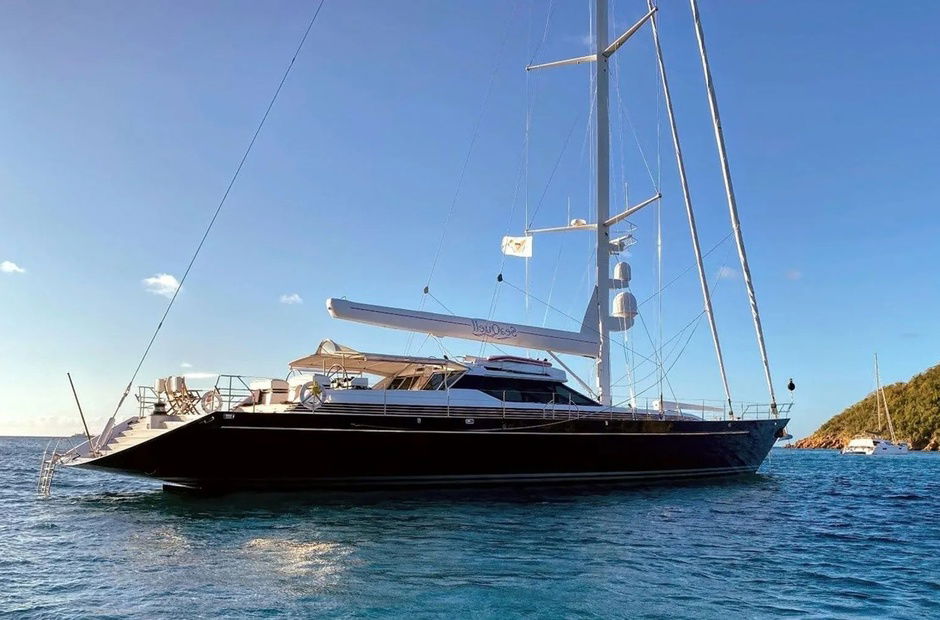
If you’ve been searching for information on the 1992 Alloy Yachts SeaQuell, you’re probably already drawn to the idea of a serious bluewate...
Discover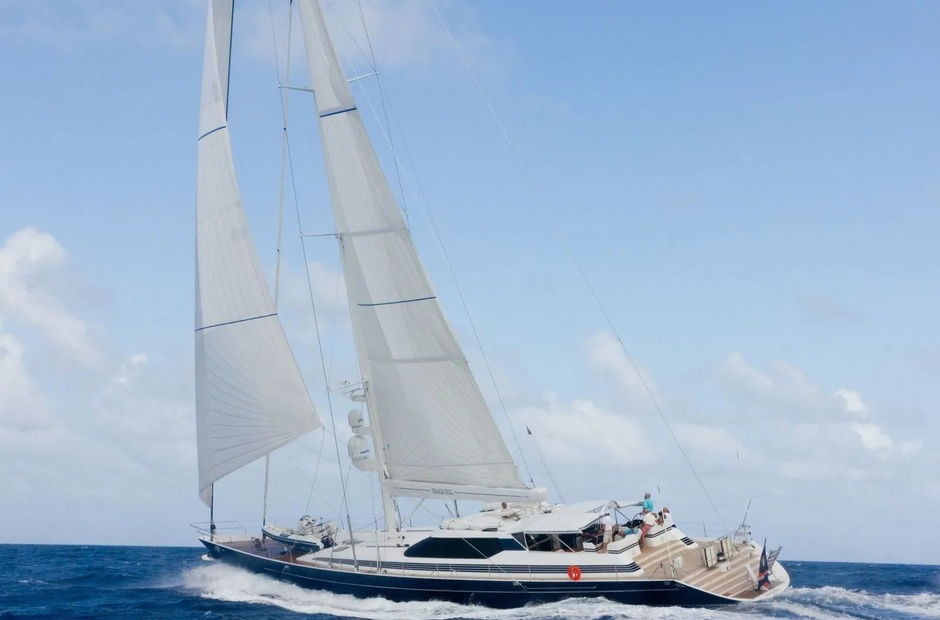

Images have been gathered from various sources and belong to their respective owners.
Review - Alloy Yachts SeaQuell

MarineBroker
02/19/2024, 6:41 AM
1992 Alloy Yachts SeaQuell: What Buyers and Owners Should Know Before You Explore Further
If you’ve been searching for information on the 1992 Alloy Yachts SeaQuell, you’re probably already drawn to the idea of a serious bluewater yacht with pedigree, craftsmanship, and that unmistakable aluminum-built confidence. Boats like this don’t come around every day, and when they do, they tend to attract a very specific kind of buyer: someone who values performance, long-range capability, and the character that comes with a well-designed custom yacht.
But here’s the real challenge: with a yacht from 1992, the big question isn’t just “Is it beautiful?” It’s “Is it still a smart boat to own, maintain, and enjoy today?” That’s where many prospective buyers and enthusiasts get stuck. A classic yacht can look incredible on paper, but the true value depends on refit history, systems condition, maintenance records, and how the boat has been used over the years.
In this article, we’ll break down what makes the 1992 Alloy Yachts SeaQuell interesting, what to watch for, and how to approach ownership or purchase with confidence. Whether you’re researching for a possible purchase or simply learning more about this yacht, the goal is to help you separate the romance from the reality and make a better-informed decision.
- What Makes the 1992 Alloy Yachts SeaQuell Stand Out
Alloy Yachts has long been associated with high-end aluminum construction and custom sailing yachts built for serious cruising. A yacht like SeaQuell represents a period when craftsmanship, engineering, and long-distance capability mattered just as much as style.
For many enthusiasts, the appeal starts with the build material. Aluminum yachts are known for strength, relatively light weight compared with some alternatives, and the ability to handle extended offshore use. That makes a yacht like SeaQuell especially interesting for people who want more than a marina ornament.
The 1992 build year also places SeaQuell in a fascinating category. It’s old enough to have history and character, but not so old that it’s automatically out of the running for modern use. In the right condition, a yacht from this era can still deliver excellent cruising comfort and performance.
Key reasons people look at yachts like SeaQuell include:
- Proven offshore cruising design
- Aluminum hull construction
- Custom or semi-custom craftsmanship
- Strong sailing reputation
- Potential for long-term value if properly maintained
That said, the age of the yacht means condition matters more than almost anything else. Two boats built the same year can have wildly different ownership experiences depending on refits, maintenance, and storage history.
- The Main Problem: Age, Systems, and Uncertainty
The biggest issue people face with a yacht like the 1992 Alloy Yachts SeaQuell is uncertainty. A classic yacht may look ready to go, but hidden issues can turn a dream purchase into a long and expensive project.
Common concerns include:
- Outdated onboard systems
- Electrical wear and corrosion
- Engine and drivetrain age
- Rigging fatigue
- Interior refit needs
- Water intrusion or structural issues
- Incomplete maintenance records
This is where many buyers get overwhelmed. They love the boat’s pedigree, but they’re not sure how to judge whether it’s truly seaworthy or simply expensive to restore.
The good news is that this problem is solvable. The key is to evaluate the yacht as a system, not just as a hull and a name. A structured inspection and a realistic ownership plan can tell you whether you’re looking at a manageable classic or a money pit.
- How to Evaluate a 1992 Alloy Yachts SeaQuell the Smart Way
Before getting emotionally attached, take a step back and assess the yacht with a practical mindset. The goal is to understand what you’re buying beyond the listing photos and polished deck shots.
Start with these basics:
1. Review the maintenance history
A detailed service record is one of the strongest indicators of a well-cared-for yacht. Look for evidence of regular engine servicing, rig inspections, haul-outs, and system upgrades.
2. Check for refit documentation
Many yachts of this age have been upgraded over time. Refit records can reveal whether the boat has received modern electronics, updated plumbing, new sails, or improved safety equipment.
3. Inspect the hull and structure
With aluminum yachts, corrosion and previous repair quality are important. Pay close attention to welds, coatings, and any signs of metal fatigue or improper fixes.
4. Evaluate the rig and standing rigging
Standing rigging has a lifespan. If there’s no clear replacement history, assume it may need attention soon.
5. Assess the engine and mechanical systems
Even if the yacht sails beautifully, aging mechanical systems can be costly. Look at engine hours, service intervals, cooling system condition, and spare parts availability.
6. Don’t ignore the interior systems
Plumbing, electrical wiring, refrigeration, air conditioning, and tanks often reveal the true condition of an older yacht.
A professional marine survey is essential here. For a yacht like SeaQuell, you want someone experienced with aluminum construction and classic offshore sailboats. Not every surveyor has the right background.
- Why Aluminum Construction Matters on the 1992 Alloy Yachts SeaQuell
One of the most attractive features of a yacht from Alloy Yachts is the aluminum build. For many experienced sailors, that alone is a major selling point.
Aluminum offers several advantages:
- Strong and durable structure
- Good weight-to-strength ratio
- Excellent offshore reputation
- Easier potential for modification compared with some materials
- Long service life when properly maintained
But aluminum also demands proper care. The material itself is not the problem; neglect is. Poor coatings, dissimilar metal contact, and hidden corrosion can create headaches if the yacht hasn’t been maintained correctly.
When inspecting an aluminum yacht, look for:
- Paint or coating condition
- Corrosion around fittings and fasteners
- Signs of electrolysis
- Quality of previous repairs
- Drainage and moisture management
- Condition of bilge areas and hidden compartments
If the boat has been kept in good shape, aluminum can be a major advantage. If not, repairs can become specialized and expensive. That’s why expertise matters so much when evaluating SeaQuell or any similar yacht.
- What Buyers Should Ask Before Making an Offer
If you’re seriously considering the 1992 Alloy Yachts SeaQuell, don’t rely on a basic walkthrough. Ask questions that reveal how the yacht has actually been used and maintained.
Here are some smart questions to ask:
- Who designed and built the yacht, and what is the original specification?
- What major refits or upgrades have been completed?
- When were the rigging, sails, engine, and electronics last replaced or serviced?
- Has the yacht been used for coastal cruising, offshore passages, or mostly dockside living?
- Are there any known structural repairs or accident history?
- Is there a complete maintenance log?
- What items are due for replacement in the next 1–3 years?
These questions help you build a real ownership picture. A yacht with a great history can be a rewarding purchase. A yacht with vague answers usually deserves caution.
- The Hidden Costs People Often Miss
One of the biggest mistakes buyers make is focusing only on the purchase price. With older yachts, the real cost often appears after the sale.
Potential hidden costs include:
- Survey and haul-out fees
- Rigging replacement
- Sail replacement
- Electronics modernization
- Engine overhauls
- Upholstery and interior refresh
- Antifouling and coatings
- Safety gear upgrades
- Docking, insurance, and storage
This doesn’t mean a classic yacht is a bad idea. It just means you need a realistic budget. A well-maintained yacht can be worth the investment, especially if it saves you from major surprise repairs later.
A useful rule of thumb: if you’re buying a yacht from 1992, assume some level of upgrade work will be needed, even if the boat looks excellent. That mindset helps prevent disappointment.
- Who the 1992 Alloy Yachts SeaQuell Is Best Suited For
This yacht is not for everyone, and that’s okay. Boats like SeaQuell tend to appeal to a more experienced or committed owner.
It may be a good fit if you are:
- A sailor who values offshore capability
- Interested in classic yacht ownership
- Comfortable with maintenance planning
- Looking for a boat with pedigree and character
- Willing to invest in inspections and upgrades
- Seeking a yacht with long-range cruising potential
It may be less suitable if you want:
- A low-maintenance weekend boat
- The latest technology everywhere
- Minimal ownership complexity
- A turn-key vessel with no refit needs
- A budget-friendly entry into sailing
That’s the reality of classic luxury yachts. They’re rewarding, but they ask more from the owner. If you enjoy the process and understand the tradeoffs, a yacht like SeaQuell can be deeply satisfying.
- How to Make Ownership Easier and More Enjoyable
If you do move forward with a yacht like the 1992 Alloy Yachts SeaQuell, the best way to protect your investment is to stay proactive.
Here are practical ways to simplify ownership:
- Create a maintenance calendar
- Keep digital records of all service work
- Replace aging components before they fail
- Use specialists for aluminum and rigging work
- Inspect the boat after every major passage
- Budget annually for upgrades and contingencies
- Update safety equipment on a regular schedule
It also helps to build relationships with trusted marine professionals. A good surveyor, rigger, diesel mechanic, and yard team can save you a lot of stress over time.
If the boat is intended for cruising, consider upgrading in phases. That way, you can spread out costs while improving reliability. For example, you might handle rigging first, then electronics, then interior systems, depending on priority and budget.
- What Makes a Classic Yacht Worth It
People don’t choose a boat like SeaQuell only because it’s practical. They choose it because it offers something newer boats often lack: individuality.
A well-built classic yacht can deliver:
- A stronger sense of identity
- Better offshore confidence
- Quality materials and craftsmanship
- A more rewarding ownership experience
- Potential resale appeal to the right buyer
Of course, value depends on condition and documentation. But when everything lines up, a yacht like the 1992 Alloy Yachts SeaQuell can feel far more special than a mass-produced modern alternative.
That emotional connection matters. Boats are not just assets; they’re experiences. The best ownership decisions usually balance head and heart.
- Final Thoughts on the 1992 Alloy Yachts SeaQuell
The 1992 Alloy Yachts SeaQuell is the kind of yacht that gets attention for good reason. It represents a blend of aluminum construction, offshore capability, and classic yacht character that still appeals to serious buyers and enthusiasts today. But like any older yacht, its true value depends on condition, maintenance history, and how much work it will need going forward.
If you’re researching this boat, the smartest approach is simple: inspect carefully, ask detailed questions, and budget realistically. That way, you can enjoy the appeal of a classic Alloy Yachts build without getting caught off guard by age-related issues. For the right owner, SeaQuell can be more than a boat—it can be a rewarding project, a capable cruiser, and a memorable part of the sailing life. If you want to keep learning, exploring survey tips, refit planning, and aluminum yacht care is a great next step.
Specifications
General
Boat Type: Sail Boats
Class Type: Cruiser
Specifications
Length: 107.94
Beam: 24.93
Draft: 10.5
Hull Material: Aluminium
Build
First Built: 1992
Propulsion
Fuel Type: Diesel
Engines: 1
Power: 451 HP
Brand: Lugger
Accomodation
Cabins: 3
PROS & CONS
What we appreciated
 High-quality alloy construction offering excellent durability and corrosion resistanceClassic design with timeless aesthetics appealing to traditional yacht enthusiastsSpacious and comfortable interior layout suitable for extended cruisingSolid build typical of Alloy Yachts, known for craftsmanship and attention to detailGood resale value due to reputation and build quality
What we didn’t appreciate
 Older model, may require significant maintenance and updates to modern systemsPotentially less fuel-efficient compared to newer designsLimited availability of parts due to age and specialized buildHeavier alloy construction can result in slower speeds compared to lighter materialsOutdated onboard technology and navigation equipment unless upgraded
Upkeep Costs
Annual insurance: $2,000 - $4,000
Maintenance and repairs: $5,000 - $10,000 per year
Docking and marina fees: $3,000 - $8,000 per year
Fuel costs: $1,000 - $3,000 per year (depending on usage)
Winter storage and haul-out: $1,000 - $3,000 per year

Rating
7.5
User
Score
Score
Driveability
Technology
Interior
Design
Similar Boats


MarineBroker
Download now for an immersive boat experience like never before! ⛵✨ Your journey begins with a simple click. 🌊📲
#SetSailSmart #DownloadNow
#SetSailSmart #DownloadNow

Subscribe
Copyright 2017 - 2026, Marinebroker.net, All Rights Reserved