Boat Database » Abeking & Rasmussen Aiglon
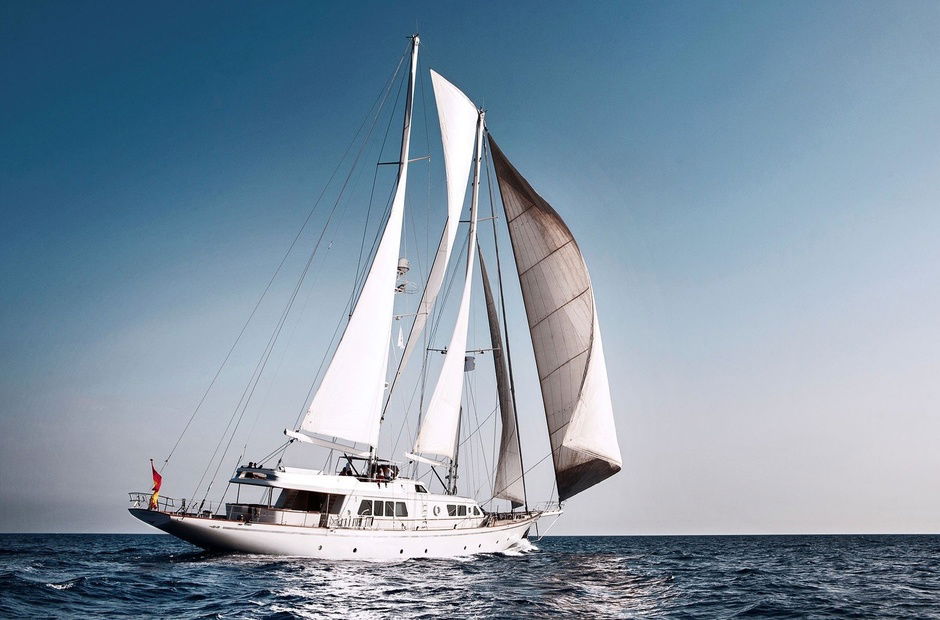
Abeking & Rasmussen Aiglon
Sail Drive, Diesel, 2x 385 HP
Sail Boats 1970 Abeking & Rasmussen Aiglon: How to Understand, Evaluate, and Enjoy a Classic Yacht
If you’re interested in the 1970 Abeking & Rasmussen Aiglon, you’re probably already drawn to more than just a boat. Classic yachts like this...
Discover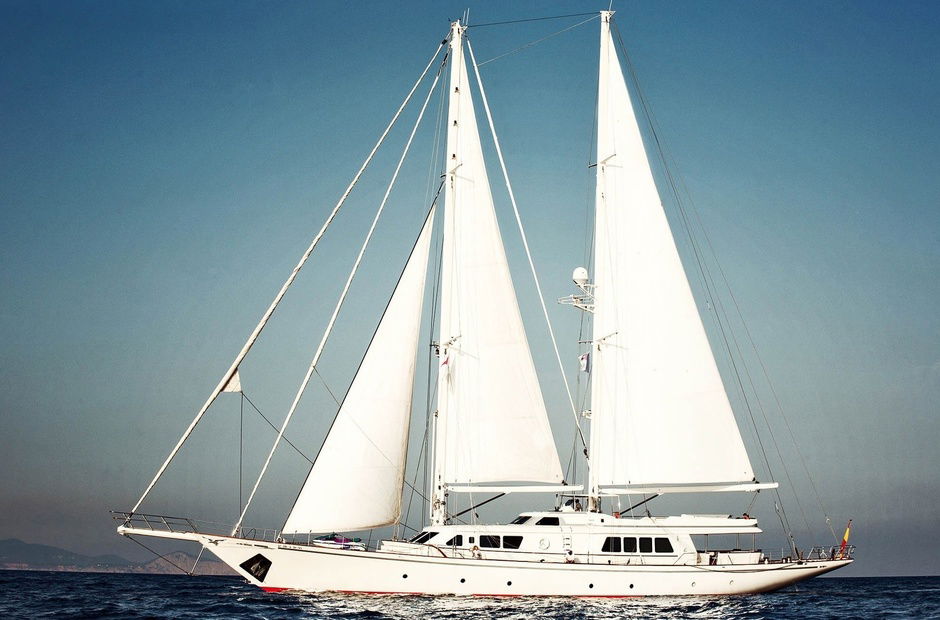

Images have been gathered from various sources and belong to their respective owners.
Review - Abeking & Rasmussen Aiglon

MarineBroker
01/18/2024, 12:01 PM
1970 Abeking & Rasmussen Aiglon: How to Understand, Evaluate, and Enjoy a Classic Yacht
If you’re interested in the 1970 Abeking & Rasmussen Aiglon, you’re probably already drawn to more than just a boat. Classic yachts like this carry history, craftsmanship, and a very specific kind of charm that modern production boats often can’t match. But owning, buying, or even simply appreciating a vessel from this era comes with a real challenge: how do you tell a well-preserved classic from a costly project?
That’s the problem many enthusiasts run into. A yacht built in 1970 can be a beautiful opportunity, but it can also hide age-related issues in structure, machinery, electrical systems, and maintenance history. The good news is that with the right approach, you can separate romance from reality and make a smart decision.
In this article, we’ll look at what makes the 1970 Abeking & Rasmussen Aiglon special, what to inspect, what common issues to watch for, and how to evaluate whether it’s the right classic yacht for your goals. Whether you’re researching, considering a purchase, or just learning more about this model, you’ll find practical guidance here.
- What Makes the 1970 Abeking & Rasmussen Aiglon Special
Abeking & Rasmussen has long been known for high-end German yacht building, with a reputation for precision, durability, and elegant design. A yacht from 1970 sits in an especially interesting period: old enough to have genuine classic character, but modern enough to have benefited from more refined engineering than earlier vintage yachts.
The Aiglon name is associated with a yacht that appeals to people who appreciate craftsmanship, seaworthiness, and timeless lines. For many enthusiasts, the attraction is not just performance. It’s the feeling of stepping into a boat that reflects a different era of design, where materials, joinery, and proportions were given serious attention.
There are a few reasons this model continues to draw interest:
- Classic styling that stands out in any marina
- A strong shipyard reputation
- Potential for long-term enjoyment if maintained well
- Appeal to collectors and traditional yacht lovers
- A balance of heritage and usable cruising value
That said, any yacht from 1970 should be viewed through a practical lens. Age itself is not the issue. The real question is how the boat has been maintained, updated, and cared for over the decades.
- The Main Problem: Age-Related Wear and Hidden Maintenance Costs
The biggest issue with a classic yacht like the 1970 Abeking & Rasmussen Aiglon is not necessarily the design or build quality. It’s the accumulation of time.
Even a very well-built yacht can develop problems after 50+ years. Materials age, systems become outdated, and repairs from previous owners may have been done unevenly. What looks like a charming classic on the surface can become expensive quickly if you don’t know what to check.
Common concerns include:
- Moisture intrusion in wooden or composite structures
- Corrosion in metal fittings and fasteners
- Outdated wiring or electrical panels
- Aging plumbing and fuel lines
- Engine wear or limited parts availability
- Previous repairs that were done cosmetically rather than properly
- Interior deterioration from humidity, leaks, or poor storage
For buyers, the challenge is simple: classic yachts often hide their true condition better than modern boats. They may look solid during a casual visit, but the real condition only becomes clear after a detailed survey and systems inspection.
- How to Judge the Condition of a Classic Yacht Like the Aiglon
If you’re evaluating a 1970 classic yacht, structure and systems matter far more than polish. Fresh varnish and polished brass are nice, but they don’t tell you whether the hull, deck, or machinery are sound.
A practical evaluation should focus on the following areas.
- Hull and Structure
Start with the hull. Depending on the build materials and refits over the years, you’ll want to check for:
- Blisters, cracks, or signs of osmosis if applicable
- Soft spots in decks or cabin tops
- Evidence of leaks around ports, hatches, and hardware
- Repairs that don’t match the surrounding structure
- Any unusual flexing or movement
If the yacht has wooden components, pay attention to moisture, delamination, rot, and fastener condition. If it has metal elements, look for corrosion, pitting, or hidden structural fatigue.
A good rule of thumb: cosmetic issues are manageable, but structural issues can become a major project.
- Engine and Mechanical Systems
A classic yacht can be beautiful, but if the engine room is neglected, the boat may be more of a dockside ornament than a usable vessel.
Check for:
- Service records
- Engine hours, if reliable
- Oil leaks or coolant issues
- Fuel system condition
- Exhaust wear
- Transmission operation
- Cooling system maintenance
- Availability of replacement parts
Older engines can still be excellent, but only if they’ve been maintained consistently. A well-documented mechanical history is worth a lot more than a shiny engine compartment.
- Electrical System
This is one of the most common weak points in older yachts. Many classic boats have had partial rewiring over time, which can create a confusing mix of old and new components.
Look for:
- Marine-grade wiring throughout
- Clean breaker panels and labeled circuits
- Evidence of amateur modifications
- Corrosion at terminals and connections
- Battery condition and charging setup
- Shore power safety and grounding
Electrical issues are often invisible until something fails. That’s why a surveyor or marine electrician is so valuable when evaluating a yacht of this age.
- Interior Condition
The interior of a classic yacht often tells the story of how the boat has been used.
Watch for:
- Water staining on ceilings and bulkheads
- Mold or mildew odors
- Loose joinery
- Warped cabinetry
- Poorly matched replacement materials
- Damage from previous leaks
A tasteful, original interior can be a major advantage. But even a beautiful interior should never distract you from checking the hidden systems behind it.
- Why Provenance and Maintenance History Matter So Much
With a yacht like the 1970 Abeking & Rasmussen Aiglon, paperwork can be nearly as important as the boat itself.
A strong maintenance history helps answer the questions buyers care about most:
- Was the yacht regularly serviced?
- Were major refits done professionally?
- Has the boat been stored properly?
- Are there records for engine, electrical, and structural work?
- Was the vessel used lightly or heavily?
A well-documented boat is easier to trust. It also gives you a better sense of the true ownership cost going forward.
If records are missing, that doesn’t automatically mean the yacht is bad. But it does mean you need to be more cautious and budget more conservatively.
- The Best Way to Approach a Purchase
If you’re seriously considering a classic yacht purchase, the smartest solution is not to rush. The best buyers combine enthusiasm with a methodical process.
Here’s a practical approach:
1. Research the model thoroughly
Learn the yacht’s original design, dimensions, systems, and known ownership patterns.
2. Inspect the boat in person
Photos can hide a lot. You want to see the vessel in daylight, ideally both afloat and out of the water if possible.
3. Hire a qualified marine surveyor
This is essential for any classic yacht. A surveyor can identify structural, mechanical, and safety issues that most buyers would miss.
4. Bring in specialists as needed
Depending on the boat, you may also want an engine mechanic, electrician, or wooden boat expert.
5. Estimate refit and operating costs
Don’t just ask what the yacht costs to buy. Ask what it will cost to own, maintain, berth, insure, and update.
6. Decide whether you want a cruiser, a project, or a collector piece
Your goals matter. A boat that’s perfect for one owner may be wrong for another.
This process may sound cautious, but that’s exactly what protects you from expensive surprises.
- Common Mistakes Buyers Make with Classic Yachts
Many people fall in love with a classic yacht before they understand what ownership really involves. That’s completely normal. The key is avoiding the most common mistakes.
- Focusing too much on appearance
A polished finish can hide serious underlying problems.
- Ignoring hidden systems
Wiring, plumbing, fuel lines, and structural joints matter just as much as visible features.
- Underestimating refit costs
Even a “good” classic yacht may need significant investment to become truly reliable.
- Skipping the survey
This is one of the biggest and most expensive mistakes.
- Buying based on emotion alone
Enthusiasm is great, but it should be balanced with facts.
- Assuming all classic yachts are hard to maintain
Some are, but a well-kept yacht can be manageable if you plan properly.
The best owners are usually the ones who understand both the charm and the responsibility of classic yacht ownership.
- What Makes a Classic Yacht Worth It
So why do people still seek out yachts like the 1970 Abeking & Rasmussen Aiglon when newer boats are easier to operate?
Because classic yachts offer something more personal.
They often provide:
- Better craftsmanship than many mass-produced modern boats
- A stronger sense of identity and history
- Unique styling that never really goes out of fashion
- The satisfaction of preserving a maritime heritage
- A more memorable on-water experience
For the right owner, the value is not just financial. It’s emotional, aesthetic, and experiential.
That doesn’t mean you should ignore budget or practicality. It just means the “return” on a classic yacht is often measured in enjoyment, pride, and the pleasure of owning something special.
- How to Keep a 1970 Classic Yacht in Good Shape
If you already own a classic yacht or are planning to, maintenance is the real solution to preserving value and usability.
A simple maintenance strategy can make a huge difference.
- Inspect the boat regularly for leaks, corrosion, and wear
- Keep the bilge clean and dry
- Service engines and generators on schedule
- Protect woodwork from moisture and UV damage
- Update safety gear and navigation systems as needed
- Monitor electrical systems for heat, corrosion, and loose connections
- Haul out periodically for bottom inspection and hull care
For older yachts, prevention is far less expensive than repair. Small issues left alone tend to become major ones.
It also helps to keep a maintenance log. Even a simple notebook or digital record can make future troubleshooting and resale much easier.
- When a Refit Makes Sense
Sometimes the right solution is a refit rather than a full restoration or immediate replacement.
A refit may be worth considering if:
- The hull and structure are fundamentally sound
- The yacht has good design and strong heritage value
- Major systems are outdated but replaceable
- You want to use the boat regularly
- You’re willing to invest in long-term ownership
A thoughtful refit can modernize the yacht while preserving its character. Common upgrades include:
- Electrical rewiring
- Engine overhaul or replacement
- Navigation electronics
- Interior refresh
- Safety equipment modernization
- Plumbing and tank replacement
The goal should be to improve reliability without erasing the qualities that make the yacht special.
- Who the 1970 Abeking & Rasmussen Aiglon Is Best For
This kind of yacht is not for everyone, and that’s okay.
It may be a good fit if you are:
- A classic yacht enthusiast
- Someone who values craftsmanship over convenience
- A buyer willing to invest in maintenance and upgrades
- Interested in a vessel with heritage and character
- Comfortable working with surveyors and marine specialists
It may be less suitable if you want:
- A low-maintenance weekend boat
- The latest technology and systems
- Minimal operating expenses
- A yacht that can be used without much preparation
Knowing which category you fall into will save time, money, and frustration.
- Final Thoughts Before You Decide
The 1970 Abeking & Rasmussen Aiglon represents the kind of classic yacht that can capture attention for all the right reasons: heritage, craftsmanship, and timeless style. But like any vessel of its age, it rewards careful evaluation more than impulse.
The best solution is simple: inspect thoroughly, verify the history, budget realistically, and lean on expert help before making a decision. If the yacht is structurally sound and properly maintained, it can offer years of rewarding ownership and a truly distinctive boating experience.
For anyone drawn to classic yachts, that combination of beauty and practicality is exactly what makes the search worthwhile. If you want to go further, explore survey checklists, refit planning guides, and classic yacht maintenance resources before taking the next step.
Specifications
General
Boat Type: Sail Boats
Class Type: Cruiser
Specifications
Length: 147.64
Beam: 24.93
Draft: 12.47
Hull Material: Aluminium
Build
First Built: 1970
Propulsion
Fuel Type: Diesel
Engines: 2
Power: 385 HP
Brand: Caterpillar
Accomodation
Cabins: 3
PROS & CONS
What we appreciated
 Classic and elegant design reflecting traditional craftsmanshipHigh-quality construction by renowned builder Abeking & RasmussenSolid woodwork and attention to detail providing timeless aestheticGood sailing performance typical of vintage yachtsStrong community and owner support for maintenance and restoration
What we didn’t appreciate
 Aging materials may require extensive restoration and maintenanceOutdated onboard systems needing modernizationLimited interior space compared to modern designsPotentially higher operating costs due to vintage componentsAvailability of replacement parts can be challenging and costly
Upkeep Costs
Annual maintenance and repairs: $5,000 - $15,000
Storage and docking fees: $3,000 - $8,000 per year
Insurance: $1,000 - $3,000 per year
Fuel and engine running costs: $2,000 - $6,000 per year
Registration and licensing fees: $200 - $500 per year

Rating
6.1
User
Score
Score
Driveability
Technology
Interior
Design
Similar Boats


MarineBroker
Download now for an immersive boat experience like never before! ⛵✨ Your journey begins with a simple click. 🌊📲
#SetSailSmart #DownloadNow
#SetSailSmart #DownloadNow

Subscribe
Copyright 2017 - 2026, Marinebroker.net, All Rights Reserved