Boat Database » Alloy Yachts Savannah
Alloy Yachts Savannah
Inboard Direct-Drive, Diesel, 1x 425 HP
Sail Boats 1998 Alloy Yachts Savannah: What Buyers Should Know Before You Dive In
If you’ve been searching for information on the 1998 Alloy Yachts Savannah, chances are you’re already drawn to the idea of owning a high-end custom sailing y...
Discover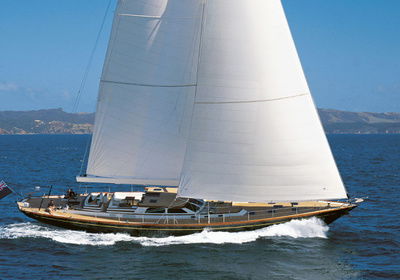



Images have been gathered from various sources and belong to their respective owners.
Review - Alloy Yachts Savannah

MarineBroker
02/12/2024, 3:02 AM
1998 Alloy Yachts Savannah: What Buyers Should Know Before You Dive In
If you’ve been searching for information on the 1998 Alloy Yachts Savannah, chances are you’re already drawn to the idea of owning a high-end custom sailing yacht with real pedigree. And honestly, that makes sense. Alloy Yachts has long been known for building serious bluewater boats, and a yacht like Savannah naturally stands out for its craftsmanship, performance, and timeless style.
But here’s the challenge: when people look at a yacht of this caliber, they’re often trying to answer a few big questions at once. Is it a smart purchase? What should you inspect? How do you know whether the boat has been maintained properly? And maybe most importantly, how do you avoid expensive surprises after the excitement wears off?
That’s the real problem for many prospective buyers and enthusiasts. A yacht like the 1998 Alloy Yachts Savannah can be a dream boat, but only if you understand what makes it special and what to watch out for. The good news is that with the right approach, you can evaluate it with confidence. In this article, we’ll break down the yacht’s strengths, likely ownership considerations, and practical steps to help you make a smarter decision.
- What Makes the 1998 Alloy Yachts Savannah Stand Out
The 1998 Alloy Yachts Savannah sits in a category that many sailors admire: a custom-built yacht designed with performance, comfort, and offshore capability in mind. Alloy Yachts earned a strong reputation for building aluminum sailing yachts that are both elegant and robust, and Savannah reflects that tradition well.
What usually attracts people to a yacht like this is the combination of:
- Custom design and build quality
- Lightweight aluminum construction
- Offshore cruising capability
- A refined interior layout
- Strong resale interest among experienced yacht buyers
This isn’t the kind of boat you buy casually. It’s the kind of vessel that appeals to sailors who appreciate engineering, seakeeping, and long-range capability. For many, that’s exactly the appeal.
The problem is that older custom yachts can vary a lot depending on how they’ve been used and maintained. Two boats from the same builder and same era can feel completely different in real life. That’s why understanding the model’s core strengths is only half the equation.
- Why Buyers Get Stuck When Evaluating an Older Custom Yacht
One of the biggest issues with a yacht like the 1998 Alloy Yachts Savannah is information overload mixed with uncertainty. Buyers often know the yacht is impressive, but they don’t know how to judge condition, refit history, or long-term ownership costs.
Common concerns include:
- Is the hull and structure still in excellent shape?
- Has the rigging been replaced on schedule?
- Are the systems original, updated, or overdue?
- How much will a refit cost if something major needs attention?
- Is the yacht suitable for cruising, charter use, or private ownership?
These are fair questions. With a custom yacht, the answer is rarely found in the brochure. It’s found in the maintenance records, survey results, and the overall story of the boat’s life.
That’s the practical solution: don’t evaluate Savannah as a “model year” alone. Evaluate it as a specific vessel with a unique maintenance history.
- The Key Strengths of the 1998 Alloy Yachts Savannah
If you’re considering this yacht, it helps to understand why Alloy Yachts boats are still respected years later. The strengths are not just cosmetic. They’re part of what makes the boat valuable in the first place.
- Aluminum construction
Aluminum is one of the biggest draws for serious sailors. Compared with fiberglass, it offers excellent strength-to-weight performance and can be easier to repair in certain structural scenarios when handled by the right yard.
For offshore cruising, that matters. A well-built aluminum yacht can feel solid, capable, and confidence-inspiring at sea.
- Offshore design philosophy
Yachts like Savannah were typically built with real passagemaking in mind. That means the design often prioritizes seaworthiness, balance, and long-range comfort rather than just marina appeal.
This is a major reason experienced owners look at boats like this. They want something that can handle open water without feeling compromised.
- Custom craftsmanship
Alloy Yachts has been associated with high-end custom work, and that often shows in details such as joinery, layout efficiency, systems integration, and overall finish quality.
Even after many years, a well-kept custom yacht can still feel special in a way production boats often don’t.
- Timeless styling
A lot of older yachts age poorly visually. That’s not usually the case with well-designed custom builds. The 1998 Alloy Yachts Savannah likely benefits from proportions and styling that still look elegant today, especially if the exterior lines and interior have been maintained or refreshed.
- What to Inspect Before Buying or Evaluating Savannah
This is where things get practical. If you’re serious about the 1998 Alloy Yachts Savannah, the smartest move is to focus on the areas that most often affect safety, reliability, and cost.
- Hull and structure
With an aluminum yacht, the hull condition is a top priority. Look for:
- Signs of corrosion
- Repairs or modifications
- Evidence of impact damage
- Condition of welds and seams
- Paint or coating integrity
A clean survey from a qualified marine surveyor familiar with aluminum yachts is essential. Small issues can become expensive if ignored.
- Rigging and spars
Standing rigging is one of those items that can look fine but still be near the end of its service life. Ask for:
- Replacement dates
- Inspection records
- Mast and boom condition
- Any history of load-related repairs
If you plan to sail offshore, rigging condition should never be guessed at.
- Mechanical systems
Older yachts often have a mix of original components and newer upgrades. That’s not necessarily bad, but it does mean you need clarity on:
- Engine hours and service history
- Generator condition
- Fuel system integrity
- Steering and hydraulics
- Pumps, compressors, and electrical panels
A yacht can look immaculate and still hide system age behind the cabinetry.
- Electrical and navigation equipment
Technology changes fast. A 1998 yacht may have been updated several times, or it may still have older electronics. Check:
- Chartplotters and navigation suite
- Battery banks and charging systems
- Wiring condition and labeling
- Inverter and shore power setup
- Backup systems and redundancy
Outdated electronics aren’t always a dealbreaker, but they can add up quickly if you need a full modernization.
- Interior condition
The interior is often where age shows first. Look for:
- Moisture intrusion
- Delamination or soft spots
- Upholstery wear
- Cabinetry movement
- Odors from long-term storage or water exposure
A beautiful interior is great, but it should never distract from structural or mechanical concerns.
- How to Judge Whether the Yacht Has Been Well Maintained
With a yacht like the 1998 Alloy Yachts Savannah, maintenance history is often more important than cosmetics. A boat that has been continuously cared for is usually a much better bet than one that merely looks polished for sale.
Here’s what good ownership usually looks like:
- Detailed service logs
- Regular haul-outs and bottom maintenance
- Documented rigging inspections
- Updated safety gear
- System upgrades completed by reputable yards
- Evidence of professional storage or winterization
Red flags include:
- Missing records
- Fresh paint hiding unknown repairs
- Inconsistent system upgrades
- Long periods of neglect
- Too many “recently refurbished” claims without documentation
A practical solution is to ask for a maintenance timeline. That gives you a clearer picture than a simple list of features.
- Ownership Costs People Often Underestimate
One of the biggest mistakes buyers make is focusing too much on purchase price and not enough on ongoing ownership costs. That’s especially true for an older custom yacht.
Expect to budget for:
- Annual haul-out and bottom work
- Engine and generator service
- Sail replacement or repair
- Rigging inspection and replacement
- Electronics upgrades
- Upholstery and interior refreshes
- Insurance and mooring or dockage
- Unexpected repairs
For a yacht in this class, annual costs can be significant even when the boat is in good condition. And if major refits are needed, the numbers can climb fast.
That doesn’t mean the yacht is a bad value. It just means the total cost of ownership should be part of the decision from the start.
- Who the 1998 Alloy Yachts Savannah Is Best For
This yacht is not for every buyer, and that’s okay. In fact, knowing who it suits best can help you decide whether it belongs on your shortlist.
It’s a strong fit for:
- Experienced sailors who appreciate custom craftsmanship
- Buyers looking for offshore-capable performance
- People who value aluminum construction
- Owners willing to maintain a complex yacht properly
- Cruisers who want comfort without losing sailing ability
It may be less ideal for:
- First-time yacht buyers
- Owners who want very low maintenance
- Buyers looking for simple production-boat ownership
- People without access to strong marine technical support
If you’re the type of owner who enjoys understanding systems, planning upgrades, and keeping a yacht in top shape, Savannah could be a rewarding choice.
- Practical Buying Strategy for a Yacht Like Savannah
If you’re seriously considering the 1998 Alloy Yachts Savannah, the best approach is to slow down and work through the purchase methodically.
- Step 1: Review the history
Start with the boat’s background. Ask about:
- Previous owners
- Cruising areas
- Refit history
- Accident or repair history
- Survey reports
The more complete the story, the better.
- Step 2: Hire the right surveyors
This is not the place to cut corners. Use marine professionals who understand:
- Aluminum hulls
- Offshore sailing systems
- Electrical and mechanical inspection
- Rigging and structural evaluation
A general survey is helpful, but specialized knowledge is what protects you.
- Step 3: Sea trial the boat
A dockside inspection is not enough. On the water, you can evaluate:
- Engine performance
- Sail handling
- Steering response
- Noise and vibration
- System reliability under load
A boat can reveal a lot once it’s moving.
- Step 4: Estimate refit needs honestly
Make a list of anything that needs attention in the next 1 to 3 years. Then price it realistically. This helps you decide whether the asking price still makes sense.
- Step 5: Think long term
Ask yourself whether you want to own the boat for a season, a few years, or a long-term cruising plan. The answer affects how much you should invest upfront.
- Common Mistakes to Avoid
A yacht like this can be a fantastic purchase, but only if you avoid the usual traps.
- Buying on reputation alone
A respected builder is a good sign, but not a substitute for condition assessment.
- Ignoring older systems
A beautiful boat with tired systems can become frustrating fast.
- Underestimating refit costs
Even “minor” upgrades can add up when they involve marine labor and custom work.
- Skipping specialized surveys
Aluminum yachts deserve surveyors who know what they’re looking at.
- Focusing only on appearance
A polished finish doesn’t guarantee strong structure or reliable systems.
- Why the 1998 Alloy Yachts Savannah Still Matters Today
Even decades after launch, a well-built yacht like Savannah still attracts attention because it represents a kind of ownership that many sailors admire: serious, capable, and thoughtfully engineered.
In a market full of mass-produced boats, a custom Alloy Yacht can offer something different. It can feel more purposeful, more refined, and more suited to real passagemaking. That’s why the 1998 Alloy Yachts Savannah continues to interest buyers who want more than just a floating condo.
The key is to approach it with clear eyes. If the boat has been maintained well, it may offer exceptional value relative to its build quality and sailing capability. If it needs work, that’s fine too—as long as you understand the scope before committing.
- Final Thoughts on the 1998 Alloy Yachts Savannah
The 1998 Alloy Yachts Savannah is the kind of yacht that rewards careful evaluation. It offers the appeal of custom craftsmanship, offshore capability, and aluminum construction, but like any older high-end vessel, its true value depends on condition and maintenance history.
If you’re interested in this yacht, the smartest move is to focus on the fundamentals: structure, rigging, systems, records, and survey quality. That approach helps you avoid costly surprises and gives you a much clearer picture of what ownership would really look like.
For the right buyer, Savannah can be more than an impressive name. It can be a capable, elegant yacht with real long-term potential. If you want to keep learning, explore more resources on aluminum yacht ownership, survey checklists, and refit planning before making your next move.
Specifications
General
Boat Type: Sail Boats
Class Type: Cruiser
Specifications
Length: 101.38
Beam: 25.92
Draft: 10.83
Hull Material: Aluminium
Build
First Built: 1998
Propulsion
Fuel Type: Diesel
Engines: 1
Power: 425 HP
Brand: Lugger
Accomodation
Cabins: 3
PROS & CONS
What we appreciated
 High-quality alloy construction ensuring durability and resistance to corrosionClassic and elegant design with spacious deck and comfortable living areasRobust build from a reputable shipyard known for custom luxury yachtsGood sailing performance for a vessel of its size and typeAmple storage and well-thought-out interior layout for extended cruising
What we didn’t appreciate
 Older model with potential need for updates or refits to modern standardsHeavier alloy hull may impact speed compared to lighter composite materialsLimited availability of parts or specialist service due to bespoke buildPotentially higher maintenance costs associated with alloy hullsLess fuel efficient compared to newer designs with advanced hull technology
Upkeep Costs
Annual maintenance and repairs: $5,000 - $15,000
Docking and marina fees: $3,000 - $10,000 per year
Insurance: $1,500 - $4,000 per year
Fuel costs: $2,000 - $6,000 per year depending on usage
Winter storage and haul-out fees: $1,000 - $3,000 per year

Rating
8.2
User
Score
Score
Driveability
Technology
Interior
Design
Similar Boats


MarineBroker
Download now for an immersive boat experience like never before! ⛵✨ Your journey begins with a simple click. 🌊📲
#SetSailSmart #DownloadNow
#SetSailSmart #DownloadNow

Subscribe
Copyright 2017 - 2026, Marinebroker.net, All Rights Reserved