Boat Database » Aegean Yacht Gem
Aegean Yacht Gem
Inboard Direct-Drive, Diesel, 2x 190 HP
Sail Boats 1998 Aegean Yacht Gem: What Buyers Should Know Before They Commit
If you’ve been searching for a 1998 Aegean Yacht Gem, you’re probably already in that exciting-but-cautious stage of boat hunting. On paper, a yacht from this era ...
Discover


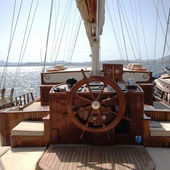
Images have been gathered from various sources and belong to their respective owners.
Review - Aegean Yacht Gem

MarineBroker
02/01/2024, 4:43 AM
1998 Aegean Yacht Gem: What Buyers Should Know Before They Commit
If you’ve been searching for a 1998 Aegean Yacht Gem, you’re probably already in that exciting-but-cautious stage of boat hunting. On paper, a yacht from this era can look like a great opportunity: solid build, classic styling, and often a more approachable price than newer models. But the real challenge isn’t finding the listing — it’s figuring out whether the boat is actually a smart buy.
That’s where a lot of buyers get stuck. Older yachts can hide expensive surprises beneath polished gelcoat and fresh cushions. Things like aging engines, tired wiring, water intrusion, blistering, and outdated systems can turn a “deal” into a money pit fast. The good news is that with the right inspection process and a few practical checks, you can separate a well-kept vessel from one that will drain your budget.
In this guide, we’ll walk through what to look for in a 1998 Aegean Yacht Gem, the most common ownership concerns, and how to evaluate whether it’s worth the investment. If you’re serious about buying one, this is the kind of information that can save you time, stress, and a lot of money.
- Why the 1998 Aegean Yacht Gem still attracts attention
There’s a reason buyers keep circling back to boats from the late 1990s. Many yachts built in this period were made with a more substantial feel than some modern production boats, and they often came with layouts that still work well today.
A 1998 Aegean Yacht Gem may appeal to you if you want:
- A classic yacht profile with timeless styling
- A more affordable entry into yacht ownership
- A platform that may already be equipped for cruising
- A boat with upgrade potential instead of paying for brand-new features you may not need
For many buyers, the attraction is simple: you can get a lot of boat for the money. But older boats reward careful buyers and punish rushed decisions. The age of the vessel means condition matters more than model year hype.
- The real problem: older yacht condition is often harder to judge than it looks
When someone shops for a used yacht, the biggest mistake is assuming appearance equals quality. A boat can look beautiful on the dock and still have serious mechanical or structural issues.
With a 1998 Aegean Yacht Gem, the main problem is not the nameplate — it’s the unknowns that come with a 25-plus-year-old boat. Common concerns include:
- Engine wear and deferred maintenance
- Corrosion in electrical systems
- Moisture intrusion around windows, hatches, and deck hardware
- Aging hoses, seals, and fuel lines
- Outdated navigation and safety equipment
- Cosmetic improvements masking deeper issues
This is why the solution is not just “find a clean-looking boat.” The solution is to inspect the yacht like an investor, not a dreamer.
- Start with the hull and structural condition
The hull is the foundation of the boat, and it should be one of your first priorities. A strong interior and shiny exterior mean little if the underlying structure has problems.
When evaluating a 1998 Aegean Yacht Gem, look for:
- Osmosis or blistering on fiberglass surfaces
- Stress cracks around high-load areas
- Signs of previous repairs
- Uneven gelcoat or color matching that may indicate patchwork
- Moisture around through-hulls, deck fittings, and transom areas
If possible, have the boat hauled out for a proper bottom inspection. This can reveal issues that are impossible to see while the boat is in the water.
A few practical tips:
1. Check the keel and rudder areas carefully.
2. Inspect the transom for flexing or soft spots.
3. Look for any signs of grounding damage.
4. Ask for maintenance records that show past repairs.
If the hull is sound, you’ve cleared one of the biggest hurdles.
- Don’t ignore the engine room
A yacht can be beautiful and still be expensive to maintain if the engines are tired. On a boat from 1998, engine condition often tells the real story.
Here’s what matters most:
- Start-up behavior: Does the engine start cleanly, or does it smoke, stumble, or hesitate?
- Oil condition: Is the oil clean, or does it show signs of contamination?
- Cooling system: Are there leaks, corrosion, or overheating signs?
- Belts and hoses: Are they flexible and in good condition, or cracked and brittle?
- Service history: Were oil changes, impeller replacements, and major services done on schedule?
A well-maintained engine can still have years of useful life left. But if you see repeated signs of neglect, that’s a red flag.
For the 1998 Aegean Yacht Gem, a sea trial is especially important. Listen for vibration, watch for temperature stability, and note how the boat performs under load. A smooth idle alone is not enough.
- Electrical systems are a common weak point
Older yachts often suffer from a mix of original wiring and later add-ons. That can create confusion, poor reliability, and even safety risks.
When checking the electrical system, look for:
- Corroded terminals
- Loose or messy wiring runs
- Non-original splices or amateur additions
- Outdated batteries or charging systems
- Faulty switches, lights, or gauges
- Evidence of water near panels or breakers
A boat from 1998 may still have some original electrical components, which is not automatically a dealbreaker. The issue is whether the system has been maintained and updated responsibly.
A smart buyer should ask:
- Has the wiring been inspected recently?
- Are the batteries holding charge properly?
- Is there a clear labeling system for circuits?
- Are shore power systems modern and safe?
If the electrical setup looks chaotic, budget for upgrades. On an older yacht, that can be a meaningful cost.
- Interior condition can reveal hidden ownership habits
The interior of a yacht often tells you how the boat has been treated overall. A clean salon is nice, but the real clues are in the details.
Watch for:
- Musty smells, which may indicate moisture problems
- Stained headliners or wall panels
- Soft flooring or spongy areas underfoot
- Mold around windows, hatches, and vents
- Cabinet doors that don’t align properly
- Water damage near sinks, heads, or air-conditioning units
A 1998 Aegean Yacht Gem with a tidy interior and dry bilges is usually a better sign than one that has been heavily “freshened up” right before sale.
Also, don’t be distracted by cosmetic upgrades alone. New upholstery and polished wood are nice, but they do not fix structural or mechanical issues.
- Maintenance records matter more than age
One of the best ways to judge an older yacht is by reviewing its history. Maintenance records can tell you whether the boat has been cared for consistently or simply patched when problems became too obvious to ignore.
Ask for:
- Engine service logs
- Generator maintenance records
- Bottom paint history
- Survey reports
- Receipts for major repairs
- Documentation of upgrades to electronics, plumbing, or safety gear
A boat with solid records is usually easier to trust. Even if it’s not perfect, you can better estimate future costs.
If records are missing, be cautious. That doesn’t automatically mean the boat is bad, but it does mean you should inspect more aggressively and assume a larger repair budget.
- The sea trial is where the truth shows up
A dockside inspection only tells part of the story. The sea trial is where you learn how the boat really behaves.
During a sea trial of a 1998 Aegean Yacht Gem, pay attention to:
- Engine temperature under normal cruising speed
- Steering response
- Throttle smoothness
- Unusual vibration or rattling
- Noise levels in the cabin and helm
- How the boat handles turns and wake
If something feels off, trust that instinct. A boat should feel stable and predictable, not nervous or strained.
Useful things to bring or note:
- A checklist
- A notepad or phone for photos
- A second set of eyes, if possible
- A marine surveyor’s input, if you can arrange it
The goal is not just to enjoy the ride. It’s to identify whether the boat is mechanically healthy enough for your intended use.
- Upgrades that add value without going overboard
Many buyers of older yachts want to modernize them, but the smartest upgrades are the ones that improve safety, reliability, and usability first.
Good upgrade priorities include:
- Fresh batteries and charging systems
- Updated navigation electronics
- New hoses, clamps, and seals
- LED lighting
- Reliable bilge pumps
- Modern safety gear
- Improved communication equipment
If you’re considering a 1998 Aegean Yacht Gem, it may already be a good platform for selective upgrades. The key is not to overspend on cosmetic improvements before solving core mechanical issues.
A practical rule: fix what keeps the boat safe and dependable before investing in what makes it prettier.
- Common red flags that should make you pause
Sometimes a boat looks promising until you start asking the right questions. If you notice several of these warning signs, slow down and reconsider:
- No maintenance records at all
- Strong fuel, mildew, or sewage odors
- Fresh paint or new carpet hiding obvious wear
- Corrosion in the engine room
- Electrical panels with unlabeled or messy wiring
- Soft spots in the deck or cabin sole
- Repeated water intrusion around windows or hatches
- Seller pressure to close quickly
One red flag alone may not kill the deal, but a pattern of neglect usually does. Older yachts can be fantastic purchases, but only when the previous owner kept up with the basics.
- How to decide if the 1998 Aegean Yacht Gem is worth buying
The decision comes down to total ownership cost, not just purchase price. A lower asking price can disappear quickly if you need major mechanical, electrical, or structural work.
To evaluate the boat properly, estimate:
- Immediate repairs needed
- Annual maintenance costs
- Insurance considerations
- Docking or storage expenses
- Fuel consumption
- Upkeep for systems you may want to modernize
Then compare that total against the boat’s condition and your intended use.
A 1998 Aegean Yacht Gem is worth serious consideration if:
- The hull is solid
- The engines pass inspection and sea trial
- The electrical system is manageable
- Maintenance records are available
- The price leaves room for repairs and upgrades
It may not be the right choice if you’re hoping for a turn-key yacht with no ongoing investment. Older boats nearly always need something, even the good ones.
- Working with the right surveyor can save you money
If you’re not an experienced buyer, a marine surveyor is one of the best investments you can make. They know where hidden problems tend to show up and can help you avoid costly mistakes.
A surveyor can help identify:
- Structural issues
- Moisture intrusion
- Mechanical concerns
- Safety deficiencies
- Market value versus asking price
For a boat like the 1998 Aegean Yacht Gem, a survey is especially important because age-related wear can be subtle. A professional assessment gives you leverage in negotiations and a clearer picture of what ownership will really cost.
- Final buying mindset: buy condition, not just a brand
The biggest lesson with any older yacht is simple: condition matters more than the badge on the side. A well-maintained vessel can provide years of enjoyment, while a neglected one can become a constant project.
If you’re looking at a 1998 Aegean Yacht Gem, focus on the full picture:
- Structural integrity
- Engine health
- Electrical reliability
- Maintenance history
- Realistic upgrade needs
That approach helps you avoid overpaying for a boat that only looks good on the surface. It also helps you find the gems that are actually worth owning.
A thoughtful inspection, a sea trial, and a proper survey can turn uncertainty into confidence. And that’s the real goal when buying any older yacht.
- Conclusion
A 1998 Aegean Yacht Gem can be a rewarding purchase if you approach it with the right mindset. The age of the boat is not the issue by itself — the real question is how well it has been maintained, inspected, and updated over time.
If you focus on the hull, engines, electrical systems, and maintenance records, you’ll be in a much stronger position to judge value. Add a sea trial and professional survey, and you’ll have a far clearer picture of whether the boat is a smart fit for your plans. Take your time, ask detailed questions, and buy condition over cosmetics. If you’re still researching, it’s worth comparing similar yachts and learning what long-term ownership really looks like before making a final decision.
Specifications
General
Boat Type: Sail Boats
Class Type: Cruiser
Specifications
Length: 129.92
Beam: 26.25
Draft: 10.17
Hull Material: Wood
Build
First Built: 1998
Propulsion
Fuel Type: Diesel
Engines: 2
Power: 190 HP
Brand: Iveco
Accomodation
Cabins: 8
PROS & CONS
What we appreciated
 Classic and elegant design with timeless appealSolid construction known for durability and seaworthinessSpacious interior for comfortable cruisingGood storage capacity for extended tripsRelatively easy to handle for its size
What we didn’t appreciate
 Older model may require more maintenance and updatesLimited modern amenities compared to newer yachtsFuel efficiency may be lower than contemporary designsParts and service may be harder to find due to agePotentially outdated navigation and electronic systems
Upkeep Costs
Fuel: Approximately $3,000 - $6,000 per year depending on usage
Maintenance and Repairs: $5,000 - $10,000 per year
Insurance: $1,500 - $3,000 per year
Docking/Marina Fees: $2,000 - $5,000 per year
Storage and Winterization: $1,000 - $2,500 per year
Rating
6.4
User
Score
Score
Driveability
Technology
Interior
Design
Similar Boats


MarineBroker
Download now for an immersive boat experience like never before! ⛵✨ Your journey begins with a simple click. 🌊📲
#SetSailSmart #DownloadNow
#SetSailSmart #DownloadNow

Subscribe
Copyright 2017 - 2026, Marinebroker.net, All Rights Reserved