Boat Database » Alloy Yachts Drumbeat
Alloy Yachts Drumbeat
Inboard Direct-Drive, Diesel, 1x 1400 HP
Sail Boats 2002 Alloy Yachts Drumbeat: What Buyers and Enthusiasts Should Know Before You Dive In
If you’ve been searching for details on the 2002 Alloy Yachts Drumbeat, chances are you’re not just browsing—you’re trying to understand what ...
Discover

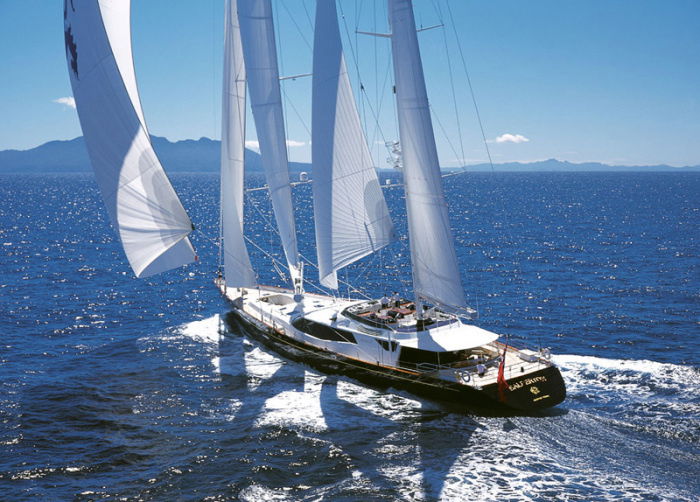
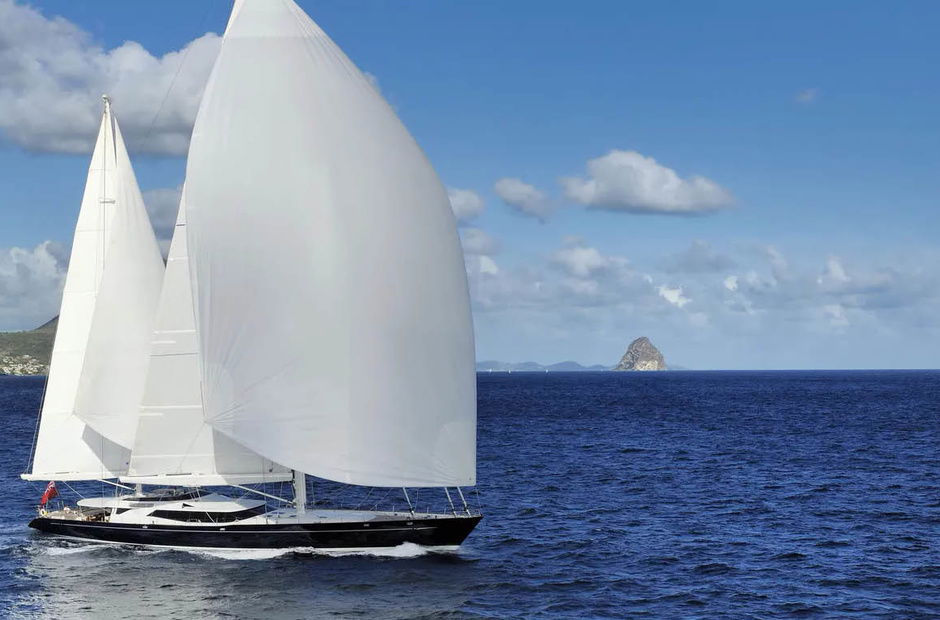
Images have been gathered from various sources and belong to their respective owners.
Review - Alloy Yachts Drumbeat

MarineBroker
02/19/2024, 6:31 AM
2002 Alloy Yachts Drumbeat: What Buyers and Enthusiasts Should Know Before You Dive In
If you’ve been searching for details on the 2002 Alloy Yachts Drumbeat, chances are you’re not just browsing—you’re trying to understand what makes this yacht stand out, what kind of ownership experience it offers, and whether it still makes sense today. That’s a fair question. With classic superyachts, the challenge is rarely finding photos or specs; it’s figuring out the real story behind the boat.
For many people, the problem is simple: there’s a lot of glossy information out there, but not enough practical context. A yacht like Drumbeat can look incredible on paper, yet the real questions are more useful: How does an aluminum superyacht age? What should you check before buying or chartering? What kind of maintenance, refit planning, or operational knowledge do you need?
That’s where a more grounded approach helps. In this article, we’ll look at the 2002 Alloy Yachts Drumbeat from a practical perspective—its design strengths, what makes it appealing, and the key things to know if you’re evaluating a yacht in this class. If you’re interested in a smarter way to assess boats like this, you’re in the right place.
- The Legacy of the 2002 Alloy Yachts Drumbeat
The 2002 Alloy Yachts Drumbeat belongs to a category of yachts that still earns attention years after launch: large custom aluminum sailing yachts built with performance, comfort, and long-range capability in mind. Alloy Yachts, based in New Zealand, developed a strong reputation for building refined, technically impressive yachts that could handle serious bluewater cruising while still delivering a high-end onboard experience.
Drumbeat is especially interesting because it sits at the intersection of several things buyers and enthusiasts care about:
- Custom design and craftsmanship
- Lightweight aluminum construction
- Sailing performance
- Luxury accommodations
- Proven offshore capability
That combination is a big part of why yachts like this remain relevant. They’re not just floating showpieces. They’re serious sailing machines with enough comfort to support extended cruising.
For many people researching the 2002 Alloy Yachts Drumbeat, the real value is understanding how this kind of yacht fits into today’s market. It’s not about whether the boat is “old” or “new.” It’s about whether it has the right structure, engineering, and maintenance history to remain a smart choice.
- Why People Still Search for the 2002 Alloy Yachts Drumbeat
There’s a reason the 2002 Alloy Yachts Drumbeat continues to attract attention. Yachts of this caliber tend to hold interest because they were built with a level of detail that’s hard to replicate cheaply.
People usually look into boats like Drumbeat for one of these reasons:
- They’re considering purchase or brokerage options
- They want to understand the yacht’s value and reputation
- They’re researching aluminum superyachts
- They’re comparing older custom yachts to newer production models
- They’re interested in refit potential and long-term ownership
A lot of prospective buyers get stuck on a common issue: they compare a custom yacht like Drumbeat to modern production yachts without accounting for build quality, engineering philosophy, or refit readiness. That can lead to the wrong conclusion.
A well-built 2002 yacht may still offer excellent value if it has been maintained correctly. In some cases, the structure and systems are more robust than what you’d find on newer, mass-produced vessels. The trick is knowing what to look for.
- What Makes Alloy Yachts Stand Out
Alloy Yachts built a reputation on precision and customization. Their yachts were often designed in collaboration with top naval architects and interior designers, which meant owners could get a yacht tailored to their sailing goals and lifestyle.
The key strengths of Alloy-built yachts generally include:
- Aluminum hull and superstructure construction
- Strong engineering for offshore sailing
- High-quality joinery and fit-out
- Custom layouts and owner-focused design
- Good balance between comfort and performance
For a yacht like Drumbeat, this matters because aluminum offers several practical advantages. It’s lighter than steel, which can improve sailing performance. It’s also strong and relatively easy to inspect and repair when handled by the right yard.
That said, aluminum yachts do require knowledgeable maintenance. Corrosion control, paint system upkeep, and structural inspections are all part of responsible ownership. So while the build quality is a major plus, it also means buyers should be informed rather than casual.
- The Real Problem: Evaluating a Classic Superyacht the Right Way
The biggest challenge with a yacht like the 2002 Alloy Yachts Drumbeat is not finding information—it’s separating useful information from noise.
Here’s the problem many people run into:
- They focus too much on age instead of condition
- They underestimate maintenance costs
- They don’t understand aluminum yacht care
- They ignore refit history
- They assume luxury finish equals easy ownership
That last point is especially important. A yacht can look immaculate in photos and still have hidden issues in systems, structure, or ongoing operating costs.
A practical buyer or enthusiast needs a better framework. Instead of asking, “Is this yacht still impressive?” the better question is, “Has this yacht been maintained and managed in a way that preserves its strengths?”
That shift changes everything.
- How to Assess a Yacht Like Drumbeat in Practice
If you’re looking at the 2002 Alloy Yachts Drumbeat or a similar custom sailing yacht, the best approach is to evaluate it in layers. Start with the structure, then move to systems, then look at operational history.
Here’s a simple breakdown.
- Structural condition
For an aluminum superyacht, the hull and superstructure deserve close attention. You want to know whether there have been any signs of corrosion, impact damage, or poor repairs.
Look for:
- Evidence of professional maintenance
- Quality of paint and coating systems
- Any history of structural repairs
- Survey reports from qualified marine surveyors
- Signs of water intrusion around fittings and joints
Even if the yacht has been well cared for, a full survey is essential. Aluminum is durable, but it needs expert eyes.
- Mechanical and electrical systems
Older yachts often face issues not because the hull is failing, but because onboard systems age out. Generators, navigation electronics, HVAC, pumps, wiring, and automation all have their own service life.
A smart buyer should ask:
- What has been replaced recently?
- Are major systems supported by modern parts?
- Is the electrical system clean and well documented?
- Have the engines and generators been serviced consistently?
A yacht with a strong maintenance log is usually far more attractive than one with vague “recent updates” and missing records.
- Rigging and sailing hardware
For sailing yachts, rigging is one of the most important areas to inspect. Standing rigging, running rigging, winches, furling systems, and hydraulic equipment can all become expensive if neglected.
Useful questions include:
- When was the standing rigging last replaced?
- Are there records for mast and spar inspections?
- Do the winches and hydraulics operate smoothly?
- Has the sail inventory been updated or stored properly?
These details matter because they directly affect safety and sailing enjoyment.
- Interior condition and refit quality
Custom yachts often have beautiful interiors, but aesthetics alone don’t tell the full story. You want to know whether the interior has been maintained in a way that supports long-term use.
Watch for:
- Dampness or odor
- Wear in joinery and soft furnishings
- Outdated systems hidden behind finished surfaces
- Poorly executed refit work
- Signs of deferred maintenance
A good refit should improve both comfort and reliability, not just make the yacht look good for a season.
- Why Aluminum Construction Still Appeals Today
One of the main reasons people continue to search for the 2002 Alloy Yachts Drumbeat is the appeal of aluminum construction. In the world of custom yachts, aluminum has a strong reputation for a reason.
Benefits often include:
- Better performance due to lighter weight
- Strong structural integrity
- Good suitability for large custom builds
- Easier repairability compared with some composite structures
- Proven offshore capability
For sailors who value passage-making and serious cruising, those strengths are hard to ignore.
However, there’s a catch: aluminum rewards good maintenance and punishes neglect. A yacht that has been properly managed can remain highly capable for decades. A poorly maintained one can become a headache fast.
So the solution isn’t just admiring the material—it’s understanding how the material has been cared for.
- What a Smart Buyer Should Ask Before Getting Serious
If you’re truly interested in the 2002 Alloy Yachts Drumbeat, don’t stop at the listing description. Ask the questions that reveal the yacht’s real condition and ownership experience.
Here are some of the most useful ones:
1. What is the full maintenance history?
2. Has the yacht undergone major refits?
3. Are there survey reports available?
4. Which systems have been upgraded?
5. What is the current operating budget?
6. Are there any known structural or mechanical issues?
7. How often has the yacht been used?
8. Has the vessel been managed by a professional crew?
These questions help you understand whether the yacht has been preserved as a serious asset or simply maintained enough to look presentable.
If you’re not buying, the same questions still help you appreciate the yacht more deeply. Enthusiasts often focus on design, but the operational story is just as interesting.
- Practical Ownership Lessons from Boats Like Drumbeat
Even if you’re only researching and not planning to purchase, the 2002 Alloy Yachts Drumbeat offers a useful lesson in what makes a yacht endure.
The lesson is that longevity comes from three things:
- Good design
- Quality construction
- Consistent care
That’s true for almost any yacht, but it matters especially for custom superyachts. A well-designed vessel can age gracefully if systems are maintained, coatings are kept up, and refit decisions are made thoughtfully.
Here are a few ownership lessons that apply broadly:
- Don’t delay inspections
- Keep detailed records
- Replace aging systems before they fail
- Budget for refit cycles, not just routine servicing
- Work with specialists who understand the yacht’s construction
This is the practical solution to the problem of evaluating older luxury yachts: stop thinking in terms of “new versus old” and start thinking in terms of “documented, maintained, and fit for purpose.”
- Where the 2002 Alloy Yachts Drumbeat Fits in Today’s Market
In today’s market, yachts like Drumbeat occupy a very specific niche. They’re not impulse buys. They appeal to people who appreciate craftsmanship, sailing capability, and the value of a proven platform.
That makes them especially interesting for:
- Experienced yacht owners
- Buyers looking for a custom sailing yacht
- People considering refit projects
- Enthusiasts who value pedigree and design history
Compared with newer yachts, a vessel like this may offer more character and a stronger sense of identity. Compared with much older yachts, it may offer better integration of performance and luxury.
The key is understanding what you’re getting. The market value of a yacht like the 2002 Alloy Yachts Drumbeat depends less on age alone and more on:
- Maintenance quality
- Refit investment
- Equipment upgrades
- Survey results
- Ownership records
That’s why informed buyers tend to do well with yachts in this category. They know how to look beyond the headline.
- How to Research Similar Yachts More Effectively
If you’re using the 2002 Alloy Yachts Drumbeat as a reference point, you can apply the same research process to other yachts in the same class.
A good research method looks like this:
- Start with reputable listing and brokerage sources
- Compare build specs and naval architecture
- Review maintenance and refit history where available
- Check survey and inspection documentation
- Learn the brand’s reputation for support and build quality
- Speak with surveyors, captains, or brokers familiar with the model type
This approach saves time and reduces the risk of getting distracted by marketing language.
You’ll also get a better sense of whether a yacht is truly exceptional or simply well presented. That distinction matters a lot in the superyacht world.
- Final Thoughts on the 2002 Alloy Yachts Drumbeat
The 2002 Alloy Yachts Drumbeat is the kind of yacht that still earns respect because it represents a strong blend of craftsmanship, aluminum construction, and offshore capability. For buyers and enthusiasts, the real value lies in understanding not just what the yacht is, but how it has been maintained and used over time.
If you’re researching boats like this, the smartest path is a practical one: focus on structure, systems, rigging, and records. That’s the best way to judge whether a classic superyacht remains a great asset or just a beautiful name.
In the end, yachts like Drumbeat remind us that quality doesn’t disappear with age—it just asks for more informed attention. If you want to keep exploring, dig into survey reports, refit histories, and expert commentary. That’s where the real story lives.
Specifications
General
Boat Type: Sail Boats
Class Type: Cruiser
Specifications
Length: 173.88
Beam: 34.12
Draft: 16.08
Hull Material: Aluminium
Build
First Built: 2002
Propulsion
Fuel Type: Diesel
Engines: 1
Power: 1400 HP
Brand: Caterpillar
Accomodation
Cabins: 5
PROS & CONS
What we appreciated
 High-quality craftsmanship typical of Alloy YachtsClassic and timeless design with excellent aestheticsRobust and durable aluminum hull constructionSpacious and comfortable interior layoutGood sailing performance for a cruising yacht
What we didn’t appreciate
 Older model, may require updates to modern electronics and systemsMaintenance can be costly due to custom build and materialsLimited availability of original replacement partsPotentially higher operating costs compared to newer yachtsLess advanced onboard technology compared to contemporary boats
Upkeep Costs
Annual maintenance and repairs: $10,000 - $15,000
Insurance: $5,000 - $8,000 per year
Dockage and marina fees: $8,000 - $12,000 per year
Fuel: $2,000 - $5,000 depending on usage
Winter storage and haul-out: $3,000 - $6,000 per year

Rating
8.6
User
Score
Score
Driveability
Technology
Interior
Design
Similar Boats


MarineBroker
Download now for an immersive boat experience like never before! ⛵✨ Your journey begins with a simple click. 🌊📲
#SetSailSmart #DownloadNow
#SetSailSmart #DownloadNow

Subscribe
Copyright 2017 - 2026, Marinebroker.net, All Rights Reserved