Boat Database » Alloy Yachts Chimera
Alloy Yachts Chimera
Inboard Direct-Drive, Diesel, 1x 425 HP
Sail Boats 2002 Alloy Yachts Chimera: What to Know Before You Buy, Inspect, or Restore
If you’ve been searching for information on the 2002 Alloy Yachts Chimera, chances are you’re already drawn to something special. Alloy Yachts has long b...
Discover
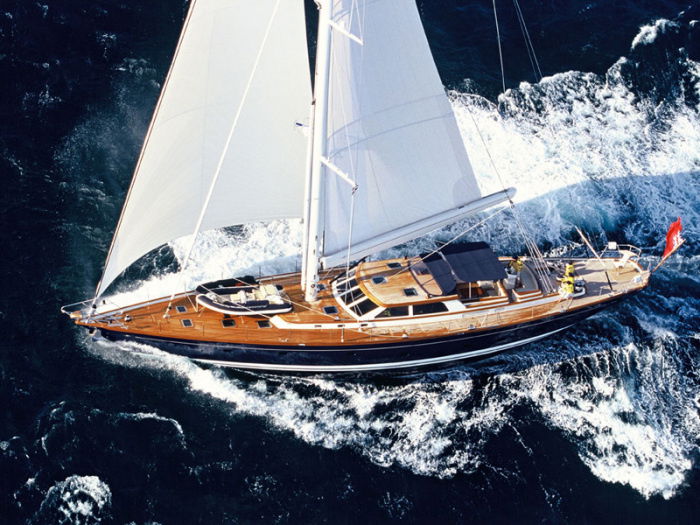
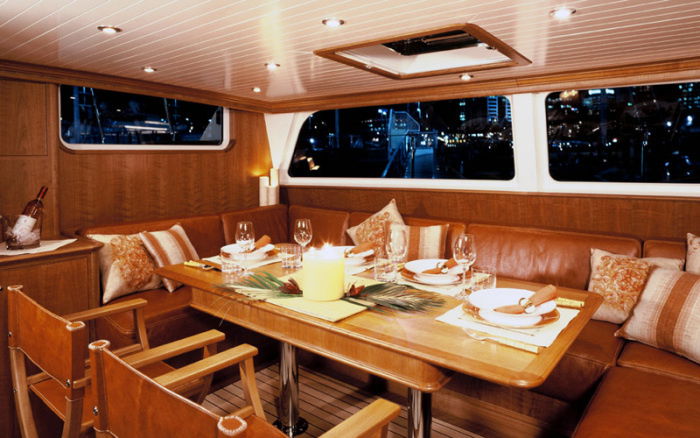
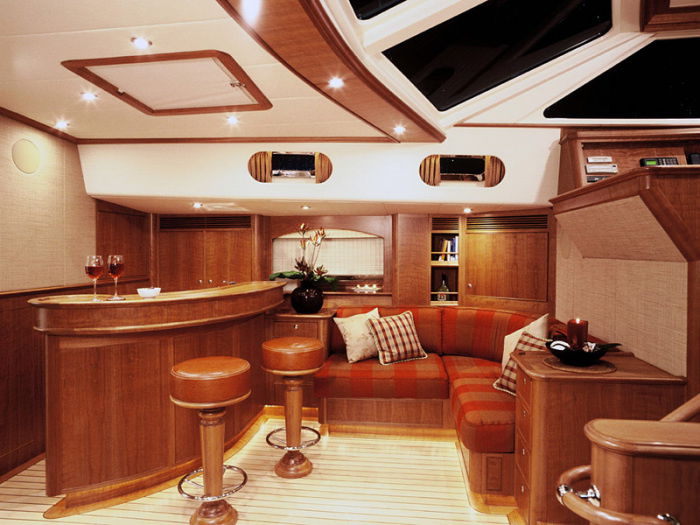
Images have been gathered from various sources and belong to their respective owners.
Review - Alloy Yachts Chimera

MarineBroker
02/18/2024, 5:38 AM
2002 Alloy Yachts Chimera: What to Know Before You Buy, Inspect, or Restore
If you’ve been searching for information on the 2002 Alloy Yachts Chimera, chances are you’re already drawn to something special. Alloy Yachts has long been known for building high-end custom aluminum sailing yachts with serious performance, elegant lines, and a reputation for craftsmanship that still turns heads years later. But with a yacht like this, the real challenge isn’t just admiring it from afar — it’s understanding what you’re actually getting into.
That’s the problem many buyers, brokers, and sailing enthusiasts run into. A yacht such as the 2002 Alloy Yachts Chimera can look like a dream on paper, but older custom superyachts come with their own set of questions: maintenance history, refit needs, survey findings, operating costs, and whether the boat still fits modern expectations. The good news? With the right approach, those unknowns can be turned into a clear plan. In this article, we’ll break down what makes Chimera noteworthy, what to watch for, and how to evaluate whether she’s the right yacht for your needs.
- Why the 2002 Alloy Yachts Chimera Still Gets Attention
The 2002 Alloy Yachts Chimera sits in a category that continues to attract experienced sailors and yacht enthusiasts: the custom aluminum performance cruising yacht. Alloy Yachts, based in New Zealand, built its reputation on combining lightweight construction, offshore capability, and refined interior work.
What makes a yacht like Chimera interesting even decades later is that she likely represents a blend of three things many owners want:
- Performance under sail
- Build quality that stands the test of time
- The versatility of a true cruising yacht
For many people, the appeal is not just the brand. It’s the idea of owning a yacht that was designed and built with a level of detail you don’t often see in production boats. That said, a custom yacht from 2002 is not a “plug-and-play” purchase. It’s a serious asset, and it needs serious evaluation.
- The Main Problem Buyers Face With Older Custom Yachts
The biggest issue with a yacht like the 2002 Alloy Yachts Chimera is uncertainty.
Older custom yachts can be incredible values if they’ve been maintained properly, but they can also hide expensive problems. Buyers often struggle to answer questions like:
- Has the yacht been continuously upgraded?
- Are the rig, sails, and systems still in good condition?
- Has the aluminum structure been properly cared for?
- Will the next refit be minor or major?
- Are operating costs reasonable for the intended use?
This uncertainty matters because a yacht is not just a purchase price. It’s a long-term ownership commitment. A boat that seems attractively priced can quickly become costly if it needs major work on systems, rigging, electronics, or interior components.
The practical solution is to evaluate the yacht like a project, not just a listing. That means looking beyond aesthetics and focusing on structure, maintenance records, survey results, and intended use.
- What Makes the 2002 Alloy Yachts Chimera Different
A yacht from Alloy Yachts is usually not compared to a typical production cruiser. These boats are custom-built, often with performance and bluewater capability in mind.
Here’s why that matters:
- Aluminum construction often offers strength and longevity when properly maintained
- Custom design can mean better sailing performance and more refined layouts
- Quality build standards may reduce some long-term issues common in mass-produced boats
- A well-kept custom yacht can retain appeal in the brokerage market
Still, “custom” can also mean “unique,” and that can affect maintenance. Parts may be specialized, systems may be tailored to the original owner’s preferences, and upgrades may have been done in stages over many years. That’s why ownership history is so important.
- How to Evaluate a 2002 Alloy Yachts Chimera the Smart Way
If you’re seriously considering the 2002 Alloy Yachts Chimera, the best approach is to break the evaluation into categories. This helps you avoid getting distracted by polish and presentation.
- 1. Review the maintenance history
A complete maintenance log is one of the most valuable things you can have. Look for:
- Annual service records
- Refit documentation
- Engine and generator maintenance
- Rigging replacement dates
- Hull inspections
- Electrical and plumbing upgrades
A yacht with organized records is usually easier to trust than one with vague or incomplete history.
- 2. Inspect the hull and structure
For an aluminum yacht, structural condition is critical. You want to know whether the hull has been properly protected and whether there are any signs of corrosion, previous repairs, or impact damage.
Pay close attention to:
- Welds and structural joints
- Paint and coating condition
- Bilge areas
- Keel attachments and underwater fittings
- Signs of moisture intrusion or corrosion at dissimilar-metal interfaces
A professional surveyor familiar with aluminum yachts is essential here. Not every marine surveyor has deep experience with custom alloy construction.
- 3. Check the rig and deck hardware
Sailing performance depends heavily on the rig. On a yacht from 2002, rigging age becomes a major factor.
Key items to inspect include:
- Standing rigging replacement schedule
- Mast and boom condition
- Chainplates
- Winches and furling systems
- Running rigging
- Deck fittings and seal integrity
Even if the yacht looks beautiful, aged rigging can become a safety issue and an unexpected budget item.
- 4. Evaluate onboard systems
Older yachts often look fine until you start testing the systems. Electrical, plumbing, HVAC, and navigation systems may have been upgraded at different times, leading to a mixed-generation setup.
Check for:
- Modern, reliable navigation electronics
- Clean electrical panels and wiring
- Functional battery systems and charging setup
- Watermaker condition, if fitted
- Air conditioning and ventilation performance
- Bilge pumping and safety alarms
A yacht can sail beautifully and still be frustrating to live with if systems are outdated or poorly integrated.
- 5. Understand the interior condition
The interior of a yacht like Chimera may still feel luxurious, but age shows up in subtle ways. Look for wear in joinery, soft furnishings, upholstery, and appliances.
Ask yourself:
- Has the interior been refreshed or left original?
- Are there signs of water intrusion?
- Do doors, drawers, and cabinetry still operate smoothly?
- Has the layout been altered from the original design?
The answer helps determine whether the yacht is ready to enjoy now or needs cosmetic and functional work first.
- Common Issues Found on Older Custom Sailing Yachts
While every boat is different, older custom yachts often share a few recurring issues. Knowing these in advance can save time and money.
- Aging rigging
Even high-quality rigging has a service life. If replacement dates are unknown, assume it may be due.
- Outdated electronics
Navigation systems evolve quickly. A yacht from 2002 may have older displays, sensors, and communication gear that no longer meet current expectations.
- Cosmetic fatigue
Varnish, upholstery, flooring, and soft goods often show their age before major structural issues do.
- Electrical complexity
Over time, yachts can accumulate “layers” of upgrades. That can create messy wiring, incompatible components, or hard-to-troubleshoot systems.
- Corrosion concerns
On aluminum yachts, corrosion prevention is a big deal. Small problems can grow if not managed carefully.
- Refitting a 2002 Alloy Yachts Chimera: What to Prioritize
If the yacht needs work, the smartest solution is to prioritize safety, reliability, and usability before aesthetics.
Start with the essentials:
- Survey-driven repairs
- Rigging and sail plan
- Engine and generator service
- Electrical system cleanup
- Safety equipment replacement
- Hull and corrosion prevention
Then move into comfort and presentation:
- Upholstery
- Interior finishes
- Galley upgrades
- New electronics
- Lighting improvements
- Deck hardware refresh
This staged approach helps owners avoid overspending on cosmetic items before the important mechanical and structural issues are solved.
- Budgeting for Ownership Without Guesswork
One of the most helpful things a prospective buyer can do is build a realistic ownership budget before making an offer.
For a yacht like the 2002 Alloy Yachts Chimera, budget categories should include:
- Annual maintenance
- Insurance
- Haul-out and survey costs
- Dockage or mooring fees
- Sail replacement
- Rigging replacement reserve
- Engine and generator servicing
- Unexpected repairs
A useful rule of thumb is to set aside a reserve fund for the unexpected. On older custom yachts, surprises are normal, not rare. The goal is not to eliminate all risk, but to make sure one repair doesn’t derail the whole ownership experience.
- Who Is the 2002 Alloy Yachts Chimera Best Suited For?
This yacht is not for everyone, and that’s okay. The best fit is usually someone who values craftsmanship and understands that a custom yacht requires active stewardship.
She may suit:
- Experienced sailors looking for offshore capability
- Buyers who appreciate aluminum construction
- Owners willing to maintain a premium yacht properly
- People interested in refit potential and long-term value
- Enthusiasts who want a yacht with pedigree and character
She may be less suitable for someone who wants a low-maintenance, turn-key boat with minimal ongoing attention. That doesn’t mean she’s a bad choice — just that expectations need to match reality.
- Questions to Ask Before You Commit
Before making a decision, ask the right questions. These can reveal far more than a glossy listing ever will.
- When was the last major refit?
- Has the standing rigging been replaced?
- Are maintenance records complete?
- What systems are original, and what has been updated?
- Has the yacht been used for private cruising, charter, or both?
- Are there any known corrosion or structural issues?
- What are the annual operating costs?
- Is the current inventory of sails and safety gear up to date?
If the answers are clear and well documented, you’re in a much better position to judge the yacht’s real condition.
- Why a Professional Survey Matters So Much
For a yacht like the 2002 Alloy Yachts Chimera, a professional survey is not optional — it’s the backbone of a smart purchase.
A good survey can help you:
- Confirm structural integrity
- Identify hidden corrosion or water intrusion
- Verify system condition
- Estimate near-term refit costs
- Strengthen your negotiation position
- Avoid expensive surprises after closing
Ideally, use surveyors and marine technicians who have experience with custom aluminum yachts. Their familiarity with the construction style can make a huge difference in the quality of the assessment.
- The Real Value of a Yacht Like Chimera
The value of a yacht like this isn’t just in the name or the build year. It’s in the combination of design, condition, and how well the boat has been cared for.
A well-maintained 2002 Alloy Yachts Chimera may offer:
- Strong sailing performance
- Proven offshore capability
- High-end construction
- Long-term enjoyment for the right owner
- Potential appeal in a niche brokerage market
But that value only holds if the yacht has been properly maintained and realistically priced. The smartest buyers focus on condition first, pedigree second, and cosmetics last.
- Practical Buying Strategy for Interested Buyers
If you’re seriously exploring this yacht, here’s a simple approach:
1. Gather as much history as possible
2. Review maintenance and refit records
3. Hire an experienced surveyor
4. Inspect the hull, rig, and systems carefully
5. Estimate refit and ownership costs
6. Compare condition, not just asking price
7. Make your offer based on facts, not emotion
That process may sound cautious, but it’s exactly how experienced yacht buyers avoid regret.
- Final Thoughts on the 2002 Alloy Yachts Chimera
The 2002 Alloy Yachts Chimera represents the kind of yacht that can be deeply rewarding for the right owner. She likely offers the craftsmanship, performance, and presence that made Alloy Yachts famous, but like any older custom vessel, she also demands a careful look at condition, maintenance history, and future costs.
If your goal is to find a yacht with real pedigree, the solution is simple: evaluate her as a complete ownership project, not just a beautiful boat. With a thorough survey, realistic budgeting, and a clear understanding of what needs attention, you can make a far smarter decision. For anyone drawn to custom sailing yachts with character, Chimera is the kind of name worth researching further.
Specifications
General
Boat Type: Sail Boats
Class Type: Cruiser
Specifications
Length: 102.36
Beam: 25.92
Draft: 10.83
Hull Material: Aluminium
Build
First Built: 2002
Propulsion
Fuel Type: Diesel
Engines: 1
Power: 425 HP
Brand: Lugger
Accomodation
Cabins: 3
PROS & CONS
What we appreciated
 High-quality alloy construction provides excellent durability and corrosion resistanceElegant and timeless design typical of Alloy Yachts craftsmanshipSpacious and comfortable interior layout suitable for luxury cruisingSolid sailing performance with a well-balanced rig and hull designGood resale value due to reputation and build quality
What we didn’t appreciate
 Older model may require updates to modern navigation and electronics systemsMaintenance of aluminum hulls can be more specialized and costly compared to fiberglassLimited availability of specific replacement parts due to age and custom buildPotentially higher insurance costs due to luxury status and build materialMay have higher operating costs compared to more contemporary production yachts
Upkeep Costs
Annual maintenance and repairs: $8,000 - $15,000
Dockage and marina fees: $5,000 - $12,000 per year
Insurance: $3,000 - $7,000 per year
Fuel costs: $4,000 - $10,000 per year (depending on usage)
Winter storage and haul-out: $2,000 - $5,000 per year
Rating
8.3
User
Score
Score
Driveability
Technology
Interior
Design
Similar Boats


MarineBroker
Download now for an immersive boat experience like never before! ⛵✨ Your journey begins with a simple click. 🌊📲
#SetSailSmart #DownloadNow
#SetSailSmart #DownloadNow

Subscribe
Copyright 2017 - 2026, Marinebroker.net, All Rights Reserved