Boat Database » Alloy Yachts Kokotea
Alloy Yachts Kokotea
Inboard Direct-Drive, Diesel, 1x 1000 HP
Sail Boats 2000 Alloy Yachts Kokotea: What Owners and Enthusiasts Should Know Before Buying or Restoring
If you’ve been searching for information on the 2000 Alloy Yachts Kokotea, you’re probably already aware that this isn’t just any yacht...
Discover
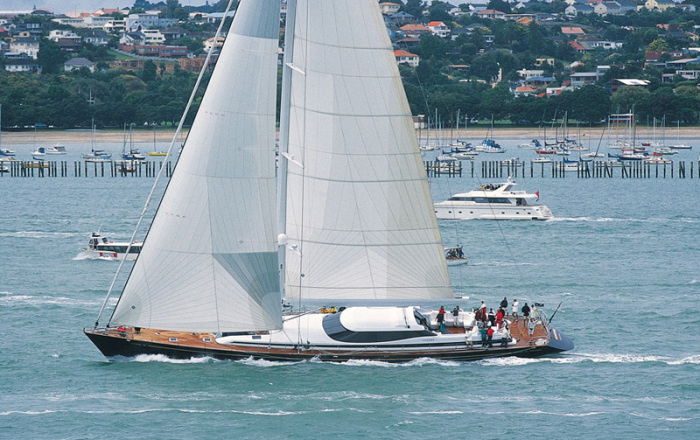


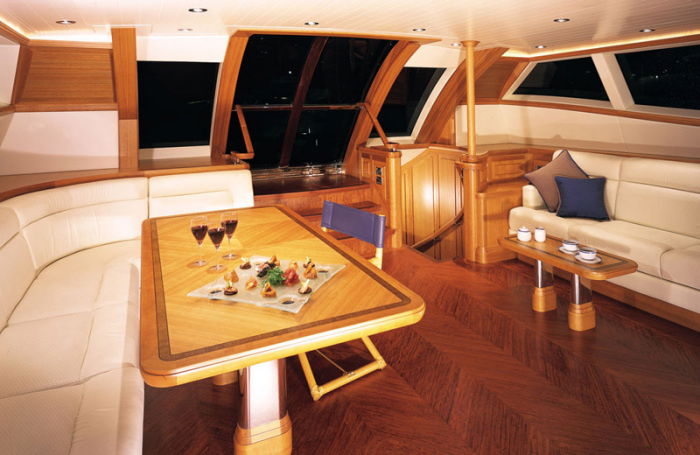
Images have been gathered from various sources and belong to their respective owners.
Review - Alloy Yachts Kokotea

MarineBroker
02/18/2024, 6:10 AM
2000 Alloy Yachts Kokotea: What Owners and Enthusiasts Should Know Before Buying or Restoring
If you’ve been searching for information on the 2000 Alloy Yachts Kokotea, you’re probably already aware that this isn’t just any yacht. It’s the kind of boat that turns heads for its pedigree, craftsmanship, and serious cruising capability. But there’s also a common challenge that comes with yachts of this age and caliber: figuring out what’s truly worth checking, maintaining, and upgrading without getting overwhelmed by the details.
That’s where most people get stuck. A yacht like Kokotea can be incredibly rewarding, but only if you understand the key systems, the maintenance priorities, and the hidden costs that often show up with older performance cruisers. Whether you’re thinking about ownership, refit planning, or simply learning more about this iconic Alloy Yachts build, the goal is the same: make smarter decisions with less guesswork.
In this article, we’ll break down what makes the 2000 Alloy Yachts Kokotea special, the most common issues buyers and owners should watch for, and practical ways to keep a yacht like this in top shape. If you want clarity instead of confusion, you’re in the right place.
- What Makes the 2000 Alloy Yachts Kokotea Stand Out
Alloy Yachts has long been known for building high-quality aluminum yachts with a strong reputation for performance and long-range cruising. A yacht from this builder is usually associated with careful engineering, refined construction, and a level of finish that appeals to serious sailors.
The 2000 Alloy Yachts Kokotea fits into that tradition. For many enthusiasts, the appeal is a mix of robust construction, classic lines, and the kind of sailing characteristics that make offshore cruising feel controlled and capable rather than stressful.
What draws people to yachts like Kokotea?
- Strong aluminum construction
- Offshore cruising potential
- Proven design philosophy
- Quality custom craftsmanship
- A balance of comfort and performance
That said, the very features that make a yacht like this desirable can also create confusion for buyers. Because it’s a specialized vessel, standard “used boat” advice doesn’t always go far enough. You need to think like an owner, not just a shopper.
- The Real Problem: Age, Systems, and Hidden Maintenance
The biggest issue with a yacht like the 2000 Alloy Yachts Kokotea is not that it’s old in a bad way. The problem is that a well-built yacht still ages, and aging systems can quietly affect reliability, safety, and operating costs.
Many people focus on the hull and the big-ticket appearance items, but the real headaches usually come from the systems you can’t immediately see:
- Electrical wiring
- Plumbing and tanks
- Standing and running rigging
- Engine and generator condition
- Electronics and navigation gear
- Deck hardware and seals
- Paint and corrosion management
On an aluminum yacht, corrosion awareness becomes especially important. Aluminum is durable, but it demands proper maintenance, careful inspections, and attention to dissimilar metals, coatings, and moisture intrusion.
This is where buyers can get caught off guard. A yacht may look impressive at first glance, but if the maintenance history is patchy, the cost of bringing everything current can be significant.
- How to Evaluate a 2000 Alloy Yachts Kokotea the Smart Way
If you’re considering a yacht like Kokotea, the best solution is not to rely on instinct alone. You want a structured evaluation that helps you separate cosmetic issues from real concerns.
Start with the basics:
- Review maintenance records
- Check refit history
- Inspect survey reports
- Confirm engine service logs
- Look for evidence of regular use
- Ask about storage conditions
A yacht that has been actively cared for often ages better than one that sat unused. Inactive boats can develop more problems than regularly maintained vessels because seals dry out, batteries fail, corrosion starts, and systems deteriorate quietly.
When possible, arrange for a surveyor who understands aluminum yachts and offshore cruising boats. A general survey is useful, but a specialist can spot issues that a less experienced eye might miss.
- 2000 Alloy Yachts Kokotea: Key Areas to Inspect
A smart inspection should go beyond the obvious. The following areas deserve close attention.
- Hull and Structure
Check for signs of corrosion, repairs, dents, coating failure, or unusual moisture patterns. On aluminum yachts, the condition of protective coatings and bonding systems matters a lot.
Look for:
- Pitting or surface corrosion
- Poorly matched metal fittings
- Paint blistering
- Evidence of previous repairs
- Structural distortion or stress marks
- Rigging and Sail Plan
For a yacht of this type, rigging condition is a major safety item. Even if the sails look decent, standing rigging age can be a deal-breaker if records are incomplete.
Check:
- Age of standing rigging
- Chainplates and attachment points
- Turnbuckles and fittings
- Running rigging wear
- Winches and deck hardware
- Engine and Mechanical Systems
A well-maintained engine can run for years, but neglect shows up quickly in older boats. Look for clean service history, consistent oil analysis if available, and signs of professional upkeep.
Pay attention to:
- Cooling system condition
- Fuel tank cleanliness
- Hose age and clamps
- Vibrations or unusual noises
- Generator reliability
- Electrical and Electronics
Older yachts often have a mix of original and updated electrical components. That’s normal, but it can create complexity.
Check:
- Battery bank age and capacity
- Shore power setup
- Inverter/charger function
- Wiring organization
- Navigation electronics compatibility
- Interior and Habitability
A yacht can be mechanically sound but still feel tired if the interior systems have aged poorly. Dampness, worn soft goods, and outdated layouts can affect both comfort and resale value.
Look for:
- Moisture intrusion
- Mold or mildew
- Cabinet condition
- Ventilation
- Plumbing leaks
- Common Ownership Challenges on Older Alloy Yachts
One of the best ways to avoid frustration is to understand the most common ownership pain points before they become expensive surprises.
- Maintenance Can Be Specialized
Not every yard is equally comfortable working on aluminum yachts. That means you may need to plan ahead and choose technicians carefully.
- Parts May Be Harder to Source
Custom or older components can take time to replace. This is especially true for specialized hardware, older electronics, or bespoke interior fittings.
- Upgrades Can Snowball
Once you start updating one system, you may discover several others that are out of date. For example, replacing navigation electronics might expose wiring issues, which then leads to panel upgrades.
- Corrosion Prevention Requires Discipline
Aluminum yachts need consistent attention to coatings, isolation between metals, and moisture control. Ignoring small issues can create larger repairs later.
- The Best Solution: Build a Prioritized Maintenance Plan
The most practical way to handle a yacht like the 2000 Alloy Yachts Kokotea is to create a maintenance plan based on priority, not emotion. This keeps you from spending money in the wrong places.
A good plan should separate work into three buckets:
- Safety-critical
- Reliability-related
- Comfort or cosmetic
- Safety-Critical Items
These come first, every time.
Examples:
- Rigging replacement if overdue
- Structural repairs
- Fire suppression updates
- Bilge pump reliability
- Steering system inspection
- Reliability-Related Items
These keep the yacht usable and reduce stress during cruising.
Examples:
- Engine servicing
- Electrical system cleanup
- Pump replacement
- Hose and clamp renewal
- Electronics updates
- Comfort and Cosmetic Items
These matter, but they should usually come after the essentials.
Examples:
- Upholstery
- Teak refinishing
- Interior lighting upgrades
- Paint touch-ups
- Entertainment systems
This approach helps you avoid the common trap of spending heavily on visible improvements while ignoring the systems that actually keep the yacht safe and enjoyable.
- Practical Tips for Owners and Buyers
If you’re serious about the 2000 Alloy Yachts Kokotea, here are a few practical habits that can save time and money.
- Keep a detailed log
Track every service, repair, and upgrade. A good log makes future troubleshooting easier and improves resale confidence.
- Inspect regularly, not just annually
Monthly visual checks can catch leaks, corrosion, or wear before they become expensive.
- Use specialists when needed
Aluminum hulls, marine electrical systems, and offshore rigging all benefit from expert attention.
- Budget for unexpected work
Even a well-kept yacht can surprise you. A realistic reserve fund makes ownership much less stressful.
- Don’t ignore small warning signs
A drip, a rattle, or a minor electrical fault often points to a bigger issue underneath.
- Why This Yacht Appeals to Serious Cruisers
Part of the reason people keep searching for the 2000 Alloy Yachts Kokotea is that yachts like this offer something many modern production boats don’t: a sense of purpose-built capability.
Owners and enthusiasts are often drawn to:
- Offshore confidence
- Strong build quality
- Long-distance cruising potential
- A more custom feel
- Timeless design appeal
For the right buyer, that combination is hard to beat. But the key is entering ownership with realistic expectations. A yacht of this class rewards attention and planning.
If you’re prepared to maintain it properly, it can deliver a very satisfying ownership experience. If you’re hoping for low-effort ownership with no ongoing oversight, this probably isn’t the right category.
- When a Refit Makes Sense
Sometimes the smartest move is not to avoid an older yacht, but to refit it strategically. A thoughtful refit can extend the useful life of the vessel and improve both safety and enjoyment.
A refit makes sense when:
- The hull and structure are sound
- The core systems are serviceable
- The layout suits your needs
- The cost of upgrading is reasonable compared with buying newer
A refit is usually most effective when it focuses on high-value improvements:
- Rigging renewal
- Electrical modernization
- Navigation upgrades
- Tank and plumbing work
- Interior refresh
- Corrosion prevention
The goal isn’t to make the yacht “new.” It’s to make it dependable, comfortable, and aligned with your cruising plans.
- How to Decide If It’s the Right Boat for You
The 2000 Alloy Yachts Kokotea may be a great fit if you value craftsmanship, offshore capability, and a yacht with real character. It’s likely not the best match if you want minimal maintenance or a very simple ownership experience.
Ask yourself:
- Am I comfortable with ongoing upkeep?
- Do I have access to experienced marine technicians?
- Is the yacht’s current condition documented well?
- Do I want a cruising platform or a weekend toy?
- Am I prepared for occasional refit decisions?
If your answers lean toward long-term enjoyment and practical stewardship, a yacht like this can be deeply rewarding.
- Conclusion
The 2000 Alloy Yachts Kokotea represents the kind of yacht that attracts people who appreciate quality, performance, and thoughtful design. But with that appeal comes the need for a smart approach to ownership, inspection, and maintenance. The biggest challenge is usually not the yacht itself, but knowing where to focus your time and budget.
By prioritizing structure, rigging, mechanical systems, and corrosion prevention, you can avoid the most common pitfalls and get more value from the boat. Whether you’re buying, restoring, or simply researching, the best strategy is to stay organized, use specialists when needed, and make decisions based on real condition rather than appearance alone. If you want to keep learning, exploring survey guidance, refit planning, and aluminum yacht maintenance is a great next step.
Specifications
General
Boat Type: Sail Boats
Class Type: Cruiser
Specifications
Length: 132.55
Beam: 28.54
Draft: 13.78
Hull Material: Aluminium
Build
First Built: 2000
Propulsion
Fuel Type: Diesel
Engines: 1
Power: 1000 HP
Brand: MTU
Accomodation
Cabins: 4
PROS & CONS
What we appreciated
 Classic and timeless design by Alloy YachtsHigh-quality aluminum construction for durability and corrosion resistanceSpacious deck layout suitable for comfortable cruisingSolid reputation for craftsmanship and build qualityGood performance under sail with a well-balanced hull
What we didn’t appreciate
 Older model year may lack some modern amenities and technologyMaintenance on aluminum hulls can require specialized knowledgePotentially higher operating costs compared to newer fiberglass boatsLimited availability of parts specific to this modelInterior may be dated compared to contemporary designs
Upkeep Costs
Insurance: $1,500 - $3,000 per year
Docking/Marina Fees: $2,000 - $5,000 per year
Maintenance and Repairs: $3,000 - $7,000 per year
Fuel: $1,000 - $3,000 per year (depending on usage)
Winter Storage: $500 - $2,000 per year

Rating
8.2
User
Score
Score
Driveability
Technology
Interior
Design
Similar Boats


MarineBroker
Download now for an immersive boat experience like never before! ⛵✨ Your journey begins with a simple click. 🌊📲
#SetSailSmart #DownloadNow
#SetSailSmart #DownloadNow

Subscribe
Copyright 2017 - 2026, Marinebroker.net, All Rights Reserved