2013 Alubat Ovni 495: What to Check Before Buying and How to Avoid Costly Surprises
If you’re looking at a 2013 Alubat Ovni 495, you’re probably already aware that this isn’t just any cruising sailboat. It’s a serious bluewater y...
Discover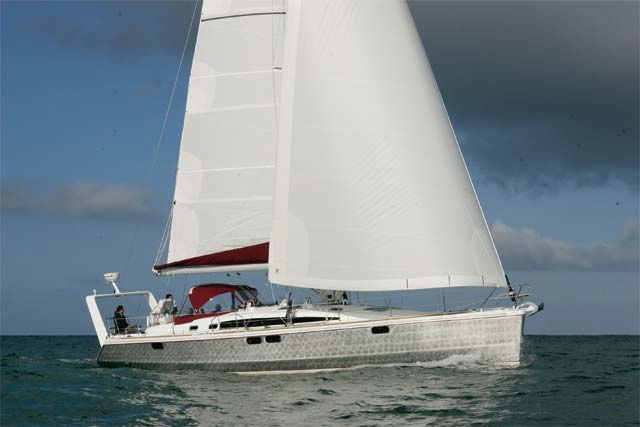
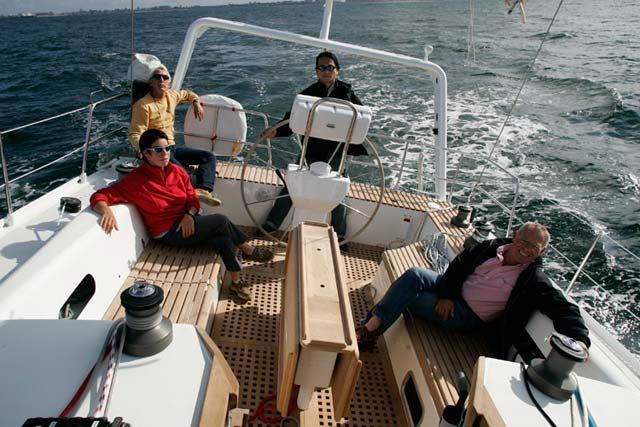

Images have been gathered from various sources and belong to their respective owners.
Review - Alubat Ovni 495

MarineBroker
02/21/2024, 4:45 AM
2013 Alubat Ovni 495: What to Check Before Buying and How to Avoid Costly Surprises
If you’re looking at a 2013 Alubat Ovni 495, you’re probably already aware that this isn’t just any cruising sailboat. It’s a serious bluewater yacht with a strong reputation for aluminum construction, offshore capability, and long-range comfort. But like any high-end used boat, the real challenge isn’t just admiring the design — it’s figuring out whether the specific boat in front of you is actually worth the money.
That’s where many buyers get stuck. A boat like the Ovni 495 can look fantastic on paper, yet still hide expensive issues beneath the surface. Older systems, neglected maintenance, osmotic misconceptions, rigging wear, electrical quirks, or past repairs can quickly turn a dream purchase into a stressful project. The good news is that most of these risks can be managed if you know what to inspect and what questions to ask.
In this article, we’ll walk through the most important things to check on a 2013 Alubat Ovni 495, the common problem areas buyers should watch for, and the practical steps that can help you make a smarter decision with confidence.
- Why the 2013 Alubat Ovni 495 still attracts serious cruisers
The Ovni 495 has a strong following for a reason. Built by Alubat in aluminum, it’s designed for sailors who want a yacht that can handle shallow waters, offshore passages, and demanding conditions without losing its cruising comfort.
For many buyers, the appeal comes down to a few key strengths:
- Aluminum hull and structure for durability
- Centerboard design for flexible draft
- Offshore-capable layout
- Practical cruising features
- Reputation for long-distance sailing
That said, a used cruiser is always a story of how it was maintained, not just how it was built. A well-kept 2013 model can be an excellent platform for extended cruising, but a neglected one may require significant investment before it’s truly ready.
- The main problem buyers face with a used 2013 Alubat Ovni 495
The biggest issue is uncertainty.
When people search for a 2013 Alubat Ovni 495, they’re usually trying to answer questions like:
- Has the boat been maintained properly?
- Are there hidden corrosion or structural concerns?
- Is the rig and sail plan still in good condition?
- Have the systems been updated or are they aging out?
- What will I need to spend after purchase?
This is especially important on a boat that may have crossed oceans or spent years in different climates. Salt, UV exposure, mechanical wear, and deferred maintenance can create problems that are not obvious during a casual viewing.
The solution is not to assume the boat is risky. It’s to inspect the right areas carefully and evaluate the vessel as a complete system.
- Why aluminum boats need a different inspection mindset
The Ovni 495’s aluminum construction is one of its biggest advantages, but it also changes what you should look for.
Unlike fiberglass boats, aluminum yachts require attention to:
- Corrosion at dissimilar metal contact points
- Paint and coating condition
- Signs of previous repairs or welding
- Fastener compatibility
- Electrical bonding and grounding setup
Aluminum is incredibly strong and well suited to offshore cruising, but it is not immune to problems. Poorly isolated stainless fittings, damaged coatings, or electrical faults can lead to corrosion issues over time.
A smart buyer doesn’t just ask, “Is the hull sound?” The better question is, “How has the entire aluminum structure been protected and maintained?”
- What to inspect on a 2013 Alubat Ovni 495
Here’s where to focus your attention before making an offer.
- Hull and deck condition
Start with the obvious, then go deeper.
Look for:
- Dents, deformation, or impact marks
- Paint blistering or coating damage
- Signs of corrosion around fittings
- Previous repairs, especially if they are uneven or poorly finished
- Water ingress around hatches, windows, and deck hardware
On an aluminum boat, surface condition matters because it can reveal how the vessel has been treated. A few cosmetic issues are not necessarily a deal-breaker, but widespread coating failure or corrosion around fittings deserves a closer look.
- Keel, centerboard, and lifting system
The Ovni 495 is known for its centerboard setup, which is a major advantage for shallow-water cruising. But it also means there are more moving parts to inspect.
Check:
- Centerboard pivot and lifting mechanism
- Signs of wear in the board trunk
- Cable, hydraulic, or mechanical lifting components
- Any unusual play, noise, or stiffness
- Corrosion or damage around the board assembly
If the centerboard system is neglected, repairs can become expensive and time-consuming. During a sea trial, test the system if possible and make sure it operates smoothly.
- Rigging and mast condition
Standing rigging is one of the most important safety items on any cruising yacht.
For a 2013 boat, ask:
- When was the standing rigging last replaced?
- Are the chainplates in good condition?
- Is there any corrosion at terminals or tangs?
- Has the mast been inspected for cracks, bends, or corrosion?
- Are the spreaders and fittings secure?
If the rigging age is unknown, assume it may be due for replacement. That can be a major cost, but it’s far better to know before you buy.
- Sails and running rigging
Even a great boat sails poorly with tired sails.
Look at:
- Main sail shape and UV damage
- Genoa or headsail wear
- Stitching condition
- Blocks, sheets, halyards, and winches
- Reefing systems and furlers
A cruising boat that has spent years offshore may have sails that are technically usable but no longer efficient. That affects performance and comfort, especially on longer passages.
- Engine and propulsion
The engine is often where buyers either gain confidence or find trouble fast.
Check:
- Engine hours and service history
- Oil and coolant condition
- Belts, hoses, filters, and mounts
- Shaft, propeller, and cutless bearing condition
- Signs of leaks or vibration
- Cooling system performance
A clean engine room is a good sign, but paperwork matters more than polish. Regular servicing, documented changes, and evidence of preventive maintenance are what you want to see.
- Electrical and battery systems
Many used cruising boats have electrical systems that have evolved over time, often with additions from multiple owners.
Inspect:
- House and starter batteries
- Battery age and charging setup
- Shore power system
- Solar or wind charging installations
- Wiring organization and labeling
- Signs of amateur modifications or corrosion
Electrical issues are one of the most common hidden problems on used yachts. Poor wiring can cause anything from nuisance failures to serious safety concerns.
- Plumbing, tanks, and onboard systems
Cruising comfort depends heavily on the systems you don’t always notice right away.
Check:
- Freshwater tanks and pumps
- Watermaker, if installed
- Heads and sanitation hoses
- Bilge pumps and drainage
- Fuel tanks and fuel quality
- Galley appliances and refrigeration
A boat can look excellent but still have aging hoses, failing pumps, or contaminated tanks. These aren’t glamorous repairs, but they affect daily use more than many buyers expect.
- Interior layout and liveaboard practicality
The 2013 Alubat Ovni 495 is designed with serious cruising in mind, so interior condition matters just as much as mechanical condition.
Look at:
- Signs of leaks or moisture
- Cabinet hinges and joinery
- Cushions and upholstery wear
- Ventilation and airflow
- Storage accessibility
- Evidence of mold or mildew
A boat intended for offshore life should be easy to keep dry, organized, and functional. If the interior feels damp or poorly ventilated, that can lead to ongoing maintenance headaches.
- Common hidden issues on a used Ovni 495
Even well-built boats can develop predictable problems over time. For the 2013 Alubat Ovni 495, the most common hidden issues often include:
- Aging rigging or sail inventory
- Corrosion around fittings or attachments
- Electrical system modifications done without proper standards
- Centerboard mechanism wear
- Leaks around deck penetrations
- Deferred engine maintenance
- Worn seacocks, hoses, or pumps
None of these automatically make the boat a bad buy. The key is understanding the repair cost and whether the seller has already addressed them.
- How to evaluate whether the asking price is fair
A used yacht’s value is not just about the make and model. It’s about condition, equipment, maintenance, and market timing.
To judge the price fairly, compare:
- Recent survey findings, if available
- Age of rigging and sails
- Engine service records
- Electronics package
- Upgrades such as solar, batteries, or navigation gear
- Cosmetic and structural condition
- Overall readiness for cruising
A well-equipped, carefully maintained Ovni 495 may justify a higher price than a similar boat with tired systems. On the other hand, an unmaintained example can become expensive quickly, even if the purchase price seems attractive.
- The best solution: use a structured buying process
If you want to avoid surprises, the solution is simple: inspect the boat in layers.
Here’s a practical approach:
1. Start with a visual walkthrough
Look for obvious signs of neglect, leaks, corrosion, or damage.
2. Review maintenance records
Ask for invoices, service logs, rigging dates, and upgrade history.
3. Sea trial the boat
Test engine performance, steering, sail handling, and centerboard operation.
4. Hire a qualified surveyor
Choose someone experienced with aluminum yachts and offshore cruisers.
5. Budget for post-purchase work
Even a good boat usually needs some updates after purchase.
This process helps you separate cosmetic appeal from real condition.
- Questions to ask the seller
A few direct questions can tell you a lot about the boat’s history.
Ask:
- How often has the boat been used offshore?
- When were the rigging and sails last replaced?
- Has the centerboard system been serviced?
- Are there any known corrosion issues?
- What major repairs have been done in the last five years?
- Is all documentation available?
A seller who can answer clearly and provide records is usually a better sign than one who gives vague explanations.
- Why a survey matters even more on this model
A professional survey is not optional on a boat like this. It’s one of the best ways to avoid expensive mistakes.
A survey can help identify:
- Structural concerns
- Hidden moisture or leaks
- Corrosion around fittings
- Mechanical wear
- Safety issues in electrical or fuel systems
- Evidence of past damage or poor repairs
For an aluminum offshore cruiser, it’s worth finding a surveyor who knows this type of construction. Generic advice is not enough when the boat has specialized systems and materials.
- How the 2013 Alubat Ovni 495 fits different types of buyers
This model is a strong match for sailors who want:
- Bluewater capability
- Shallow draft flexibility
- A durable metal hull
- A practical liveaboard platform
- Long-term cruising potential
It may be less ideal for buyers who want a low-maintenance weekend sailboat or a boat that can be evaluated mostly by appearance. The Ovni 495 rewards informed ownership. If you understand the systems and maintain them properly, it can be a fantastic cruising partner.
- Smart buying checklist for peace of mind
Before you commit, make sure you can answer these questions confidently:
- Is the hull and structure sound?
- Is the centerboard system working properly?
- Is the rigging current or budgeted for replacement?
- Are the engine and propulsion system well maintained?
- Are electrical systems safe and organized?
- Is there evidence of regular upkeep?
- Have you budgeted for immediate repairs after purchase?
If several of these answers are unclear, pause and investigate further.
- Final thoughts on buying a 2013 Alubat Ovni 495
The 2013 Alubat Ovni 495 is a compelling choice for sailors who want a strong, capable, and proven cruising yacht. But the real value of the boat depends on condition, maintenance history, and how well its systems have been cared for over time.
The smartest way to avoid problems is to inspect carefully, ask detailed questions, and bring in an experienced surveyor before you buy. That approach won’t just protect your budget — it will help you choose a boat that’s ready for the kind of sailing you actually want to do. If you’re serious about this model, take the time to evaluate it properly and use the process as a filter for quality. A well-found Ovni 495 can be a very rewarding boat for years to come.
Specifications
General
Boat Type: Sail Boats
Class Type: Cruiser
Specifications
Length: 49.05
Beam: 14.73
Draft: 9.22
Hull Material: Aluminium
Build
First Built: 2013
Propulsion
Fuel Type: Diesel
Engines: 1
Power: 0 HP
Brand: Unknown
Accomodation
PROS & CONS
What we appreciated
 High-quality aluminum hull providing excellent durability and corrosion resistanceExceptional stability and safety in rough seasLightweight design enhances performance and fuel efficiencySpacious and comfortable interior for a boat of its sizeLow maintenance compared to fiberglass boats
What we didn’t appreciate
 Limited interior space compared to larger cruising sailboatsAluminum hull can be noisier in choppy conditionsHigher initial cost due to specialized constructionLess resale market compared to more common fiberglass modelsPotential for galvanic corrosion if not properly maintained
Upkeep Costs
Insurance: $800 - $1,200 per year
Docking/Marina Fees: $1,000 - $3,000 per year
Maintenance and Repairs: $1,000 - $2,000 per year
Winter Storage: $500 - $1,500 per year
Fuel and Engine Running Costs: $300 - $700 per year
Rating
7.7
User
Score
Score
Driveability
Technology
Interior
Design
Similar Boats


MarineBroker
Download now for an immersive boat experience like never before! ⛵✨ Your journey begins with a simple click. 🌊📲
#SetSailSmart #DownloadNow
#SetSailSmart #DownloadNow

Subscribe
Copyright 2017 - 2026, Marinebroker.net, All Rights Reserved