2013 Bavaria 40 S Cruiser: What Buyers and Owners Should Know Before You Sail
If you’re looking at a 2013 Bavaria 40 S Cruiser, chances are you’re trying to answer a pretty practical question: is this boat still a smart choice to...
Discover
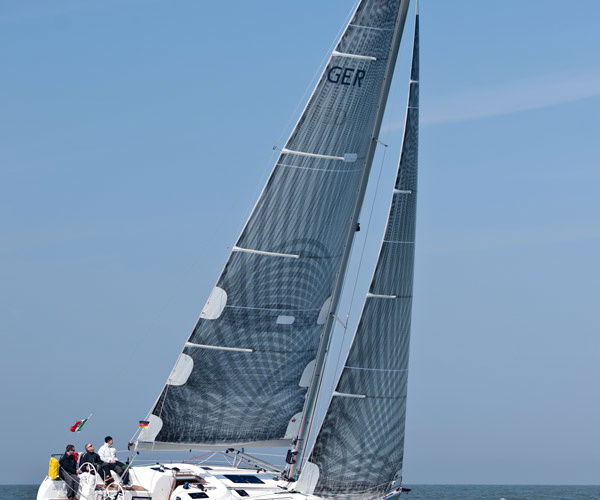

Images have been gathered from various sources and belong to their respective owners.
Review - Bavaria 40 S Cruiser

MarineBroker
09/14/2024, 8:08 AM
2013 Bavaria 40 S Cruiser: What Buyers and Owners Should Know Before You Sail
If you’re looking at a 2013 Bavaria 40 S Cruiser, chances are you’re trying to answer a pretty practical question: is this boat still a smart choice today? That’s a fair concern. A cruising sailboat of this age can be a fantastic value, but only if you know what to look for before you commit.
The 2013 Bavaria 40 S Cruiser has a strong reputation for comfortable cruising, responsive handling, and a layout that works well for couples, families, and small crews. But like any used yacht, the real story is in the details. Condition, maintenance history, rigging, sails, engine care, and onboard systems all matter just as much as the model name on the hull.
That’s where many buyers get stuck. They see a well-known cruiser, but they’re unsure how to judge whether one specific boat is a good one. The good news is that with the right checklist and a little know-how, you can separate a solid cruiser from a future headache. Let’s break it down in a simple, practical way.
- Why the 2013 Bavaria 40 S Cruiser Still Gets Attention
The Bavaria 40 S Cruiser sits in a sweet spot for many sailors. It’s big enough to feel comfortable on longer trips, but not so large that it becomes difficult to handle or expensive to maintain compared with bigger yachts.
For many buyers, that balance is the appeal.
A few reasons this model remains popular:
- It offers a roomy interior for its length.
- It’s designed for easy shorthanded sailing.
- The cockpit layout is generally family-friendly.
- It has the kind of performance-cruiser feel that appeals to sailors who want more than just a floating apartment.
The “S” version is especially interesting because it leans a little more toward performance and sharper handling. That makes it attractive to owners who enjoy sailing the boat, not just living aboard it.
Still, popularity alone doesn’t guarantee a good purchase. The real question is whether the individual boat has been cared for properly.
- The Main Problem: Buying a Used Cruiser Without Knowing Its True Condition
When people search for the 2013 Bavaria 40 S Cruiser, they’re often dealing with the same concern: “How do I know if this boat is actually worth it?”
That’s the core problem.
A used sailboat can look great in photos and still hide expensive issues. Cosmetic upgrades may distract from worn rigging, tired sails, moisture intrusion, electrical problems, or engine neglect. And because cruising boats often spend time in saltwater, small maintenance gaps can become big repair bills.
Common buyer worries include:
- Hidden structural or deck-core issues
- Aging standing rigging
- Worn sails that reduce performance
- Engine and drivetrain wear
- Electrical systems that have been modified poorly
- Water leaks around hatches, ports, or deck fittings
- Poor service records or missing documentation
The challenge is that many of these problems aren’t obvious during a casual walk-through. That’s why the smartest approach is not just asking, “Do I like this boat?” but also, “Has this boat been maintained in a way that supports safe, enjoyable cruising?”
- What Makes the 2013 Bavaria 40 S Cruiser a Practical Cruiser
Before we get into inspection tips, it helps to understand why people are drawn to this model in the first place. The 2013 Bavaria 40 S Cruiser was built to offer a good mix of comfort and sailing ability.
Typical strengths buyers appreciate:
- Comfortable cockpit space for entertaining and watchkeeping
- A layout that works for family cruising
- Good visibility from the helm
- Manageable sail plan for a boat of this size
- Enough interior volume for weekend trips or extended cruising
For many sailors, this is the kind of boat that makes cruising feel easy rather than complicated. It’s not trying to be a racing machine, but it also isn’t sluggish. That middle ground is often exactly what owners want.
If you’re comparing boats in this range, the Bavaria often stands out because it gives a lot of usable space without feeling overly heavy or cumbersome.
- How to Judge Whether a 2013 Bavaria 40 S Cruiser Is a Good Buy
The best way to solve the used-boat uncertainty problem is to inspect the boat in layers. Start with the big-ticket items first, then move into the details.
Here’s the order that usually makes the most sense:
1. Hull and deck condition
2. Rigging and sails
3. Engine and propulsion
4. Electrical and plumbing systems
5. Interior condition and signs of water intrusion
6. Maintenance records and ownership history
That sequence helps you avoid getting distracted by shiny cushions or upgraded electronics before you’ve checked the things that actually affect safety and cost.
- Hull and Deck: Look for More Than Just a Clean Finish
The hull and deck tell you a lot about how a boat has been treated. On a 2013 Bavaria 40 S Cruiser, you want to look carefully at any signs of impact, repairs, or moisture problems.
Pay attention to:
- Stress cracks around fittings and chainplates
- Soft spots on the deck
- Discoloration or bubbling in gelcoat
- Signs of osmosis or blistering below the waterline
- Evidence of repairs near the bow, keel, or stern
Deck hardware is another area where problems can hide. Leaks around stanchions, winches, cleats, and hatches can lead to water intrusion over time. Even if the interior looks dry, moisture can be trapped in core materials.
A simple trick is to ask whether the boat has had any recent rebedding of deck fittings. If the answer is no and the boat has seen regular use, that doesn’t automatically mean trouble, but it does mean you should inspect more carefully.
- Rigging and Sails: The Costly Stuff Buyers Often Underestimate
Standing rigging is one of the most important items on any cruising sailboat, and it’s also one of the easiest to overlook. If you’re looking at a 2013 Bavaria 40 S Cruiser, the rigging may be due for serious attention depending on how much the boat has been sailed and whether it has been replaced.
Things to check:
- Age of standing rigging
- Condition of turnbuckles and terminals
- Corrosion or rust at fittings
- Evidence of mast movement or tuning issues
- Condition of halyards and running rigging
Sails matter just as much. A boat can look ready to go, but tired sails can make it feel slow, unbalanced, and frustrating to handle.
Watch for:
- Leech flutter
- UV damage on the luff or foot
- Chafe at reef points
- Loss of shape in the mainsail or genoa
- Repairs that suggest heavy use
If the sails are original or near-original, factor replacement into your budget. For many buyers, this is one of the biggest hidden expenses after purchase.
- Engine and Mechanical Systems: Don’t Let “It Starts Fine” Fool You
The engine on a cruising sailboat is often the difference between a relaxing day and a stressful one. On a 2013 Bavaria 40 S Cruiser, the engine should be checked with the same seriousness you’d give the rig.
Ask about:
- Service intervals
- Oil and filter changes
- Impeller replacement
- Cooling system maintenance
- Belt condition
- Transmission performance
- Fuel system cleanliness
During a sea trial, pay attention to:
- Easy starting from cold
- Smooth idle
- Proper charging output
- Exhaust smoke
- Cooling water flow
- Vibration or unusual noise
A boat that “runs fine” at the dock may still have issues under load. If possible, operate it long enough to see how it behaves at cruising RPM.
Also check the propeller and shaft or saildrive arrangement, depending on the configuration. Propulsion issues can become expensive quickly if they’ve been ignored.
- Electrical and Electronics: A Common Weak Spot on Used Cruisers
Used boats often accumulate electrical changes over time. Previous owners may have added solar, chartplotters, inverters, batteries, or charging systems. That’s not a problem by itself, but messy wiring can become a headache.
On a 2013 Bavaria 40 S Cruiser, inspect:
- Battery age and type
- Charging system performance
- Shore power condition
- Corrosion in terminals and breakers
- Quality of any aftermarket wiring
- Function of lights, pumps, and navigation electronics
A neat, labeled electrical panel is a good sign. A tangle of unlabeled wires and random splices is not.
If the boat has upgraded electronics, ask who installed them and whether the installation was documented. A professional installation usually saves future troubleshooting time.
- Interior Condition: What the Cabin Can Tell You
The interior of a sailboat can be misleading. Fresh upholstery and polished wood may look inviting, but they don’t reveal everything.
What to check inside the 2013 Bavaria 40 S Cruiser:
- Musty odors, which can indicate hidden moisture
- Water stains around hatches and ports
- Soft sole panels or discoloration
- Condition of head compartments and plumbing
- Signs of mildew in lockers
- Cabinet alignment, which can hint at structural movement
The goal is not to find perfection. Used boats age. What matters is whether the aging looks normal or careless.
A well-maintained interior often reflects a well-maintained boat overall. But don’t assume that a tidy cabin means the systems below are equally healthy.
- Maintenance Records: The Best Shortcut to Confidence
If you want one simple way to reduce risk, ask for records.
A 2013 Bavaria 40 S Cruiser with clear maintenance history is usually a much better bet than one with vague answers and missing paperwork.
Look for documentation of:
- Annual engine service
- Rigging replacement or inspection
- Sail repairs or replacement
- Antifouling and haul-out records
- Battery replacement
- Pump and plumbing work
- Survey reports from prior sales or insurance renewals
Records don’t just prove maintenance happened. They also show whether the owner understood the boat and stayed ahead of problems.
If the seller can’t provide records, that doesn’t automatically eliminate the boat. But it does mean you should be more conservative with your offer and more careful with the survey.
- Sea Trial Tips for the 2013 Bavaria 40 S Cruiser
A sea trial is where the boat stops being a listing and starts being a real machine. If you’re serious about a 2013 Bavaria 40 S Cruiser, don’t skip this step.
During the trial, check:
- How the boat accelerates under sail
- Whether the helm feels balanced
- How easily it tacks and gybes
- Reefing behavior if possible
- Engine response in forward and reverse
- Steering feel at different speeds
- Any rattles, vibrations, or odd noises
If the boat is easy to handle and feels predictable, that’s a strong sign. If it feels sloppy, underpowered, or overly noisy, investigate further.
A good sea trial often reveals the difference between a boat that has been lightly used and one that has been truly cared for.
- Common Buyer Mistakes to Avoid
A lot of used-boat regret comes from the same few mistakes. If you avoid these, you’ll already be ahead of most buyers.
Common mistakes include:
- Focusing too much on cosmetics
- Skipping a professional survey
- Ignoring rigging age
- Underestimating sail replacement costs
- Not testing all systems underway
- Assuming upgrades were done professionally
- Buying before checking service records
It’s easy to fall in love with layout, brand reputation, or a good-looking listing. But the smartest buyers slow down and verify the basics.
Think of it this way: a boat is not just a purchase, it’s a maintenance relationship.
- How the 2013 Bavaria 40 S Cruiser Fits Different Types of Sailors
This boat works well for several kinds of owners, which is part of its appeal.
It may be a good fit if you are:
- A couple wanting a manageable cruiser with decent comfort
- A family looking for a practical coastal cruising boat
- A sailor who wants a performance edge without going full racer
- An owner planning weekend trips and longer summer cruises
- Someone moving up from a smaller yacht and wanting more space
It may be less ideal if you want:
- A very simple, low-maintenance boat with minimal systems
- A pure bluewater expedition platform
- A boat that requires no upgrades or ongoing budgeting
That last point is important. Even a well-kept 2013 Bavaria 40 S Cruiser will still need regular care. The question is whether that care is manageable and worth it for your sailing style.
- Budgeting Beyond the Purchase Price
One of the biggest surprises for new buyers is how quickly “affordable” turns into “expensive” after closing. The purchase price is only part of the real cost.
Plan for:
- Survey and haul-out fees
- Insurance
- Registration and taxes
- Bottom paint and commissioning
- Sail or rigging replacement
- Battery or electronics upgrades
- Unexpected repairs discovered after purchase
A smart buyer leaves room in the budget for immediate fixes. That way, the boat can be made reliable instead of just looking good on paper.
For a used cruiser like the 2013 Bavaria 40 S Cruiser, this is especially important because even a solid boat may need a few updates to match your standards.
- Practical Buying Strategy: A Simple Checklist
If you’re evaluating a 2013 Bavaria 40 S Cruiser, use this simple process:
- Review maintenance records first
- Inspect hull, deck, and fittings
- Check rigging age and sail condition
- Test engine and propulsion systems
- Verify electrical system quality
- Look for signs of leaks or moisture
- Arrange a survey and sea trial
- Budget for immediate post-purchase work
This approach keeps emotions in check and helps you make a decision based on facts.
A boat that passes these steps is usually a much safer and more satisfying ownership experience.
- Why This Model Can Be a Smart Choice When Properly Maintained
The 2013 Bavaria 40 S Cruiser has enough going for it to remain a compelling used-boat option. It offers a comfortable layout, practical sailing characteristics, and the kind of size that works for real cruising without becoming overwhelming.
The key is not whether the model is good in theory. It’s whether the specific boat in front of you has been maintained well enough to deliver the experience you want.
When that’s true, you get a cruiser that can offer:
- Comfortable weekends aboard
- Confident coastal passages
- Easy handling for small crews
- A good balance of performance and livability
That combination is why this model still gets attention from serious buyers.
- Conclusion
The 2013 Bavaria 40 S Cruiser can be a very appealing used sailboat, especially for buyers who want a comfortable cruiser with decent performance and manageable handling. But like any pre-owned yacht, the real value depends on condition, maintenance, and how honestly the boat has been cared for over time.
If you focus on the important stuff first—rigging, sails, engine, electrical systems, and evidence of water intrusion—you’ll be in a much better position to make a smart decision. Add a proper survey and sea trial, and you’ll reduce the risk of expensive surprises.
In the end, the best purchase is not just the boat that looks good today. It’s the one that will still feel right after the first season of real sailing. If you’re considering this model, take your time, ask detailed questions, and use the checklist above to guide the process.
Specifications
General
Boat Type: Sail Boats
Class Type: Cruiser
Specifications
Length: 40.52
Beam: 12.99
Draft: 7.55
Hull Material: GRP
Build
First Built: 2013
Propulsion
Fuel Type: Diesel
Engines: 1
Power: 40 HP
Brand: Volvo Penta
Accomodation
Berths: 6
Cabins: 3
PROS & CONS
What we appreciated
 Spacious and well-designed interior with comfortable living areasGood sailing performance for a cruiser of its sizeModern and stylish exterior designReliable and efficient engine optionsAmple storage space and practical layout for extended cruising
What we didn’t appreciate
 Relatively heavy, which may affect light wind performanceSome reports of limited headroom in certain cabinsHigher maintenance costs compared to smaller boatsNot as agile or quick as dedicated racing sailboatsElectronics and onboard systems may be outdated without upgrades
Upkeep Costs
Annual insurance: $1,000 - $2,000
Docking/Marina fees: $2,000 - $5,000 per year
Maintenance and repairs: $2,000 - $4,000 per year
Fuel costs: $1,000 - $3,000 per year (depending on usage)
Winter storage and commissioning: $1,000 - $2,000 per year

Rating
7.4
User
Score
Score
Driveability
Technology
Interior
Design
Similar Boats


MarineBroker
Download now for an immersive boat experience like never before! ⛵✨ Your journey begins with a simple click. 🌊📲
#SetSailSmart #DownloadNow
#SetSailSmart #DownloadNow

Subscribe
Copyright 2017 - 2026, Marinebroker.net, All Rights Reserved