Boat Database » Alloy Yachts Janice of Wyoming
Alloy Yachts Janice of Wyoming
Inboard Direct-Drive, Diesel, 1x 600 HP
Sail Boats 2005 Alloy Yachts Janice of Wyoming: What Buyers and Enthusiasts Should Know Before Getting Serious
If you’ve been searching for information on the 2005 Alloy Yachts Janice of Wyoming, you’re probably doing more than just browsin...
Discover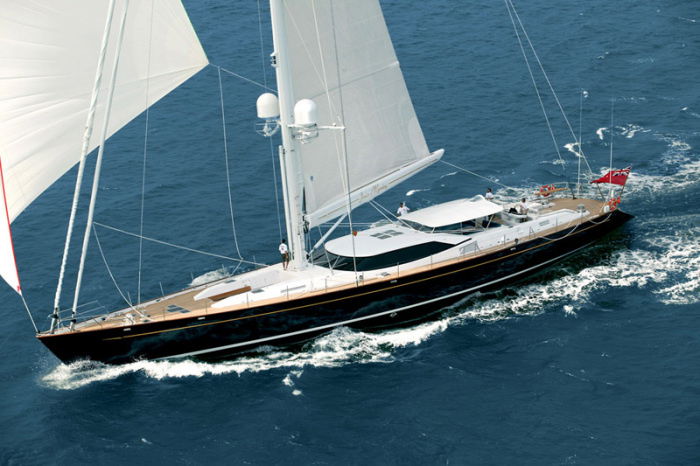
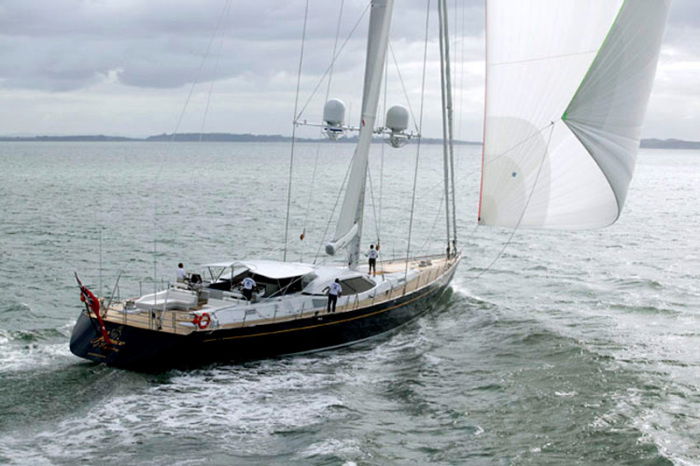
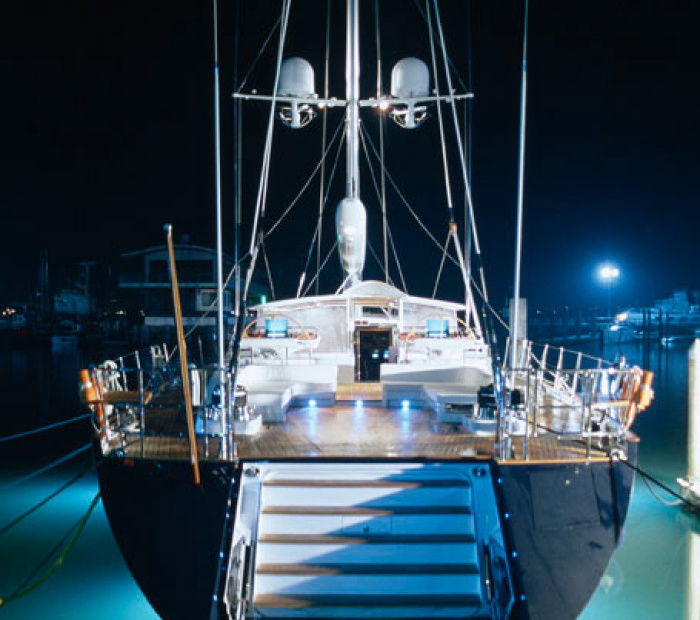

Images have been gathered from various sources and belong to their respective owners.
Review - Alloy Yachts Janice of Wyoming

MarineBroker
02/18/2024, 5:57 AM
2005 Alloy Yachts Janice of Wyoming: What Buyers and Enthusiasts Should Know Before Getting Serious
If you’ve been searching for information on the 2005 Alloy Yachts Janice of Wyoming, you’re probably doing more than just browsing pretty yacht photos. Most people looking at a yacht like this are trying to answer a bigger question: *Is this the right boat for real cruising, real ownership, and real long-term value?* That’s a smart question to ask, because a yacht in this class is not just about looks or pedigree. It’s about how well it performs, how it’s maintained, and whether it fits the way you actually want to use it.
The challenge is that yachts like the 2005 Alloy Yachts Janice of Wyoming often come with a mix of excitement and uncertainty. The design reputation may be excellent, but buyers still need to understand refit history, survey results, systems condition, and operating costs before making any decisions. That’s where a practical approach helps. Instead of focusing only on the name, it’s better to look at the boat as a complete package: construction, sailing performance, comfort, upkeep, and future value. In this article, we’ll break down what matters most and how to evaluate a yacht like this with confidence.
- Why the 2005 Alloy Yachts Janice of Wyoming stands out
Alloy Yachts has long been associated with high-end custom and semi-custom sailing yachts. That matters because boats from this yard are usually built with a strong emphasis on engineering, finish quality, and offshore capability.
For someone researching the 2005 Alloy Yachts Janice of Wyoming, the first thing to understand is that reputation alone is not enough. A yacht of this caliber may have been built to a very high standard, but time, usage, and maintenance can change the picture dramatically.
What typically draws people to a yacht like this is a combination of:
- Elegant design and strong sailing performance
- Aluminum construction, which is prized for strength and durability
- Offshore cruising potential
- A level of craftsmanship that still holds appeal years later
- The possibility of owning a yacht with serious pedigree at a more accessible price than a newer equivalent
That said, the real value of a yacht like this depends on condition, refit history, and how well the systems have been cared for. Two boats from the same builder and year can feel completely different after 20 years.
- The main problem buyers face with yachts like this
The biggest issue for interested buyers is not usually deciding whether the yacht is beautiful. It’s figuring out whether the beauty is backed by reliable systems and manageable ownership costs.
With a yacht from 2005, common concerns include:
- Aging electrical and plumbing systems
- Wear on rigging, sails, and deck hardware
- Hidden corrosion or fatigue issues
- Outdated navigation or onboard electronics
- Interior wear that affects comfort and resale value
- Unclear service records or incomplete refit documentation
This is especially important with performance cruisers and custom yachts. They can be exceptional boats, but they also tend to require more informed ownership than a mass-production cruiser.
So the real problem is simple: how do you tell whether the 2005 Alloy Yachts Janice of Wyoming is a smart purchase or a maintenance headache in disguise?
- Start with the boat’s build quality and design philosophy
One reason Alloy Yachts has such a strong following is that the yard is known for building yachts that are designed to sail well and last. In practical terms, that usually means a strong hull structure, thoughtful layout, and attention to offshore use.
For a yacht like the 2005 Alloy Yachts Janice of Wyoming, the construction material is a major advantage. Aluminum hulls are often chosen for their strength-to-weight ratio and durability, especially on larger sailing yachts. They can handle demanding conditions well, but they do require proper maintenance to avoid corrosion issues.
When reviewing a yacht of this type, pay attention to:
- Hull and deck condition
- Signs of corrosion around fittings, welds, and dissimilar metals
- Quality of paint and protective coatings
- Structural integrity in high-load areas
- Any evidence of past grounding or impact damage
A solid build is a great starting point, but it doesn’t eliminate the need for a thorough inspection. In fact, high-end yachts often reward careful buyers because the underlying structure is strong enough to justify investment if the rest of the boat checks out.
- Why maintenance history matters more than age alone
A 2005 yacht can be in excellent condition if it has been consistently maintained and upgraded. On the other hand, a much newer boat with poor service records can be a problem.
That’s why maintenance history is one of the most important parts of evaluating the 2005 Alloy Yachts Janice of Wyoming. You want to see evidence of regular care, not just occasional cosmetic work.
Look for records showing:
1. Annual engine and generator servicing
2. Rigging inspections and replacements
3. Sail inventory updates
4. Electrical system upgrades
5. A/C, refrigeration, and plumbing maintenance
6. Paint and varnish upkeep
7. Safety equipment replacement and certification
A complete service log tells you the owner understood the boat’s needs. That usually means fewer surprises later.
If records are missing, that doesn’t automatically mean the yacht is a bad option. But it does mean you should budget more carefully and expect a deeper survey before moving forward.
- What to inspect before buying or chartering
Whether you’re considering purchase, brokerage evaluation, or simply researching the yacht, a detailed inspection is the best way to reduce risk.
For the 2005 Alloy Yachts Janice of Wyoming, focus on the systems that tend to age fastest on premium sailing yachts:
- Rigging and spars
- Winches and deck hardware
- Standing and running rigging condition
- Engine hours and service records
- Generator performance
- Battery banks and charging systems
- Electronics and navigation suite
- Watermakers and pumps
- HVAC and refrigeration
- Interior joinery and moisture intrusion points
A good marine surveyor will help identify issues that may not be obvious to the eye. For example, a yacht may look immaculate on deck but have outdated wiring behind the panels or hidden moisture around chainplates and windows.
If you’re serious about a boat like this, don’t skip:
- A full pre-purchase survey
- A haul-out inspection
- Engine and mechanical testing
- Rig inspection by a qualified rigger
- Moisture readings where appropriate
- Sea trial under realistic conditions
These steps are not just box-checking. They’re how you turn guesswork into a real decision.
- The role of refits and upgrades in long-term value
One of the best things about a yacht like the 2005 Alloy Yachts Janice of Wyoming is that it may have already benefited from refits or modernization. On older luxury yachts, smart upgrades can make a huge difference in both usability and value.
Common refit areas include:
- New sails or sail repair
- Modern navigation electronics
- Updated battery systems, including lithium conversions in some cases
- New upholstery and soft goods
- LED lighting upgrades
- Reworked galley appliances
- Repainted topsides or refreshed varnish
- Overhauled mechanical systems
A well-executed refit can make an older yacht feel remarkably current. But quality matters. A rushed or cosmetic-only refit can hide deeper issues instead of solving them.
When reviewing refit work, ask:
- Who completed the work?
- Were OEM or high-quality marine parts used?
- Is there documentation and invoice history?
- Was the work preventive or just cosmetic?
- Were major systems brought up to modern standards?
A smart refit is often what separates an enjoyable ownership experience from a frustrating one.
- Comfort, layout, and liveaboard practicality
A lot of people researching the 2005 Alloy Yachts Janice of Wyoming are not just interested in sailing performance. They want to know whether the yacht is actually comfortable to spend time on.
That’s a fair question, because comfort on a yacht is about more than cushions and finishes. It includes space planning, noise levels, ventilation, and how easy the boat is to live with underway and at anchor.
Things that improve day-to-day usability include:
- A practical galley layout
- Good natural light and ventilation
- Private cabins with usable storage
- Easy access to engine rooms and service areas
- Stable motion under sail
- Quiet systems when at anchor
- Well-placed deck hardware for efficient handling
On a yacht of this class, you’re often balancing performance and luxury. The best designs manage to do both without feeling overly compromised. That’s one reason many owners are drawn to Alloy Yachts-built vessels in the first place.
If you’re considering extended cruising, think about your actual routine:
- How many people will sleep aboard?
- Will you be doing passagemaking or mostly coastal sailing?
- Do you want to host guests often?
- How important is crew accommodation?
- Will you be maintaining the boat yourself or hiring help?
These questions make the difference between a yacht that looks impressive and one that genuinely fits your life.
- Operating costs: the part many people underestimate
One of the most common mistakes buyers make is focusing on purchase price while underestimating the annual cost of ownership.
With a yacht like the 2005 Alloy Yachts Janice of Wyoming, ongoing expenses may include:
- Dockage or marina fees
- Insurance
- Bottom maintenance
- Engine and generator service
- Sail and rigging replacement reserves
- Electronics upgrades
- Winterization or layup costs
- Crew or maintenance labor
- Cleaning, detailing, and cosmetic upkeep
Even if the yacht is a great value on paper, the annual running costs can be significant. That’s not unusual for a large premium sailing yacht. The key is to plan for them before you buy.
A simple rule of thumb: if you can afford the purchase, you should still budget enough to keep the boat in top condition without stress. That’s especially true for aluminum yachts, where preventative maintenance protects both performance and value.
- How to judge whether the yacht is a good value
Value in the yacht world is not just about asking price. It’s about what you get for the money over time.
The 2005 Alloy Yachts Janice of Wyoming may represent strong value if:
- The hull and structure are sound
- The rig and mechanical systems are well maintained
- Major refits have already been completed
- The interior remains in good condition
- Documentation is complete and transparent
- The boat has been kept in a professional standard of care
It may be a weaker value if:
- The boat has had long periods of neglect
- Major systems are nearing replacement
- The refit history is unclear
- Corrosion or moisture issues are present
- The asking price doesn’t reflect upcoming work
In other words, a higher-quality older yacht can be a better value than a cheaper boat that needs major rebuilding. The goal is not to buy the lowest-priced option. It’s to buy the best-maintained yacht that fits your needs and budget.
- Practical steps for interested buyers
If you’re seriously considering the 2005 Alloy Yachts Janice of Wyoming, here’s a good process to follow:
1. Review the listing and available documentation carefully
2. Ask for maintenance logs, refit details, and equipment lists
3. Confirm engine hours and service intervals
4. Hire an experienced marine surveyor
5. Arrange a haul-out and sea trial
6. Estimate near-term upgrade costs
7. Compare the yacht against similar models and years
8. Decide based on condition, not just reputation
This approach helps you avoid emotional decisions. It also gives you a clearer picture of what ownership will really look like.
- Why this yacht still attracts attention
A yacht like the 2005 Alloy Yachts Janice of Wyoming continues to draw interest because it sits in a sweet spot for many buyers. It offers pedigree, serious sailing capability, and the kind of build quality that can still feel relevant years later.
For the right owner, that combination is hard to beat. You get a yacht that can be rewarding to sail, comfortable to use, and potentially strong in long-term value if maintained properly.
But the key word is *right owner*. This is not the kind of yacht you buy casually. It rewards people who are willing to inspect carefully, budget realistically, and stay on top of maintenance.
- Conclusion
The 2005 Alloy Yachts Janice of Wyoming is the kind of yacht that gets attention for good reason. It combines craftsmanship, offshore credibility, and the potential for exceptional ownership enjoyment. But like any older premium yacht, its real value depends on condition, maintenance history, and the quality of any refits or upgrades.
If you’re researching this yacht, the smartest move is to focus on the full picture: structure, systems, documentation, and operating costs. That approach helps you separate a genuinely well-kept vessel from one that only looks impressive on the surface. With the right inspection and expectations, a yacht like this can be a rewarding find. If you want to go deeper, keep comparing similar yachts, review survey best practices, and study the details that matter most in long-term ownership.
Specifications
General
Boat Type: Sail Boats
Class Type: Cruiser
Specifications
Length: 130.25
Beam: 27.56
Draft: 13.12
Hull Material: Aluminium
Build
First Built: 2005
Propulsion
Fuel Type: Diesel
Engines: 1
Power: 600 HP
Brand: Lugger
Accomodation
Cabins: 3
PROS & CONS
What we appreciated
 High-quality craftsmanship from Alloy Yachts, known for durability and luxuryClassic and elegant design with timeless appealSolid build with aluminum hull offering strength and corrosion resistanceSpacious interior layout suitable for comfortable cruisingGood resale value due to brand reputation and build quality
What we didn’t appreciate
 Older model (2005) may require more maintenance and updatesAluminum hull can be expensive to repair if damagedPotentially higher operating costs compared to more modern designsLimited availability of parts specific to Alloy Yachts modelsMay lack some modern amenities and technology found in newer boats
Upkeep Costs
Annual maintenance and repairs: $10,000 - $20,000
Dockage and mooring fees: $5,000 - $15,000
Insurance: $3,000 - $7,000
Fuel and engine costs: $8,000 - $15,000
Winter storage and haul-out: $3,000 - $6,000

Rating
8.6
User
Score
Score
Driveability
Technology
Interior
Design
Similar Boats


MarineBroker
Download now for an immersive boat experience like never before! ⛵✨ Your journey begins with a simple click. 🌊📲
#SetSailSmart #DownloadNow
#SetSailSmart #DownloadNow

Subscribe
Copyright 2017 - 2026, Marinebroker.net, All Rights Reserved