Boat Database » Alloy Yachts Legend
Alloy Yachts Legend
Inboard Direct-Drive, Diesel, 1x 489 HP
Sail Boats 1999 Alloy Yachts Legend: What Buyers and Enthusiasts Should Know Before Diving In
If you’ve been searching for information on the 1999 Alloy Yachts Legend, chances are you’re trying to answer a pretty practical question: is this...
Discover
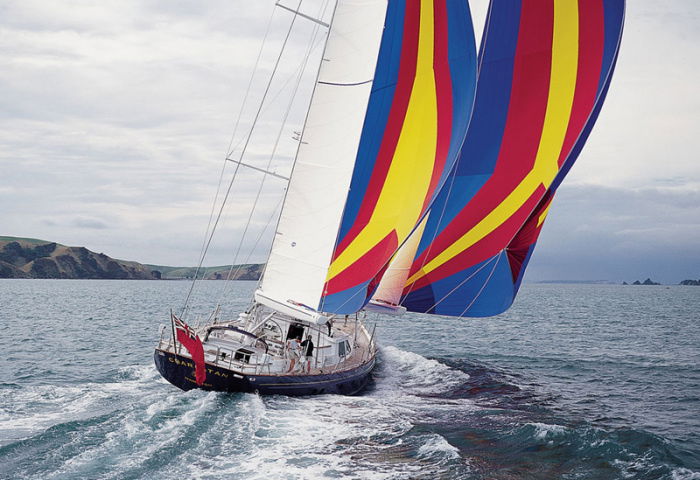
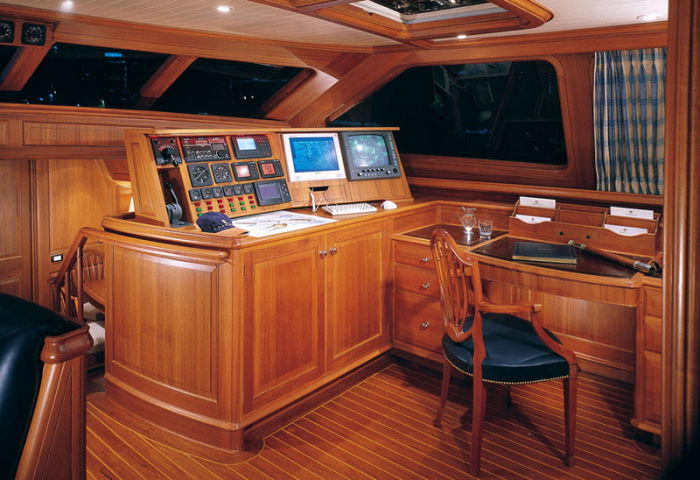

Images have been gathered from various sources and belong to their respective owners.
Review - Alloy Yachts Legend

MarineBroker
02/18/2024, 5:33 AM
1999 Alloy Yachts Legend: What Buyers and Enthusiasts Should Know Before Diving In
If you’ve been searching for information on the 1999 Alloy Yachts Legend, chances are you’re trying to answer a pretty practical question: is this yacht still a smart choice, and what should you look out for before getting serious? That’s a fair concern. Older superyachts can be incredibly rewarding, but they also come with their own set of quirks, maintenance needs, and hidden costs that aren’t always obvious from a glossy listing.
The 1999 Alloy Yachts Legend sits in that interesting space where craftsmanship, performance, and long-range cruising appeal meet real-world ownership considerations. For many enthusiasts, the challenge isn’t just admiring the yacht’s pedigree — it’s understanding what it takes to own, maintain, and enjoy a vessel of this caliber today. The good news is that with the right knowledge, you can avoid common mistakes and make a much more confident decision.
In this article, we’ll break down the key things to know about the 1999 Alloy Yachts Legend, including what makes it appealing, what problems owners and buyers typically face, and how to approach those issues in a practical way.
- Why the 1999 Alloy Yachts Legend Still Gets Attention
The 1999 Alloy Yachts Legend continues to attract interest because it represents a very specific kind of yacht ownership: strong build quality, custom aluminum construction, and serious cruising capability. Alloy Yachts has long been known for producing high-end sailing yachts with attention to detail, and that reputation still carries weight.
For buyers and enthusiasts, the appeal usually comes down to a few things:
- Aluminum construction that can offer strength and lighter displacement compared with many traditional builds
- A design philosophy aimed at long-range cruising and offshore capability
- A level of craftsmanship that still stands out years later
- The prestige and uniqueness of owning a yacht from a respected yard
But here’s the practical side: a yacht like this is not just about beauty or pedigree. The real question is whether it has been maintained properly and whether the systems onboard still make sense for modern use. That’s where many buyers run into trouble.
- The Main Problem: Great Yacht, Bigger Responsibility
The biggest issue people face with a yacht like the 1999 Alloy Yachts Legend is not finding interest — it’s managing expectations. Older luxury yachts can look amazing on paper, but age changes everything. Systems wear out, equipment becomes outdated, and maintenance records matter a lot more than the original build quality alone.
Common problems include:
- Aging mechanical and electrical systems
- Outdated navigation and communication electronics
- Wear in rigging, sails, deck hardware, or propulsion systems
- Interior updates that may be needed to match current standards
- Corrosion concerns if maintenance has been inconsistent
- Higher operating costs than first-time buyers expect
In other words, the problem is rarely “Is this yacht good?” It’s more often, “How much work will it need to be truly reliable and enjoyable?”
That’s why the smartest approach is not to buy based on appearance alone. Instead, you need a methodical plan for evaluating condition, estimating future costs, and deciding whether the yacht fits your actual use case.
- What Makes the 1999 Alloy Yachts Legend Worth Considering
Before getting into the solution side, it helps to understand why this yacht still matters. A well-kept 1999 Alloy Yachts Legend can offer real value if you’re looking for a capable cruising yacht with pedigree.
Some of the strongest advantages include:
- Proven offshore design: These yachts were built with serious passage-making in mind.
- Custom quality: Alloy Yachts often delivered highly tailored vessels rather than generic production builds.
- Durability potential: Aluminum construction can age well when properly maintained.
- Distinctive ownership experience: This is the kind of yacht that tends to have a story.
For the right buyer, that combination can be compelling. But the key word is right. This is not a casual purchase, and it’s not the kind of yacht you want to approach without a full review of its condition and operating history.
- How to Evaluate a 1999 Alloy Yachts Legend Properly
If you’re seriously interested in the 1999 Alloy Yachts Legend, the best solution is a structured evaluation process. That means looking beyond the listing photos and focusing on the yacht’s actual condition, refit history, and maintenance documentation.
Here’s a practical checklist to follow:
- Review the full maintenance log
- Look for consistent service records.
- Pay attention to major work such as engine overhauls, rigging replacement, paintwork, and electronics upgrades.
- Inspect the hull and superstructure
- Aluminum yachts need careful examination for corrosion, fairing issues, and paint condition.
- Check welds, fittings, and areas where moisture may collect.
- Assess the propulsion and mechanical systems
- Engines, generators, shafts, seals, and fuel systems should all be tested.
- Ask for service intervals and recent repairs.
- Evaluate onboard electronics
- Navigation systems from 1999 are often outdated.
- Budget for upgrades if the yacht is still running legacy equipment.
- Check rigging and sail inventory
- If it’s a sailing yacht, standing rigging age is critical.
- Sails, winches, and deck gear can represent significant replacement costs.
- Look at the interior condition
- Cosmetic updates may be optional, but water intrusion, soft spots, or electrical issues are not.
- Make sure systems like air conditioning, plumbing, and refrigeration still work as intended.
A professional survey is essential here. Even if the yacht looks immaculate, hidden issues can be expensive. A knowledgeable marine surveyor can spot problems that most buyers would miss.
- Common Issues on Older Alloy Yachts and How to Handle Them
Older yachts built to a high standard still age. The trick is knowing which issues are normal and which ones are red flags.
- Corrosion and paint system wear
Aluminum yachts depend heavily on proper surface protection. If paint systems fail, corrosion can develop in hidden areas.
What to do:
- Inspect for blistering, bubbling, or uneven paint.
- Ask when the last major repaint was completed.
- Verify that the yacht has been maintained with the correct coatings and bonding practices.
- Outdated electronics
Even if the yacht is mechanically sound, older navigation gear can be frustrating and less reliable.
What to do:
- Plan for a modern electronics package if needed.
- Prioritize radar, chartplotter, AIS, autopilot, and communication systems.
- Make sure the electrical architecture can support upgrades.
- Aging plumbing and HVAC
Comfort systems often get overlooked during a sale, but they matter a lot in real ownership.
What to do:
- Test all pumps, tanks, and freshwater systems.
- Check air conditioning and ventilation performance.
- Replace hoses and fittings if they show signs of age.
- Rigging and structural fatigue
For sailing yachts, rigging age is one of the most important safety concerns.
What to do:
- Confirm replacement dates for standing rigging.
- Inspect chainplates, fittings, and deck attachments.
- Don’t assume “looks fine” equals “safe.”
- Budgeting for Ownership Without Surprises
One of the biggest mistakes people make with a yacht like the 1999 Alloy Yachts Legend is underestimating total ownership costs. Purchase price is only the beginning.
A realistic budget should include:
- Annual maintenance
- Dockage or mooring fees
- Insurance
- Crew costs, if applicable
- Fuel and provisioning
- Survey and inspection costs
- Reserve funds for refit work
- Unexpected repairs
A helpful rule of thumb for older yachts is to set aside a maintenance reserve every year. Even if nothing major breaks, you’ll likely need ongoing investment to keep the yacht in top shape.
For example, a buyer might fall in love with a well-priced yacht and then discover that the first year requires:
- New electronics
- Rigging replacement
- Cosmetic paint corrections
- Mechanical servicing
- Safety equipment updates
That can quickly change the economics of ownership. The solution is simple: treat the purchase as the start of the journey, not the end of the expense.
- Refit or Maintain: Which Path Makes More Sense?
If you’re looking at the 1999 Alloy Yachts Legend, you may be wondering whether to buy a yacht that’s already been refit or one that needs work. Both options can make sense, depending on your goals.
- Buy a recent refit if:
- You want to use the yacht sooner
- You prefer fewer immediate surprises
- You’re willing to pay more upfront for convenience
- Buy a project yacht if:
- You want to customize the vessel
- You have access to trusted shipyard support
- You’re comfortable managing a refit timeline and budget
The best choice depends on your patience, budget, and intended use. If your goal is relaxed cruising, a well-documented and recently updated yacht is usually the safer route. If you enjoy shipyard projects and want control over the details, a more original example may still be attractive.
- How to Spot a Good Example of the 1999 Alloy Yachts Legend
Not every yacht of the same model will be equal. Two boats built in the same year can have dramatically different values based on upkeep.
A strong candidate usually has:
- Complete maintenance records
- Evidence of major refits or upgrades
- Clean survey history
- Up-to-date safety and navigation systems
- A dry, well-kept interior
- Signs of careful ownership rather than quick cosmetic fixes
Red flags may include:
- Missing records
- Fresh paint hiding older issues
- Unexplained system failures
- Heavy wear in high-use areas
- Deferred maintenance across multiple systems
If you’re comparing listings, don’t focus only on asking price. A cheaper yacht that needs major work can become far more expensive than a better-maintained example.
- Practical Buying Strategy for Interested Owners
If you’re seriously considering a 1999 Alloy Yachts Legend, here’s a straightforward strategy that can save you time and money:
1. Start with the history
Ask for full records, refit details, and ownership background.
2. Bring in experts early
Use a marine surveyor, engine specialist, and rigging expert if applicable.
3. Estimate the first 24 months of ownership
Include likely upgrades, not just immediate repairs.
4. Compare total value, not just listing price
A more expensive yacht may actually be the better deal.
5. Be honest about your usage
If you plan to cruise often, reliability matters more than cosmetic perfection.
This process helps you separate the truly good yachts from the ones that only look good in photos.
- Why the Right Solution Is Due Diligence, Not Guesswork
The real solution to buying or evaluating a yacht like the 1999 Alloy Yachts Legend is careful due diligence. That may sound obvious, but it’s where many buyers cut corners. They get excited by the pedigree, the design, or the idea of ownership, then skip the deeper inspection work.
A better approach is to:
- Verify the condition of the yacht
- Understand the cost of bringing it up to your standard
- Decide whether the current setup matches your plans
- Use expert help before committing
This is especially important with a yacht of this age and quality. A properly maintained example can still be an excellent boat. But the difference between “excellent” and “expensive headache” often comes down to documentation and inspection.
- Conclusion
The 1999 Alloy Yachts Legend remains an appealing yacht for buyers and enthusiasts who appreciate craftsmanship, offshore capability, and a refined ownership experience. But like any older luxury vessel, it comes with real responsibilities. The smartest path is not to assume value based on reputation alone. Instead, focus on condition, maintenance history, and the true cost of ownership.
If you approach the process carefully, a yacht like this can still offer a lot of enjoyment and long-term satisfaction. The key is to look beyond the surface and make decisions based on facts, not just first impressions. For anyone exploring this model, a thorough survey and a realistic budget are the best starting points.
Specifications
General
Boat Type: Sail Boats
Class Type: Cruiser
Specifications
Length: 110.89
Beam: 24.93
Draft: 11.15
Hull Material: Aluminium
Build
First Built: 1999
Propulsion
Fuel Type: Diesel
Engines: 1
Power: 489 HP
Brand: Unknown
Accomodation
Cabins: 3
PROS & CONS
What we appreciated
 High-quality aluminum construction offering excellent durability and corrosion resistanceClassic and timeless design with a strong aesthetic appealSpacious and well-appointed interior suitable for comfortable cruisingProven performance with good seaworthiness and stabilityReputable builder known for craftsmanship and attention to detail
What we didn’t appreciate
 Older model which may require updates to electronics and onboard systemsPotentially higher maintenance costs due to age and aluminum materialLimited availability of original replacement partsHeavier weight compared to modern composite boats, possibly affecting speedFewer modern amenities and conveniences compared to newer yachts
Upkeep Costs
Annual maintenance: $5,000 - $15,000
Docking/Marina fees: $3,000 - $10,000 per year
Insurance: $2,000 - $7,000 per year
Fuel: $1,000 - $5,000 per year (depending on usage)
Storage and winterization: $1,000 - $3,000 per year
Rating
8.1
User
Score
Score
Driveability
Technology
Interior
Design
Similar Boats


MarineBroker
Download now for an immersive boat experience like never before! ⛵✨ Your journey begins with a simple click. 🌊📲
#SetSailSmart #DownloadNow
#SetSailSmart #DownloadNow

Subscribe
Copyright 2017 - 2026, Marinebroker.net, All Rights Reserved