Boat Database » Alloy Yachts Imagine
Alloy Yachts Imagine
Inboard Direct-Drive, Diesel, 1x 873 HP
Sail Boats 2010 Alloy Yachts Imagine: What Buyers and Yacht Enthusiasts Should Know Before Making a Move
If you’ve been searching for information on the 2010 Alloy Yachts Imagine, you’re probably already aware that this isn’t just any yacht...
Discover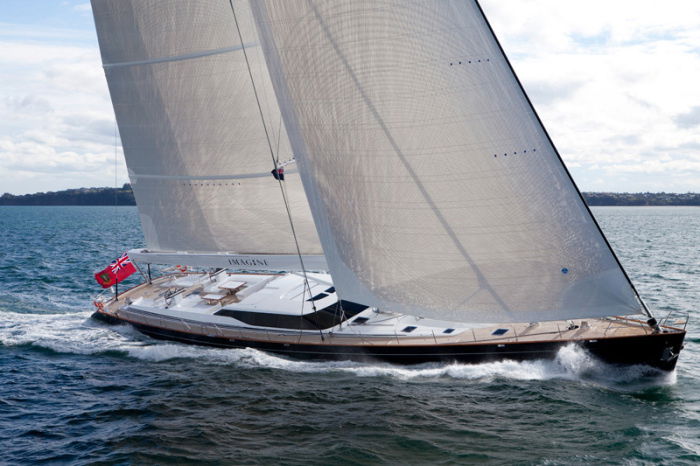


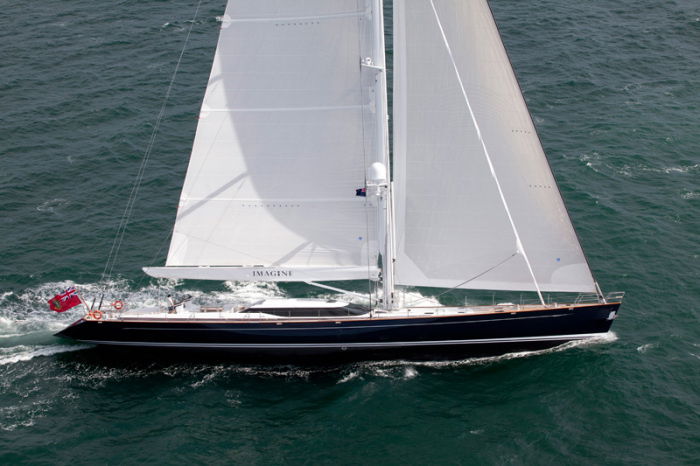
Images have been gathered from various sources and belong to their respective owners.
Review - Alloy Yachts Imagine

MarineBroker
02/18/2024, 6:16 AM
2010 Alloy Yachts Imagine: What Buyers and Yacht Enthusiasts Should Know Before Making a Move
If you’ve been searching for information on the 2010 Alloy Yachts Imagine, you’re probably already aware that this isn’t just any yacht. It’s the kind of vessel that gets attention for its craftsmanship, performance, and pedigree. But here’s the real challenge: when a yacht is this specialized, the big question isn’t just “Is it impressive?” It’s “How do you know if it’s the right fit for your needs, especially years after launch?”
That’s where many buyers and enthusiasts get stuck. A yacht like this can look ideal on paper, but ownership decisions involve more than a beautiful profile and a famous builder’s name. You need to think about maintenance, refit history, operating costs, layout suitability, and how well the yacht has aged over time.
The good news is that with the right approach, you can evaluate the 2010 Alloy Yachts Imagine confidently and avoid common mistakes. In this article, we’ll break down what makes this yacht notable, what to look for when assessing a yacht of this caliber, and how to make a smart, practical decision without getting overwhelmed.
- Why the 2010 Alloy Yachts Imagine stands out
Alloy Yachts has long been associated with high-end custom and semi-custom sailing yachts, and the 2010 build year places Imagine in an interesting category: modern enough to benefit from more recent design thinking, yet established enough that buyers can evaluate its real-world track record.
For many people, the appeal lies in three things:
- Proven build quality
- Strong sailing performance
- A design that balances luxury with serious offshore capability
That combination makes the yacht attractive to experienced owners who want more than just a floating apartment. They want a vessel that can handle distance, deliver comfort, and still feel special years later.
But the same qualities that make it appealing also make due diligence important. A yacht like this may have undergone upgrades, refits, and system changes over time. If you’re interested in the 2010 Alloy Yachts Imagine, the goal is not just to admire it. The goal is to understand how it has been maintained and whether it fits your intended use.
- The main problem buyers face with yachts like the 2010 Alloy Yachts Imagine
The biggest issue is uncertainty.
With a yacht of this level, buyers often struggle to answer questions such as:
- Has the yacht been maintained to a high standard?
- Are the onboard systems still reliable?
- Has the interior aged well?
- Is the yacht ready for private cruising, charter use, or extended passages?
- What future costs should be expected?
These questions matter because luxury yachts are not “buy it and forget it” assets. Even a well-built vessel can become expensive if it has deferred maintenance or outdated equipment.
A common mistake is focusing only on appearance. Fresh upholstery, polished teak, and a clean hull can be reassuring, but they don’t tell the full story. The real value comes from mechanical condition, documentation, and the quality of any refits.
In other words, the problem isn’t finding a yacht that looks good. The problem is verifying that it is genuinely sound, usable, and aligned with your plans.
- What makes Alloy Yachts a respected name
Before evaluating the yacht itself, it helps to understand the builder. Alloy Yachts built a strong reputation for aluminum sailing yachts that combine strength, performance, and refined craftsmanship.
Why that matters:
- Aluminum construction can offer an excellent strength-to-weight ratio
- Custom design options allow for tailored layouts and features
- The builder’s reputation can support long-term market confidence
- Performance-oriented owners often appreciate the sailing characteristics
For many buyers, a builder’s reputation reduces risk. That said, reputation alone is not enough. A yacht’s actual condition depends on how it has been used and cared for.
A well-maintained yacht from a respected builder can be an outstanding opportunity. A neglected one, even from a top-tier yard, can turn into a costly project.
- Key areas to inspect on the 2010 Alloy Yachts Imagine
If you’re seriously considering the 2010 Alloy Yachts Imagine, focus on the areas that most affect safety, reliability, and comfort.
- Hull and structure
Start with the fundamentals. Inspect the hull, deck, and structural components for signs of damage, corrosion, or previous repairs.
Look for:
- Evidence of impact or grounding
- Paint condition and any blistering or fairing issues
- Corrosion around fittings and hardware
- Signs of movement or stress in high-load areas
With aluminum yachts, corrosion management is especially important. It’s not something to panic about, but it should be checked carefully by a qualified surveyor.
- Rigging and sail plan
Because this is a sailing yacht, the rig is a major part of the equation.
Check:
- Standing rigging age and service history
- Chainplates and attachment points
- Spar condition
- Winches, furling systems, and deck hardware
- Sail inventory and age
If the rigging is near the end of its service life, factor replacement into your budget. That can be a significant expense, but it’s also a normal part of responsible ownership.
- Mechanical systems
Engines, generators, hydraulics, and steering systems should all be reviewed thoroughly.
Pay attention to:
- Engine hours and service records
- Cooling system condition
- Fuel system cleanliness
- Generator performance
- Spare parts availability
A yacht can look immaculate and still have hidden mechanical issues. Service logs are often more valuable than cosmetic polish.
- Electrical and navigation equipment
Technology evolves quickly, and a 2010 yacht may have older electronics unless it has been updated.
Review:
- Chart plotters and navigation systems
- Autopilot performance
- Battery banks and charging systems
- Inverter and power management setup
- Wi-Fi, communications, and onboard network integration
If the yacht has been refitted with newer electronics, that can be a big plus. If not, you may need to plan an upgrade path.
- Interior and livability
The interior should be evaluated for both comfort and practicality.
Ask yourself:
- Does the layout suit your cruising style?
- Are cabins and common spaces functional for your crew or guests?
- Has the interior aged gracefully?
- Are fabrics, joinery, and flooring in good condition?
A beautiful interior is great, but livability is what matters on longer trips. Storage, ventilation, noise levels, and workflow all make a big difference over time.
- How to judge whether the yacht has aged well
A 2010 yacht can still feel current if it has been properly maintained and updated. The question is not simply how old it is, but how it has been used.
Signs of healthy aging include:
- Regular professional servicing
- Documented refits and equipment upgrades
- Clean machinery spaces
- Consistent cosmetic upkeep
- Thoughtful modernization of systems
Signs of concern include:
- Missing maintenance records
- Frequent patchwork repairs
- Outdated safety equipment
- Water intrusion or corrosion
- A long list of deferred upgrades
A well-cared-for yacht often tells its story through details. Clean bilges, organized wiring, updated hoses, and careful labeling are all good signs. They may sound small, but they reflect the overall ownership culture.
- The practical solution: use a structured evaluation process
If your goal is to make a smart decision on the 2010 Alloy Yachts Imagine, the solution is a structured inspection and ownership review.
Here’s a practical approach:
- Step 1: Define your use case
Before anything else, decide how you want to use the yacht.
Will it be for:
- Private family cruising?
- Bluewater passagemaking?
- Day sailing and short trips?
- Occasional charter use?
- A mix of all of the above?
Your use case determines what matters most. For example, long-distance cruising puts more emphasis on redundancy and storage, while day use may prioritize ease of handling and comfort.
- Step 2: Review documentation
Paperwork is a major part of the answer.
Request:
- Build records
- Ownership history
- Maintenance logs
- Refit invoices
- Survey reports
- Engine and system service records
Good documentation can save you from surprises later. It also helps confirm whether upgrades were done properly.
- Step 3: Hire the right surveyors
This is not the place to cut corners. Use professionals who understand aluminum sailing yachts and complex systems.
Ideally, you want:
- A marine surveyor with relevant experience
- A rigging specialist
- A marine engineer or mechanical expert
- An electrician or electronics technician if needed
A knowledgeable team can identify issues that a general inspection might miss.
- Step 4: Budget for ownership, not just purchase price
One of the most common mistakes is focusing only on the acquisition cost. For a yacht like this, ongoing expenses matter just as much.
Budget for:
- Annual maintenance
- Haul-outs and inspections
- Insurance
- Berthing or marina fees
- Crew, if applicable
- Future equipment replacement
- Refit contingency funds
A good rule of thumb is to expect some level of ongoing investment, even if the yacht is in excellent condition. That’s normal for high-end boats.
- Step 5: Prioritize upgrades strategically
Not every upgrade needs to happen immediately. Focus first on safety, reliability, and core functionality.
Top priorities usually include:
- Rigging and sail condition
- Engine and generator reliability
- Safety gear
- Electrical system integrity
- Navigation and communication equipment
After that, you can move to comfort and convenience upgrades such as upholstery, entertainment systems, or cosmetic refinishing.
- Why this yacht appeals to serious sailing buyers
The 2010 Alloy Yachts Imagine is likely to appeal most to buyers who value sailing as an experience, not just as transportation.
It makes sense for people who want:
- Strong offshore capability
- High-quality construction
- A refined onboard environment
- A yacht with real pedigree
- A vessel that can be tailored through refit and upgrades
This is not the kind of yacht you buy casually. It’s the kind you choose because you want a capable, elegant platform that can support serious cruising ambitions.
That said, it can also be a rewarding choice for someone who appreciates craftsmanship and wants to step into a proven platform rather than starting from scratch with a new build.
- Common mistakes to avoid
If you’re evaluating the yacht, try to avoid these traps:
- Buying based on photos alone
- Ignoring service history
- Underestimating refit costs
- Assuming expensive yachts are automatically well maintained
- Skipping a specialized survey
- Overlooking the cost of future upgrades
It’s easy to get swept up in the romance of yacht ownership. But the best decisions are made with a clear head and a checklist.
Think of it this way: the more impressive the yacht, the more important it is to verify the details.
- How to make the most of a yacht like this after purchase
If you do move forward with the 2010 Alloy Yachts Imagine, the first year of ownership is crucial.
A smart post-purchase plan should include:
- A full systems check
- Scheduled service for all major equipment
- A safety inventory review
- A clean maintenance calendar
- A short list of immediate and future upgrades
This helps you turn the yacht into a predictable, enjoyable asset instead of a source of stress.
It’s also a good time to learn the vessel deeply. Even if you plan to use a captain or crew, understanding how the systems work will make ownership smoother and safer.
- Final thoughts for buyers and enthusiasts
The 2010 Alloy Yachts Imagine represents the kind of yacht that attracts attention for good reason: quality construction, sailing performance, and a strong sense of craftsmanship. But like any serious yacht, its real value depends on more than its name or appearance.
The key is to focus on condition, maintenance history, and fit for purpose. If you take a structured approach, use qualified experts, and budget realistically, you can evaluate the yacht with confidence and avoid costly surprises.
For anyone interested in this vessel, the smartest path is simple: look beyond the surface, ask the right questions, and let the details guide your decision. If you want to go deeper, continue researching ownership reports, survey best practices, and refit planning so you can make the most informed choice possible.
Specifications
General
Boat Type: Sail Boats
Class Type: Cruiser
Specifications
Length: 145.01
Beam: 30.84
Draft: 14.11
Hull Material: Aluminium
Build
First Built: 2010
Propulsion
Fuel Type: Diesel
Engines: 1
Power: 873 HP
Brand: Caterpillar
Accomodation
Cabins: 4
PROS & CONS
What we appreciated
 High-quality aluminum construction for durability and reduced maintenanceSpacious and luxurious interior design with modern amenitiesExcellent stability and seaworthiness in various sea conditionsEfficient fuel consumption for a boat of its sizeCustomizable layout options to suit owner preferences
What we didn’t appreciate
 Older model may lack some latest technological advancementsAluminum hull can be prone to corrosion if not properly maintainedPotentially higher maintenance costs compared to fiberglass boatsLimited availability of specific replacement parts due to custom buildRelatively high purchase price on the used market
Upkeep Costs
Insurance: $1,500 - $3,000 per year
Dockage/Marina Fees: $3,000 - $10,000 per year
Maintenance and Repairs: $5,000 - $15,000 per year
Fuel: $2,000 - $7,000 per year (depending on usage)
Winter Storage: $1,000 - $3,000 per year
Rating
8.7
User
Score
Score
Driveability
Technology
Interior
Design
Similar Boats


MarineBroker
Download now for an immersive boat experience like never before! ⛵✨ Your journey begins with a simple click. 🌊📲
#SetSailSmart #DownloadNow
#SetSailSmart #DownloadNow

Subscribe
Copyright 2017 - 2026, Marinebroker.net, All Rights Reserved