Boat Type: Sail Boats
Boat Class: Cruiser
Length: 32.68 ft
Berths: 6
Cabins: 3
Bathrooms: 1
Max Persons: 6
2004 Dufour 32 Classic: What Owners Should Know Before Buying, Sailing, or Upgrading
If you’re looking at a 2004 Dufour 32 Classic, you’re probably trying to answer a very common question: is this boat still a smart choice today?...
Discover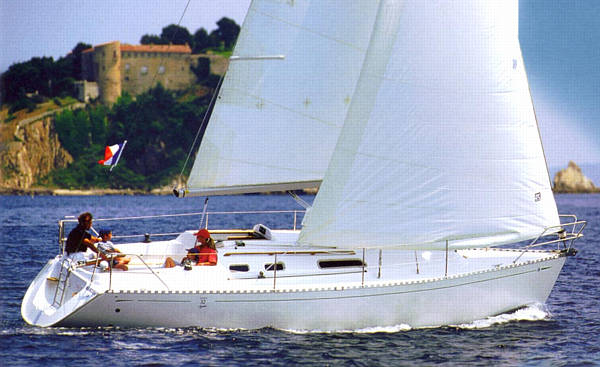
Images have been gathered from various sources and belong to their respective owners.
Review - Dufour 32 Classic

MarineBroker
11/22/2023, 7:07 AM
2004 Dufour 32 Classic: What Owners Should Know Before Buying, Sailing, or Upgrading
If you’re looking at a 2004 Dufour 32 Classic, you’re probably trying to answer a very common question: is this boat still a smart choice today? That’s a fair concern. Boats from the early 2000s can offer a lot of value, but only if you know what to look for and how to avoid the usual surprises that come with an older sailboat.
The good news is that the 2004 Dufour 32 Classic has a reputation for being a comfortable, capable cruiser with solid sailing manners and a practical layout. The challenge is that condition matters far more than age alone. A well-kept example can be a fantastic coastal cruiser, while a neglected one can turn into a long list of repairs.
In this article, we’ll break down the key things buyers and owners should pay attention to, from common inspection points to maintenance priorities and smart upgrades. If you’re trying to decide whether this model fits your needs, or you already own one and want to keep it sailing well, this guide will help you make a more confident decision.
- Why the 2004 Dufour 32 Classic still gets attention
The 2004 Dufour 32 Classic sits in a sweet spot for many sailors. It’s large enough to feel comfortable for weekends or longer coastal trips, but still manageable for a couple or small crew.
That balance is a big part of its appeal.
For many buyers, the main problem isn’t whether the boat can sail well. It’s figuring out whether a specific boat has been maintained properly and whether it will meet their expectations for space, performance, and upkeep costs.
A boat like this often appeals to:
- Couples looking for a cruiser that isn’t too demanding
- Families wanting a practical entry into sailing
- Experienced sailors downsizing from larger yachts
- Buyers searching for value in the used-boat market
In other words, the model itself is only part of the story. The real question is whether the boat’s current condition, equipment, and history line up with your plans.
- The biggest problem buyers face: condition versus age
When people search for a 2004 Dufour 32 Classic, they’re often trying to solve one issue: how to tell a good boat from a costly project.
That’s because sailboats age in layers. Even if the hull looks fine, systems like standing rigging, sails, engine components, seacocks, hoses, and electronics may all be at different stages of wear.
A well-used boat can still be a great buy if the owner kept up with maintenance. But a lightly used boat can also hide problems if it sat unused for long periods. That’s why a thorough evaluation matters more than the logbook’s mileage, so to speak.
Here’s the practical mindset to use:
- Assume any 20-year-old boat needs inspection
- Focus on maintenance history, not just appearance
- Budget for upgrades, even on a clean example
- Prioritize safety and structural items first
This approach helps you avoid the classic trap of buying on emotion and then discovering the expensive stuff later.
- What the 2004 Dufour 32 Classic is generally good at
Before getting into the inspection checklist, it helps to understand what this boat is usually appreciated for.
The Dufour 32 Classic is known for offering a comfortable cruising layout and a hull design that aims to balance stability with decent performance. It’s not a race boat, but it can still be enjoyable under sail, especially for coastal cruising and relaxed passages.
Typical strengths include:
- Comfortable accommodations for its size
- Manageable handling for short-handed sailing
- A practical cockpit and deck layout
- Good value compared with newer boats of similar size
For many owners, the boat’s appeal is less about flashy performance and more about dependable cruising. That makes it a sensible choice if your goal is time on the water rather than chasing speed.
- Key inspection points on a 2004 Dufour 32 Classic
If you’re considering buying one, this is where the real work begins. A proper survey is essential, but even before that, you can learn a lot by checking the right areas.
- Hull and deck condition
Start with the basics. Look for signs of stress, repairs, blistering, or flexing around high-load areas.
Pay close attention to:
- Keel joint
- Chainplate areas
- Around stanchion bases
- Deck fittings and hatches
- Any signs of water intrusion in the cabin
Soft spots in the deck or water staining around fittings can indicate leaks that may have been ignored for years. Small leaks are common on older boats, but they should never be dismissed.
- Standing rigging and spars
On a boat this age, rigging age is a major issue. Even if it looks fine, stainless wire can fatigue over time.
Check:
- Age of standing rigging
- Condition of turnbuckles and swages
- Mast step and spreader fittings
- Signs of corrosion or cracking
If there’s no record of rigging replacement, assume it may be due. That’s not a dealbreaker, but it should be part of your budget.
- Sails and running rigging
Sails are often one of the biggest hidden costs in a used sailboat purchase.
Inspect:
- UV damage on the leech and foot
- Stretching or bagginess
- Stitching failures
- Condition of sheets, halyards, and reefing lines
Even if the sails are usable, old sails can make the boat feel tired and underpowered. Replacing them can dramatically improve how the boat sails.
- Engine and propulsion system
The engine is another area where condition matters more than model year. You want smooth starting, clean exhaust, and evidence of regular servicing.
Check:
- Service records
- Oil and coolant condition
- Belt wear
- Fuel lines and filters
- Signs of overheating or leaks
- Shaft, propeller, and cutless bearing condition
A tired diesel doesn’t always mean a major rebuild, but it does mean you should understand the cost of making it reliable.
- Interior moisture and plumbing
Below deck, look for damp smells, stained headliners, or warped woodwork. These can point to leaks from hatches, ports, or deck fittings.
Also check:
- Freshwater plumbing
- Holding tank and hoses
- Manual or electric bilge pumps
- Galley equipment
- Toilet seals and sanitation hoses
Older plumbing systems are often functional but overdue for replacement. It’s not glamorous, but it matters a lot for comfort and odor control.
- How to decide if a 2004 Dufour 32 Classic is the right fit
Not every good boat is the right boat for every sailor. The best way to judge the 2004 Dufour 32 Classic is to match it to your actual sailing style.
Ask yourself:
- Will you mostly sail coastal waters or do longer passages?
- Will you sail mostly with two people, or do you need family space?
- Do you want simple cruising, or do you expect modern amenities?
- Are you comfortable with some maintenance, or do you want a turn-key boat?
If you’re looking for a manageable cruiser with enough space for weekends and holidays, this model can make a lot of sense. If you want a boat with the feel of a newer design, you may need to invest in upgrades.
The key is to avoid buying based on size alone. A 32-foot sailboat can feel surprisingly roomy or surprisingly tight depending on your expectations.
- Smart solution: use a priority-based buying checklist
The best solution for anyone interested in a 2004 Dufour 32 Classic is to use a priority-based checklist before making an offer.
Here’s a simple order of importance:
1. Safety and structure
Check hull integrity, keel attachment, rigging, chainplates, and deck condition.
2. Mechanical reliability
Inspect the engine, fuel system, steering, and propulsion.
3. Water management
Look for leaks, drainage issues, and signs of persistent moisture.
4. Sailing performance
Evaluate sails, rig tuning, and running rigging.
5. Comfort and convenience
Review cushions, galley equipment, electronics, and interior finishes.
This order helps you spend money where it matters most. A boat with worn upholstery but a solid rig and engine is usually a better purchase than a pretty boat with hidden structural or mechanical issues.
- Common upgrades that make sense on this model
If you already own one, or you’re budgeting after purchase, a few upgrades often deliver the best return in comfort and usability.
Useful improvements include:
- New navigation electronics
- LED cabin and navigation lighting
- Updated batteries and charging setup
- Modern VHF or AIS system
- Fresh sail inventory if the originals are tired
- Improved mattress or cushions for cruising comfort
- Upgraded anchor and ground tackle
- New hoses, seacocks, and clamps where needed
These changes don’t just make the boat nicer. They can also improve safety and reduce frustration on the water.
A lot of owners find that a few targeted upgrades make the boat feel much newer without the cost of replacing everything.
- Maintenance habits that protect your investment
The easiest way to keep a 2004 Dufour 32 Classic in good shape is to stay ahead of small issues. Boats age faster when they sit unused or when minor leaks go unchecked.
Good habits include:
- Rinsing salt off deck hardware regularly
- Checking bilges for water after heavy rain or sailing
- Inspecting hoses and clamps each season
- Servicing the engine on schedule
- Re-tensioning rigging when needed
- Keeping a written maintenance log
This kind of routine doesn’t just preserve value. It also makes the boat more enjoyable because you’re less likely to be surprised by preventable problems.
If the boat is stored on land for part of the year, take time to inspect through-hulls, seacocks, and any areas where moisture can collect. A little attention goes a long way.
- What a survey should focus on
A professional survey is one of the smartest steps you can take. For a boat like this, the survey should go beyond a quick visual check.
Make sure the surveyor looks closely at:
- Moisture ingress
- Rigging condition
- Keel and hull interface
- Engine hours and service condition
- Electrical system safety
- Evidence of previous repairs
- Signs of osmosis or blistering
If the survey reveals issues, that doesn’t automatically mean you should walk away. It means you have real information to negotiate, budget, or decide whether another boat is a better fit.
That’s the practical solution many buyers need: not perfection, but clarity.
- Who the 2004 Dufour 32 Classic suits best
This boat tends to suit sailors who want a comfortable, straightforward cruiser with manageable size and decent all-around capability.
It’s often a good match for:
- Coastal cruisers
- Weekend sailors
- Couples who want a liveable layout
- Buyers stepping up from smaller boats
- Owners who don’t mind regular upkeep
It may be less ideal for someone who wants a very modern interior, minimal maintenance, or high-performance sailing. But for the right buyer, it can be a very satisfying boat.
The model’s real strength is that it offers a lot of usability without becoming too large or complicated.
- Final buying tip: don’t compare only price
When shopping for a 2004 Dufour 32 Classic, it’s tempting to compare asking prices and stop there. But that can be misleading.
A cheaper boat with tired sails, old rigging, and neglected systems may cost far more in the long run than a slightly pricier boat with better maintenance records. The smartest purchase is usually the one with the clearest history and the least immediate work.
Think in terms of total ownership cost:
- Purchase price
- Survey and haul-out
- Immediate repairs
- Planned upgrades
- Annual maintenance
That bigger picture gives you a much better sense of true value.
- Conclusion
The 2004 Dufour 32 Classic remains an appealing option for sailors who want a practical cruiser with good comfort and manageable handling. The main challenge is not the boat’s age alone, but its condition, maintenance history, and how well it matches your sailing plans.
If you focus on the right inspection points, budget for key upgrades, and prioritize safety and reliability first, you can make a much smarter decision. Whether you’re buying your first cruiser or looking for a capable used sailboat, this model can still be a solid choice when selected carefully. If you’re in the research stage, take your time, compare examples, and lean on a good surveyor or trusted marine expert before committing.
Specifications
General
Boat Type: Sail Boats
Class Type: Cruiser
Specifications
Length: 32.68
Beam: 10.83
Draft: 4.1
Hull Material: GRP
Build
First Built: 2004
Propulsion
Fuel Type: Diesel
Engines: 1
Power: 19 HP
Brand: Volvo Penta
Accomodation
Berths: 6
Cabins: 3
Bathrooms: 1
PROS & CONS
What we appreciated
 Classic and timeless design with elegant linesSolid build quality typical of Dufour yachtsGood balance between performance and comfortSpacious interior for a 32-foot boatReliable sailing characteristics suitable for coastal cruising
What we didn’t appreciate
 Older model, may require updates or refurbishmentsLimited modern amenities compared to newer boatsSmaller size may be cramped for extended cruisingEngine and systems might need maintenance due to ageLess advanced navigation and electronics without upgrades
Upkeep Costs
Insurance: $800 - $1,200 per year
Docking/Marina Fees: $1,000 - $3,000 per year
Maintenance and Repairs: $1,000 - $2,000 per year
Winter Storage and Haul-out: $500 - $1,500 per year
Fuel: $200 - $600 per year
Rating
6.6
User
Score
Score
Driveability
Technology
Interior
Design
Similar Boats


MarineBroker
Download now for an immersive boat experience like never before! ⛵✨ Your journey begins with a simple click. 🌊📲
#SetSailSmart #DownloadNow
#SetSailSmart #DownloadNow

Subscribe
Copyright 2017 - 2026, Marinebroker.net, All Rights Reserved