Boat Database » Alloy Yachts Huckleberry
Alloy Yachts Huckleberry
Inboard Direct-Drive, Diesel, 1x 748 HP
Sail Boats 2001 Alloy Yachts Huckleberry: What Buyers and Owners Should Know Before Making a Move
If you’ve been searching for information on the 2001 Alloy Yachts Huckleberry, you’re probably already aware that this isn’t just any sailing ...
Discover

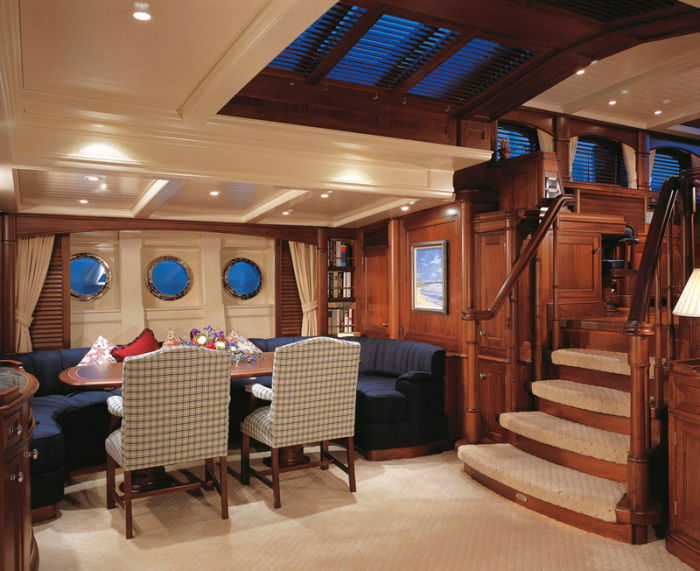
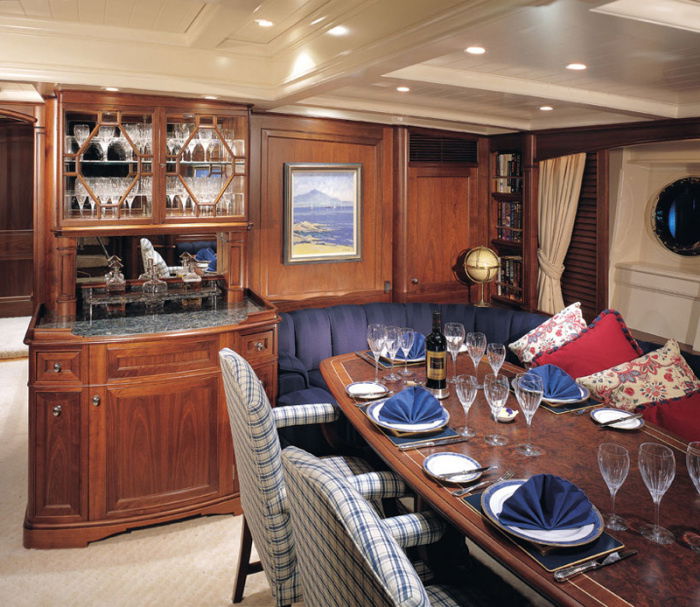
Images have been gathered from various sources and belong to their respective owners.
Review - Alloy Yachts Huckleberry

MarineBroker
02/18/2024, 6:04 AM
2001 Alloy Yachts Huckleberry: What Buyers and Owners Should Know Before Making a Move
If you’ve been searching for information on the 2001 Alloy Yachts Huckleberry, you’re probably already aware that this isn’t just any sailing yacht. It’s the kind of boat that gets attention for its pedigree, craftsmanship, and serious offshore capability. But that’s exactly why people run into a common problem: it’s easy to get caught up in the excitement of a high-end yacht and overlook the practical questions that really matter.
Is it the right fit for your cruising plans? What should you inspect before buying? How do you evaluate whether a 2001 performance cruiser like Huckleberry is still a smart choice today? Those are the questions that separate a great ownership experience from an expensive headache.
The good news is that with the right approach, you can make a much more confident decision. Whether you’re considering purchase, comparing similar yachts, or simply trying to understand what makes this vessel stand out, the key is knowing what to look for and how to assess it properly. Let’s break it down in a way that’s useful, practical, and easy to apply.
- What Makes the 2001 Alloy Yachts Huckleberry Stand Out
Alloy Yachts has long been associated with premium aluminum performance yachts, and the 2001 Huckleberry sits comfortably in that tradition. Built for serious sailing, it reflects a design philosophy that values strength, efficiency, and long-range capability.
For many buyers, the appeal comes down to a few core traits:
- Aluminum construction for durability and weight savings
- Offshore-ready design for extended cruising
- Performance-oriented sailing characteristics
- A reputation for quality build standards
- A layout and finish level that can suit both private owners and experienced crews
That combination makes the yacht attractive to sailors who want more than just a floating condo. It’s for people who care about handling, reliability, and the ability to go farther with confidence.
Still, a yacht like this is not a “buy it and forget it” type of vessel. Its age means the real value depends heavily on condition, maintenance history, and how well it has been cared for over time.
- The Main Problem: How to Judge an Older Luxury Yacht Accurately
When people look at a yacht like the 2001 Alloy Yachts Huckleberry, the biggest challenge is separating the brand reputation from the actual boat in front of them. A well-known builder can create a lot of trust, but age changes everything.
The common problem is this: buyers often focus on cosmetics, interior style, or the excitement of owning a respected name, while the real risks are hidden in systems, structure, and upkeep.
Here’s what typically creates confusion:
- A yacht may look excellent but still have deferred maintenance
- Upgrades may be partially done, but not professionally integrated
- Older systems may be functional now but near replacement age
- The boat may have had different usage patterns over the years
- Survey findings can be overwhelming if you’re not sure what matters most
That’s why evaluating an older luxury yacht requires a more disciplined approach. You’re not just buying a vessel. You’re buying its maintenance history, engineering integrity, and future cost profile.
- Start with the Right Mindset: You’re Buying Condition, Not Just Brand
One of the smartest ways to approach the 2001 Alloy Yachts Huckleberry is to think in terms of condition-based value. Two yachts from the same year and builder can be completely different in real-world ownership cost.
A strong brand can indicate quality, but it does not replace inspection. In fact, the better the reputation, the more important it is to verify that the boat has lived up to it.
Focus on these questions:
- Has the yacht been maintained consistently?
- Are major systems original, updated, or overdue?
- Has it been used for private cruising, charter, or extended passages?
- Are records complete and detailed?
- Has the vessel been stored properly between seasons?
A thorough answer to these questions will tell you far more than a glossy listing ever could.
- What to Inspect on the 2001 Alloy Yachts Huckleberry
If you’re evaluating this yacht seriously, a pre-purchase survey is essential. But even before that, you should know which areas deserve the closest attention.
- Hull and Structure
Because Alloy Yachts is known for aluminum construction, structural inspection is a major priority. Aluminum can offer excellent longevity, but it must be checked carefully for corrosion, fatigue, and prior repair quality.
Look for:
- Corrosion around fittings, welds, and dissimilar-metal contact points
- Evidence of prior damage or repairs
- Fairness and alignment in the hull and deck
- Moisture intrusion in areas where it should not exist
- Condition of coatings and protective systems
Even a strong aluminum yacht can develop issues if maintenance has been inconsistent.
- Rigging and Sail Plan
For a performance sailing yacht, the rigging is not just a component; it’s a safety and performance system. Age is a major factor here, especially if standing rigging has not been replaced on schedule.
Check:
- Age and service history of standing rigging
- Condition of chainplates, terminals, and turnbuckles
- Mast and boom integrity
- Running rigging wear
- Sail inventory and fabric condition
If the rigging history is unclear, assume replacement may be needed sooner rather than later.
- Engine and Mechanical Systems
A yacht can have beautiful lines and still become a burden if the engine room tells a different story. Mechanical systems are where hidden costs often live.
Inspect:
- Engine hours and service records
- Cooling system condition
- Fuel system cleanliness
- Shaft, propeller, and drivetrain condition
- Generator reliability
- Bilge pumping and backup systems
Older yachts often need a blend of preventive maintenance and modernization. That’s normal, but it should be budgeted honestly.
- Electrical and Navigation Systems
Technology ages quickly at sea. A 2001 yacht may have excellent bones but outdated electronics.
Assess:
- Battery bank age and capacity
- Charging systems and inverter setup
- Wiring quality and labeling
- Navigation electronics compatibility
- Autopilot performance
- Lighting and electrical load management
If the systems have been upgraded professionally, that’s a plus. If they’ve been patched together over time, expect future work.
- Interior and Plumbing
Interior condition matters, but not just for appearance. It can reveal how the yacht has been used and cared for.
Look at:
- Signs of leaks or past water intrusion
- Head and plumbing functionality
- Watermaker condition, if installed
- HVAC performance
- Galley equipment age and reliability
- Structural condition behind joinery
A beautiful interior can hide expensive problems, so don’t let polished surfaces distract you from the basics.
- Why Maintenance Records Matter So Much
One of the most important parts of evaluating any older yacht, including the 2001 Alloy Yachts Huckleberry, is the paper trail. Good records often tell you more than a walkthrough ever could.
Detailed logs can show:
- Regular engine servicing
- Rigging replacement dates
- System upgrades
- Winterization or storage practices
- Professional yard work
- Any recurring issues over time
If records are incomplete, that doesn’t automatically mean the boat is poor. But it does mean you need to be more cautious and possibly negotiate accordingly.
A well-documented yacht usually gives buyers more confidence and makes ownership planning much easier.
- How to Estimate Future Ownership Costs
A common mistake is to compare asking price only. With an older yacht, the real cost is purchase price plus refit, maintenance, and operating expenses.
A practical budget should include:
- Survey and haul-out costs
- Immediate repairs discovered after purchase
- Routine annual maintenance
- Insurance
- Dockage or mooring
- Sail replacement or rigging renewal
- Electronics upgrades
- Engine and generator servicing
For a yacht like the 2001 Alloy Yachts Huckleberry, it’s smart to set aside a contingency fund. Many experienced buyers use a reserve of 10% to 20% of purchase price, depending on condition and intended use.
That doesn’t mean you’ll spend it all right away. It just means you won’t be surprised when older systems need attention.
- Matching the Yacht to Your Cruising Style
The right yacht is not always the “best” yacht on paper. It’s the one that fits your actual plans.
Ask yourself:
- Will you do coastal cruising or offshore passages?
- Are you sailing short-handed or with crew?
- Do you want performance, comfort, or a balance of both?
- Will you spend long periods aboard?
- Is maintenance support available where you keep the boat?
The 2001 Alloy Yachts Huckleberry is especially appealing to sailors who value offshore capability and quality construction. But if your priorities are minimal upkeep and simple systems, you may want to compare it with more recent yachts that offer lower operating complexity.
- Practical Tips for Buyers Evaluating the 2001 Alloy Yachts Huckleberry
If you’re in the market, here’s a simple checklist to keep your process grounded.
- Hire the right surveyor
Choose someone experienced with aluminum yachts and high-performance sailing vessels. General surveys are helpful, but specialized knowledge matters here.
- Review the service history before getting emotional
A yacht can look impressive in photos and still have major gaps in maintenance. Ask for records early.
- Budget for upgrades, not just repairs
Even a well-kept yacht may need modern electronics, new safety gear, or updated comfort systems.
- Test sail if possible
A sea trial can reveal steering feel, sail handling, vibration, noise, and system performance in a way dockside inspection cannot.
- Compare against similar yachts
Look at other performance cruisers from the same era and price range. That helps you understand whether the Huckleberry is priced fairly based on condition.
- Don’t skip the details
Small things like hose condition, seacock operation, or electrical labeling can tell you a lot about how the boat has been maintained.
- Signs That a Yacht Like This Has Been Well Cared For
If you’re lucky, you’ll come across a 2001 Alloy Yachts Huckleberry that has clearly been loved and professionally maintained. A good boat often shows it in subtle ways.
Positive signs include:
- Clean, organized engine room
- Updated but well-integrated systems
- Consistent documentation
- No obvious signs of water intrusion
- Fresh but not overdone cosmetic work
- Smooth operation of major mechanical systems
- Sensible upgrades rather than random modifications
These details matter because they suggest the owner thought long-term, not just short-term appearance.
- When a Refurbishment Makes Sense
Sometimes the best yacht is not the cheapest one. If the 2001 Alloy Yachts Huckleberry has strong bones but needs modernization, a targeted refit can be a smart move.
A worthwhile refurbishment usually focuses on:
- Safety systems
- Rigging and sail plan
- Electrical reliability
- Navigation and communication gear
- Engine and mechanical dependability
- Interior comfort improvements that support real use
The key is to avoid over-improving beyond the yacht’s market value unless you plan to keep it for many years. A smart refit should match your sailing goals, not just your wish list.
- Common Mistakes to Avoid
A lot of buyers make the same avoidable errors when looking at respected older yachts.
Try not to:
- Buy based on brand alone
- Ignore maintenance records
- Underestimate survey findings
- Assume upgrades were done correctly
- Forget about future resale value
- Overlook the cost of rigging and electronics renewal
- Skip a proper sea trial
The best decisions come from balancing enthusiasm with discipline.
- Why the 2001 Alloy Yachts Huckleberry Still Appeals Today
Even with newer yachts on the market, a well-kept 2001 Alloy Yachts Huckleberry can still be a compelling choice. That’s because good design and quality construction age better than flashy trends.
For the right owner, it offers:
- Strong offshore credibility
- Durable aluminum construction
- Proven sailing performance
- The potential for long-term value if maintained well
- A serious cruising platform with real character
It may not be the simplest ownership experience, but for experienced sailors who appreciate craftsmanship and capability, that’s often part of the appeal.
- Final Thoughts on Buying and Owning the 2001 Alloy Yachts Huckleberry
The 2001 Alloy Yachts Huckleberry is the kind of yacht that rewards careful evaluation. Its reputation, construction, and sailing ability make it attractive, but the real key is understanding condition, maintenance history, and future ownership costs.
If you approach it with a clear checklist, a good surveyor, and realistic budgeting, you’ll be in a much stronger position to decide whether it’s the right boat for you. That’s the real solution: don’t just admire the yacht—assess it like an experienced owner would.
If you’re comparing options, keep digging into records, systems, and intended use. A thoughtful review now can save a lot of time, money, and frustration later.
Specifications
General
Boat Type: Sail Boats
Class Type: Cruiser
Specifications
Length: 130.58
Beam: 25.26
Draft: 12.8
Hull Material: Aluminium
Build
First Built: 2001
Propulsion
Fuel Type: Diesel
Engines: 1
Power: 748 HP
Brand: MTU
Accomodation
Cabins: 3
PROS & CONS
What we appreciated
 High-quality construction with durable alloy materials ensuring longevityClassic design with elegant lines and excellent craftsmanshipSpacious and comfortable interior suitable for extended cruisingGood resale value due to the reputation of Alloy YachtsStrong performance in various sea conditions with reliable handling
What we didn’t appreciate
 Older model (2001) may require updates to modern electronics and systemsHigher maintenance costs associated with alloy hulls compared to fiberglassLimited availability of parts specific to Alloy Yachts designsPotentially higher operating costs due to size and complexityLess fuel-efficient compared to newer, more modern designs
Upkeep Costs
Annual maintenance and repairs: $5,000 - $15,000
Docking and mooring fees: $3,000 - $10,000 per year
Insurance: $2,000 - $5,000 per year
Fuel and engine running costs: $1,000 - $3,000 per year
Winterization and storage: $1,000 - $4,000 per year

Rating
8.2
User
Score
Score
Driveability
Technology
Interior
Design
Similar Boats


MarineBroker
Download now for an immersive boat experience like never before! ⛵✨ Your journey begins with a simple click. 🌊📲
#SetSailSmart #DownloadNow
#SetSailSmart #DownloadNow

Subscribe
Copyright 2017 - 2026, Marinebroker.net, All Rights Reserved