2016 Alubat Cigale 22: What to Know Before You Buy, Sail, or Refit This Offshore Cruiser
If you’ve been looking at the 2016 Alubat Cigale 22, chances are you already know it’s not just another sailboat. It’s the kind of yacht tha...
Discover
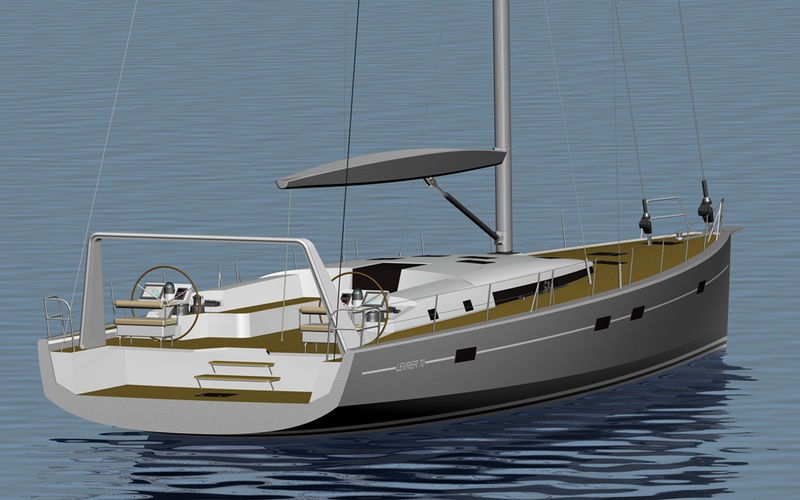
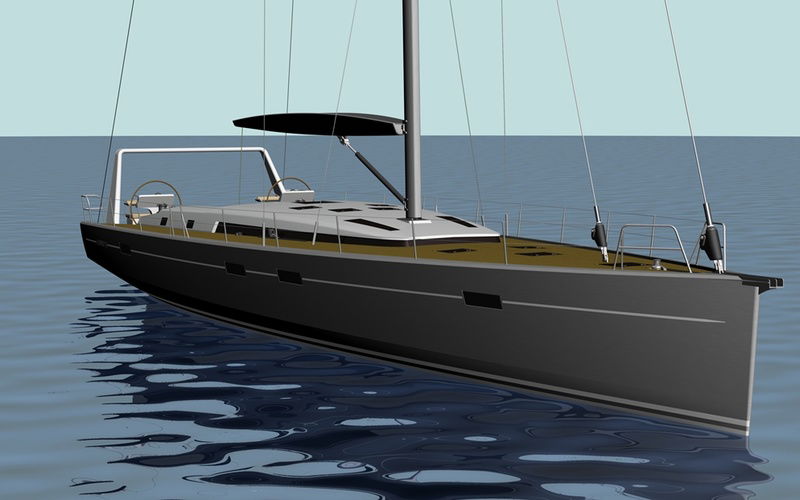


Images have been gathered from various sources and belong to their respective owners.
Review - Alubat Cigale 22

MarineBroker
02/21/2024, 4:56 AM
2016 Alubat Cigale 22: What to Know Before You Buy, Sail, or Refit This Offshore Cruiser
If you’ve been looking at the 2016 Alubat Cigale 22, chances are you already know it’s not just another sailboat. It’s the kind of yacht that gets people talking because it blends serious offshore capability with the practical appeal of aluminum construction and a layout designed for real passagemaking. But here’s the catch: boats like this often raise one big question for buyers and owners alike—how do you tell whether you’re getting a well-maintained, ready-to-go cruiser or a project with hidden costs waiting below deck?
That’s the real problem with a boat in this class. The Cigale 22 is built for long-distance sailing, but performance cruisers can be expensive to maintain, and condition matters just as much as design. Systems age, rigging wears, electronics become outdated, and even a strong aluminum hull needs proper inspection. The good news is that with the right approach, you can evaluate the boat confidently, avoid costly surprises, and make smart decisions whether you’re buying, upgrading, or preparing for bluewater use. This guide breaks it down in a practical, no-nonsense way.
- What Makes the 2016 Alubat Cigale 22 Stand Out
The 2016 Alubat Cigale 22 comes from a builder known for aluminum sailing yachts that are meant to go far, fast, and safely. Alubat has long been associated with offshore cruising, and the Cigale line is designed for sailors who want performance without giving up durability.
A few things make this model especially interesting:
- Aluminum hull and superstructure for strength and longevity
- Performance-oriented design for confident offshore sailing
- Spacious enough for extended cruising, yet still manageable for experienced crews
- A layout and build philosophy aimed at passagemaking rather than marina-only use
For many buyers, the appeal is simple: you get a boat that feels serious. It’s not a weekend toy pretending to be a cruiser. It’s a vessel intended for real miles, real weather, and real autonomy.
That said, boats like the Cigale 22 are usually chosen by sailors with specific goals. If you’re comparing it to production cruisers, the experience will be different. Expect a more purposeful feel, a more technical ownership profile, and a stronger focus on inspection and maintenance.
- The Main Problem Buyers Face with a 2016 Alubat Cigale 22
The biggest challenge isn’t finding a Cigale 22. It’s figuring out the true condition and value of the one you’re looking at.
With a boat like this, the purchase price is only part of the story. The real costs often show up in areas like:
- Standing and running rigging
- Sail inventory
- Engine service history
- Electrical and battery systems
- Navigation electronics
- Deck hardware and sealing
- Interior wear from offshore use
- Aluminum-specific maintenance concerns
A well-kept offshore cruiser can be a fantastic asset. A neglected one can quickly become a money pit.
This is especially true because many buyers assume aluminum means “low maintenance” or “nearly indestructible.” That’s only partly true. Aluminum hulls are tough, but they still need careful attention to corrosion control, bonding, insulation, and repairs done by people who know what they’re doing.
So the practical problem is not whether the 2016 Alubat Cigale 22 is a good boat in theory. It is. The question is whether the specific boat you’re considering has been maintained in a way that preserves its strengths.
- How to Evaluate a 2016 Alubat Cigale 22 Before You Buy
If you’re shopping for one, treat the inspection like a system-by-system project. Don’t rely on cosmetics or a recent polish. Offshore boats can look sharp while hiding expensive issues.
Here’s where to focus.
- Hull and Structure
Start with the aluminum hull and any visible welds, joints, and structural points. Look for signs of corrosion, impact repair, or inconsistent paint and coating work.
Pay close attention to:
- Pitting or oxidation
- Evidence of galvanic corrosion
- Repairs around fittings, keel areas, and chainplates
- Condition of insulation and condensation control
- Any signs of distortion or previous grounding
Aluminum boats can last a very long time, but only if water intrusion and incompatible metals have been managed properly.
- Deck and Hardware
Deck leaks are common on many boats, but on a performance cruiser they can lead to bigger issues over time. Check around:
- Stanchions
- Winches
- Hatches
- Cleats
- Chainplates
- Mast partners
- Cockpit fittings
If water has been getting in, you may see staining, soft spots in surrounding materials, or corrosion around fasteners. Even small leaks can lead to frustration and hidden damage.
- Rigging and Spars
For a 2016 model, the rig may still be serviceable, but age alone doesn’t tell the full story. Offshore sailors should know that standing rigging is often replaced on a schedule, depending on use and exposure.
Ask for:
- Rigging replacement records
- Inspection reports
- Mast and boom service history
- Evidence of cracking, corrosion, or wear at terminals
If the boat has crossed oceans or spent time in tropical climates, assume the rigging deserves careful scrutiny.
- Engine and Mechanical Systems
The auxiliary engine matters more than many first-time buyers think. For offshore cruising, reliability is everything.
Check:
- Service intervals
- Oil analysis if available
- Cooling system condition
- Belt wear
- Fuel tank cleanliness
- Shaft, propeller, and seals
- Spare parts availability
A well-documented engine history often tells you more about ownership quality than a shiny cabin ever will.
- Electrical and Electronics
A 2016 boat may have modern systems, but electronics age quickly. Screens, sensors, chargers, and batteries can all become expensive replacement items.
Look at:
- Battery age and type
- Charging systems
- Inverter/charger condition
- Wiring neatness and labeling
- Navigation electronics version and compatibility
- Lighting and circuit protection
A clean, well-organized electrical system is usually a sign that the boat has been cared for by someone who understands offshore reliability.
- Interior and Liveaboard Comfort
The Cigale 22 is more about function than luxury excess, but the interior still matters. If you plan to cruise, spend time aboard, or live aboard, check how the layout works in practice.
Ask yourself:
- Is there enough storage for passagemaking?
- Are berths secure and practical underway?
- Is ventilation adequate?
- Does the galley support real cruising?
- Are the head and water systems easy to maintain?
A beautiful interior that doesn’t work at sea is not much help.
- The Best Solution: Buy the Boat Like a Project, Even If It Looks Ready
Here’s the smartest approach: even if the 2016 Alubat Cigale 22 appears turnkey, evaluate it as though you’ll need to personalize and update it.
That doesn’t mean the boat is flawed. It means smart buyers plan for reality.
A practical ownership strategy looks like this:
- Budget for immediate upgrades after purchase
- Assume some systems may need refreshing
- Prioritize safety and reliability first
- Replace age-sensitive items before they fail
- Keep a reserve fund for offshore-specific maintenance
This approach reduces stress and keeps the boat usable, not just attractive.
For example, you might buy a Cigale 22 with a solid hull, good rig, and decent engine, but still choose to upgrade the batteries, service the sails, replace old hoses, and modernize the chartplotter. That’s normal. In fact, that’s often the best way to own a serious cruising yacht.
- Common Upgrades That Make Sense on a 2016 Alubat Cigale 22
If you’re preparing the boat for cruising, some upgrades will give you much better value than others.
- Electrical and Energy
Modern cruising depends on reliable power. Consider:
- Lithium or high-quality AGM batteries
- Efficient solar setup
- Updated battery monitoring
- Improved charging management
- LED lighting throughout
These upgrades improve comfort and reduce generator or engine dependence.
- Navigation and Safety
Outdated electronics can be a pain offshore. Useful updates may include:
- Modern chartplotter
- AIS transceiver
- Radar integration
- Updated autopilot components
- Reliable VHF with DSC
- EPIRB and offshore safety gear review
If the boat is meant for serious passage-making, safety systems should be current and easy to use.
- Sail Handling
A performance cruiser should be easy to handle with a small crew. Depending on the rig and current setup, improvements might include:
- Better reefing systems
- Upgraded furling gear
- New lines and clutches
- Winch servicing
- Sail inventory assessment
The goal is to make the boat safer and less tiring to sail, especially offshore.
- Comfort and Practicality
For long trips, comfort often comes from small improvements:
- Better ventilation
- Improved mattress systems
- More secure storage
- Galley organization
- Cabin lighting upgrades
- Sound insulation where needed
These changes don’t make headlines, but they make life aboard much better.
- What to Ask the Seller or Broker
A good listing is helpful, but paperwork tells the real story. Before making an offer, ask direct questions.
Useful questions include:
- How long has the current owner had the boat?
- Where has it been sailed?
- Was it used for coastal cruising or offshore passages?
- What major work has been done in the last five years?
- When were the rigging and sails last replaced?
- Are there maintenance logs and invoices?
- Has the boat had any groundings, collisions, or major repairs?
- Are there known corrosion issues or leak history?
The quality of the answers matters. Clear, documented responses usually indicate a more trustworthy boat.
If the seller can’t explain recent maintenance or avoids specifics, that’s a red flag. Offshore boats are too complex to buy on hope alone.
- Why Aluminum Matters on the 2016 Alubat Cigale 22
One of the main reasons people look at the Cigale 22 is the aluminum build. And for good reason.
Aluminum offers several advantages:
- Strong and impact-resistant
- Good for offshore conditions
- Easier to repair in some remote cruising regions than composite structures
- Long service life when properly maintained
But it also requires knowledge.
The key risks are usually related to:
- Corrosion from dissimilar metals
- Poor bonding or grounding systems
- Moisture trapped in insulated spaces
- Inadequate paint or protective coatings
- Unqualified repairs
If you’re new to aluminum boats, don’t panic. Just make sure you use a surveyor and yard familiar with aluminum sailing yachts. That one decision can save you a lot of trouble.
- Is the 2016 Alubat Cigale 22 a Good Choice for You?
This boat makes the most sense for sailors who want:
- Offshore capability
- Strong build quality
- A performance cruiser with real range
- A boat that rewards hands-on ownership
- A platform that can be updated for serious passagemaking
It may be less ideal if you want:
- Minimal maintenance
- A purely marina-based lifestyle
- A very simple entry-level sailboat
- A boat with low technical ownership demands
In other words, the Cigale 22 is a strong fit for sailors who appreciate purposeful design and are willing to stay on top of maintenance. It’s not about ownership convenience alone. It’s about capability and confidence.
If you’re comparing it with other performance cruisers, focus less on brochure specs and more on how the specific boat has been used. A well-maintained yacht with sensible upgrades is usually a better buy than a neglected one with a famous name.
- Practical Ownership Tips for New Owners
Once you own the boat, the first season matters a lot. A smart owner will:
- Create a full inventory of systems and spares
- Service critical components immediately
- Test all pumps, electronics, and emergency gear
- Replace unknown-age hoses, seals, and filters
- Inspect all through-hulls and seacocks
- Review the rig under load
- Sea trial the boat in different conditions
- Keep a maintenance log from day one
This gives you a baseline. From there, you can plan future upgrades instead of reacting to failures.
It also helps to build a relationship with a yard or technician who understands offshore sailboats and aluminum construction. That’s one of the best investments you can make.
- Final Thoughts on the 2016 Alubat Cigale 22
The 2016 Alubat Cigale 22 is a compelling choice for sailors who want a capable, well-built offshore cruiser with real performance credentials. But like any serious yacht, its value depends heavily on condition, maintenance history, and how well it has been prepared for the kind of sailing you want to do.
The best solution is to inspect it carefully, budget for updates, and focus on reliability before cosmetics. If you do that, you’ll be in a much better position to enjoy what this boat is meant to do: sail confidently, cover miles, and handle demanding conditions with composure.
If you’re considering one, take your time, ask detailed questions, and get a survey from someone who understands aluminum cruisers. That extra effort can make all the difference between a great purchase and an expensive lesson.
Specifications
General
Boat Type: Sail Boats
Class Type: Cruiser
Specifications
Length: 73.49
Beam: 19.36
Draft: 10.33
Hull Material: Aluminium
Build
First Built: 2016
Propulsion
Fuel Type: Diesel
Engines: 1
Power: 0 HP
Brand: Unknown
Accomodation
PROS & CONS
What we appreciated
 High-quality aluminum hull offering excellent durability and corrosion resistanceLightweight design contributes to good performance and fuel efficiencyCompact size makes it easy to handle and maneuverGood sailing characteristics for coastal cruising and short tripsLow maintenance requirements compared to traditional fiberglass boats
What we didn’t appreciate
 Limited interior space due to compact sizeLess suitable for extended offshore cruisingAluminum hull can be noisier compared to fiberglassFewer amenities and comforts compared to larger yachtsAvailability of parts and specialized repair may be limited in some regions
Upkeep Costs
Annual maintenance and repairs: $1,000 - $2,000
Storage/Marina fees: $1,500 - $3,000 per year
Insurance: $300 - $700 per year
Fuel (if applicable, for auxiliary engine): $200 - $500 per year
Miscellaneous (sails, safety equipment, upgrades): $500 - $1,000 per year
Rating
7.6
User
Score
Score
Driveability
Technology
Interior
Design
Similar Boats


MarineBroker
Download now for an immersive boat experience like never before! ⛵✨ Your journey begins with a simple click. 🌊📲
#SetSailSmart #DownloadNow
#SetSailSmart #DownloadNow

Subscribe
Copyright 2017 - 2026, Marinebroker.net, All Rights Reserved