2012 Alaska 59 Sedan: What Buyers Should Know Before Choosing a Classic Coastal Cruiser
If you’re looking at the 2012 Alaska 59 Sedan, you’re probably already drawn to the same things most boaters love about this style of yacht: ...
Discover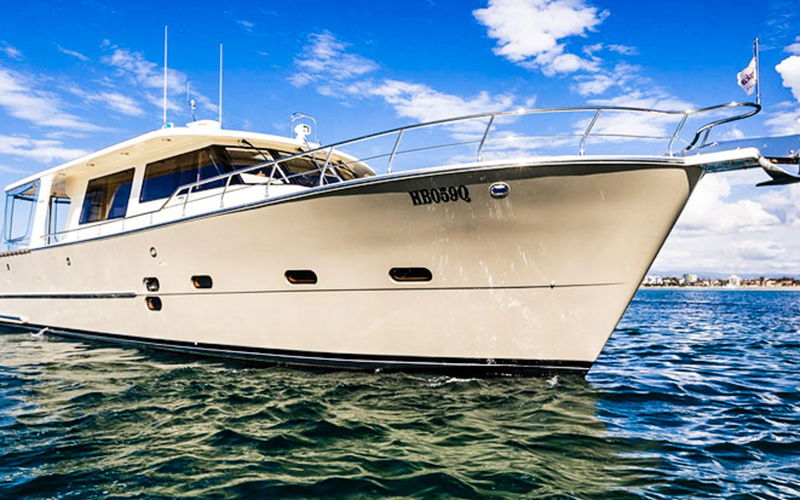


Images have been gathered from various sources and belong to their respective owners.
Latest Market Trends (Latest Available Year Model)
Price: $2,291,760
Review - Alaska 59 Sedan

MarineBroker
02/07/2024, 4:33 AM
2012 Alaska 59 Sedan: What Buyers Should Know Before Choosing a Classic Coastal Cruiser
If you’re looking at the 2012 Alaska 59 Sedan, you’re probably already drawn to the same things most boaters love about this style of yacht: strong seakeeping, a comfortable layout, and the kind of practical design that makes longer cruising feel less like a chore and more like an adventure. But here’s the tricky part—finding the right boat isn’t just about liking the photos or the spec sheet. With a vessel of this size and age, the real challenge is figuring out whether it fits your cruising plans, your maintenance expectations, and your budget over time.
That’s where a lot of buyers get stuck. A 59-foot sedan can be an excellent platform, but only if you understand what to look for before making a decision. The good news is that most of the common concerns are manageable once you know how to evaluate the boat properly. In this article, we’ll break down the key strengths of the 2012 Alaska 59 Sedan, the most important things to inspect, and the practical steps that can help you avoid costly surprises. If you’re seriously considering one, this will give you a much clearer picture of whether it’s the right fit.
- Why the 2012 Alaska 59 Sedan Still Gets Attention
The 2012 Alaska 59 Sedan remains interesting to many buyers because it sits in a sweet spot between traditional trawler-style cruising and more modern motor yacht comfort. Boats like this are often chosen by owners who want real offshore capability without giving up the livability needed for extended time aboard.
One of the biggest reasons people keep searching for this model is that it offers a practical layout for cruising couples, families, or even owner-operators who want a manageable size relative to the amenities on board. It’s the kind of boat that can handle coastal passages while still offering enough interior space to feel comfortable on longer trips.
For many buyers, the attraction is not just the boat itself, but what it represents:
- A solid cruising platform
- A usable amount of interior volume
- A more refined experience than smaller yachts
- A design that can work for both short weekends and longer journeys
That said, “good boat” and “right boat” are not always the same thing. The key is matching the boat’s strengths to your actual use case.
- The Main Problem Buyers Face: Fit, Condition, and Long-Term Ownership
When people shop for a boat like the 2012 Alaska 59 Sedan, the biggest problem usually isn’t finding interest—it’s making sure the boat is truly suitable. At this level, the wrong choice can mean expensive maintenance, limited docking options, or a layout that looks great on paper but doesn’t work in real life.
The most common issues buyers run into include:
- Underestimating operating costs
- Overlooking maintenance history
- Assuming a clean cosmetic appearance means the boat is mechanically sound
- Buying a size that’s too large for their typical cruising style
- Not checking whether the onboard systems match their expectations
This is especially important with a 59-foot sedan because boats in this category often come with more systems, more complexity, and more ownership responsibilities than smaller vessels. That doesn’t make them bad choices. It just means you need a smarter buying strategy.
- What Makes the 2012 Alaska 59 Sedan a Practical Cruiser
The 2012 Alaska 59 Sedan is appealing because it tends to offer a balanced mix of comfort and capability. For many owners, that balance is what matters most.
Here are some of the features that make this style of yacht attractive:
- A protected sedan-style helm area that can be more comfortable in changing weather
- Spacious interior areas that support extended stays aboard
- A layout that often works well for entertaining and family cruising
- A hull and build philosophy aimed at steady offshore performance
A sedan configuration also tends to be appreciated by boaters who want visibility and a more social helm environment. Compared with some flybridge designs, a sedan can feel more integrated and easier to move around on, especially when cruising in variable weather.
For buyers who plan to spend real time aboard, these design advantages can matter more than flashy features. A practical layout often becomes more valuable than a boat loaded with extras you rarely use.
- How to Evaluate the Hull and Structural Condition
If you’re considering a 2012 Alaska 59 Sedan, the hull and structure should be near the top of your inspection checklist. This is where you want to be methodical, not optimistic.
Look for the following:
- Signs of previous grounding or impact
- Osmosis or blistering, depending on hull construction
- Fairness in the hull surface
- Stress cracks around high-load areas
- Evidence of repairs that may not have been professionally done
You should also pay attention to the deck, windows, and any areas where water can enter over time. On a boat this size, even minor leaks can lead to bigger issues if ignored.
A professional survey is essential, but even before that, you can get a sense of the boat’s condition by asking:
1. Has the boat been stored indoors or outdoors?
2. Are there maintenance records for structural repairs?
3. Has it spent most of its life in saltwater or freshwater?
4. Was the boat cruised regularly or left idle for long periods?
These questions matter because boats that sit unused can develop hidden problems just as easily as heavily used boats.
- Engines, Systems, and the Real Cost of Ownership
For a buyer interested in the 2012 Alaska 59 Sedan, the engines and onboard systems are where the long-term costs often show up. A boat this size may have strong performance potential, but the real question is whether the machinery has been cared for consistently.
You’ll want to review:
- Engine hours
- Service records
- Oil analysis results, if available
- Cooling system condition
- Generator maintenance
- Fuel system cleanliness
- Electrical system updates
A well-maintained engine package can make the difference between a boat that feels dependable and one that becomes a constant project. The same goes for the generator, air conditioning, pumps, batteries, and navigation electronics.
A lot of buyers focus heavily on the asking price, but the smarter approach is to estimate the first 12 months of ownership. That should include:
- Survey and haul-out costs
- Immediate maintenance items
- Dockage or storage
- Insurance
- Fuel
- Routine service
- Unexpected repairs
That’s the part that often surprises new owners. A boat that looks affordable on the market may still require a meaningful investment after closing.
- Interior Layout: Comfort Matters More Than Flash
The 2012 Alaska 59 Sedan is the kind of boat where interior layout can make or break the ownership experience. A spacious cabin is great, but only if the flow works for how you actually cruise.
When evaluating the interior, think about:
- How easy it is to move between living spaces
- Whether the galley is practical for real cooking
- If the salon feels open or cramped
- How the sleeping arrangements work for guests
- Whether storage is truly adequate for longer trips
A lot of boats feel impressive during a short showing but become less practical once you’re living aboard. That’s why it helps to picture an actual weekend on the water. Where do wet gear, food, spare parts, and cleaning supplies go? Is there enough room to relax without constantly rearranging things?
A good cruising boat should reduce friction, not create it.
- Handling and Docking: Don’t Ignore Maneuverability
A 59-foot boat is not difficult to handle for an experienced skipper, but it is large enough that docking and close-quarters maneuvering deserve serious attention. The 2012 Alaska 59 Sedan may offer a friendly helm and good visibility, but you should still think about how you’ll use it day to day.
Consider:
- Side decks and safe movement around the boat
- Visibility from the helm
- Bow and stern thruster setup, if equipped
- Ease of line handling
- Docking conditions at your home marina
If you cruise in tight marinas or windy harbors, assistance systems can make a big difference. But even with them, the boat should feel manageable for your skill level.
A smart buyer will ask not just, “Can I operate this boat?” but also, “Will I enjoy operating this boat regularly?”
- The Importance of Surveying Older Cruisers Properly
Even though the 2012 Alaska 59 Sedan is not especially old by yacht standards, it is old enough that a thorough survey matters. A boat can look very polished and still hide expensive issues.
A proper survey should include:
- Hull and structural inspection
- Moisture readings where appropriate
- Engine and generator checks
- Sea trial
- Electrical system review
- Plumbing and tank inspection
- Safety equipment verification
If possible, use a surveyor who understands larger cruising yachts and not just small recreational boats. The systems on a 59-foot sedan are more complex than what many general inspectors see every day.
A sea trial is especially useful because it shows how the boat performs under load. You’ll learn more from how it starts, idles, accelerates, and handles than from a dockside walkthrough alone.
- Common Buyer Mistakes to Avoid
People who fall in love with a boat often make the same mistakes. If you’re looking at the 2012 Alaska 59 Sedan, try to avoid these common traps:
- Buying based on appearance alone
- Skipping a professional survey
- Ignoring service records
- Forgetting to budget for upgrades
- Choosing the wrong cruising size
- Assuming older electronics are “good enough”
Another mistake is focusing too much on maximum speed or headline specs. For most owners, comfort, reliability, and efficiency matter more than bragging rights.
A better approach is to ask:
- Does this boat match my cruising style?
- Can I afford the real cost of ownership?
- Is the current condition consistent with the asking price?
- Will I still enjoy this boat after the novelty wears off?
Those questions usually lead to better decisions than simply comparing listing photos.
- How to Decide Whether the 2012 Alaska 59 Sedan Is Right for You
The best way to decide is to work backward from your actual boating habits. If your goal is coastal cruising, weekend escapes, or longer comfortable trips with family and friends, this type of boat may be a strong fit.
It may be right for you if you want:
- A capable cruising yacht with a substantial feel
- A sedan-style layout for practical use
- More comfort than a smaller express cruiser
- A boat that can support extended time aboard
It may not be ideal if you want:
- Very low operating costs
- Easy trailering or simple marina access
- Minimal maintenance responsibilities
- A small, nimble boat for casual day use
The key is honesty. A larger cruiser can be a fantastic ownership experience, but only if it fits your lifestyle and budget.
- Practical Buying Tips for Serious Shoppers
If you’re actively shopping for a 2012 Alaska 59 Sedan, here are a few practical steps that can help you move forward with confidence:
1. Review maintenance logs carefully
Look for consistent service, not just recent cosmetic work.
2. Inspect all major systems
Engines, generator, AC, electronics, pumps, and batteries all matter.
3. Get a full survey and sea trial
Never skip this step on a boat of this size.
4. Estimate upgrade costs early
Even well-kept boats may need electronics, upholstery, or mechanical updates.
5. Compare the boat to your real cruising routine
Think about where you’ll go, how often you’ll use it, and who will be aboard.
6. Check marina compatibility
Make sure your home dock or preferred harbors can handle the boat comfortably.
These steps won’t eliminate every risk, but they will help you avoid the biggest surprises.
- Why a Thoughtful Search Pays Off
The 2012 Alaska 59 Sedan can be a very appealing choice for the right buyer because it blends cruising comfort with a practical, seaworthy design. But the value of a boat like this depends heavily on condition, maintenance, and whether it matches your actual needs.
That’s why a thoughtful search matters so much. The best purchase is rarely the flashiest one. It’s the one that gives you confidence every time you step aboard.
If you take the time to inspect carefully, compare ownership costs, and think honestly about how you’ll use the boat, you’ll be in a much better position to make a smart decision.
- Conclusion
The 2012 Alaska 59 Sedan stands out because it offers the kind of cruising experience many boaters want: comfortable, capable, and built for real time on the water. Still, the biggest challenge for buyers is making sure the boat’s condition, layout, and ownership costs line up with their expectations.
If you focus on the hull, mechanical systems, interior practicality, and long-term expenses, you’ll have a much clearer picture of whether it’s the right fit. A good survey and a realistic ownership plan can go a long way toward avoiding regret later. If you’re still exploring options, keep comparing similar cruising yachts and gathering details before making a final call. A little patience here usually pays off in a much better boating experience later on.
Specifications
General
Boat Type: Power Boats
Class Type: Trawler
Specifications
Length: 59.06
Beam: 17.06
Draft: 3.61
Hull Material: GRP
Build
First Built: 2012
Propulsion
Fuel Type: Diesel
Engines: 2
Power: 715 HP
Brand: Cummins
Accomodation
Berths: 9
Cabins: 4
Bathrooms: 3
PROS & CONS
What we appreciated
 Spacious and comfortable cabin suitable for extended tripsRobust construction ideal for harsh Alaska conditionsLarge fuel capacity for long-range cruisingWell-equipped with fishing and navigation gearGood stability and seaworthiness in rough waters
What we didn’t appreciate
 Older model may require more maintenanceFuel consumption can be high due to size and engineLimited speed compared to newer sportfishing boatsInterior styling may feel datedPotentially higher docking and storage costs due to size
Upkeep Costs
Fuel: Approximately $15,000 - $25,000 per year depending on usage
Maintenance and Repairs: Around $10,000 - $20,000 annually
Insurance: Typically $3,000 - $5,000 per year
Docking/Marina Fees: Varies widely, estimate $5,000 - $10,000 per year
Registration and Taxes: Approximately $1,000 - $2,000 annually
Rating
7.7
User
Score
Score
Driveability
Technology
Interior
Design
Similar Boats


MarineBroker
Download now for an immersive boat experience like never before! ⛵✨ Your journey begins with a simple click. 🌊📲
#SetSailSmart #DownloadNow
#SetSailSmart #DownloadNow

Subscribe
Copyright 2017 - 2026, Marinebroker.net, All Rights Reserved