Boat Database » Alva ECO Cruise 50
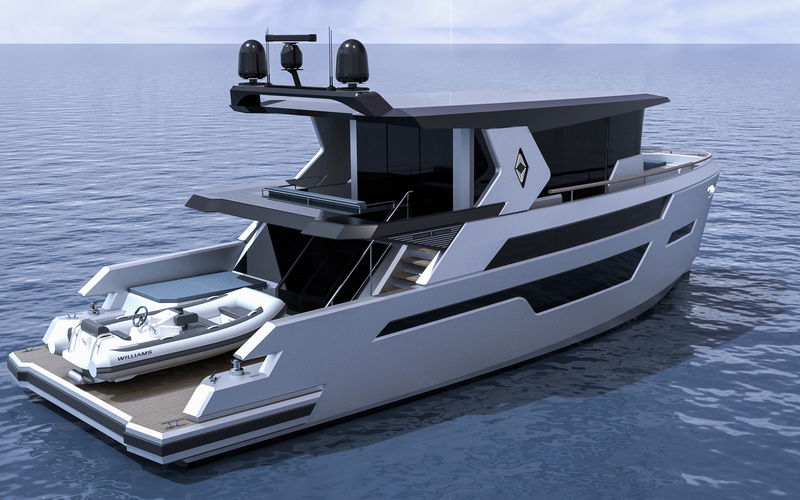
Alva ECO Cruise 50
Outboard four-stroke, Hybrid / Electric, 2x 136 HP
Power Boats 2021 Alva ECO Cruise 50: What Owners Should Know About Range, Charging, and Real-World Cruising
If you’ve been looking into the 2021 Alva ECO Cruise 50, you’re probably already drawn to the idea of quiet, clean, electric boating....
Discover


Images have been gathered from various sources and belong to their respective owners.
Review - Alva ECO Cruise 50

MarineBroker
03/08/2024, 9:47 AM
2021 Alva ECO Cruise 50: What Owners Should Know About Range, Charging, and Real-World Cruising
If you’ve been looking into the 2021 Alva ECO Cruise 50, you’re probably already drawn to the idea of quiet, clean, electric boating. And honestly, that appeal makes sense. A boat like this promises a smoother, more relaxed time on the water, with less noise, less maintenance, and no fuel dock hassle.
But here’s the part many buyers and curious owners eventually run into: electric cruising is a little different from traditional boating. The biggest questions usually aren’t about comfort or style. They’re about practical stuff like range, charging habits, trip planning, and whether the boat will actually fit the way you want to use it.
That’s the real problem with any electric cruiser. It’s not whether the concept works — it’s whether you can use it confidently in the real world without worrying about running short on power or making the wrong assumptions about performance. The good news is that with the right setup and a few smart habits, the 2021 Alva ECO Cruise 50 can be a very capable and enjoyable boat for day trips, relaxed cruising, and eco-conscious boating. Let’s break down what matters most and how to make electric boating work for you.
- What Makes the 2021 Alva ECO Cruise 50 Stand Out
The 2021 Alva ECO Cruise 50 sits in a growing category of electric leisure boats designed for quieter, cleaner, and more efficient time on the water. For many boaters, its biggest attraction is not raw speed — it’s the overall experience.
Electric cruising changes the feel of boating in a few important ways:
- Less engine noise
- Lower vibration
- Fewer mechanical maintenance points
- No fuel smell
- Smoother operation at cruising speeds
That said, the appeal of an electric cruiser also creates a learning curve. Traditional boaters are often used to thinking in gallons, horsepower, and fuel stops. Electric boat owners need to think in terms of battery state, charging time, and power management.
For the 2021 Alva ECO Cruise 50, that means success comes down to understanding how to use the boat efficiently rather than expecting it to behave exactly like a gas-powered cruiser. If you do that, the boat can be a great fit for calm-water outings, harbor cruising, and laid-back day adventures.
- The Main Problem: Range Anxiety and Real-World Planning
The most common issue people face with electric boats is range anxiety. In simple terms, that means worrying whether the battery will last long enough for the trip you want to take.
This concern is especially common with first-time electric boat owners because boating conditions can change quickly. Wind, current, passenger load, trim, and cruising speed all affect how much energy the boat uses.
Here’s why this matters:
- A calm lake trip may use far less power than a windy coastal run
- Running at higher speeds drains battery faster
- Carrying more people and gear increases demand
- Cold weather can reduce battery performance
- Poor planning can leave you with less reserve than expected
The solution is not to avoid electric boating. It’s to plan around the boat’s strengths. The 2021 Alva ECO Cruise 50 is best approached as a smart cruising platform, not a “set it and forget it” machine. Once you understand your typical route and energy use, the boat becomes much easier to manage.
- How to Think About Range the Smart Way
One of the best habits you can build is learning to treat range as a flexible estimate rather than a fixed number. That’s true for all boats, but especially for electric ones.
A practical way to plan is to ask:
1. How far am I actually going?
2. How fast do I want to cruise?
3. What conditions will I face?
4. How much reserve do I want left at the end?
For example, a relaxed afternoon loop on protected water is very different from a long run in choppy conditions. Even if two trips cover the same distance, the battery usage may be wildly different.
A few useful planning tips:
- Use lower cruising speeds when possible
- Avoid unnecessary acceleration bursts
- Leave a battery reserve instead of using the full pack
- Track your real-world usage over several trips
- Adjust your route based on wind and current
The biggest mistake new owners make is planning like they’re still in a fuel boat, where a quick top-off is easy. With electric boating, your best strategy is consistency. Know your typical consumption pattern and build your outings around that.
- Charging Habits That Make the Biggest Difference
Charging is where many electric boat owners either build confidence or create frustration. The good news is that once you establish a routine, it becomes pretty straightforward.
The 2021 Alva ECO Cruise 50 benefits most when charging is treated as part of the boating routine, not an afterthought. If you wait until the battery is too low or charge inconsistently, you’ll feel more limited than you need to.
Here’s what helps most:
- Charge after each outing when practical
- Avoid letting the battery sit at very low charge for long periods
- Keep an eye on your charging environment and power source
- Plan overnight charging when available
- Learn how long a full charge takes in your setup
It also helps to think about where you use the boat. If your marina, dock, or home charging setup is reliable, electric boating becomes much easier. If charging access is limited, you’ll want to be more conservative with trip length.
A simple rule of thumb: the better your charging access, the more enjoyable the boat becomes. That’s true for the 2021 Alva ECO Cruise 50 and really any electric cruiser.
- Best Use Cases for the 2021 Alva ECO Cruise 50
Not every boat is ideal for every job, and that’s especially true with electric models. The 2021 Alva ECO Cruise 50 is most useful when matched to the right kind of boating.
It tends to make the most sense for:
- Day cruising on calm or protected water
- Scenic harbor tours
- Relaxed family outings
- Eco-conscious leisure boating
- Quiet social cruising
- Short-to-moderate range trips with charging access
It may be less ideal if you regularly need:
- Long-range offshore runs
- High-speed travel over large distances
- Frequent trips without charging access
- Heavy-duty towing or utility work
That doesn’t mean the boat is limited in a bad way. It just means its strengths are different. If your boating style is relaxed, planned, and centered around enjoying the ride, the 2021 Alva ECO Cruise 50 can be a very good match.
- How to Get Better Efficiency on the Water
If your goal is to stretch range and reduce stress, efficiency is your best friend. Small changes in how you operate the boat can make a noticeable difference.
Here are some simple ways to improve performance:
- Cruise at moderate speeds instead of max speed
- Keep weight onboard to a reasonable minimum
- Distribute passengers and gear evenly
- Reduce drag by keeping the boat properly trimmed
- Avoid aggressive throttle changes
- Plan routes that minimize fighting wind and current
This is where electric boating becomes a bit more skill-based than many people expect. The boat rewards smooth, deliberate operation.
A useful example: two identical trips may produce very different battery usage if one is run at a steady pace and the other involves repeated speed changes. Smooth cruising is not only more relaxing, it’s usually more efficient.
If you’re using the 2021 Alva ECO Cruise 50, think of efficiency as part of the boating style. The calmer you operate, the farther and more comfortably you’re likely to go.
- Maintenance Advantages That Often Get Overlooked
One reason many boaters are interested in electric models is maintenance. Compared with traditional combustion-powered boats, electric cruisers generally have fewer moving parts and fewer routine engine-related service tasks.
That can mean fewer headaches, but it doesn’t mean “maintenance-free.”
You still need to stay on top of:
- Battery care and charging habits
- Electrical connections
- Hull cleaning
- Safety checks
- General system inspections
- Software or system updates, if applicable
The payoff is that the maintenance routine is often simpler and more predictable. For owners who want more time on the water and less time dealing with engine maintenance, that’s a major plus.
With the 2021 Alva ECO Cruise 50, the practical benefit is peace of mind. You’re less likely to deal with fuel-related issues or some of the complexity that comes with traditional propulsion systems. But like any boat, regular inspection and care still matter.
- What Buyers Often Underestimate
People shopping for an electric cruiser often focus on the novelty and overlook the day-to-day realities. That’s understandable, but it can lead to disappointment if expectations aren’t realistic.
A few things are commonly underestimated:
- How much trip planning matters
- How important charging access is
- How weather affects range
- How speed changes energy use
- How useful a reserve charge really is
This doesn’t make the 2021 Alva ECO Cruise 50 less appealing. It just means the best owners are the ones who understand the operating model before they buy or use the boat heavily.
Think of it like owning an EV car versus a gas car. Once you learn the charging rhythm and driving style, it becomes second nature. The same idea applies on the water.
- Practical Tips for First-Time Electric Cruiser Owners
If you’re new to electric boating, a few habits can make the transition much easier.
Start with these:
1. Do a short familiarization run before planning a long outing
2. Track battery usage at different speeds
3. Keep a simple trip log for distance, load, and conditions
4. Build in extra time for charging
5. Avoid planning your first trips at the edge of the boat’s range
6. Learn how weather affects your actual performance
One of the smartest things you can do is create your own reference points. Manufacturer estimates are useful, but your local water conditions are what really matter.
For example, if your usual route includes afternoon wind chop, you’ll want to know how that changes consumption. If you mostly cruise in sheltered water, your experience may look very different. Over time, the 2021 Alva ECO Cruise 50 becomes much easier to use because you’ll know what to expect.
- Who This Boat Makes the Most Sense For
The 2021 Alva ECO Cruise 50 is a strong fit for boaters who value comfort, quiet operation, and a more modern boating experience.
It’s especially appealing if you:
- Prefer relaxed cruising over speed
- Have access to reliable charging
- Boat in calm or protected waters
- Want a lower-maintenance ownership experience
- Care about reducing noise and emissions
- Enjoy planning trips ahead of time
It may not be the first choice for someone who wants maximum range at high speeds or a boat that can be used impulsively without much planning. But for the right owner, that tradeoff is worth it.
In other words, this is a boat for people who like the idea of being intentional on the water. If that sounds like you, the 2021 Alva ECO Cruise 50 can be a very satisfying choice.
- Conclusion
The 2021 Alva ECO Cruise 50 stands out because it offers a different kind of boating experience: quieter, cleaner, and more relaxed. The main challenge for owners and shoppers is not whether the concept works, but how to manage range, charging, and trip planning in a real-world setting.
Once you understand those basics, the solution is pretty straightforward: cruise efficiently, charge consistently, and match the boat to the kind of boating you actually do. That approach turns electric boating from a guessing game into a smooth routine. If you’re exploring this model, it’s worth learning how your local conditions and usage style fit with its strengths before making decisions.
Specifications
General
Boat Type: Power Boats
Class Type: Trawler
Specifications
Length: 49.87
Beam: 15.91
Draft: 4.2
Hull Material: GRP
Build
First Built: 2021
Propulsion
Fuel Type: Hybrid / Electric
Engines: 2
Power: 136 HP
Brand: Unknown
Accomodation
Berths: 6
Cabins: 3
Bathrooms: 2
PROS & CONS
What we appreciated
 Fully electric propulsion with zero emissionsSilent operation enhancing onboard comfortSustainable materials and eco-friendly designSpacious interior with modern amenitiesLow maintenance compared to traditional engines
What we didn’t appreciate
 Limited range compared to fuel-powered boatsLonger recharge times for batteriesHigher initial purchase priceCharging infrastructure may be limited in some areasLess powerful in rough sea conditions compared to conventional boats
Upkeep Costs
Fuel: Approximately $15,000 - $25,000 per year depending on usage
Maintenance and Repairs: Around $5,000 - $10,000 annually
Docking and Marina Fees: $3,000 - $8,000 per year depending on location
Insurance: $1,500 - $3,000 per year
Storage and Winterization: $1,000 - $3,000 annually
Rating
8.5
User
Score
Score
Driveability
Technology
Interior
Design
Similar Boats


MarineBroker
Download now for an immersive boat experience like never before! ⛵✨ Your journey begins with a simple click. 🌊📲
#SetSailSmart #DownloadNow
#SetSailSmart #DownloadNow

Subscribe
Copyright 2017 - 2026, Marinebroker.net, All Rights Reserved