Boat Database » Axopar 28 AC Cabin
Axopar 28 AC Cabin
Outboard four-stroke, Unleaded, 1x 300 HP
Power Boats 2014 Axopar 28 AC Cabin: What to Look For, Common Issues, and How to Enjoy It More
If you’re researching the 2014 Axopar 28 AC Cabin, chances are you already know it has a strong reputation for sharp styling, efficient performanc...
Discover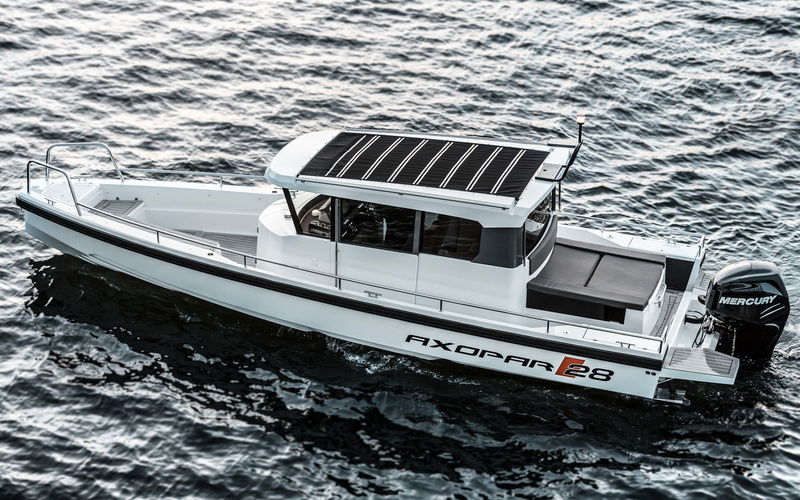
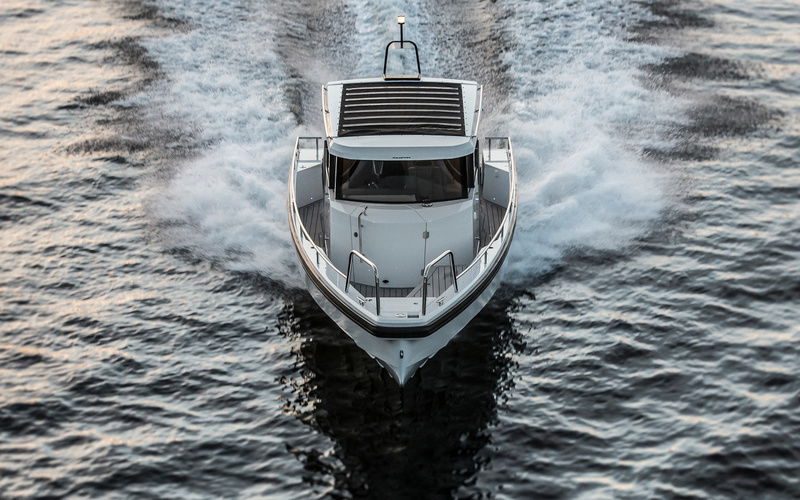
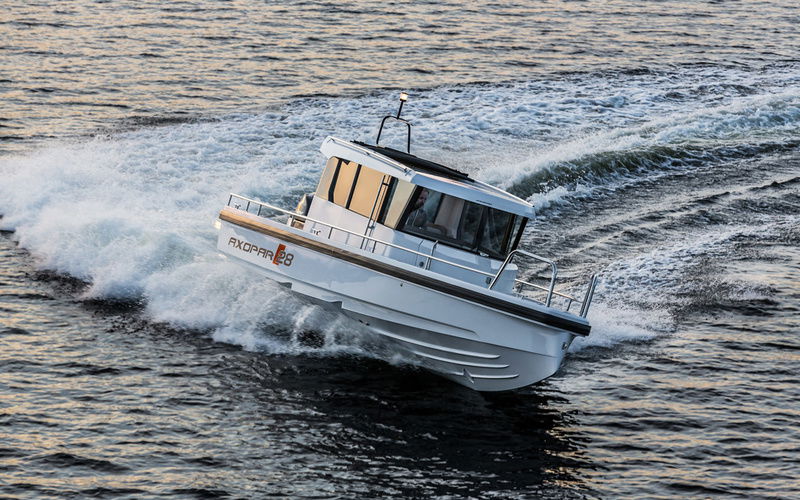
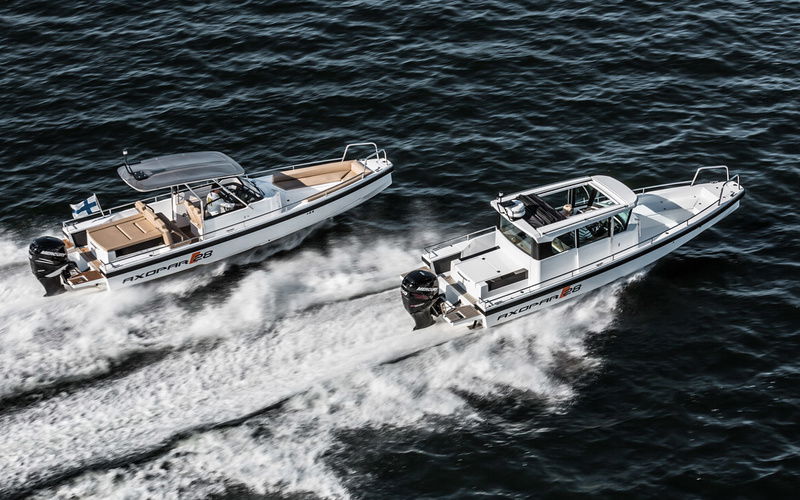
Images have been gathered from various sources and belong to their respective owners.
Review - Axopar 28 AC Cabin

MarineBroker
07/01/2024, 8:34 AM
2014 Axopar 28 AC Cabin: What to Look For, Common Issues, and How to Enjoy It More
If you’re researching the 2014 Axopar 28 AC Cabin, chances are you already know it has a strong reputation for sharp styling, efficient performance, and a layout that makes a lot of sense for real-world boating. But like any used boat, especially one that’s been around for a decade, the big question is not just “Is it a good boat?” It’s “What should I watch for so I don’t end up with expensive surprises?”
That’s the real challenge for most buyers and owners. A boat like the 2014 Axopar 28 AC Cabin can be a fantastic choice, but only if you understand the common wear points, how it’s typically used, and what makes it different from other cabin boats in its class. The good news is that most of the usual concerns are manageable if you know where to look and how to maintain the boat properly.
In this guide, we’ll break down the practical things to check, the issues that matter most, and the simple steps that can help you get more value and more enjoyment from the 2014 Axopar 28 AC Cabin.
- Why the 2014 Axopar 28 AC Cabin still attracts attention
The Axopar 28 AC Cabin earned its reputation for a reason. It’s compact enough to be easy to handle, but practical enough for weekend cruising, commuting, and shoulder-season boating. The cabin arrangement gives you more weather protection than an open boat, which is a big plus if you boat in cooler climates or like extending your season.
What makes this model especially interesting is its balance. It’s not trying to be a huge family cruiser, and it’s not a stripped-down center console either. It sits in a sweet spot for owners who want something sporty, efficient, and usable in a variety of conditions.
For many buyers, the appeal of the 2014 Axopar 28 AC Cabin comes down to three things:
- A distinctive, modern hull design
- Good fuel efficiency for the size
- A versatile cabin layout that works for day trips and overnighting
That said, used boats always come with a few tradeoffs. The trick is knowing which ones are normal and which ones deserve a closer inspection.
- The most common problem buyers face with a used 2014 Axopar 28 AC Cabin
The biggest issue for many people is uncertainty. They like the boat, but they don’t know how to judge its condition beyond the obvious cosmetics. With a used cabin boat, hidden maintenance history can matter more than shiny upholstery or a clean hull.
Common concerns include:
- Engine hours and service records
- Water intrusion around hatches, windows, and fittings
- Wear in the cabin from condensation and damp storage
- Corrosion on hardware and electrical connections
- Hull damage from docking, trailering, or grounding
- Aging upholstery, seals, and trim
This is especially important on a boat that’s often used in mixed conditions. The 2014 Axopar 28 AC Cabin may have seen saltwater, colder weather, or frequent offshore runs, all of which can accelerate wear in different ways.
So the real problem isn’t just “Is the boat good?” It’s “How do I separate a well-kept example from one that looks fine but needs a lot of work?”
- What to inspect first on a 2014 Axopar 28 AC Cabin
A smart inspection saves money and stress later. If you’re evaluating this model, focus first on the areas that affect safety, reliability, and water integrity.
- Hull and deck
Start with the hull, especially around the keel, spray rails, chines, and stern. You’re looking for:
- Scratches or gouges deeper than surface wear
- Signs of impact or repairs
- Soft spots in the deck
- Stress cracks near fittings or high-load areas
The Axopar hull design is one of its strengths, but like any performance-oriented boat, it should be checked carefully for evidence of hard use. A boat that’s been repeatedly beached, trailered poorly, or docked hard can show wear in these spots.
- Cabin and seals
The cabin is a major selling point on the 2014 Axopar 28 AC Cabin, so don’t overlook it. Check:
- Window seals
- Hatch seals
- Door operation
- Moisture around frames
- Condensation marks or mildew smells
A small leak may not seem like a big deal at first, but over time it can damage upholstery, wiring, and interior panels. Even a boat that looks clean can hide water intrusion if it was stored outdoors without proper care.
- Engine and drive system
Whether the boat has a single outboard or another setup, the engine is where a lot of the value lives. Ask for:
- Full service records
- Oil and filter change history
- Impeller replacement history
- Lower unit service details
- Any past overheating or warning alarms
A pre-purchase mechanical inspection is worth it. On a used boat, a few hundred dollars spent on a professional check can prevent thousands in repair bills later.
- Electrical system
This is one of the easiest places for older boats to develop annoying problems. Test:
- Navigation lights
- Cabin lights
- Pumps
- Gauges
- Charging system
- Electronics and switches
Look for corrosion at terminals, loose wiring, or signs of amateur modifications. Boats that have had multiple owners sometimes end up with mixed-quality electrical work, and that can create frustrating gremlins.
- How to tell if a 2014 Axopar 28 AC Cabin has been well maintained
A well-maintained boat usually tells on itself. Even without a full survey report, there are clues that separate a cared-for boat from a neglected one.
Look for these signs:
- Regular service documentation
- Clean bilge and engine bay
- Matching wear levels across the boat
- Working zippers, latches, and hinges
- No strong fuel, mildew, or electrical odors
- Soft goods that are worn but not abused
It’s also worth asking how the boat was stored. A boat kept under cover, on a lift, or in dry indoor storage usually ages better than one left exposed year-round.
Another good sign is consistency. If the exterior is clean, the cabin is tidy, the engine bay is organized, and the service log is complete, there’s a better chance the owner treated maintenance seriously.
- Typical wear points on the 2014 Axopar 28 AC Cabin
Every boat has its weak spots. Knowing the typical wear areas helps you inspect smarter and maintain better.
- Upholstery and cushions
Cabin and cockpit cushions can fade, crack, or absorb moisture over time. Even if they still look decent, check the stitching and backing for hidden wear.
- Hatch hardware
Hinges, latches, gas struts, and locks can loosen or corrode. These parts are often overlooked until they stop working properly.
- Trim and seals
Rubber seals and trim pieces age faster in sun and salt. Once they start shrinking or cracking, leaks become more likely.
- Corrosion-prone hardware
Stainless steel isn’t immune to corrosion, especially in harsh marine environments. Check fasteners, rail bases, and fittings closely.
- Electronics
Older chartplotters, radios, and displays may still work fine, but they can become outdated or unreliable. Factor in replacement costs if needed.
- Practical solution: how to protect your investment after buying
Once you’ve found a good 2014 Axopar 28 AC Cabin, the best solution is a simple maintenance routine. Most used-boat problems get worse because they’re ignored early.
Here’s a practical approach:
- Wash the boat after saltwater use
- Rinse hardware, tracks, and hinges thoroughly
- Inspect seals and caulking every few months
- Keep the bilge clean and dry
- Run the engine regularly and follow service intervals
- Store cushions and soft goods dry when possible
- Use a cover or proper shelter to reduce UV damage
A lot of boat owners think maintenance has to be complicated, but the truth is that consistency matters more than complexity. Small habits prevent big repairs.
For example, catching a leaking hatch seal early may cost very little to fix. Waiting until the cabin smells musty and the trim is damaged is a much bigger problem.
- Best uses for the 2014 Axopar 28 AC Cabin
This model works especially well for owners who want flexibility. It’s not just a fair-weather day boat, and it’s not a full-size cruiser with huge systems to manage. That makes it appealing to a wide range of boaters.
It’s a strong fit for:
- Coastal day cruising
- Family outings
- Weekend trips
- Commuting between islands or marinas
- Cooler-weather boating
- Owners who want a manageable boat with real cabin protection
The cabin is a real advantage if you boat in changeable weather. It gives you a place to get out of wind, spray, or rain, which can make the difference between a short outing and an enjoyable full day on the water.
- What upgrades make sense on this boat
If you already own the boat or are planning to buy one, a few upgrades can make it more comfortable and reliable without overcomplicating things.
Useful upgrades often include:
- Modern chartplotter and sonar
- Fresh batteries and battery monitoring
- LED cabin and deck lighting
- New canvas or weather protection
- Upgraded shore power setup, if applicable
- Improved stereo or communication gear
- Better non-slip mats or deck protection
The key is not to over-accessorize. On a boat like the 2014 Axopar 28 AC Cabin, practical upgrades usually deliver more value than flashy add-ons.
- Buying tips for a used 2014 Axopar 28 AC Cabin
If you’re shopping for one, use a checklist and don’t rush the process. A clean-looking listing can hide issues that only show up during a proper inspection.
Before buying, ask for:
1. Service history
2. Engine hours and usage pattern
3. Storage history
4. Any repair or repair-related invoices
5. A sea trial, if possible
6. A marine survey from a qualified inspector
During the sea trial, pay attention to:
- How quickly the engine starts
- Whether it idles smoothly
- Steering response
- Trim and handling
- Noise or vibration
- Electronics function
- Any warning lights or alarms
If something feels off, trust that feeling. Boats are expensive enough that “good enough” is often not good enough.
- Is the 2014 Axopar 28 AC Cabin still a smart choice?
For the right buyer, yes. The 2014 Axopar 28 AC Cabin remains appealing because it offers a useful mix of performance, shelter, and style. It’s a boat that can still make a lot of sense if it’s been maintained properly and inspected with care.
The main challenge is not the design itself, but the condition of the specific boat you’re looking at. A well-kept example can be a great value. A neglected one can quickly become a money pit, especially if water intrusion or engine neglect has been ignored.
That’s why the smartest approach is to focus on condition, service history, and real-world usability rather than just appearance.
- Conclusion
The 2014 Axopar 28 AC Cabin can be a very rewarding boat for owners who want a practical, stylish cabin cruiser with sporty handling and solid versatility. The key is knowing what to inspect, what wear is normal, and which issues deserve immediate attention. Most of the common problems on a used example are manageable if you catch them early and maintain the boat consistently.
If you’re shopping for one, take your time, review the records, and get a proper survey before committing. If you already own one, a steady maintenance routine will go a long way toward keeping it reliable and enjoyable. In the end, the best boat is the one that fits your use and stays in good shape for the way you actually boat.
Specifications
General
Boat Type: Power Boats
Class Type: Trawler
Specifications
Length: 28.22
Beam: 9.35
Draft: 2.46
Hull Material: GRP
Build
First Built: 2014
Propulsion
Fuel Type: Unleaded
Engines: 1
Power: 300 HP
Brand: Mercury
Accomodation
Berths: 4
PROS & CONS
What we appreciated
 Modern and stylish design with a sporty lookSpacious and comfortable cabin suitable for overnight staysEfficient use of space with practical layoutGood performance with powerful outboard enginesVersatile for both leisure cruising and watersports
What we didn’t appreciate
 Relatively high fuel consumption compared to smaller boatsLimited storage space for extended tripsCan be expensive to maintain due to premium componentsCabin headroom may be restrictive for taller individualsRide can be choppy in rough seas due to hull design
Upkeep Costs
Fuel: Approximately $5,000 - $8,000 per year depending on usage
Maintenance and Repairs: Around $1,500 - $3,000 per year
Insurance: Typically $800 - $1,500 annually
Docking/Storage Fees: $1,200 - $3,000 per year depending on location
Registration and Taxes: $100 - $300 annually

Rating
7.7
User
Score
Score
Driveability
Technology
Interior
Design
Similar Boats


MarineBroker
Download now for an immersive boat experience like never before! ⛵✨ Your journey begins with a simple click. 🌊📲
#SetSailSmart #DownloadNow
#SetSailSmart #DownloadNow

Subscribe
Copyright 2017 - 2026, Marinebroker.net, All Rights Reserved