Boat Database » Airship Ribs 340
Airship Ribs 340
Outboard four-stroke, Unleaded, 2x 450 HP
Power Boats 2014 Airship Ribs 340: A Practical Guide to Buying, Inspecting, and Enjoying This Compact RIB
If you’re looking at the 2014 Airship Ribs 340, you’re probably after a small, capable rigid inflatable boat that’s easy to handle, sim...
Discover
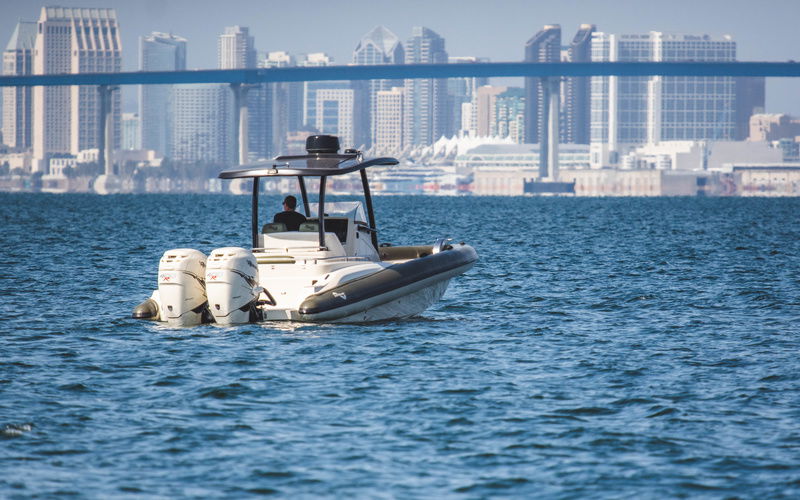

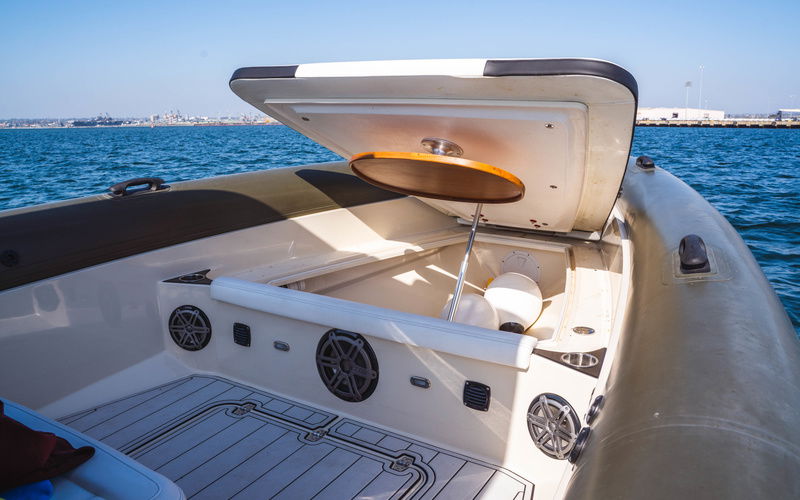
Images have been gathered from various sources and belong to their respective owners.
Review - Airship Ribs 340

MarineBroker
02/05/2024, 9:31 AM
2014 Airship Ribs 340: A Practical Guide to Buying, Inspecting, and Enjoying This Compact RIB
If you’re looking at the 2014 Airship Ribs 340, you’re probably after a small, capable rigid inflatable boat that’s easy to handle, simple to trailer, and versatile enough for tender duty, short coastal runs, or casual fun on the water. The challenge is that boats in this size range can look similar on paper, but their real-world condition, setup, and maintenance history matter a lot more than the model year alone.
That’s where many buyers get stuck. A used RIB may seem like a straightforward purchase, but hidden issues like tube wear, transom stress, outdated electronics, or an underpowered engine can quickly turn a good deal into an expensive headache. On the flip side, a well-kept 340 can be a very smart, low-stress boating choice.
In this guide, we’ll break down what makes the 2014 Airship Ribs 340 worth considering, what problems buyers commonly run into, and how to inspect, maintain, and use one with confidence. Whether you’re shopping for your first RIB or just trying to make a smarter decision, this article will help you focus on what really matters.
- What Makes the 2014 Airship Ribs 340 Worth a Look
The 2014 Airship Ribs 340 sits in a sweet spot for boaters who want portability without giving up the stability and confidence that a rigid inflatable boat is known for. At around 3.4 meters in length, it’s compact enough for easy storage and launching, yet still practical for a range of everyday tasks.
For many owners, this size is ideal as:
- A yacht tender
- A harbor or marina runabout
- A light-duty fishing platform
- A family boat for calm-water outings
- A backup vessel that’s easy to tow and maintain
One of the biggest strengths of a RIB in this class is its balance of weight and performance. The rigid hull gives better handling than a soft inflatable, while the tubes add buoyancy, stability, and a softer ride in chop. That combination makes the boat feel reassuring, especially for newer boaters.
The 2014 model year also means you’re often looking at a boat that has had time to prove itself. By now, the real question is not just “What was it like new?” but “How well has it been cared for?” That’s the key to getting value from a used RIB.
- The Most Common Problem: Buying Based on Model Name Alone
A lot of buyers focus on the brand and year, then assume the rest will fall into place. With a boat like the 2014 Airship Ribs 340, that can be a mistake.
The real problem is that used RIBs age differently depending on how they were stored, used, and maintained. Two boats from the same year can feel completely different.
Common issues include:
- UV damage to the tubes
- Loose or weakened seams
- Hull scratches or impact damage
- Transom flex or water intrusion
- Corrosion on fittings and engine components
- Old fuel systems or neglected outboards
- Worn valves or air leaks
- Poorly matched engine power
This is why the smartest approach is to treat the boat as a system, not just a model. The hull, tubes, engine, controls, trailer, and accessories all need a quick but careful evaluation.
If you’re shopping for a used 2014 Airship Ribs 340, the solution is simple: inspect the boat methodically and prioritize condition over cosmetics.
- How to Inspect a 2014 Airship Ribs 340 Before You Buy
A proper inspection can save you from expensive surprises. You don’t need to be a surveyor to spot many of the major warning signs.
- Check the Tubes First
The inflatable tubes are one of the most important parts of any RIB. They affect buoyancy, stability, and overall safety.
Look for:
- Fading or chalky surfaces from sun exposure
- Patches that suggest prior repairs
- Cracks, abrasions, or cuts
- Soft spots or uneven inflation
- Leaking valves
- Separation at seams or glue lines
A small patch is not necessarily a dealbreaker. But lots of repairs, especially near seams or high-stress areas, can indicate heavy use or poor storage.
- Inspect the Hull and Transom
The rigid hull should feel solid and consistent. Pay attention to:
- Deep gouges or repaired impact areas
- Stress cracks around lifting points or fittings
- Signs of osmosis or blistering if it’s a fiberglass hull
- Water around the transom or engine mounting area
- Flexing when pressure is applied near the engine mount
The transom is especially important. If it feels soft, spongy, or flexes too much under load, that’s a major red flag.
- Evaluate the Engine Setup
A compact RIB like the 2014 Airship Ribs 340 is often paired with a small outboard. The engine should be matched to the boat’s intended use, weight, and load.
Check:
- Starting behavior
- Idle smoothness
- Cooling water flow
- Gear engagement
- Throttle response
- Exhaust smoke
- Service records
- Propeller condition
If the engine is hard to start, rough at idle, or showing signs of corrosion, budget for repairs before you buy.
- Look at the Console and Controls
If the boat has a console or remote controls, check that everything is functional and tidy.
Inspect:
- Steering cable or hydraulic response
- Throttle and shift smoothness
- Wiring condition
- Battery placement and security
- Navigation lights or electronics
- Switches and gauges
Poor wiring is common on smaller boats, especially if accessories were added later without proper marine-grade materials.
- Confirm Trailer Condition if Included
A trailer can be a huge bonus, but it can also be another hidden expense.
Check:
- Bearings
- Tires
- Winch strap
- Bunks or rollers
- Rust or frame fatigue
- Lights and wiring
- Registration status
A bad trailer can make a good boat annoying to own. A decent trailer, on the other hand, makes the whole package much more practical.
- Why Storage and Maintenance Matter More Than Age
With a boat like the 2014 Airship Ribs 340, age alone doesn’t tell you much. Storage history often matters more.
A boat kept under cover, rinsed after use, and serviced regularly may be in much better shape than a newer boat left in the sun and salt. UV exposure is especially hard on inflatable tubes, adhesives, and plastic components.
Good signs of care include:
- Clean, even tube color
- Dry storage or covered storage
- Regular engine servicing
- Fresh fuel and clean tank lines
- Proper inflation habits
- Documented repairs and upgrades
Bad signs include:
- Mildew smell
- Brittle tube material
- Corroded fittings
- Cracked hoses
- Sloppy patchwork repairs
- Lack of receipts or service history
If you’re comparing two similar boats, choose the one with better maintenance records almost every time.
- Best Uses for the 2014 Airship Ribs 340
This boat size is not about maximum speed or offshore capability. It’s about flexibility, ease, and confidence in lighter-duty boating situations.
- Tender Use
For yacht owners, a 340 is often a very practical tender size. It’s light enough to manage, stable enough for passengers, and compact enough to store more easily than larger inflatables.
- Harbor and Marina Transport
Need to move between dock and shore? A small RIB is ideal for short trips, errands, or quick guest transfers. The maneuverability is one of its biggest strengths.
- Casual Family Outings
On calm water, the 2014 Airship Ribs 340 can be a great family boat for relaxed cruising, sightseeing, and short water adventures.
- Fishing and Light Utility Work
It can also work well as a simple fishing platform or utility boat. Add a few rod holders, a small cooler, and basic storage, and it becomes a very useful little craft.
- What to Expect in Performance
Performance depends heavily on the engine, load, and hull condition, but a boat in this class usually offers a few predictable traits.
You can expect:
- Easy launching and recovery
- Good stability at rest
- Responsive turning
- Efficient operation with a small engine
- Limited space for heavy loads
- Better comfort in moderate chop than a flat-bottomed boat
What you should not expect is big-boat comfort or high-speed offshore capability. A 340 is best when used within its design limits.
If you overload it with passengers, fuel, gear, and a heavy engine, performance will drop quickly. The boat may plane poorly, feel sluggish, or ride lower in the water than intended.
- How to Choose the Right Engine and Setup
The right engine setup can make a huge difference in how the 2014 Airship Ribs 340 feels on the water.
A good setup should:
- Match the manufacturer’s recommended power range
- Keep weight under control
- Provide easy starting and smooth throttle response
- Be simple to service
- Suit your main use case
For example:
- If you want a tender, prioritize fuel efficiency and easy handling.
- If you want short recreational trips, look for a balanced setup with enough power to plane comfortably.
- If you plan to carry more passengers or gear, avoid underpowering the boat.
It’s also worth checking prop selection. The wrong prop can make a healthy engine feel weak or inefficient.
- Practical Maintenance Tips for Owners
If you already own a 2014 Airship Ribs 340, good maintenance will help it stay reliable and enjoyable for years.
- Rinse After Every Use
Salt and grime are tough on fittings, tubes, and engines. A freshwater rinse after each outing goes a long way.
- Keep the Tubes Properly Inflated
Underinflated tubes can flex too much and wear faster. Overinflation can stress seams, especially in heat. Check pressure regularly.
- Protect from UV
Use a cover when possible and store the boat out of direct sunlight. UV protection sprays can help, but they’re not a substitute for shade.
- Service the Engine on Schedule
Even a small outboard needs regular care. Change fluids, inspect the impeller, clean fuel systems, and replace worn parts before they fail.
- Check Fasteners and Fittings
Small boats vibrate a lot. Periodically inspect cleats, handles, console mounts, and other hardware for loosening.
- Watch for Air Leaks
If the tubes lose pressure faster than expected, test valves and seams early. Small leaks are easier to fix before they become bigger problems.
- Buying Used: Questions You Should Ask the Seller
When shopping for a used 2014 Airship Ribs 340, ask direct questions. A good seller should have clear answers.
Useful questions include:
1. How long have you owned the boat?
2. Where has it been stored?
3. How often was it used?
4. Has the engine been serviced regularly?
5. Have the tubes ever been repaired?
6. Has the transom ever been damaged?
7. Is the trailer included, and is it roadworthy?
8. Are there service records or receipts?
9. Has the boat ever been in saltwater?
10. Why are you selling it?
The answers can tell you a lot about how the boat was treated. If the seller is vague or evasive, that’s a sign to slow down and inspect more carefully.
- Signs That a Boat Is a Good Candidate
Not every used boat needs to be perfect. In fact, a few cosmetic flaws are normal. The trick is knowing which flaws are acceptable and which ones suggest bigger problems.
A good candidate usually has:
- Solid tube condition
- Dry, firm transom
- Clean engine history
- Functional controls
- Reasonable cosmetic wear
- No major structural repairs
- A trailer in usable condition, if included
If the core structure is sound, minor cosmetic issues are often manageable. That’s especially true if the boat is priced fairly.
- When the 2014 Airship Ribs 340 Is Not the Right Fit
This boat is not ideal for every boater. It may not be the best choice if you need:
- Offshore range
- Large passenger capacity
- Heavy gear hauling
- Stand-up console space
- High cruising comfort in rough water
If your use case is more demanding, you may want a larger RIB with a more powerful engine. The 340 shines when the job is simple and the water conditions are moderate.
- How to Get the Most Value from a Small RIB
The best value usually comes from buying a boat that fits your actual needs, not your wish list. That’s especially true with a compact model like the 2014 Airship Ribs 340.
To get the most from it:
- Buy the cleanest example you can afford
- Prioritize maintenance history over flashy extras
- Match the engine to your use
- Keep the boat stored properly
- Repair small issues early
- Don’t overload it
A well-kept small RIB can deliver years of easy, low-drama boating. That’s often worth more than chasing a bigger boat with more features but more upkeep.
- Conclusion
The 2014 Airship Ribs 340 can be a smart, practical choice for boaters who want a compact RIB with stability, simplicity, and versatility. The key is to look past the model year and focus on condition, storage history, engine health, and overall setup. That’s where the real value lives.
If you’re buying used, inspect the tubes, transom, controls, and trailer carefully. If you already own one, regular rinsing, proper inflation, UV protection, and scheduled engine service will help keep it reliable. In short, the boat works best when it’s treated as a complete package, not just a hull and tubes. For anyone considering this model, a careful inspection and realistic expectations will go a long way.
Specifications
General
Boat Type: Power Boats
Class Type: Centre Console
Specifications
Length: 33.96
Beam: 9.84
Draft: 2.62
Hull Material: GRP
Build
First Built: 2014
Propulsion
Fuel Type: Unleaded
Engines: 2
Power: 450 HP
Brand: Unknown
Accomodation
PROS & CONS
What we appreciated
 Lightweight and easy to towDurable inflatable hull with rigid floor for stabilityGood fuel efficiency due to smaller size and lightweight designVersatile for various water activities like fishing, diving, and leisureRelatively affordable compared to larger RIBs
What we didn’t appreciate
 Limited space for passengers and gearNot ideal for rough sea conditions due to smaller sizeLower power options may affect speed and performanceBasic features compared to larger or newer modelsOlder model may require more maintenance or updates
Upkeep Costs
Fuel: Approximately $1,200 - $2,000 per year depending on usage
Maintenance and Repairs: Around $500 - $1,000 annually
Insurance: Typically $300 - $600 per year
Storage and Mooring: $500 - $1,200 per year depending on location
Registration and Licensing: $50 - $150 per year

Rating
5.4
User
Score
Score
Driveability
Technology
Interior
Design
Similar Boats


MarineBroker
Download now for an immersive boat experience like never before! ⛵✨ Your journey begins with a simple click. 🌊📲
#SetSailSmart #DownloadNow
#SetSailSmart #DownloadNow

Subscribe
Copyright 2017 - 2026, Marinebroker.net, All Rights Reserved