Boat Database » Bay Craft 175 Pro Flats
Bay Craft 175 Pro Flats
Outboard four-stroke, Unleaded, 1x 50 HP
Power Boats 2010 Bay Craft 175 Pro Flats: What to Know Before You Buy, Inspect, or Restore
If you’re looking at a 2010 Bay Craft 175 Pro Flats, chances are you’re trying to figure out whether it’s still a smart boat to own, buy, or bring bac...
Discover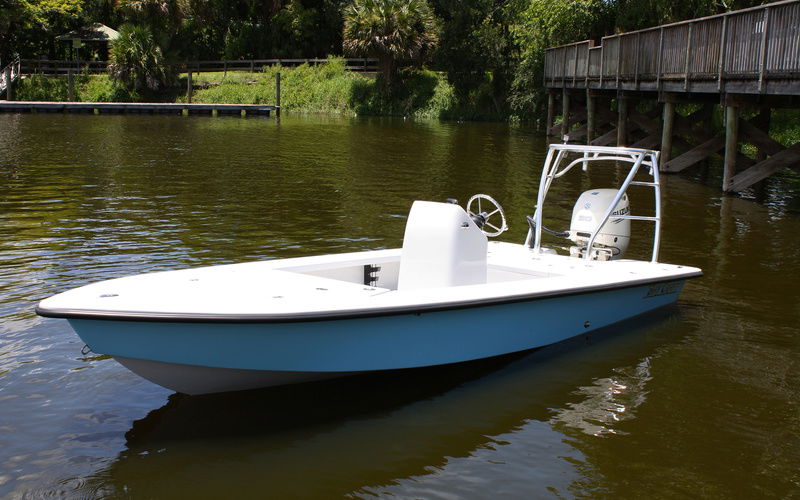

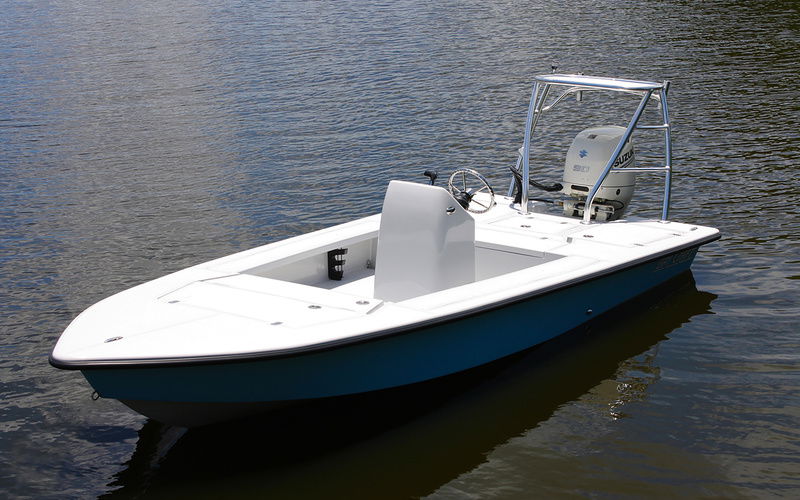

Images have been gathered from various sources and belong to their respective owners.
Review - Bay Craft 175 Pro Flats

MarineBroker
09/15/2024, 2:58 AM
2010 Bay Craft 175 Pro Flats: What to Know Before You Buy, Inspect, or Restore
If you’re looking at a 2010 Bay Craft 175 Pro Flats, chances are you’re trying to figure out whether it’s still a smart boat to own, buy, or bring back into shape. That’s a pretty common question with older flats boats, especially ones that may have seen plenty of shallow-water use, sun exposure, and trailer miles over the years.
The good news is that a boat like this can still make a lot of sense for the right buyer. The tricky part is knowing what to check, what problems tend to show up, and how to judge whether the boat is worth the asking price or the effort. A clean, well-kept flats boat can be a great fishing platform. A neglected one, though, can turn into a money pit fast.
In this guide, we’ll walk through the most important things to look for on a 2010 Bay Craft 175 Pro Flats, the common issues that tend to matter most, and the practical steps that can help you make a better decision. Whether you’re shopping, inspecting, or just trying to understand what you’ve got, this should help you move forward with a lot more confidence.
- What Makes the 2010 Bay Craft 175 Pro Flats Worth Considering
The 2010 Bay Craft 175 Pro Flats sits in a sweet spot for anglers who want a shallow-water boat without stepping up to something bigger, heavier, or more expensive to run. At around 17 feet, it’s compact enough to trailer easily and manageable for solo trips, yet still useful for inshore fishing, back bays, and shallow flats.
That smaller footprint is part of the appeal. Boats in this category are often chosen by anglers who want quick access to skinny water, simple operation, and lower ownership costs than larger bay boats.
A boat like this can work well for:
- Inshore fishing
- Flats and backcountry use
- Small crew outings
- Trailer-based ownership
- Buyers who want a simpler setup
The main thing to understand is that older flats boats are often judged less by age alone and more by condition. A 2010 model that has been stored properly and maintained carefully can be a much better buy than a newer boat that was neglected.
- The Main Problem Buyers Face With Older Flats Boats
The biggest issue people run into with a 2010 Bay Craft 175 Pro Flats is uncertainty. On paper, it may look like a solid deal. In reality, older boats can hide problems that are expensive to fix.
The most common concerns usually fall into a few categories:
- Soft spots in the deck or transom
- Gelcoat cracks or stress damage
- Wiring issues
- Fuel system wear
- Corrosion on hardware and electrical components
- Engine maintenance history
- Trailer problems that get overlooked
For many buyers, the challenge is not finding a boat. It’s figuring out whether the boat has been cared for or merely made to look presentable.
That’s why the best solution is not just “buy it if it looks good.” The smarter move is to inspect the boat systematically and focus on the areas that tell the real story.
- Start With the Hull and Deck
On a flats boat, the hull and deck condition matter a lot. These are the parts that affect safety, stiffness, and long-term value.
Look for:
- Cracks around stress points
- Repairs that don’t match the surrounding finish
- Soft or spongy areas underfoot
- Signs of water intrusion
- Separation between deck components
Walk the deck slowly and pay attention to how it feels. If the deck flexes more than expected, that may point to rot or laminate damage underneath. Even if the boat still floats and runs, structural issues can quickly turn a “good deal” into a costly project.
Also inspect the hull bottom for:
- Deep gouges
- Blistering
- Poor patch work
- Evidence of grounding damage
A few cosmetic scratches are normal on a used flats boat. Structural cracks or soft areas are not something to ignore.
- Check the Transom Carefully
The transom is one of the most important parts of any older boat. If it’s weak, everything else becomes a bigger risk.
A bad transom may show:
- Cracking near the engine mount
- Flex when the motor is trimmed up or down
- Water staining around bolt holes
- Delamination or bubbling
- A “thud” or hollow sound when tapped
If you’re evaluating a 2010 Bay Craft 175 Pro Flats, don’t skip this step. The transom takes a lot of stress, especially if the boat has spent years with an outboard hanging on the back.
A simple test is to inspect the engine mounting area closely and look for any movement or separation. If anything feels loose, soft, or questionable, that’s a red flag worth taking seriously.
- Engine Condition Matters More Than the Boat’s Age
With an older flats boat, the engine often determines whether the package is a bargain or a headache. A clean hull with a tired motor can still be a bad deal.
Ask for:
- Service records
- Compression test results
- Maintenance history
- Hours, if available
- Prop and lower unit condition
- Cooling system service info
If the engine starts easily, idles smoothly, and shifts cleanly, that’s a good sign. But don’t stop there. A quick lake test or sea trial tells you more than a driveway start ever will.
Watch for:
- Excessive smoke
- Hard starting
- Overheating
- Weak acceleration
- Unusual vibration
- Water in the gear oil
A motor that has been regularly serviced is usually far more valuable than one with low hours but no documentation. In boating, maintenance history often matters as much as mileage does in a car.
- Don’t Overlook the Trailer
A lot of buyers focus on the boat and forget the trailer. That’s a mistake, especially with a used flats boat that may have been launched often in saltwater.
Check the trailer for:
- Rust on the frame
- Worn bunks or rollers
- Tire age and condition
- Bearing play
- Working lights
- Winch and bow stop condition
- Brake function, if equipped
Salt exposure can quietly ruin trailers over time. Even if the boat itself is in decent shape, a neglected trailer can cost a surprising amount to bring back up to standard.
If the trailer has been sitting for a while, inspect the tires closely. Dry rot and sidewall cracking are common and easy to miss until you’re already on the road.
- Electrical and Wiring Issues Are Common on Older Boats
Older boats often develop electrical problems that are frustrating but not always obvious at first glance. A few switches may work, but hidden corrosion can still be spreading behind panels and under consoles.
Test:
- Navigation lights
- Bilge pump
- Livewell pump
- Trim and tilt
- Gauges
- Horn
- Battery switches
Look for:
- Corroded terminals
- Spliced wires
- Loose connections
- Water intrusion in panels
- Non-working accessories
If a boat has been used in saltwater, any electrical weakness deserves attention. Corrosion can travel through the system and create random failures that are hard to trace later.
A practical solution here is simple: assume any non-working electrical item needs to be repaired, not just “fixed later.” Small issues often point to bigger ones.
- Inspect the Fuel System Before You Trust It
Fuel systems age, and old fuel-related parts can cause rough running, hard starts, or worse. This is especially important if the boat has sat unused for a while.
Check:
- Fuel lines for cracking
- Fuel tank for corrosion or damage
- Primer bulb condition
- Fuel-water separator
- Fill and vent hoses
- Smell of stale fuel
If the boat has been stored with old fuel in the system, plan on flushing and servicing it before serious use. Ethanol fuel can create problems in older systems if the boat sits too long.
A lot of owners learn this the hard way. The boat runs fine at first, then starts sputtering once debris or degraded fuel moves through the system. Preventive maintenance is much cheaper than chasing intermittent engine trouble later.
- Why a Sea Trial Is Worth It
A visual inspection only tells part of the story. A sea trial is where you find out how the 2010 Bay Craft 175 Pro Flats actually performs.
During the test, pay attention to:
- How quickly it planes
- Steering response
- Engine temperature
- Trim behavior
- Ride quality in chop
- Noise and vibration
- How the boat handles idle and low-speed turns
This is also a good time to check for water intrusion. After the run, open compartments and look for standing water where it shouldn’t be.
If the boat feels sloppy, slow to respond, or unusually noisy, that may indicate mechanical or structural issues. A clean-running flats boat should feel predictable and easy to manage.
- Common Red Flags That Should Make You Pause
Some issues are manageable. Others are warning signs that the boat may need serious money and labor.
Be cautious if you notice:
- No maintenance records
- Soft deck or transom
- Heavy corrosion
- Unreliable engine starting
- Major hull repairs
- Waterlogged compartments
- Trailer deterioration
- Mismatched or poorly done wiring
One red flag alone doesn’t always kill the deal. But several together usually mean the boat has been neglected for a while.
If you’re unsure, it’s worth paying for a professional marine survey or engine inspection. That small upfront cost can save you from a bad purchase.
- How to Judge Whether It’s a Good Deal
The right answer depends on condition, not just the model name. A 2010 Bay Craft 175 Pro Flats can be a good value if the boat is structurally sound, the motor is healthy, and the trailer is road-ready.
A fair deal usually has:
- Clean title and clear ownership
- Solid hull and deck
- Reliable engine
- Functional trailer
- Working electrical systems
- Reasonable signs of normal age
A boat with cosmetic wear but strong bones can still be a smart buy. In fact, cosmetic issues are often easier and cheaper to live with than hidden structural problems.
The trick is to separate surface wear from real damage. Sun-faded gelcoat is one thing. Rotten stringers or a weak transom are another.
- Practical Fixes That Can Extend the Boat’s Life
If you already own one, or you’re considering a project boat, there are a few smart upgrades and maintenance tasks that can make a big difference.
Focus on:
- Replacing old wiring connectors
- Servicing the fuel system
- Inspecting and sealing hardware penetrations
- Replacing worn trailer components
- Updating pumps and switches
- Cleaning and protecting the hull
- Rebuilding corroded accessories
A boat like this often responds well to a methodical refresh. You don’t need to overhaul everything at once. Start with the systems that affect safety and reliability first.
A good order of operations is:
1. Structural inspection
2. Engine service
3. Electrical cleanup
4. Fuel system refresh
5. Trailer repair
6. Cosmetic improvements
That sequence helps you avoid spending money in the wrong place.
- Who the 2010 Bay Craft 175 Pro Flats Is Best For
This boat tends to work best for anglers who value simplicity and shallow-water access more than luxury features. It’s a practical platform, not a flashy one.
It may be a strong fit if you:
- Fish inshore or in shallow water often
- Want a trailerable boat
- Prefer lower operating costs
- Don’t need a large deck or big-cabin layout
- Are comfortable doing basic maintenance
It may not be ideal if you want:
- More offshore capability
- Lots of seating
- A newer boat with modern electronics
- Very low-maintenance ownership
Matching the boat to your actual use matters more than chasing the best-looking listing. A boat that fits your fishing style will always feel like a better investment.
- Final Buying Tip: Let Condition Lead the Decision
With used flats boats, condition always tells the truth. The 2010 Bay Craft 175 Pro Flats can be a solid choice, but only if you inspect it carefully and stay realistic about repair costs.
If the hull is sound, the transom is strong, the engine is healthy, and the trailer is usable, you may have a very workable boat on your hands. If several systems are questionable, it’s usually better to keep looking.
The smartest buyers don’t just ask, “Does it run?” They ask, “How much will it cost to keep it reliable?”
- Conclusion
The 2010 Bay Craft 175 Pro Flats can still be a useful, practical boat for the right kind of owner. The key is knowing what to inspect and where the hidden problems usually show up. Focus on the hull, transom, engine, trailer, wiring, and fuel system first, because those areas tell you most of what you need to know.
If the boat checks out structurally and mechanically, it can offer a lot of value for inshore and flats fishing. If not, it may be better to walk away and keep searching. Either way, a careful inspection will save you time, money, and stress. If you’re still comparing options, it’s worth learning more about used flats boat maintenance and pre-purchase inspection basics before making your final call.
Specifications
General
Boat Type: Power Boats
Class Type: Centre Console
Specifications
Length: 17.42
Beam: 7.15
Draft: 0.75
Hull Material: GRP
Build
First Built: 2010
Propulsion
Fuel Type: Unleaded
Engines: 1
Power: 50 HP
Brand: Suzuki
Accomodation
PROS & CONS
What we appreciated
 Stable and shallow draft design ideal for flats fishingDurable construction with quality materialsAdequate storage compartments for fishing gearGood maneuverability in tight spotsEconomical to operate with moderate fuel consumption
What we didn’t appreciate
 Limited seating capacity, not ideal for large groupsBasic electronics and features compared to newer modelsSmaller engine options may limit speed and powerMinimal cabin or shelter space, exposed to elementsOlder model may require more maintenance and updates
Upkeep Costs
Fuel: Approximately $1,200 - $1,800 per year depending on usage
Maintenance and Repairs: Around $500 - $1,000 per year
Insurance: Typically $300 - $600 per year
Storage: $500 - $1,200 per year depending on location and type
Registration and Taxes: $50 - $150 per year depending on state

Rating
5.5
User
Score
Score
Driveability
Technology
Interior
Design
Similar Boats


MarineBroker
Download now for an immersive boat experience like never before! ⛵✨ Your journey begins with a simple click. 🌊📲
#SetSailSmart #DownloadNow
#SetSailSmart #DownloadNow

Subscribe
Copyright 2017 - 2026, Marinebroker.net, All Rights Reserved