Boat Database » Beavertail Air 18
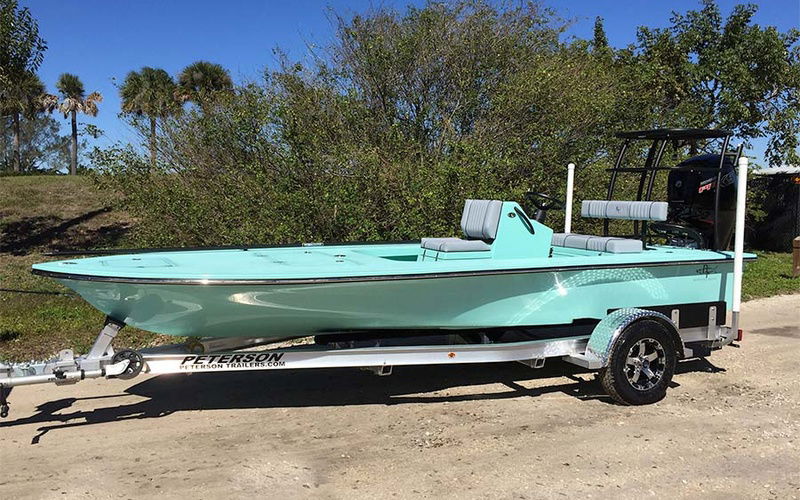
Beavertail Air 18
Outboard four-stroke, Unleaded, 1x 90 HP
Power Boats 2018 Beavertail Air 18: How to Keep It Running Smoothly and Get the Most From Your Skiff
If you’re looking into the 2018 Beavertail Air 18, chances are you already know it has a strong reputation as a shallow-water skiff that’s b...
Discover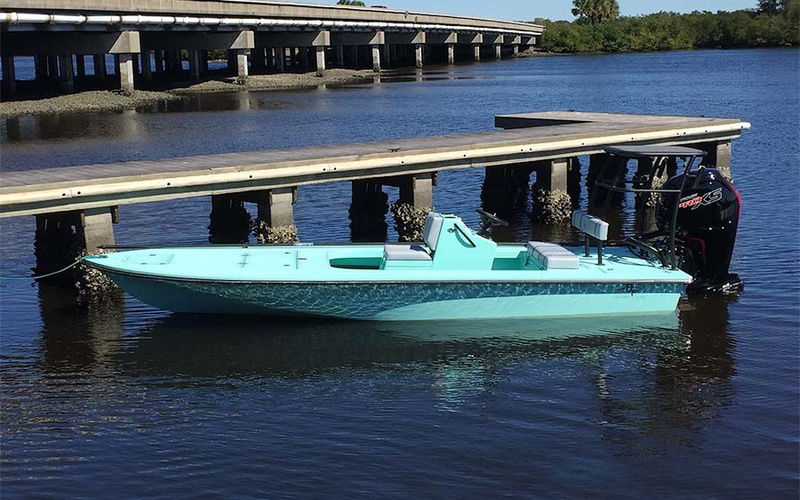


Images have been gathered from various sources and belong to their respective owners.
Review - Beavertail Air 18

MarineBroker
09/19/2024, 7:35 AM
2018 Beavertail Air 18: How to Keep It Running Smoothly and Get the Most From Your Skiff
If you’re looking into the 2018 Beavertail Air 18, chances are you already know it has a strong reputation as a shallow-water skiff that’s built for serious fishing. It’s the kind of boat people choose when they want a lightweight platform, good poling performance, and the ability to get into places larger boats simply can’t reach. But owning or shopping for one also comes with a very real question: how do you make sure it stays reliable, efficient, and suited to the kind of fishing you actually do?
That’s the main challenge for a lot of owners and buyers. A skiff like the 2018 Beavertail Air 18 can be an excellent tool, but only if it’s matched to the right setup, maintained correctly, and used with realistic expectations. Too many people focus only on the hull name and overlook the details that determine day-to-day performance, such as engine choice, load balance, draft, and maintenance habits.
The good news is that this is a solvable problem. With the right setup and a few practical habits, the 2018 Beavertail Air 18 can be a very capable and enjoyable boat for flats fishing, shallow water runs, and all-around inshore use.
- What Makes the 2018 Beavertail Air 18 Stand Out
The 2018 Beavertail Air 18 sits in that sweet spot where simplicity, shallow draft, and fishability matter more than flashy extras. It’s designed for anglers who want a clean, efficient platform that can move quietly and cover skinny water without feeling oversized or awkward.
For many boaters, the appeal comes down to three things:
- Lightweight construction
- Shallow-water performance
- Easy handling in tight areas
That combination makes it especially attractive for people fishing flats, back bays, estuaries, and protected coastal waters. It’s not trying to be a heavy offshore center console. Instead, it focuses on doing one job well: giving anglers access to shallow water with enough stability and functionality to fish comfortably.
The challenge, though, is that boats built for shallow water can be more sensitive to setup than people expect. A few extra pounds, the wrong prop, or poor weight distribution can change how the boat performs. That’s why understanding the boat’s strengths and limitations matters so much.
- The Most Common Problem Owners Face
The biggest issue people run into with a shallow-water skiff like the 2018 Beavertail Air 18 is not the hull itself. It’s setup mismatch.
A boat like this can feel fantastic when it’s properly rigged, but frustrating when it’s overloaded, underpowered, or packed with gear in the wrong places. The result is usually one or more of these complaints:
- Not getting the expected draft performance
- Poor hole shot or sluggish acceleration
- A wetter ride than expected in rougher chop
- Difficulty poling or drifting cleanly
- Reduced fuel efficiency
- A boat that feels less stable than it should
In other words, the boat is often doing exactly what it was designed to do, but the way it’s being used is getting in the way.
This is especially common with anglers who add too much accessory weight. Extra batteries, heavy anchors, oversized coolers, large electronics, and unnecessary gear can add up quickly. On a lightweight skiff, every pound matters more than it does on a larger hull.
- Why Setup Matters So Much on a Shallow-Water Skiff
The 2018 Beavertail Air 18 is built for efficiency. That means it responds quickly to changes in load, trim, and power. This is great when the boat is dialed in, but it also means small mistakes are easier to notice.
Here’s why setup has such a big effect:
- Weight affects draft: More weight means the boat sits lower, which can reduce shallow-water access.
- Trim affects ride quality: If the engine trim is off, the bow may ride too high or too low.
- Prop choice affects performance: The wrong prop can hurt acceleration, top-end speed, and fuel economy.
- Gear placement affects balance: Uneven loading can make the boat lean or feel unstable.
- Maintenance affects reliability: Even a well-designed skiff needs regular attention to stay at its best.
If you’re evaluating the 2018 Beavertail Air 18, or already own one, the goal isn’t to chase perfection. It’s to build a setup that matches how you fish and where you fish.
- How to Solve the Problem: Build Around the Boat’s Real Job
The practical solution is to treat the 2018 Beavertail Air 18 as a specialized tool and rig it accordingly. That means starting with your actual fishing style, not the most feature-packed version of a boat you can imagine.
Ask yourself a few basic questions:
- Do you fish mostly alone or with one partner?
- Are you running long distances or staying close to launch points?
- Do you need maximum shallow-water access, or a little more all-around comfort?
- Do you fish in calm flats, windy bays, or mixed conditions?
- How much gear do you really bring on a normal trip?
Once you answer those, the setup decisions become much easier.
For example:
- A solo angler may benefit from a simpler, lighter rig.
- A two-person setup may need more attention to balance and storage.
- A fisherman in ultra-shallow water may prioritize minimal weight and a very clean deck.
- Someone fishing more open inshore water may want slightly different engine and prop tuning for better versatility.
This approach keeps the boat from becoming overbuilt for tasks it wasn’t meant to handle.
- Engine and Propeller Setup: Small Changes, Big Results
One of the biggest performance factors on the 2018 Beavertail Air 18 is the engine and propeller combination. Even if the hull is excellent, the wrong setup can make the boat feel underwhelming.
A good setup should help the boat:
- Plane efficiently
- Maintain good fuel economy
- Stay responsive at low speeds
- Run well with a normal fishing load
- Avoid unnecessary strain on the engine
If the boat feels slow to plane or struggles when loaded with gear, the issue may not be the hull at all. It may simply need a prop change or better weight distribution.
Common signs of a mismatch include:
- Excessive bow rise on takeoff
- Over-revving or under-revving
- Poor midrange efficiency
- Cavitation or ventilation in turns
- Reduced shallow-water control
A qualified marine mechanic can help dial this in, but even before that, it helps to monitor how the boat behaves under normal conditions. Record RPM, speed, fuel burn, and load. Real-world numbers tell you much more than assumptions.
- Weight Management: The Easiest Way to Improve Performance
If there’s one thing that helps a shallow-water skiff immediately, it’s reducing unnecessary weight.
On the 2018 Beavertail Air 18, simple weight management can improve:
- Draft
- Planing time
- Fuel economy
- Poling efficiency
- Ride balance
A few practical ways to do this:
- Carry only the fuel you need for the trip
- Store heavy items low and centered
- Avoid leaving extra gear on board all the time
- Choose lighter tackle storage options when possible
- Be selective with electronics and accessories
This doesn’t mean stripping the boat bare. It means being intentional. A well-organized skiff often performs better than one loaded with gadgets and gear that rarely get used.
A good rule of thumb: if something doesn’t help you fish on most trips, think carefully before keeping it on board full-time.
- Maintenance Habits That Prevent Bigger Problems
Another common issue owners face is assuming a simple skiff needs less care than other boats. In reality, shallow-water boats often work in harsher conditions than people realize. Sand, salt, mud, and frequent trailering all add wear over time.
To keep the 2018 Beavertail Air 18 in good shape, focus on the basics:
- Flush the engine after every saltwater trip
- Inspect the propeller for nicks or fishing line
- Check the hull for scratches, stress points, or impact damage
- Keep the trailer bearings and lights in good condition
- Look over wiring, pumps, and switches regularly
- Clean the deck and storage compartments to prevent corrosion and buildup
It’s also smart to pay attention to small changes in performance. If the boat suddenly feels different, don’t ignore it. A minor issue like a damaged prop, clogged intake, or weak battery can snowball into a bigger problem.
Routine maintenance is not just about avoiding breakdowns. It also helps preserve the boat’s resale value, which matters if you ever decide to upgrade later.
- Best Use Cases for the 2018 Beavertail Air 18
This boat makes the most sense for anglers who prioritize access and simplicity over size and luxury. It shines in situations where a larger boat would be cumbersome.
It’s especially well suited for:
- Flats fishing
- Backcountry trips
- Inshore sight fishing
- Skinny-water redfish or trout runs
- Protected coastal waters
- Solo or two-person fishing days
It may be less ideal if you regularly face:
- Large open-water chop
- Heavy multi-person loads
- Long offshore runs
- Frequent bad-weather crossings
That doesn’t mean it can’t handle some rougher conditions, but the boat’s strengths are clearly in shallow, protected, and efficient operation. The more you stay within that lane, the more satisfied you’re likely to be.
- How to Tell If the Boat Is a Good Fit for You
If you’re considering a 2018 Beavertail Air 18, the best way to judge fit is to think about your fishing routine, not just the boat’s specs.
It’s probably a good match if you want:
- A lightweight shallow-water skiff
- Simple, functional design
- Easy trailering and launching
- Quiet movement on the flats
- A boat that’s easy to manage solo
It may not be the best choice if you need:
- Lots of seating
- Heavy storage capacity
- Big-water capability
- A family-friendly cruising layout
- A boat that can do everything equally well
There’s nothing wrong with wanting versatility, but specialized boats always ask for some tradeoffs. The key is making sure those tradeoffs fit your style.
- Practical Tips to Get Better Performance Right Away
If you already own the boat, here are a few simple things that can make a noticeable difference:
1. Recheck your load balance
Move heavy gear toward the center and avoid stacking weight too far forward or aft.
2. Test different trim settings
Small trim adjustments can improve ride, speed, and fuel efficiency.
3. Clean and inspect the running surface
Marine growth, damage, or debris can affect performance more than many people expect.
4. Compare loads on different trips
Try running the boat with a lighter setup and then with your normal gear to see what changes.
5. Keep detailed notes
Track speed, RPM, fuel use, and conditions. This helps identify patterns and fine-tune the setup.
6. Don’t ignore engine service intervals
A healthy engine is one of the easiest ways to keep a skiff performing properly.
These are simple habits, but they’re often the difference between a boat that feels “okay” and one that feels truly dialed in.
- Why the 2018 Beavertail Air 18 Still Matters Today
Even with newer models and newer boat designs on the market, the 2018 Beavertail Air 18 remains relevant because the core idea behind it hasn’t changed. Anglers still want a boat that can get shallow, run efficiently, and stay easy to handle.
That’s why this model continues to attract interest. It offers a straightforward solution to a common fishing problem: how do you reach skinny water without dealing with a heavy, complicated boat?
For the right owner, the answer is still this kind of skiff. It rewards smart setup, careful maintenance, and realistic expectations.
- Conclusion
The 2018 Beavertail Air 18 is a strong choice for anglers who value shallow-water access, lightweight handling, and a simple, fish-first layout. The most common issue people face is not the boat itself, but how it’s rigged, loaded, and maintained. When weight is managed properly, the engine and prop are matched well, and routine care stays on track, the boat can perform very well in the kind of waters it was built for.
If you’re evaluating one now, focus on how it fits your actual fishing habits rather than chasing the biggest spec sheet. A well-set-up skiff will always feel better than an overcomplicated one. For more guidance, it’s worth comparing real-world rigging setups, maintenance checklists, and owner experiences before making your next move.
Specifications
General
Boat Type: Power Boats
Class Type: Centre Console
Specifications
Length: 18.24
Beam: 6.43
Draft: 0.66
Hull Material: GRP
Build
First Built: 2018
Propulsion
Fuel Type: Unleaded
Engines: 1
Power: 90 HP
Brand: Unknown
Accomodation
PROS & CONS
What we appreciated
 Lightweight and easy to towEfficient air-cooled outboard engineSpacious deck layout for fishing and leisureDurable aluminum constructionGood fuel efficiency and low maintenance
What we didn’t appreciate
 Limited cabin or shelter spaceNot ideal for rough water conditionsBasic amenities compared to larger boatsSmaller size may limit passenger capacityLess suitable for extended overnight trips
Upkeep Costs
Fuel: Approximately $800-$1,200 per year depending on usage
Maintenance: Around $500-$1,000 annually including engine servicing and hull upkeep
Insurance: Typically $300-$600 per year depending on coverage and location
Storage: $500-$1,500 per year depending on marina or dry storage choice
Registration and Licensing: $50-$150 annually depending on state regulations
Rating
5.7
User
Score
Score
Driveability
Technology
Interior
Design
Similar Boats


MarineBroker
Download now for an immersive boat experience like never before! ⛵✨ Your journey begins with a simple click. 🌊📲
#SetSailSmart #DownloadNow
#SetSailSmart #DownloadNow

Subscribe
Copyright 2017 - 2026, Marinebroker.net, All Rights Reserved