Boat Database » Beavertail Mosquito 18
Beavertail Mosquito 18
Outboard four-stroke, Unleaded, 1x 70 HP
Power Boats 2017 Beavertail Mosquito 18: How to Choose the Right Setup, Use It Better, and Keep It Performing
If you’re looking at the 2017 Beavertail Mosquito 18, chances are you already know it has a strong reputation as a lightweight, sha...
Discover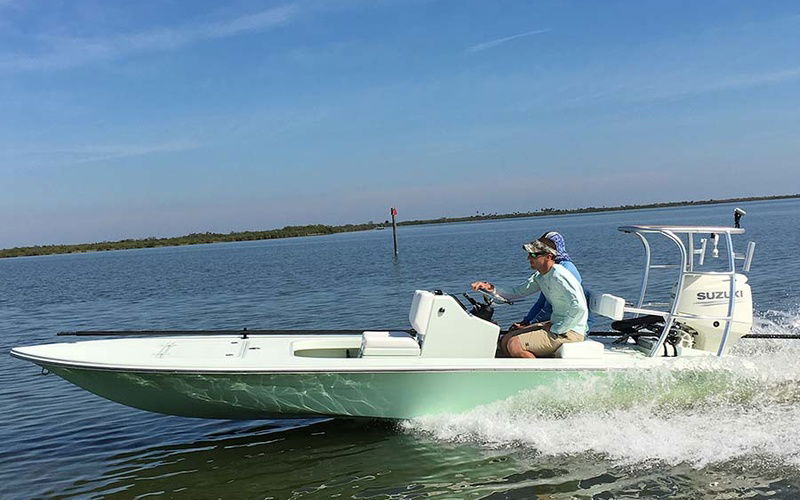

Images have been gathered from various sources and belong to their respective owners.
Review - Beavertail Mosquito 18

MarineBroker
09/19/2024, 7:28 AM
2017 Beavertail Mosquito 18: How to Choose the Right Setup, Use It Better, and Keep It Performing
If you’re looking at the 2017 Beavertail Mosquito 18, chances are you already know it has a strong reputation as a lightweight, shallow-water skiff that’s built for anglers who want simplicity and performance. But owning a boat like this also comes with a common challenge: figuring out how to get the most out of it without overcomplicating things.
That’s especially true for buyers and owners who are trying to balance speed, draft, stability, and practical everyday use. A skiff this size can feel incredibly capable one day and a little limited the next, depending on how it’s rigged and where it’s used. The good news is that most of the frustration comes down to setup, maintenance, and matching the boat to the right kind of fishing or boating style.
In this article, we’ll break down the most common issues people run into with the 2017 Beavertail Mosquito 18 and walk through practical ways to solve them. Whether you’re researching before buying or trying to improve the one you already own, this guide will help you make smarter decisions and enjoy the boat more.
- Understanding the 2017 Beavertail Mosquito 18
The 2017 Beavertail Mosquito 18 is a shallow-water skiff designed with simplicity in mind. It’s known for being lightweight, easy to trailer, and efficient in skinny water where larger boats struggle.
For many anglers, that’s the appeal. It gives you access to flats, backwaters, and narrow channels without needing a massive setup or a high-maintenance rig.
At the same time, boats in this category are a compromise by nature. They are built to excel in specific conditions, which means owners sometimes expect them to do everything. That’s where disappointment usually starts.
The key is understanding what the boat does best:
- Running shallow water
- Reaching remote fishing spots
- Offering a simple, clean layout
- Staying relatively efficient with a modest engine setup
If you use it with those strengths in mind, the boat becomes a lot more enjoyable and practical.
- The most common problem: expecting too much from a shallow-water skiff
The biggest issue people face with the 2017 Beavertail Mosquito 18 is not usually a mechanical problem. It’s a mismatch between expectations and real-world use.
A shallow-water skiff is fantastic in skinny water, but it is not a deep-V offshore boat, a family cruiser, or a heavy load hauler. When owners try to use it outside its intended role, they often run into concerns like:
- Too much bounce in rough water
- Limited storage
- Weight sensitivity
- Stability changes when loaded unevenly
- Performance drops with the wrong engine or prop setup
This doesn’t mean the boat is flawed. It means the boat needs to be set up and used correctly.
A lot of frustration can be avoided by asking a simple question: what do I actually want this boat to do most of the time?
If the answer is shallow-water fishing, light gear, and easy transport, the Mosquito 18 is in its element. If the answer is family cruising, heavy crew loads, and long open-water runs, you may need a different style of boat.
- Why setup matters so much on the 2017 Beavertail Mosquito 18
For a boat like this, setup can change the experience dramatically. Two owners can have the same model and feel like they own completely different boats.
That’s because small changes affect performance more than people expect. Engine choice, propeller selection, battery placement, fuel load, and even tackle storage all influence how the boat runs and handles.
Here’s why setup matters:
- A lighter setup improves draft and hole shot
- Proper weight distribution improves balance and stability
- The right prop helps the boat plane efficiently
- Clean deck layout improves movement while fishing
- Smart rigging reduces clutter and makes the boat safer
In other words, the boat is only as good as the way it’s prepared.
- Choosing the right engine and prop for better performance
One of the smartest ways to improve the 2017 Beavertail Mosquito 18 is to match the engine and prop to your actual use.
Many skiff owners want the most horsepower possible, but more power is not always better. A motor that is too heavy or too aggressive can reduce shallow-water performance and make the boat less efficient.
A better approach is to focus on:
- Recommended horsepower range
- Engine weight
- Fuel efficiency
- Hole shot
- Shallow-water draft
Propeller choice matters just as much. The wrong prop can cause poor acceleration, excessive RPMs, or a boat that struggles to stay on plane.
A practical way to dial it in:
1. Start with the manufacturer’s recommended setup.
2. Test the boat with your normal load.
3. Note top speed, acceleration, and handling.
4. Adjust prop pitch if needed.
5. Re-test with actual gear and passengers onboard.
If you mostly fish solo or with one partner, you may want a setup that favors quick planing and shallow draft. If you regularly carry extra gear, livewell load, or a second angler, you may need a slightly different balance.
- Weight distribution: the hidden factor that changes everything
Many performance complaints on shallow-water skiffs come down to weight placement. A boat can feel stable one day and awkward the next simply because gear was stored differently.
On the 2017 Beavertail Mosquito 18, keeping weight balanced is one of the easiest ways to improve ride quality and handling.
Try these practical habits:
- Store heavy gear low and centered
- Avoid piling weight on one side
- Keep batteries and fuel positioned as designed
- Don’t overload the bow with unnecessary equipment
- Move coolers and tackle only when needed
A balanced skiff tracks better, planes faster, and feels less twitchy at rest.
This matters even more in shallow water, where a small change in draft can determine whether you glide through or bump bottom. If the boat feels sluggish or unstable, weight distribution is often the first thing to check.
- How to solve stability concerns without overloading the boat
Stability is one of the most talked-about topics with flats-style boats. People often want the boat to be ultra-stable at rest while also staying light and shallow-running. Those goals can conflict a bit.
The trick is to improve usable stability without adding unnecessary weight.
Here are a few useful strategies:
- Keep the deck uncluttered
- Use lightweight tackle storage
- Stand where the boat is intended to be balanced
- Avoid placing multiple anglers on one side for long periods
- Use smart anchoring or shallow-water positioning when fishing
If you’re fishing with a partner, communication helps a lot. Moving together instead of independently can keep the boat more level and comfortable.
Also, don’t confuse a light, responsive skiff with an unstable one. A shallow-water boat will move more than a heavy platform, but that responsiveness is part of what makes it effective in tight, skinny environments.
- Maintenance that keeps the 2017 Beavertail Mosquito 18 working well
A big part of solving boat ownership headaches is staying ahead of maintenance. The 2017 Beavertail Mosquito 18 is relatively simple compared with more complex boats, but that doesn’t mean it can be ignored.
Good maintenance protects performance and prevents small issues from becoming expensive ones.
Focus on these basics:
- Flush and maintain the engine regularly
- Inspect the hull for dings, scrapes, or signs of wear
- Check wiring and battery connections
- Clean and lubricate moving parts
- Inspect fuel lines and filters
- Keep drain plugs, hatches, and seals in good shape
Shallow-water boats are often used in muddy, sandy, and salty environments. That means corrosion and debris can become problems faster than many owners expect.
A simple rinse after each trip goes a long way. So does checking the boat before and after a few hard runs through skinny water.
- The best ways to use the Mosquito 18 in real-world conditions
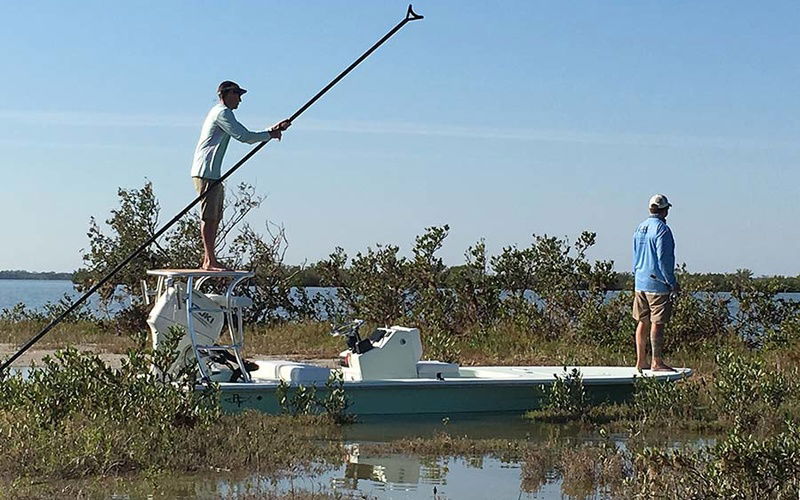
The 2017 Beavertail Mosquito 18 performs best when it’s used for what it was made to do. That means shallow flats, marshes, back bays, and quiet water access.
If you want the best experience, plan around the boat’s strengths:
- Fish early and late when water is calm
- Use shallow routes that larger boats can’t reach
- Carry only the gear you need for the trip
- Keep an eye on tide, wind, and water depth
- Avoid pushing the boat into conditions beyond its comfort zone
For example, if you know a strong afternoon wind is coming, it may make sense to fish protected water first and move before conditions get choppy. That kind of planning often matters more than horsepower or accessories.
The boat becomes much more enjoyable when you work with the environment instead of fighting it.
- Smart upgrades that actually make a difference
A lot of boat owners get caught up in upgrades that look impressive but don’t really improve the experience. With a skiff like this, the best upgrades are usually the practical ones.
Useful improvements may include:
- Better shallow-water anchoring solutions
- Improved storage organization
- Quality electronics for navigation and fish finding
- Efficient battery setup
- Comfortable but lightweight seating
- Deck accessories that reduce clutter
The goal should be to make the boat easier to use, not heavier or more complicated.
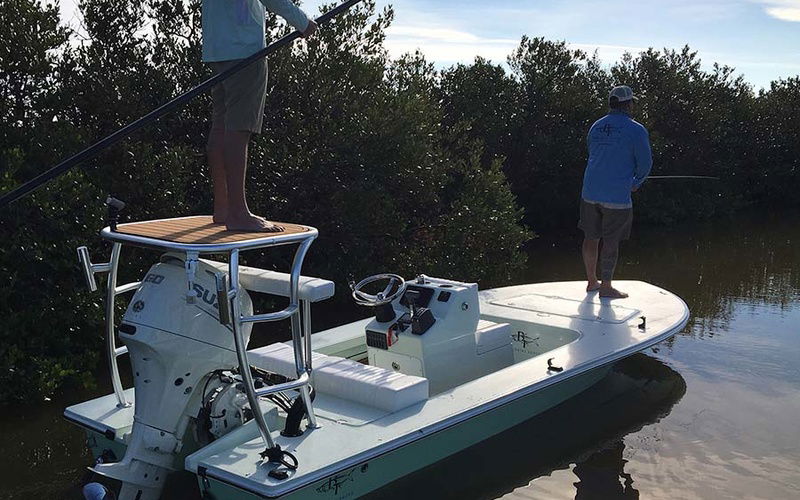
For example, a clean electronics setup can help you navigate skinny water more confidently. A better storage system can keep the deck clear and improve safety. A lightweight push pole or anchoring system can make a huge difference in shallow-water fishing without adding much bulk.
When choosing upgrades, ask:
- Does this help me fish better?
- Does it improve safety?
- Does it add unnecessary weight?
- Will I actually use it often?
If the answer is no, skip it.
- Buying advice: what to check before choosing a 2017 Beavertail Mosquito 18
If you’re shopping for a used 2017 Beavertail Mosquito 18, the best move is to inspect it carefully and think about how it was used.
A well-kept skiff can be a great find. A poorly maintained one can turn into a long list of repairs.
Check these areas closely:
- Hull condition and signs of grounding
- Transom and engine mounting area
- Wiring quality and corrosion
- Steering system response
- Console and control layout
- Trailer condition
- Signs of patchwork repairs or hidden wear
Also ask the seller how the boat was used. A boat that lived in protected flats and was rinsed after every trip may be in much better shape than one that spent years in harsh saltwater conditions with minimal care.
If possible, do a water test. Pay attention to:
- How quickly it gets on plane
- Whether it tracks straight
- Any unusual vibration
- Steering feel
- Noise or flex under load
That short test can tell you a lot.
- Matching the boat to your fishing style
The Mosquito 18 is not for everyone, but it can be excellent for the right owner. That’s why it’s important to match the boat to your fishing style instead of the other way around.
This boat makes the most sense if you:
- Fish shallow, protected water often
- Prefer a simple, lightweight rig
- Want easy trailering and launching
- Usually run with one or two people
- Value access over luxury
It may be less ideal if you:
- Frequently fish rough open water
- Need large storage capacity
- Carry heavy groups or lots of gear
- Want a soft ride in chop above all else
Being honest about your use case saves money and frustration. The right boat is the one that fits your routine, not just the one that looks good on paper.
- Practical checklist for getting the most out of the 2017 Beavertail Mosquito 18
If you want a simple action plan, start here:
1. Confirm your main use.
Decide whether you’re mostly shallow-water fishing, exploring, or running mixed conditions.
2. Review your load.
Keep gear light and balanced.
3. Check engine and prop match.
Make sure the setup suits your typical fishing style.
4. Inspect and maintain regularly.
Stay ahead of corrosion, wiring issues, and wear.
5. Upgrade with purpose.
Focus on comfort, safety, and efficiency.
6. Learn the water.
Tide, wind, and route planning matter a lot in a skiff like this.
7. Keep expectations realistic.
Use the boat for what it does best.
That simple approach solves most ownership headaches.
- Conclusion
The 2017 Beavertail Mosquito 18 can be a really rewarding boat when it’s matched to the right use and set up with care. Most of the common problems people run into are not major flaws, but issues with weight, rigging, expectations, or maintenance.
If you keep the boat light, balanced, and properly maintained, it can be a very capable shallow-water platform. The best results usually come from smart setup, realistic use, and a focus on practical upgrades rather than chasing unnecessary extras.
If you’re researching this model or already own one, take time to review how you load, run, and maintain it. A few small adjustments can make a big difference in performance and day-to-day enjoyment.
Specifications
General
Boat Type: Power Boats
Class Type: Centre Console
Specifications
Length: 18.18
Beam: 5.84
Draft: 0.43
Hull Material: GRP
Build
First Built: 2017
Propulsion
Fuel Type: Unleaded
Engines: 1
Power: 70 HP
Brand: Unknown
Accomodation
PROS & CONS
What we appreciated
 Lightweight and easy to trailerDurable aluminum constructionGood stability and shallow draft for fishingSimple and functional designAffordable price point
What we didn’t appreciate
 Limited seating and comfort featuresBasic hull design may not handle rough water wellMinimal storage spaceNo advanced electronics or amenitiesSmaller size limits passenger capacity and gear
Upkeep Costs
Fuel: Approximately $1,200 - $1,800 per year depending on usage
Insurance: Around $300 - $600 annually
Maintenance and Repairs: Estimated $500 - $1,000 per year
Storage and Mooring: Typically $600 - $1,200 per year
Registration and Licensing: About $50 - $150 annually

Rating
6.3
User
Score
Score
Driveability
Technology
Interior
Design
Similar Boats


MarineBroker
Download now for an immersive boat experience like never before! ⛵✨ Your journey begins with a simple click. 🌊📲
#SetSailSmart #DownloadNow
#SetSailSmart #DownloadNow

Subscribe
Copyright 2017 - 2026, Marinebroker.net, All Rights Reserved