2019 Agilis 305: What to Know Before Buying, Running, and Maintaining This Compact Jet Tender
If you’ve been looking into the 2019 Agilis 305, you’re probably trying to answer a pretty common question: is this compact jet tender ...
Discover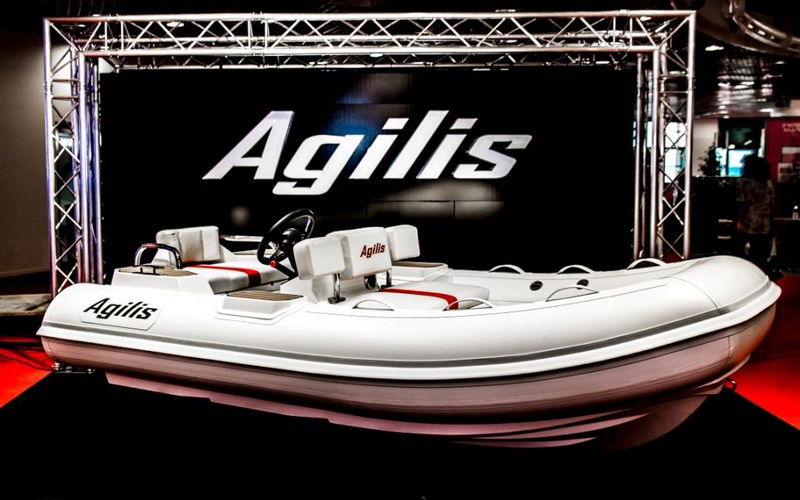
Images have been gathered from various sources and belong to their respective owners.
Latest Market Trends (Latest Available Year Model)
Price: $46,643
Review - Agilis 305

MarineBroker
02/02/2024, 4:53 AM
2019 Agilis 305: What to Know Before Buying, Running, and Maintaining This Compact Jet Tender
If you’ve been looking into the 2019 Agilis 305, you’re probably trying to answer a pretty common question: is this compact jet tender actually practical for real-world boating, or does it just look good on the dock? That’s a fair concern. Small tenders can be easy to admire in photos, but once you start thinking about boarding comfort, storage, fuel use, maintenance, and how they handle in chop, the details matter a lot more.
The 2019 Agilis 305 stands out because it blends a small footprint with the kind of performance many boaters want from a modern jet-powered tender. But like any boat in this size range, it comes with trade-offs. Space is limited, setup matters, and ownership is much smoother when you understand what this model does well and where you need to pay attention.
In this article, we’ll break down the practical side of the 2019 Agilis 305—what makes it appealing, the most common issues owners should think about, and the best ways to get the most out of it without overcomplicating things.
- What Makes the 2019 Agilis 305 Worth Considering
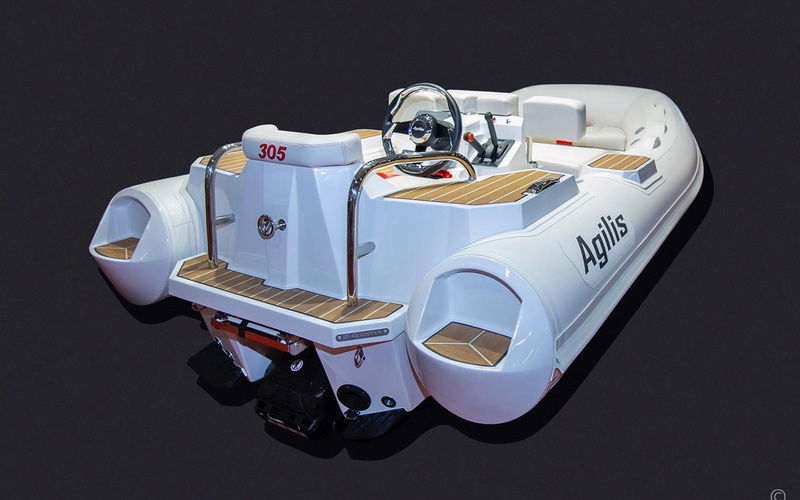
The 2019 Agilis 305 is a compact jet tender designed for boaters who want something sleek, maneuverable, and easy to handle. At roughly 3 meters in length, it fits into the category of small tenders that are meant to move people quickly and efficiently between a yacht, dock, beach, or marina.
One of the biggest reasons people look at this model is its jet propulsion system. Unlike prop-driven small boats, a jet tender can be a smart choice in shallow water and around swimmers, docks, or tight marina spaces. That alone makes it appealing for owners who care about convenience and safety.
It’s also a boat that tends to attract attention from buyers who want something modern-looking and simple to operate. For many users, the appeal is not just performance, but the overall ease of use.
Some of the main strengths people typically look for in a boat like this include:
- Compact size for easy storage and transport
- Jet propulsion for safer low-water operation
- Quick handling in tight areas
- Clean, modern styling
- Useful as a yacht tender or a short-run day boat
That said, buying or using a small jet tender is not just about the spec sheet. The real value comes from how well it fits your actual boating habits.
- The Real Problem: Small Jet Tenders Can Be Great, But They’re Not Always Easy to Live With
The main issue many people run into with boats like the 2019 Agilis 305 is expectation versus reality. A compact tender can seem like the perfect solution until you start using it regularly.
Owners and buyers often discover that the biggest challenge is balancing convenience with comfort. A 3-meter boat gives you maneuverability, but it also means limited seating, less storage, and less forgiveness when conditions get rough.
Common concerns include:
- Not enough space for passengers and gear
- A ride that can feel busy in choppy water
- Jet system maintenance that needs regular attention
- Fuel consumption that may surprise first-time owners
- Difficulty matching the boat to the right use case
This is where a lot of frustration starts. People sometimes buy a tender because it looks efficient, but later realize they need to think more carefully about how they’ll actually use it.
For example, if you plan to use the boat only for short, calm transfers from yacht to shore, a compact jet tender may be ideal. But if you want to carry several adults, luggage, towels, snacks, and water toys on longer trips, the space limitations become more obvious.
The good news is that these issues are manageable. The solution is not to avoid the boat altogether, but to understand its strengths, set realistic expectations, and operate it with a few smart habits.
- 2019 Agilis 305: Best Use Cases and Who It Suits
The 2019 Agilis 305 works best when it is used for the kind of boating it was designed for. That sounds obvious, but it’s the key to being happy with the boat.
This model is generally a strong fit for:
- Yacht owners needing a stylish tender
- Boaters who want a compact runabout for short trips
- People operating in shallow or crowded marina environments
- Owners who value easy docking and quick maneuvering
- Users who want a modern, low-profile boat for light-duty transport
It may be less ideal for:
- Families needing lots of seating and storage
- Boaters who frequently run in rough water
- Owners expecting long-range cruising
- People who want minimal upkeep with no technical systems to learn
A good way to think about it is this: the 2019 Agilis 305 is a specialist, not a generalist. It shines when the mission is short, fast, and simple.
That’s why matching the boat to the mission matters so much. The right owner will see it as a practical tool. The wrong buyer may see it as cramped or limited.
- What to Check Before Buying a 2019 Agilis 305
If you’re shopping for a used 2019 Agilis 305, the smartest move is to inspect it like a working machine, not just a pretty boat. Jet tenders can look clean on the outside while hiding issues that affect performance and reliability.
Here’s what to pay attention to:
- Engine hours and service history
- Jet pump condition
- Hull and deck wear
- Upholstery and hardware condition
- Battery health and electrical system
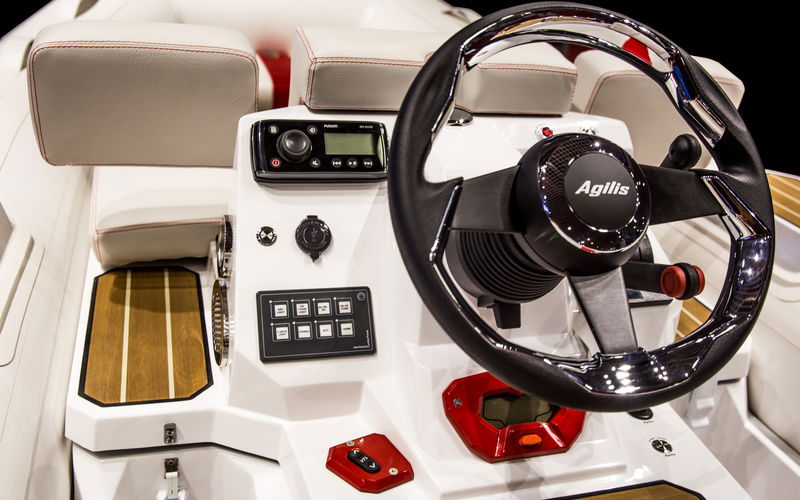
- Steering and throttle response
- Any signs of water intrusion
The jet system deserves special attention. Debris, wear, or poor maintenance can affect performance quickly. Ask whether the impeller has been inspected and whether the intake grate is in good shape.
Also look at how the boat was stored. A tender kept on a lift, under cover, or in a garage will usually age better than one left exposed to sun and salt.
A few smart questions to ask:
1. How often was the boat used?
2. Was it flushed after saltwater use?
3. Has the jet drive been serviced regularly?
4. Are there records for routine maintenance?
5. Has the boat had any impact damage or repairs?
If possible, do a sea trial. A short test run can reveal things that are hard to spot on a dock, such as vibration, steering issues, hesitation, or poor acceleration.
- How to Get Better Performance from the 2019 Agilis 305
One of the easiest ways to enjoy a small jet tender more is by operating it with a lighter, simpler approach. These boats are usually at their best when they are not overloaded and when the water conditions are favorable.
To get the most out of the 2019 Agilis 305, try the following:
- Keep weight balanced
- Avoid overloading the cockpit
- Use smooth throttle inputs
- Plan for short, efficient trips
- Stay on top of cleaning and flushing
- Check the intake area regularly for debris
Weight distribution matters more than many new owners realize. In a small boat, even a couple of extra bags or passengers in the wrong spot can affect trim and handling.
Smooth throttle use is also important because jet boats respond differently from prop boats. Sudden throttle changes can make the boat feel less stable or less predictable, especially in tight spaces.
If you’re using it as a tender, keep the setup simple. Store only what you need onboard. A clutter-free boat is easier to board, easier to clean, and usually performs better.
- Maintenance Tips That Save Time and Trouble
A compact jet tender can be a very enjoyable boat to own, but only if maintenance stays ahead of problems. The 2019 Agilis 305 is no different. The key is regular care, not reactive repairs.
Here are the basics that matter most:
- Flush the engine after saltwater use
- Rinse the hull and deck regularly
- Inspect the jet intake for weeds, sand, or debris
- Clean and protect upholstery
- Check battery charge and connections
- Look over steering components and controls
- Follow the manufacturer’s service schedule
Saltwater is especially hard on small boats. Even if the boat looks fine after a day out, salt residue can build up and shorten the life of components over time.
It also helps to create a simple post-use routine:
1. Rinse the exterior
2. Flush the engine
3. Check the intake and grate
4. Dry the seating and storage areas
5. Cover the boat or store it properly
That routine takes only a few minutes, but it can prevent a lot of headaches later.
If the boat is used as a tender for a larger yacht, maintenance can be even easier if you build it into the yacht’s overall care schedule. That way, the tender gets attention instead of being treated like an afterthought.
- Common Mistakes Owners Make with Compact Jet Tenders
A lot of problems with small boats come from simple misuse, not major mechanical failures. The 2019 Agilis 305 is no exception.
Some of the most common mistakes include:
- Running overloaded
- Ignoring jet intake cleaning
- Skipping flushes after saltwater use
- Leaving the boat uncovered in harsh sun
- Expecting it to behave like a larger runabout
- Using it in conditions that are too rough for its size
Overloading is probably the biggest one. Small boats lose comfort and efficiency fast when they carry too much weight. The ride gets harsher, handling gets less precise, and fuel use can rise.
Another common mistake is using a jet tender like a mini cruiser. It’s better to think of it as a quick-transfer or short-trip boat. Once you set that expectation, the experience makes more sense.
It’s also worth remembering that jet propulsion is not maintenance-free. It can be very practical, but it still needs attention. Keeping the intake clean and the system serviced is part of the deal.
- How the 2019 Agilis 305 Compares in Everyday Use
In day-to-day use, the 2019 Agilis 305 is best described as efficient, agile, and purpose-built. It’s not trying to be everything to everyone. That can actually be a strength, because it stays focused on what it does well.
Compared with larger tenders, it is easier to launch, easier to dock, and less demanding to store. Compared with simpler inflatable tenders, it often feels more refined and more capable in quick, controlled movement.
In everyday terms, that means:
- Faster boarding and departure
- Easier handling in marinas
- Less hassle when docking alongside a yacht
- A cleaner, more modern appearance
- Better fit for short, frequent transfers
For many boaters, those small advantages add up quickly. If your boating style involves a lot of stop-and-go movement between shore and vessel, convenience matters more than raw size.
That said, if your typical outing involves multiple passengers, lots of gear, or long idle periods in open water, a different boat type may be a better match.
- Smart Buying Advice for Interested Owners
If you’re seriously considering the 2019 Agilis 305, the best advice is to buy based on use, not just appearance. A clean-looking tender can be tempting, but the real question is whether it fits your routine.
Before making a decision, ask yourself:
- How many people will use it regularly?
- Will it be stored on a yacht, trailer, or dock?
- Are your trips short and simple, or longer and more varied?
- Do you want easier handling or more onboard space?
- Are you comfortable with regular upkeep?
If the answer to most of those points lines up with compact, efficient use, this model can make a lot of sense.
It also helps to compare total ownership costs, not just the purchase price. Consider:
- Routine maintenance
- Fuel use
- Storage needs
- Cleaning time
- Replacement parts and service access
A boat that seems affordable upfront can become inconvenient if it doesn’t fit your lifestyle. On the other hand, a well-matched tender can save time and make boating feel easier every single day.
- Final Thoughts on the 2019 Agilis 305
The 2019 Agilis 305 is a strong option for boaters who want a compact, modern jet tender that’s easy to move, easy to dock, and well suited to short-distance use. Its biggest strengths are convenience, maneuverability, and shallow-water practicality. Its biggest limitations are the same ones most small boats face: limited space, less comfort in rough conditions, and the need for consistent maintenance.
The best way to solve the common problems is to buy with realistic expectations, keep the boat light and well maintained, and use it for the kind of trips it was designed to handle. If you do that, this model can be a very practical part of your boating setup. For anyone researching the 2019 Agilis 305, the smartest next step is to compare your real-world needs with the boat’s size, layout, and operating style before making a final decision.
Specifications
General
Boat Type: Power Boats
Class Type: Rigid Inflatable Boats
Specifications
Length: 10.01
Beam: 5.74
Draft: 2.82
Hull Material: GRP
Build
First Built: 2019
Propulsion
Fuel Type: Unleaded
Engines: 1
Power: 0 HP
Brand: Unknown
Accomodation
PROS & CONS
What we appreciated
 Modern Scandinavian design with sleek aestheticsSpacious and versatile deck layout suitable for family and social activitiesQuality build with durable materials ensuring longevityEfficient fuel consumption for a boat of its sizeGood handling and stability in various water conditions
What we didn’t appreciate
 Limited cabin space compared to larger cruisersRelatively high price point for entry-level buyersStorage compartments could be more optimizedNot ideal for long offshore trips due to size and fuel capacitySome users report limited dealer network depending on region
Upkeep Costs
Fuel: Approximately $1,200 - $2,000 per season depending on usage
Maintenance: $800 - $1,200 annually for engine and hull upkeep
Insurance: $300 - $600 per year
Storage: $500 - $1,500 per year depending on location and season
Registration and Taxes: $100 - $300 annually
Rating
6.9
User
Score
Score
Driveability
Technology
Interior
Design
Similar Boats


MarineBroker
Download now for an immersive boat experience like never before! ⛵✨ Your journey begins with a simple click. 🌊📲
#SetSailSmart #DownloadNow
#SetSailSmart #DownloadNow

Subscribe
Copyright 2017 - 2026, Marinebroker.net, All Rights Reserved