Boat Database » Aermarine Roll Airdeck 210
Aermarine Roll Airdeck 210
Outboard four-stroke, Unleaded, 1x 4 HP
Power Boats 2012 Aermarine Roll Airdeck 210: What Owners Should Know About Setup, Performance, and Smart Maintenance
If you’re looking into the 2012 Aermarine Roll Airdeck 210, chances are you want a small inflatable boat that’s easy to hand...
Discover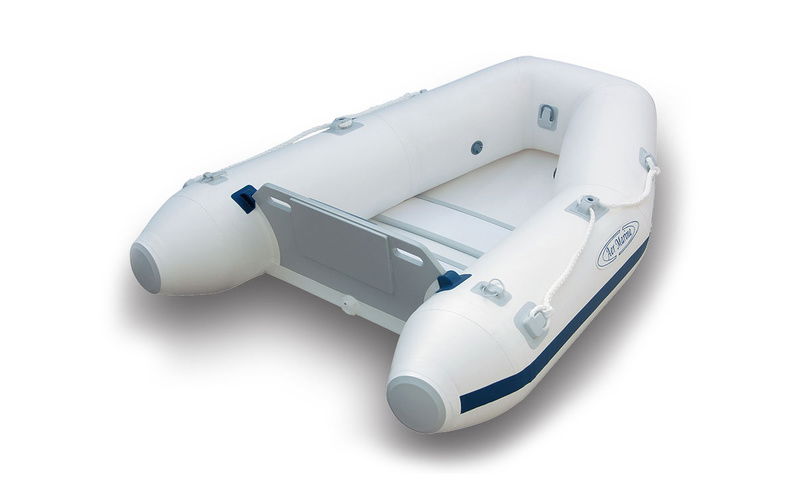


Images have been gathered from various sources and belong to their respective owners.
Review - Aermarine Roll Airdeck 210

MarineBroker
02/01/2024, 1:14 PM
2012 Aermarine Roll Airdeck 210: What Owners Should Know About Setup, Performance, and Smart Maintenance
If you’re looking into the 2012 Aermarine Roll Airdeck 210, chances are you want a small inflatable boat that’s easy to handle, easy to store, and flexible enough for casual boating, fishing, or tender use. That’s exactly why boats like this remain popular years after they were built. They offer a practical mix of portability and utility that works well for people who don’t want the hassle of a heavy rigid hull.
But owning or shopping for an older inflatable boat comes with its own set of questions. Is the airdeck still holding pressure well? How do you tell whether the seams, valves, or floor need attention? And what should you check before taking it out on the water? Those are the real concerns most people have, especially with a 2012 model. The good news is that with a little know-how, you can spot issues early, keep the boat performing properly, and avoid the headaches that come from neglect. In this article, we’ll walk through the key things to know, the common problems to watch for, and the practical solutions that help keep the 2012 Aermarine Roll Airdeck 210 in dependable shape.
- What Makes the 2012 Aermarine Roll Airdeck 210 Worth a Closer Look
The 2012 Aermarine Roll Airdeck 210 is part of the small inflatable boat category, which appeals to boaters who value convenience over size. At around 2.1 meters, it’s compact enough to transport easily, yet still useful for short trips, calm-water cruising, dinghy duties, and light recreational use.
What makes this type of boat appealing is the combination of a roll-up style hull and an airdeck floor. That means less weight, less storage space, and faster setup compared with many hard-floor inflatables. For owners who keep a boat in a garage, car trunk, or limited storage area, that’s a major plus.
The challenge, of course, is that compact inflatable boats depend heavily on condition. Age, UV exposure, pressure changes, and repeated folding can all affect performance. So if you’re interested in a 2012 Aermarine Roll Airdeck 210, the big question isn’t just what it can do, but how to make sure it still does it well.
- The Main Problem Owners Face With Older Inflatable Boats
With a 2012 inflatable boat, the most common problem is not usually one dramatic failure. It’s gradual wear.
That can show up in a few ways:
- Slow air leaks
- Weakened seams
- Worn valves
- Soft or uneven floor pressure
- Cracking or fading from sun exposure
- Loss of rigidity when underway
These issues may seem small at first, but they affect safety, comfort, and handling. A boat that doesn’t hold pressure correctly can feel unstable, sit lower in the water, and require constant re-inflation.
For many owners, the real frustration is uncertainty. The boat might look fine on land, but once it’s inflated and loaded, hidden problems become obvious. That’s why a careful inspection and a simple maintenance routine matter so much.
- How the Airdeck Changes the Boating Experience
The airdeck is one of the biggest advantages of the 2012 Aermarine Roll Airdeck 210. Instead of a heavy plywood or aluminum floor, you get an inflatable floor that adds cushioning and helps keep the boat light.
This gives you a few practical benefits:
- Easier carrying and launching
- Faster assembly
- More comfortable footing
- Better portability for solo handling
- Less bulk when stored
That said, an airdeck also needs proper inflation to perform well. If it’s underinflated, the floor can feel spongy and reduce stability. If it’s overinflated, you risk stressing the material, especially in warm weather when internal pressure can rise.
A good rule of thumb is to inflate the boat gradually and check firmness by feel rather than rushing to maximum pressure right away. If you’re unsure, use the manufacturer’s recommended PSI and keep a reliable pressure gauge onboard.
- 2012 Aermarine Roll Airdeck 210: What to Check Before Buying or Using
If you’re evaluating this boat now, especially as a pre-owned model, inspection is everything. A boat can look clean in photos and still have hidden issues.
Here’s what to check first:
- Seams: Look for separation, bubbling, or patch repairs
- Valves: Make sure they open and close smoothly and seal tightly
- Tubes: Inspect for cracks, abrasions, and sticky or chalky surfaces
- Airdeck floor: Check for soft spots, leaks, or uneven inflation
- Transom area: Look for stress, warping, or loose fittings
- Floor and tube junctions: These areas often show wear first
- Overall odor and storage signs: Mold, fuel smell, or mildew can indicate poor storage
If possible, inflate the boat fully and let it sit for several hours. A boat that loses noticeable pressure without obvious temperature changes may have a leak that needs attention.
You should also check the boat in daylight, not just indoors. Small cracks and seam issues are much easier to spot in natural light.
- Common Performance Issues and What They Mean
A lot of inflatable boat problems are easy to misread. The boat may seem “just a little soft” or “not quite right,” but those small clues usually point to something specific.
Here are the most common symptoms and what they often mean:
- Boat feels unstable: Airdeck underinflated, uneven tube pressure, or improper load balance
- One side sits lower: Unequal inflation or hidden leak on one tube
- Floor feels bouncy: Airdeck pressure too low or internal floor issue
- Boat loses air overnight: Slow leak at valve, seam, or puncture
- Hard to plane or move efficiently: Too much weight, poor trim, or insufficient tube pressure
- Excess flex in the hull: Material fatigue or underinflation
The key is to isolate the problem one step at a time. Inflate the tubes, then the floor, and observe how the boat behaves. If the issue changes when you adjust pressure, you’ve already narrowed down the cause.
- Practical Solution: A Simple Maintenance Routine That Works
The best way to solve most problems with the 2012 Aermarine Roll Airdeck 210 is to stay ahead of wear. Inflatable boats don’t usually fail all at once. They decline slowly, which means regular care makes a big difference.
Here’s a simple routine that helps:
- Rinse the boat after each use, especially in saltwater
- Dry it completely before folding and storing
- Check pressure before launch
- Inspect seams and valves every few outings
- Store it away from direct sunlight when possible
- Avoid dragging the boat over rough surfaces
- Keep sharp gear separated from the tubes and floor
This kind of care doesn’t take long, but it can extend the life of the boat significantly. Even a few minutes of attention after each trip can prevent bigger repair jobs later.
- How to Find and Fix Small Leaks
Small leaks are one of the most common issues with older inflatables, and they’re usually manageable if you catch them early.
A basic leak test is easy:
1. Inflate the boat fully.
2. Listen for hissing sounds around valves and seams.
3. Spray soapy water on suspected areas.
4. Watch for bubbles forming.
5. Mark the leak location with tape or chalk.
If the leak is from a valve, sometimes tightening or cleaning the valve seat solves the issue. If it’s a puncture, a proper patch kit made for inflatable boats is usually the best solution.
A few tips:
- Clean and dry the area before patching
- Use the correct adhesive for the material
- Apply pressure evenly while curing
- Let the repair fully set before re-inflating
For seam issues or larger material damage, professional repair may be the safer route. That’s especially true if the damage affects structural integrity or repeated pressure loss.
- Getting the Best Performance on the Water
Once the 2012 Aermarine Roll Airdeck 210 is in good condition, performance mostly comes down to setup and load management.
A small inflatable boat works best when you keep weight balanced and avoid overloading it. Even if the boat technically supports your gear, too much weight can reduce freeboard and make handling sluggish.
To improve performance:
- Distribute passengers and gear evenly
- Keep heavier items low and centered
- Use the correct inflation pressure
- Avoid aggressive turns at speed
- Trim the boat properly if using an outboard
- Don’t exceed the recommended load limit
If you use the boat as a tender, remember that short hops with cargo can affect handling more than expected. A few extra bags or a full fuel canister can change how the boat sits in the water.
- Storage Tips That Help the Boat Last Longer
Storage is a huge factor in inflatable boat life. Many older boats fail not because they were used too often, but because they were stored badly.
Good storage habits include:
- Keeping the boat clean and dry
- Avoiding long-term exposure to heat and UV
- Storing it loosely folded if space allows
- Using a breathable cover when possible
- Keeping rodents and sharp objects away
If you fold the boat tightly every time, try to vary the fold pattern occasionally. Repeated creasing in the same spots can create weak points over time.
Also, don’t store the boat while it’s damp. Moisture trapped in folds can lead to mildew, odor, and material breakdown.
- When a Repair Is Worth It and When It Isn’t
Not every problem means the boat is done for. In fact, many inflatable boat issues are worth repairing, especially if the boat otherwise fits your needs.
Repair is usually worth it when:
- The leak is small and isolated
- The valves are replaceable
- The seams are intact overall
- The airdeck is repairable
- The boat has sentimental or practical value
Replacement or professional evaluation may be better when:
- Multiple seams are failing
- The material is brittle or heavily UV-damaged
- The boat loses pressure rapidly
- Repairs don’t hold
- The transom or structural areas are compromised
A 2012 model can still be useful, but only if the base material remains sound. If the fabric has become fragile, patching may only delay the inevitable.
- Why This Model Still Makes Sense for the Right Boater
The 2012 Aermarine Roll Airdeck 210 still has appeal because it solves a real problem: how to get a lightweight, compact boat on the water without a lot of setup time or storage hassle.
It’s a strong fit for people who want:
- A portable tender
- A small boat for calm-water use
- Easy storage in tight spaces
- A practical inflatable option for occasional outings
- A simple boat that doesn’t require a trailer
For the right user, that’s a very attractive package. The main thing is to understand its age and treat maintenance as part of ownership, not an afterthought.
- Smart Buying Advice for Anyone Considering One Today
If you’re shopping for a used 2012 Aermarine Roll Airdeck 210, don’t focus only on the asking price. A cheaper boat with hidden damage can cost more in repairs than a better-kept one.
Before buying, ask:
- Has the boat been stored indoors or outdoors?
- Were any seams or valves repaired?
- Does it hold pressure overnight?
- Is the airdeck original and functional?
- Are patches cosmetic or structural?
- Is the outboard mount or transom area solid?
If the seller can inflate it for inspection, that’s ideal. A live demonstration tells you far more than photos ever will.
It’s also smart to factor in the cost of a pump, patch kit, pressure gauge, and possible valve replacements. Those accessories are small investments, but they make ownership easier and safer.
- Conclusion
The 2012 Aermarine Roll Airdeck 210 can still be a very practical inflatable boat, especially for owners who value portability and easy setup. The biggest challenge with a boat of this age is not the design itself, but the natural wear that comes with time, use, and storage conditions. By checking seams, valves, and the airdeck carefully, you can catch problems early and avoid bigger headaches later.
A simple routine of cleaning, drying, pressure checks, and proper storage goes a long way. If you’re considering buying one, inspect it thoroughly and look for signs of hidden leaks or material fatigue. With the right care, this compact inflatable can still offer plenty of useful service and enjoyable time on the water.
Specifications
General
Boat Type: Power Boats
Class Type: Rigid Inflatable Boats
Specifications
Length: 6.89
Beam: 4.27
Draft: 0.98
Hull Material: GRP
Build
First Built: 2012
Propulsion
Fuel Type: Unleaded
Engines: 1
Power: 4 HP
Brand: Unknown
Accomodation
PROS & CONS
What we appreciated
 Lightweight and easy to transport due to inflatable designDurable construction with quality materials for longevityGood stability and comfortable ride with airdeck floor systemVersatile use for fishing, leisure, or tender purposesRelatively low maintenance compared to traditional rigid boats
What we didn’t appreciate
 Limited speed and performance compared to rigid hull boatsAirdeck requires regular inflation and monitoring for pressureSmaller size may limit passenger and cargo capacitySusceptible to punctures or damage if not handled carefullyOlder model, so some parts or accessories may be harder to find
Upkeep Costs
Fuel: Approximately $1,200 - $2,000 annually depending on usage and fuel prices
Maintenance and Repairs: Around $500 - $1,000 per year for engine servicing, hull upkeep, and inflatable repairs
Insurance: Typically $300 - $700 annually depending on coverage and location
Storage: $500 - $1,500 per year depending on marina or dry storage options
Registration and Licensing: $50 - $150 annually depending on state regulations

Rating
4.9
User
Score
Score
Driveability
Technology
Interior
Design
Similar Boats


MarineBroker
Download now for an immersive boat experience like never before! ⛵✨ Your journey begins with a simple click. 🌊📲
#SetSailSmart #DownloadNow
#SetSailSmart #DownloadNow

Subscribe
Copyright 2017 - 2026, Marinebroker.net, All Rights Reserved