Boat Database » AB Inflatables ABJET 380
AB Inflatables ABJET 380
Jet Drive, Unleaded, 1x 150 HP
Power Boats 2009 AB Inflatables ABJET 380: What Owners Should Know Before Buying, Maintaining, or Restoring One
If you’re looking at a 2009 AB Inflatables ABJET 380, you’re probably already drawn to the idea of a compact, high-performance te...
Discover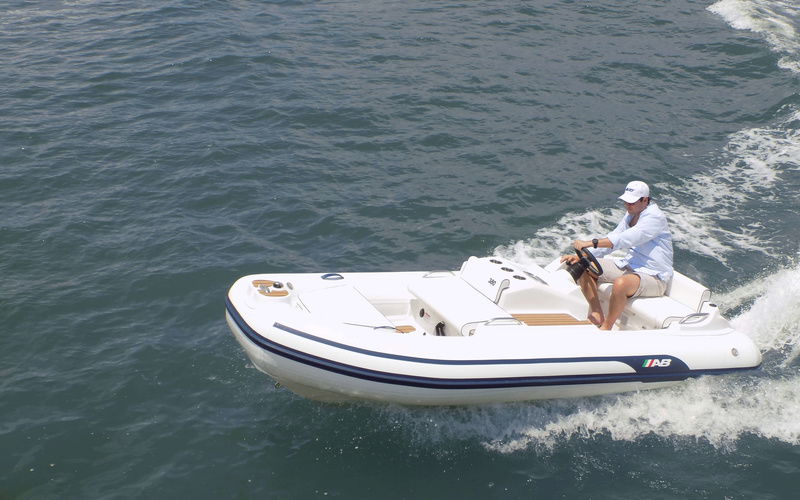

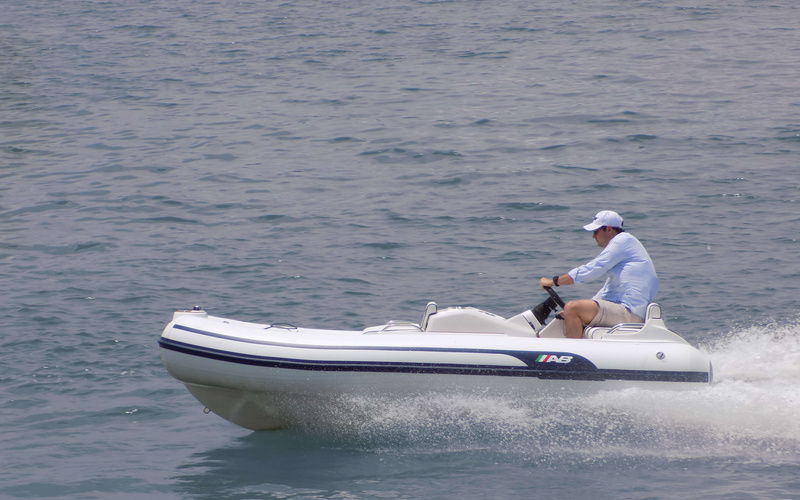
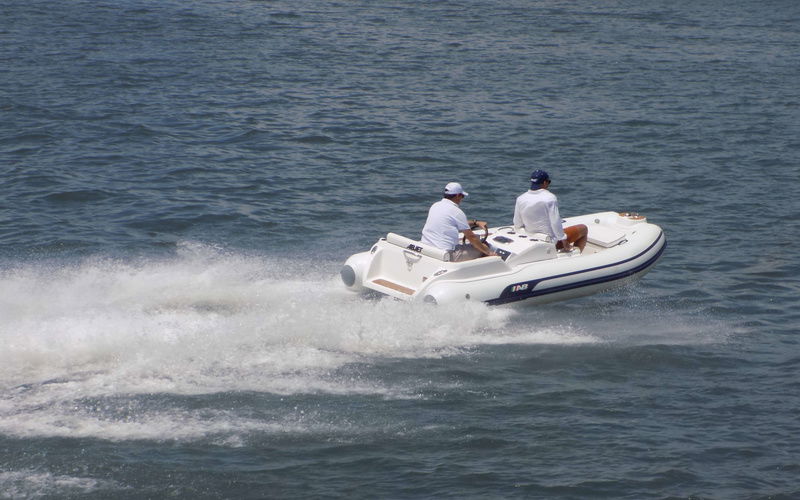
Images have been gathered from various sources and belong to their respective owners.
Review - AB Inflatables ABJET 380

MarineBroker
01/16/2024, 6:52 AM
2009 AB Inflatables ABJET 380: What Owners Should Know Before Buying, Maintaining, or Restoring One
If you’re looking at a 2009 AB Inflatables ABJET 380, you’re probably already drawn to the idea of a compact, high-performance tender that can do more than just shuttle people from the dock to the boat. Jet-powered inflatables have a lot going for them: shallow-water capability, easy boarding, and a sporty feel that makes them fun to use. But like any 2009-era boat, the ABJET 380 comes with a few things worth checking carefully before you buy, maintain, or put it back into regular service.
That’s usually where the real challenge starts. A boat like this may look great on paper, but age, storage history, engine condition, tube wear, and jet-drive maintenance can make a big difference in reliability and value. The good news is that most of the common issues are manageable if you know what to inspect and what to prioritize. With a little know-how, you can avoid expensive surprises and get the most out of this versatile little jet tender.
- Why the 2009 AB Inflatables ABJET 380 Still Gets Attention
The ABJET 380 has remained appealing for a simple reason: it blends the practicality of an inflatable tender with the performance of a jet drive. That combination makes it especially attractive for boaters who want something nimble, safe, and easy to handle around docks, beaches, and shallow coves.
For people shopping used, the 2009 model year often hits a sweet spot. It’s old enough to be more affordable than newer tenders, but still modern enough to offer a practical layout and useful performance. The key is understanding what you’re getting into.
A used ABJET 380 may be a great fit if you want:
- A tender that’s easier to board than a hard dinghy
- Shallow-water operation without worrying about a propeller
- A compact boat that can be stored or lifted more easily than larger tenders
- A fun, quick boat for short runs and harbor use
The tradeoff is that jet tenders usually demand more attention to maintenance than a simple outboard inflatable. That doesn’t make them bad choices. It just means buyers and owners need to be a bit more careful.
- The Main Problem: Age-Related Wear Can Hide in Plain Sight
The biggest issue with a 2009 AB Inflatables ABJET 380 is not usually one dramatic failure. It’s the accumulation of small age-related problems that can add up fast.
On a boat this age, the most common concerns include:
- Tube leaks or weakened seams
- Fading, cracking, or delamination in inflatable material
- Jet pump wear
- Impeller damage from sand or debris
- Engine issues from poor storage or inconsistent maintenance
- Electrical corrosion
- Fuel system deterioration
- Trailer or lifting-point wear, if applicable
Many of these problems don’t show up during a quick walkaround. A clean-looking tender may still have hidden issues in the fuel lines, cooling system, or pump housing. That’s why a detailed inspection matters more than cosmetics.
If you’re buying one, the real challenge is figuring out whether the boat has been cared for consistently or simply made to look good for sale.
- What to Inspect on a 2009 AB Inflatables ABJET 380
A careful inspection can save you from buying a headache. Whether you’re evaluating one for purchase or checking your current boat before the season starts, focus on these areas first.
- Tubes and Fabric Condition
Inflatable tubes are the most visible part of the boat, but they’re not just about appearance. Look for:
- Soft spots
- Air leaks
- Patchwork repairs
- Discoloration from UV exposure
- Cracks near seams, handles, or rubbing points
Press along the tubes and listen for escaping air. If possible, inspect the boat when it’s fully inflated and left sitting for a while. A slow leak can be easy to miss otherwise.
- Jet Drive and Intake Area
The jet system is one of the most important parts of the ABJET 380. Check the intake grate, impeller area, and nozzle for damage or excessive wear.
Watch for:
- Dings or chips on the impeller
- Debris caught in the intake
- Signs of cavitation
- Uneven jet output
- Corrosion around the housing
A weak jet drive can make the boat feel sluggish, noisy, or difficult to control. Since shallow-water use often means occasional contact with sand or grit, this area deserves extra attention.
- Engine Health
The engine is where many used-boat deals go right or wrong. Ask for service records if available, and look for:
- Clean oil and proper fluid levels
- Smooth starting
- Stable idle
- No unusual smoke
- No overheating history
- Clean fuel lines and filters
If the engine has been sitting unused for long periods, expect to inspect the fuel system closely. Old fuel and neglected hoses can create expensive problems even if the engine itself is in decent shape.
- Electrical System
Saltwater and electrical systems do not get along well over time. Corrosion is common on older boats, especially if they’ve been stored outside or used in marine environments regularly.
Check:
- Battery condition
- Wiring connections
- Switches and gauges
- Navigation lights
- Starter performance
Loose, corroded, or hacked-up wiring is a warning sign that the boat may have had patchy maintenance overall.
- Transom and Mounting Points
Even on an inflatable with a jet setup, structural mounting points matter. Inspect the transom carefully for:
- Cracks
- Flexing
- Delamination
- Water intrusion
- Loose fittings
Any weakness here can affect performance and safety. A solid transom is essential for keeping the boat stable under power.
- Common 2009 AB Inflatables ABJET 380 Issues and How to Handle Them
Older jet tenders can be very usable, but they do have predictable weak spots. The good news is that most issues can be managed if you catch them early.
- Reduced Performance
If the boat feels slower than expected, the cause may be one of several things:
- Worn impeller
- Debris in the intake
- Engine not reaching proper RPM
- Fuel delivery issues
- Excess weight on board
Start with the simplest checks first. Clean the intake, inspect the impeller, and confirm the engine is running within spec. A boat that’s overloaded or carrying extra gear can also feel underpowered, especially in a smaller jet tender.
- Hard Starting or Rough Idling
This is often fuel-related on older boats. Common causes include:
- Old fuel
- Dirty injectors or carburetor issues
- Weak battery
- Water in the fuel system
- Clogged filters
If the boat starts rough after sitting, don’t ignore it. Small fuel-system issues tend to get worse over time.
- Tube Air Loss
Slow leaks are one of the most frustrating problems because they’re not always obvious. They can come from:
- Valve issues
- Seam wear
- Tiny punctures
- Aging adhesive joints
The practical fix is to isolate each tube section and test carefully. Many leaks can be repaired, but repeated leaks in multiple areas may suggest the material is nearing the end of its usable life.
- Corrosion and Fastener Problems
Hardware on older boats can corrode quietly until it becomes a bigger issue. This affects:
- Cleats
- Grab handles
- Electrical terminals
- Engine mounts
- Pump hardware
Replacing corroded fasteners early is a lot cheaper than dealing with failed mounts or broken fittings later.
- How to Buy a Used 2009 AB Inflatables ABJET 380 Without Regret
If you’re in the market for one, the best strategy is to treat it like a mechanical inspection first and a boat purchase second. A pretty boat is nice, but a well-documented boat is better.
- Ask for Maintenance Records
Records tell you a lot about how the boat was used. Look for:
- Regular engine servicing
- Impeller or pump maintenance
- Tube repairs
- Battery replacement
- Winterization or storage notes
A seller who can show consistent care is usually a safer bet than one who only says, “It runs great.”
- Test Run the Boat
Never skip the water test if you can help it. On the water, pay attention to:
- Acceleration
- Steering response
- Top-end feel
- Noise or vibration
- Cooling performance
- Reverse or maneuvering behavior, if applicable
A boat can seem fine on land and still reveal problems once it’s under load.
- Compare Condition to Asking Price
Used jet tenders are often priced based on appearance, but condition should drive value. A cheaper boat that needs a pump rebuild, tube repairs, and electrical work may cost more in the long run than a slightly pricier one with documented maintenance.
A simple rule: estimate the cost of fixing the obvious issues, then add a cushion for hidden ones. That gives you a more realistic picture of the deal.
- Best Maintenance Habits for the 2009 AB Inflatables ABJET 380
If you already own one, good maintenance can make a huge difference in reliability and resale value. The goal is not just to fix problems, but to prevent them.
- Rinse After Every Use
Especially after saltwater use, rinse the hull, jet intake, and hardware thoroughly. Salt buildup is one of the fastest ways to shorten the life of fittings and moving parts.
- Keep the Jet Intake Clean
Debris in the intake can reduce performance and damage the impeller. Make it a habit to check for:
- Sand
- Seaweed
- Small stones
- Fishing line
This is a quick inspection that can prevent bigger repairs.
- Service the Engine on Schedule
Even if the boat isn’t used heavily, fluids and components age. Follow a regular service routine for:
- Oil changes
- Fuel filters
- Spark plugs
- Cooling system checks
- Battery maintenance
A lightly used boat still needs attention. Sitting is often harder on equipment than regular use.
- Protect the Tubes from UV Damage
Sun exposure is tough on inflatable materials. When possible:
- Store under cover
- Use a proper boat cover
- Avoid leaving it inflated in direct sun for long periods
- Clean with products approved for inflatable material
UV damage often starts as fading but can eventually lead to brittleness and cracking.
- Store It Properly
Storage matters more than many owners realize. A good storage setup helps prevent:
- Moisture buildup
- Mold and mildew
- Corrosion
- Battery drain
- Tube deformation
If the boat will sit for a while, keep it clean, dry, and protected from harsh weather.
- When the 2009 AB Inflatables ABJET 380 Makes the Most Sense
This boat is not for everyone, and that’s okay. It makes the most sense for boaters who value compact size, shallow-water access, and easy boarding over long-range cruising or heavy-duty utility.
It’s a strong fit if you want:
- A tender for a larger yacht
- A small, fun runabout for short trips
- A boat that can handle beach landings or shallow docks
- A lightweight craft that’s easier to store than a rigid hull
It may be less ideal if you want:
- Minimal maintenance
- Very high fuel efficiency
- Long-distance cruising
- A boat that can ignore storage and still stay healthy
In other words, it’s a practical, capable little boat, but it rewards owners who stay on top of care.
- Practical Buying and Ownership Tips
Here are a few simple ways to make ownership easier:
1. Inspect before every outing.
A 5-minute check can catch leaks, loose fittings, or debris in the intake.
2. Keep a maintenance log.
Even basic notes about service dates, parts replaced, and fuel treatment help a lot later.
3. Don’t ignore small performance changes.
If the boat feels slower, louder, or harder to start, investigate early.
4. Budget for upkeep.
Older jet tenders often need more routine attention than people expect.
5. Use quality fuel and storage practices.
Fuel problems are common, but often preventable.
These habits sound basic, but they’re exactly what keep an older boat dependable.
- Why a Careful Inspection Is the Real Solution
The real solution to owning or buying a 2009 AB Inflatables ABJET 380 is not finding a “perfect” used boat. It’s knowing how to evaluate condition realistically and staying ahead of maintenance.
That means focusing on the systems that matter most:
- Tubes
- Jet drive
- Engine
- Fuel system
- Electrical components
- Storage history
When those areas are in good shape, the boat can still be a very enjoyable and capable tender. When they’re neglected, even a clean-looking boat can become expensive quickly.
A careful inspection, a solid maintenance routine, and a realistic budget are the best tools you have. That’s what turns an older jet inflatable from a gamble into a smart, usable boat.
The 2009 AB Inflatables ABJET 380 can still be a great choice for the right owner. Just make sure you buy with your eyes open, maintain it consistently, and treat small issues before they become big ones. If you’re researching one now, take your time, compare notes, and don’t be afraid to ask for records or a water test before making a decision.
Specifications
General
Boat Type: Power Boats
Class Type: Rigid Inflatable Boats
Specifications
Length: 12.66
Beam: 5.84
Draft: 1.31
Hull Material: GRP
Build
First Built: 2009
Propulsion
Fuel Type: Unleaded
Engines: 1
Power: 150 HP
Brand: Unknown
Accomodation
PROS & CONS
What we appreciated
 High-performance jet propulsion providing excellent maneuverability and shallow water operationLightweight and durable Hypalon inflatable construction for easy transport and storageSpacious deck layout suitable for various recreational activitiesFuel-efficient engine options availableGood stability and safety features typical of AB Inflatables
What we didn’t appreciate
 Limited seating capacity compared to larger rigid boatsJet propulsion can be less efficient at cruising speeds compared to traditional propellersHigher maintenance costs for the jet drive systemInflatable tubes require regular inspection and maintenance to prevent leaks2009 model may lack some modern electronics and comfort features found in newer boats
Upkeep Costs
Fuel: Approximately $1,200 - $2,000 per year depending on usage
Maintenance: Around $500 - $1,000 per year for engine servicing, hull checks, and inflatable repairs
Insurance: Typically $300 - $600 annually
Storage: Between $600 - $1,200 per year depending on location and facility
Registration and Licensing: Approximately $50 - $150 per year

Rating
4.8
User
Score
Score
Driveability
Technology
Interior
Design
Similar Boats


MarineBroker
Download now for an immersive boat experience like never before! ⛵✨ Your journey begins with a simple click. 🌊📲
#SetSailSmart #DownloadNow
#SetSailSmart #DownloadNow

Subscribe
Copyright 2017 - 2026, Marinebroker.net, All Rights Reserved