Boat Type: Power Boats
Boat Class: Rigid Inflatable Boats
Length: 8.86 ft
Berths: 1
Cabins: 1
Bathrooms: 1
Max Persons: 4
Boat Database » 3D Tender Twin Hypalon 270
3D Tender Twin Hypalon 270
Outboard four-stroke, Unleaded, 1x 6 HP
Power Boats 2020 3D Tender Twin Hypalon 270: How to Choose, Use, and Maintain a Compact RIB with Confidence
If you’re looking at the 2020 3D Tender Twin Hypalon 270, chances are you already know the appeal of a compact inflatable boat that’s...
Discover
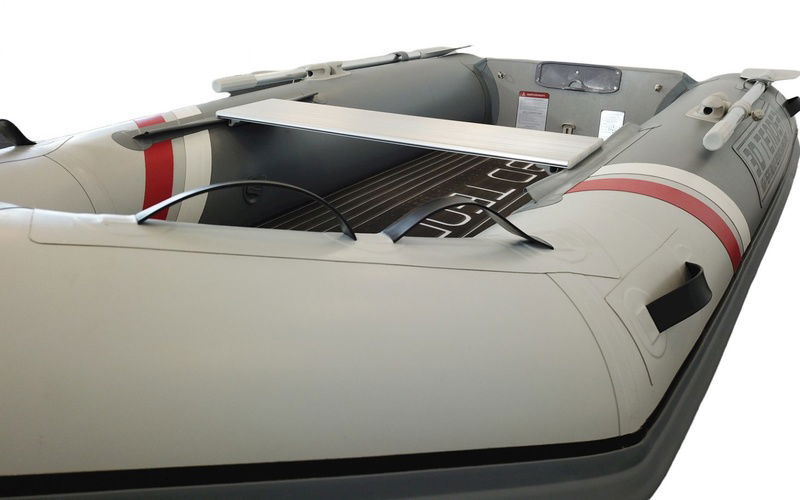
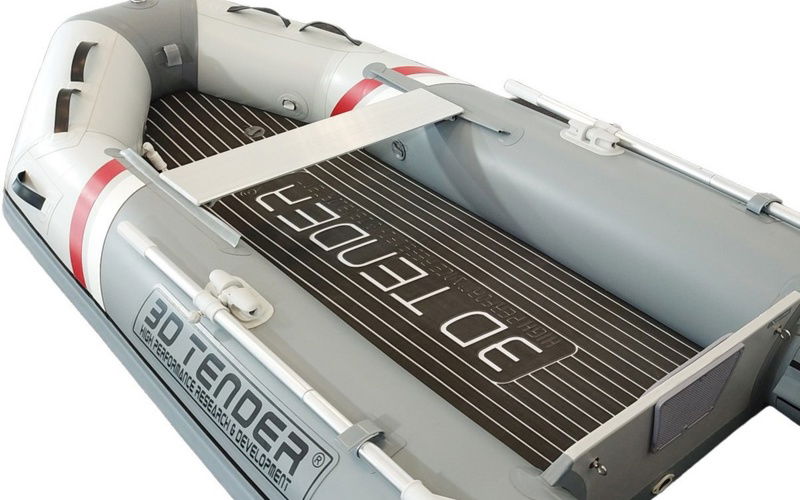

Images have been gathered from various sources and belong to their respective owners.
Review - 3D Tender Twin Hypalon 270

MarineBroker
01/09/2024, 7:36 AM
2020 3D Tender Twin Hypalon 270: How to Choose, Use, and Maintain a Compact RIB with Confidence
If you’re looking at the 2020 3D Tender Twin Hypalon 270, chances are you already know the appeal of a compact inflatable boat that’s easy to launch, simple to store, and still capable enough for day-to-day boating. But here’s the catch: small RIBs can be surprisingly tricky to get right. Many buyers run into the same problem — they want something lightweight and practical, but they also need durability, stability, and enough performance to make the boat genuinely useful.
That’s where this model stands out. A 270-sized tender or small runabout has to balance portability with real-world function, and the choice of tube material, layout, and setup matters more than many people expect. Hypalon is often the preferred material for boaters who want better long-term resistance to UV, heat, and harsh conditions, especially if the boat will spend a lot of time outside or near saltwater.
In this article, we’ll break down what makes the 2020 3D Tender Twin Hypalon 270 a smart option for certain boaters, what common issues people face with boats in this class, and how to solve them with practical buying and ownership tips.
- What Makes a 270-Class RIB So Popular
A 270 RIB sits in a sweet spot for many boaters. It’s small enough to handle without much hassle, yet large enough to serve as a dependable tender, a quick shoreline explorer, or a lightweight support boat for a larger vessel.
The main reason people choose this size is convenience. You can transport it on a car roof, store it in a garage, or keep it on deck without taking over your entire space.
For many owners, the real challenge is not whether a 270 is useful — it’s whether it can stay durable and comfortable enough to justify the purchase.
Typical reasons people look for a boat like this include:
- Tender use for a yacht or cruiser
- Short coastal trips
- Fishing in calm waters
- Family outings in sheltered bays
- Easy storage and quick deployment
The compact size is a major advantage, but it also means compromises. That’s why material quality and design details matter so much.
- Why Hypalon Matters on the 2020 3D Tender Twin Hypalon 270
One of the biggest decision points in any inflatable boat is tube material. In this case, the 2020 3D Tender Twin Hypalon 270 uses Hypalon, and that’s a major plus for boaters who care about long-term durability.
Hypalon is widely respected because it handles UV exposure better than many cheaper alternatives. It also tends to perform well in harsh environments, which is useful if your boat lives outdoors, gets regular sun exposure, or sees saltwater use.
Here’s why that matters in practical terms:
- Less worry about sun damage over time
- Better resistance to weathering
- A strong choice for warm climates
- Often preferred for boats stored on davits or exposed decks
That said, Hypalon is not magic. It still needs proper care. If you leave any inflatable boat neglected, it will age faster than it should.
A lot of people buy a compact RIB expecting “low maintenance,” then are surprised when fittings, valves, seams, or tube surfaces need attention. The solution is not to avoid inflatable boats — it’s to understand how to care for them properly from day one.
- The Most Common Problem: Small RIBs Can Feel Too Limited
The biggest issue people face with a boat like the 2020 3D Tender Twin Hypalon 270 is simple: they expect it to do too much.
A 270 is excellent for portability, but it is not a large offshore boat. Some buyers want more load capacity, more speed, or more comfort than the size can realistically deliver. That mismatch leads to frustration.
Common complaints include:
- Not enough space for gear and passengers
- Limited performance in rough water
- Too much weight on board reducing handling
- Difficulty planning the right engine pairing
- Poor storage habits leading to premature wear
The solution is to match the boat to the job.
If you need a compact tender for short trips, docking runs, or sheltered-water use, a 270 can be ideal. If you want long-distance cruising or regular use with multiple adults and lots of gear, you may need a larger model.
A good rule of thumb: choose the smallest boat that still comfortably fits your real use case, not your “maybe someday” use case.
- How to Decide If the 2020 3D Tender Twin Hypalon 270 Is Right for You
Before buying or using this model, it helps to ask a few practical questions.
- Where will you use it most?
If your boating is mostly in calm harbors, bays, marinas, or short coastal hops, this size makes sense. For open-water use, you’ll need to be more selective about conditions.
- How many people will ride regularly?
A compact RIB is best when used by one or two people, or as a tender carrying light loads. Overloading any small boat affects stability and performance.
- Will it be stored in the sun?
If yes, Hypalon is a strong advantage. It’s a good fit for exposed storage and frequent use in bright climates.
- Do you need easy handling?
If launching, lifting, and transporting are important, a 270 can be much easier to live with than a larger dinghy.
- What kind of engine will you use?
The right motor pairing is critical. Too little power makes the boat sluggish; too much power can make it unsafe or inefficient.
If your answers lean toward portability, short-range practicality, and durability, this model can be a very sensible choice.
- Choosing the Right Setup for Better Performance
A compact inflatable boat often performs best when the setup is dialed in properly. Many people blame the boat when the real issue is weight distribution, inflation level, or engine match.
Here’s how to get better results:
- Keep weight centered and balanced
Avoid piling gear at one end. Uneven loading can make the boat trim poorly and feel unstable.
- Inflate tubes to the correct pressure
Underinflation makes the boat feel soft and sluggish. Overinflation can stress seams and fittings.
- Use the correct propeller and motor height
A poor engine setup can waste fuel and reduce handling.
- Don’t overload the boat
Even if the boat looks roomy enough, real performance drops quickly when you exceed practical limits.
- Trim carefully
Small RIBs often respond noticeably to slight changes in trim and passenger position.
A properly set-up 270 can feel much more capable than people expect. A poorly set-up one can feel frustrating even if it’s a solid boat on paper.
- Maintenance Tips That Keep a Hypalon RIB in Good Shape
The best way to solve long-term ownership problems is to stay ahead of them. Hypalon helps with durability, but maintenance still matters a lot.
Simple maintenance habits include:
- Rinse with fresh water after saltwater use
- Dry the boat before long-term storage
- Inspect seams, valves, and fittings regularly
- Keep the tubes out of prolonged direct sun when possible
- Use mild cleaners designed for inflatable boats
- Check for chafe where the boat contacts docks, davits, or trailers
It’s also smart to look at the floor and transom area regularly. Compact RIBs often get the most wear in the places that see repeated loading, lifting, and docking contact.
If you want your boat to last, treat small issues early. A tiny air leak, loose fitting, or worn rub spot is much easier to fix before it becomes a bigger repair.
- How to Avoid Buying the Wrong Tender Size
A lot of boating regret comes from buying the wrong size, not the wrong brand.
People often choose a boat that looks good in photos but doesn’t fit their actual routine. A 270 may be perfect for one owner and too small for another.
To avoid that mistake, think about:
- Storage space on your vessel or at home
- Whether you need to carry fuel, anchor gear, or fishing equipment
- How often you’ll launch and retrieve the boat
- Whether you’ll use it solo or with passengers
- The waters you plan to navigate
If your use is mostly practical and short-distance, a compact tender is usually the smarter choice. If comfort and carrying capacity are higher priorities, stepping up in size may save you from disappointment later.
- What Makes the 2020 3D Tender Twin Hypalon 270 a Practical Solution
The strength of the 2020 3D Tender Twin Hypalon 270 is not that it tries to be everything. It succeeds by being a focused, practical boat for a specific kind of boater.
It solves several common problems at once:
- Storage headaches
- Fragile tube concerns
- Difficult handling with larger boats
- Overcomplicated setups
- Excess weight in a tender package
For the right user, that’s a big deal. A compact Hypalon RIB gives you a dependable boat that’s easier to manage than larger alternatives, while still offering enough toughness for regular use.
That’s especially helpful if you’re looking for a tender that won’t feel like a constant project. You want something that launches easily, stores neatly, and handles everyday boating chores without drama.
- Smart Buying and Ownership Tips
If you’re considering a boat in this category, a few simple habits can save time and money.
Before buying:
- Inspect the tube condition carefully
- Check seams and valve operation
- Look for signs of UV wear or patching
- Confirm the floor and transom feel solid
- Ask about storage history and previous use
After buying:
- Record recommended inflation pressures
- Keep a cleaning routine
- Protect the boat from unnecessary abrasion
- Service the engine regularly
- Review load limits before every trip
These basics make a bigger difference than many people realize. Small boats reward attention to detail.
- When a Compact Inflatable Boat Is the Best Choice
A boat like the 2020 3D Tender Twin Hypalon 270 is often the best choice when you want:
- Easy transport
- Fast setup
- Good durability
- Simple storage
- Reliable short-range use
It may not be the best pick if you need long-distance comfort, heavy load capacity, or rough-water versatility. But for many boaters, that’s not the goal.
The real value is in convenience and confidence. You get a boat that’s manageable, durable, and well-suited to everyday use without demanding a huge footprint or complicated handling.
- Conclusion
The 2020 3D Tender Twin Hypalon 270 is a strong example of how a compact RIB can solve real boating problems when it’s matched to the right use case. Its size makes it easy to store and handle, while Hypalon adds a layer of durability that many boaters appreciate, especially in sunny or saltwater environments.
The key is to use it for what it does best: short trips, tender duties, and practical day-to-day boating. With the right setup, proper loading, and basic maintenance, a small inflatable like this can deliver years of reliable service. If you’re comparing compact RIBs, it’s worth looking beyond specs alone and focusing on how the boat fits your actual boating routine.
Specifications
General
Boat Type: Power Boats
Class Type: Rigid Inflatable Boats
Specifications
Length: 8.86
Beam: 4.43
Draft: 0.98
Hull Material: Unknown
Build
First Built: 2020
Propulsion
Fuel Type: Unleaded
Engines: 1
Power: 6 HP
Brand: Unknown
Accomodation
Berths: 1
Cabins: 1
Bathrooms: 1
PROS & CONS
What we appreciated
 Durable twin Hypalon tubes resistant to UV, abrasion, and chemicalsCompact 270 cm length ideal for easy transport and storageLightweight design suitable for use as a tender or small recreational boatStable hull providing good performance and safety in various water conditionsLow maintenance requirements due to high-quality materials
What we didn’t appreciate
 Limited space and capacity due to small sizeNot suitable for long-distance or rough sea voyagesBasic features with minimal onboard comfort or amenitiesMay require a separate outboard motor purchaseLower resale value compared to larger or more equipped boats
Upkeep Costs
Fuel: Approximately $2,000 - $3,000 per year (depends on usage and fuel prices)
Maintenance: Around $500 - $1,000 per year (engine servicing, hull upkeep)
Insurance: Typically $300 - $600 per year
Storage: $500 - $1,200 per year (varies by location and storage type)
Registration and Licensing: $100 - $200 per year
Rating
4.7
User
Score
Score
Driveability
Technology
Interior
Design
Similar Boats


MarineBroker
Download now for an immersive boat experience like never before! ⛵✨ Your journey begins with a simple click. 🌊📲
#SetSailSmart #DownloadNow
#SetSailSmart #DownloadNow

Subscribe
Copyright 2017 - 2026, Marinebroker.net, All Rights Reserved