Boat Type: Power Boats
Boat Class: Trawler
Length: 58.27 ft
Berths: 6
Cabins: 3
Bathrooms: 2
Max Persons: 8
2013 Adagio 58: What Buyers Should Know Before You Cruise
If you’re looking at a 2013 Adagio 58, you’re probably already drawn to the idea of a comfortable, capable cruising yacht with the kind of space that makes longer trips fe...
Discover
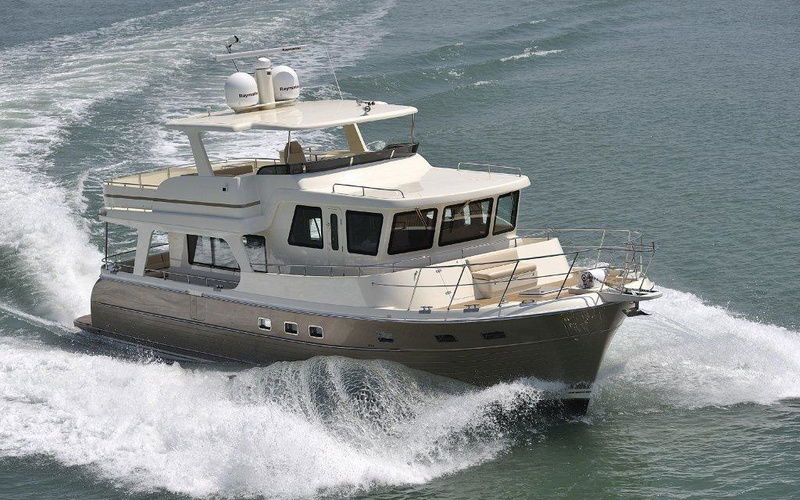
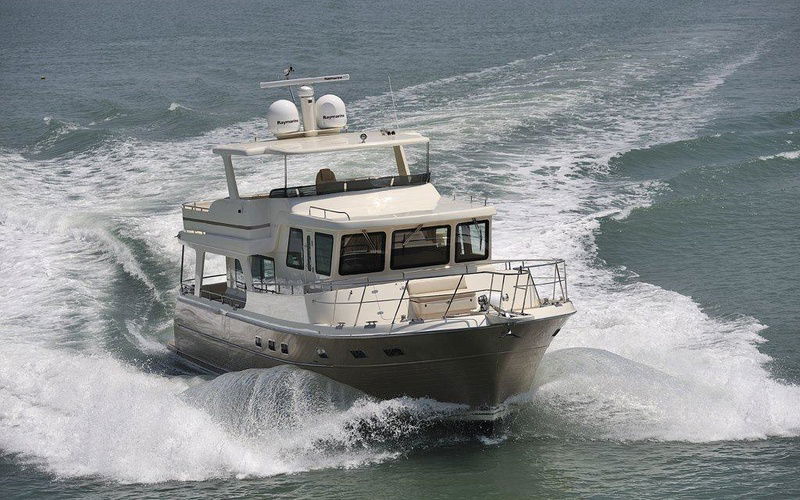
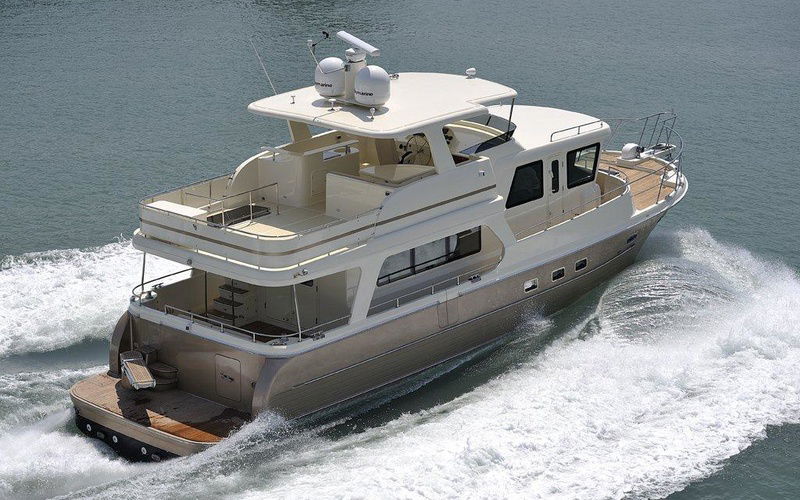
Images have been gathered from various sources and belong to their respective owners.
Review
2013 Adagio 58: What Buyers Should Know Before You Cruise
If you’re looking at a 2013 Adagio 58, you’re probably already drawn to the idea of a comfortable, capable cruising yacht with the kind of space that makes longer trips feel a lot less cramped. That’s the appeal of this model: it offers a big-boat feel, practical layout, and the kind of features many owners want for extended time on the water. But like any used yacht, the real challenge isn’t just admiring the specs on paper.
The problem most people run into is figuring out whether a specific boat is truly a good buy. A 2013 Adagio 58 can look impressive in photos and still hide costly issues underneath the surface. Maintenance history, systems condition, engine hours, and signs of wear all matter a lot more than glossy finishes. The good news is that with the right checklist and a little know-how, you can separate a well-kept yacht from one that may become an expensive project. In this article, we’ll walk through what to look for, what tends to matter most, and how to evaluate a 2013 Adagio 58 with confidence.
- Why the 2013 Adagio 58 Appeals to Cruisers
The 2013 Adagio 58 sits in a sweet spot for buyers who want a serious cruising boat without jumping into the newest, most expensive market segment. It’s the kind of yacht that often attracts experienced boaters looking for comfort, range, and a layout that works for real life on the water.
What makes this model appealing is the balance between size and usability. A 58-foot yacht gives you room for guests, storage, and long-range cruising gear, but it still needs to be manageable in terms of systems, upkeep, and docking. That balance is one reason the Adagio 58 remains interesting to buyers years after its launch.
For many people, the attraction is not just the size. It’s the idea of getting a capable cruiser that can handle weekend trips, coastal cruising, and extended stays aboard without feeling overly stripped down or overly complicated.
- The Main Problem: Buying a Used Yacht Without Surprises
The biggest issue with any used yacht, including the 2013 Adagio 58, is uncertainty. A boat can appear clean and well cared for, but hidden mechanical, electrical, or structural problems can turn a smart purchase into a money pit.
Common buyer concerns include:
- Engine and generator condition
- Evidence of water intrusion
- Aging electronics
- Deferred maintenance
- Poor service records
- Wear in high-use areas like the salon, galley, and staterooms
The tricky part is that many of these issues are not obvious during a quick walk-through. Even a boat that looks “ready to go” may need thousands of dollars in work shortly after purchase. That’s why the real solution is not just finding the right model, but learning how to evaluate the specific boat in front of you.
- What to Look for in a 2013 Adagio 58
When evaluating a 2013 Adagio 58, think in terms of systems, structure, and service history. Those three areas tell you far more than cosmetics alone.
Here are the main things to inspect:
- Engine hours and maintenance logs
- Generator performance and service history
- Fuel system condition
- Electrical panels and wiring condition
- HVAC operation
- Freshwater and black water systems
- Hull condition and signs of repair
- Window, hatch, and seal integrity
- Interior wear and moisture damage
- Electronics age and functionality
A yacht of this size should feel solid and well maintained. If you notice repeated signs of patchwork repairs, that’s a clue the boat may have been maintained reactively instead of proactively.
- Why Maintenance Records Matter So Much
If there’s one thing that can save you from a bad purchase, it’s a good paper trail. Maintenance records tell you how the boat has been treated over time, and with a 2013 Adagio 58, that history is especially important.
Look for proof of:
- Regular oil and filter changes
- Cooling system service
- Transmission and drivetrain maintenance
- Generator servicing
- Bottom cleaning and anti-fouling work
- Battery replacement history
- Upgrades to navigation or safety gear
A well-documented boat usually means an owner who took care of issues before they became major problems. On the other hand, missing records can be a warning sign, especially if the asking price suggests the boat is “turnkey.”
If records are incomplete, don’t panic. Just make sure the survey and mechanical inspection are extra thorough.
- The 2013 Adagio 58 and Common Used-Yacht Red Flags
Every used yacht has a few typical trouble spots, and the 2013 Adagio 58 is no exception. While condition varies boat to boat, there are some general red flags that deserve attention.
Watch for:
- Soft spots in decks or around fittings
- Corrosion near metal hardware
- Cloudy or failed window seals
- Musty odors inside the cabin
- Uneven wear in flooring or upholstery
- Electrical components that look dated or modified poorly
- Evidence of leaks around hatches or bulkheads
A musty smell is often more important than it seems. It can point to hidden moisture, which may have already affected cabinetry, insulation, or wiring. Likewise, cosmetic upgrades can sometimes hide older problems instead of solving them.
If you find several small issues together, don’t dismiss them. Multiple minor problems often point to larger maintenance gaps.
- How to Evaluate the Engines and Running Gear
For a cruising yacht, propulsion is everything. The 2013 Adagio 58 should be assessed carefully from the engine room outward, because this is where expensive surprises tend to live.
Pay attention to:
- Cleanliness of the engine room
- Evidence of oil, coolant, or fuel leaks
- Belt and hose condition
- Signs of overheating
- Corrosion on clamps, fittings, and terminals
- Smooth startup and idle behavior
- Vibration or unusual noise underway
A clean engine room doesn’t guarantee a healthy one, but a neglected engine room is often a clue that other maintenance may have been skipped too. During sea trial, check how the boat accelerates, how it tracks, and whether the engines hold consistent temperatures.
If possible, have a qualified marine mechanic inspect the boat before you commit. That cost is small compared to replacing major components later.
- Interior Layout: Comfort Matters, But So Does Function
One reason buyers like the 2013 Adagio 58 is that larger yachts often offer a more practical living space. But a good layout is only helpful if it fits how you actually plan to use the boat.
When reviewing the interior, ask yourself:
- Does the salon feel open and usable?
- Is the galley practical for real cooking?
- Are the staterooms comfortable for your typical crew?
- Is there enough storage for cruising gear?
- Are the bathrooms easy to use and maintain?
- Does the layout support privacy when needed?
It’s easy to get caught up in finishes and decor, but the best cruising boats are the ones that make everyday life simple. A layout that looks luxurious but feels awkward in practice can become frustrating fast.
If you plan to spend extended time aboard, think about traffic flow, storage, ventilation, and how the boat handles wet gear, food supplies, and personal items.
- Electronics and Navigation Gear: Useful, But Age Matters
A 2013 yacht may still have serviceable electronics, but technology moves quickly. On the 2013 Adagio 58, navigation and onboard electronics should be checked for both function and age.
Ask these questions:
- Are the displays still clear and responsive?
- Is the chartplotter current enough for your cruising area?
- Do radar, autopilot, and VHF systems work properly?
- Are the components integrated well?
- Has the system been updated or patched together over time?
Old electronics aren’t always a deal-breaker, but they can affect the real cost of ownership. Replacing a full suite of marine electronics can get expensive quickly, especially on a larger vessel.
If the boat has older gear, factor replacement into your offer. That way, you’re buying the boat with realistic expectations instead of discovering upgrade costs after closing.
- Survey and Sea Trial: Don’t Skip These
A professional survey and sea trial are not optional when buying a used yacht like the 2013 Adagio 58. They’re the best tools you have for understanding what you’re really buying.
A survey should help identify:
- Structural issues
- Moisture intrusion
- Safety concerns
- General condition of systems
- Evidence of previous repairs
- Items needing immediate attention
The sea trial should confirm:
- Engine performance under load
- Steering responsiveness
- Noise and vibration levels
- Temperature stability
- Operation of electronics and controls
- Overall handling characteristics
If a seller resists these steps or tries to limit them, that’s a warning sign. A serious seller should expect a proper inspection process.
- How to Estimate Ownership Costs
Buying the boat is only part of the equation. Owning a 2013 Adagio 58 means planning for ongoing costs, and that’s where many first-time buyers get caught off guard.
Typical ownership expenses may include:
- Routine engine and generator maintenance
- Bottom paint and haul-outs
- Insurance
- Dockage or marina fees
- Fuel
- Battery replacement
- Upgrades and repairs
- Cleaning and detailing
A larger yacht naturally costs more to maintain than a smaller boat. Even a well-kept vessel will need regular attention, and the bigger the systems, the more expensive the service bills can be.
A smart approach is to keep a reserve fund for unexpected repairs. That buffer can make ownership far less stressful and help you enjoy the boat instead of worrying about every sound it makes.
- Practical Buying Tips for the 2013 Adagio 58
If you’re seriously considering this model, here are a few practical tips that can help you make a better decision.
- Compare multiple listings, not just one boat
- Review maintenance records before traveling to see the boat
- Bring a surveyor and marine mechanic if possible
- Test every system, not just the obvious ones
- Ask about recent upgrades and why they were done
- Check whether the boat has been stored properly
- Budget for immediate post-purchase maintenance
It also helps to think like a future owner, not just a current buyer. Ask yourself whether the boat will still make sense after the first year of ownership, once maintenance and upgrades are factored in.
- Is the 2013 Adagio 58 the Right Fit for You?
The 2013 Adagio 58 can be a strong option for buyers who want a roomy, capable cruising yacht and are willing to evaluate it carefully. It’s especially appealing if you value comfort, range, and a layout that supports real time aboard.
That said, the right boat is not just the right model. It’s the right individual vessel, with the right history, the right upkeep, and the right price. A well-maintained example can offer a lot of value. A neglected one can quickly become a costly project.
So the real answer is simple: focus less on the nameplate and more on the condition. That’s how you make a smart decision.
- Conclusion
The 2013 Adagio 58 is attractive to many cruisers because it combines size, comfort, and practical use in one package. But like any used yacht, the key to a good purchase is careful evaluation. Maintenance records, engine condition, survey findings, and real-world usability matter far more than surface appearance.
If you take the time to inspect the boat properly and budget realistically, you’ll be in a much better position to avoid surprises. The goal is not just to buy a yacht that looks good today, but one that can keep delivering enjoyable time on the water tomorrow. If you’re exploring this model further, keep digging into condition reports, ownership costs, and comparable listings before making your move.
Specifications
General
Boat Type: Power Boats
Class Type: Trawler
Specifications
Length: 58.27
Beam: 13.78
Draft: 4.92
Hull Material: GRP
Build
First Built: 2013
Propulsion
Fuel Type: Diesel
Engines: 2
Power: 435 HP
Brand: Volvo Penta
Accomodation
Berths: 6
Cabins: 3
Bathrooms: 2
PROS & CONS
What we appreciated
 Spacious and luxurious interior with high-quality finishesModern design with ample natural light and ventilationGood performance and handling for a boat of its sizeWell-equipped with advanced navigation and safety systemsMultiple living and entertaining areas, ideal for extended cruising
What we didn’t appreciate
 Older model year may require more maintenance and updatesFuel consumption can be high due to size and engine powerLimited availability of spare parts due to less common brandLarge size can restrict access to smaller marinas and docksHigher initial purchase price and ongoing operating costs
Upkeep Costs
Fuel: Approximately $15,000 - $25,000 per year depending on usage
Maintenance and Repairs: Around $10,000 - $20,000 annually
Insurance: Typically $3,000 - $6,000 per year
Docking and Storage: $5,000 - $12,000 per year depending on location
Annual Surveys and Licensing: $1,000 - $2,000 per year
Rating
0
User
Score
Score
Driveability
Technology
Interior
Design
Similar Boats


MarineBroker
Download now for an immersive boat experience like never before! ⛵✨ Your journey begins with a simple click. 🌊📲
#SetSailSmart #DownloadNow
#SetSailSmart #DownloadNow

Subscribe
Copyright 2017 - 2026, Marinebroker.net, All Rights Reserved