2014 Altena Explorer: What Owners and Buyers Should Know Before You Buy or Refine Your Search
If you’re looking at the 2014 Altena Explorer, chances are you’re not just browsing casually. You’re probably trying to figure out whet...
Discover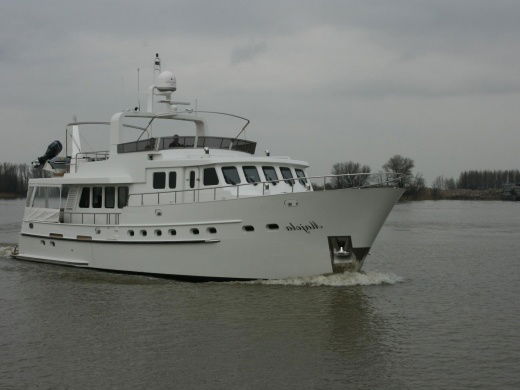
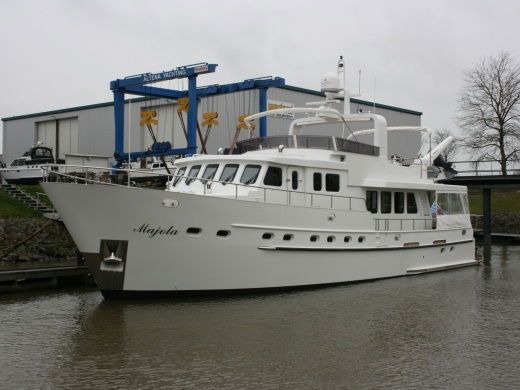
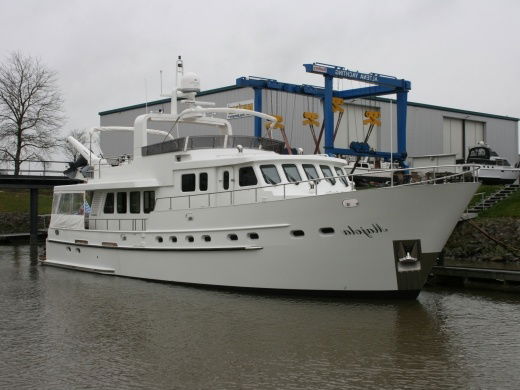
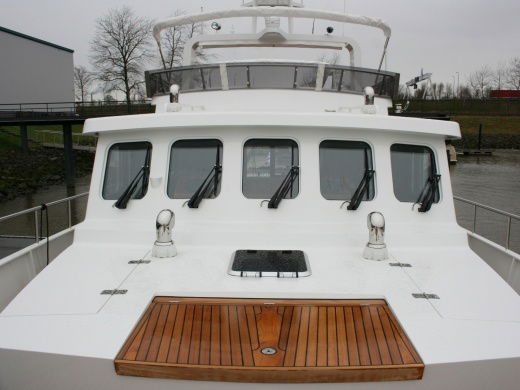
Images have been gathered from various sources and belong to their respective owners.
Review - Altena Explorer

MarineBroker
02/20/2024, 5:54 AM
2014 Altena Explorer: What Owners and Buyers Should Know Before You Buy or Refine Your Search
If you’re looking at the 2014 Altena Explorer, chances are you’re not just browsing casually. You’re probably trying to figure out whether this yacht is the right fit, what to watch out for, and how to avoid an expensive mistake. That’s a smart approach.
A boat like the 2014 Altena Explorer can be a great match for someone who values comfortable long-range cruising, solid build quality, and a layout that feels practical rather than flashy. But with any pre-owned yacht, the real challenge is knowing what condition it’s in, how it’s been used, and whether it truly fits your boating style. Specs on paper only tell part of the story.
The good news is that this kind of decision becomes much easier when you know what to look for. In this article, we’ll break down the main things buyers and owners should pay attention to, the common issues that can affect an explorer-style yacht, and the best ways to evaluate whether a 2014 Altena Explorer is the right boat for your needs.
- What Makes the 2014 Altena Explorer Stand Out?
The 2014 Altena Explorer belongs to a category of yachts designed for comfort, stability, and long-distance cruising. Explorer-style boats are usually valued for their practical layouts, solid seakeeping, and ability to handle extended time aboard without feeling cramped.
For many buyers, that’s the main appeal. Instead of focusing only on speed or luxury styling, this type of yacht tends to emphasize usability.
Typical strengths people look for in an explorer yacht include:
- A sturdy hull and confident ride
- Good visibility from the helm
- Comfortable indoor and outdoor living spaces
- Storage for cruising gear and provisions
- A layout that supports longer stays aboard
The 2014 Altena Explorer is often attractive to owners who want a yacht that feels capable and dependable rather than overly delicate. That said, the value of any specific boat depends heavily on condition, maintenance history, and equipment upgrades.
- The Main Problem Buyers Face with a 2014 Altena Explorer
The biggest issue isn’t usually the model itself. It’s figuring out whether the individual boat has been well cared for.
That’s the real challenge with a 2014 yacht. By this age, a boat may have seen a lot of use, a little use, or inconsistent use. Some systems may have been upgraded, while others may still be original and nearing the end of their service life.
Common buyer concerns include:
- Hidden maintenance backlog
- Engine hours and service quality
- Electrical or plumbing wear
- Moisture intrusion in older fittings
- Outdated navigation or onboard systems
- Cosmetic wear that hints at bigger neglect
A boat can look clean in photos and still need significant work. That’s why the smartest approach is to focus less on appearance and more on systems, records, and inspection results.
- How to Evaluate a 2014 Altena Explorer the Right Way
If you’re seriously considering a 2014 Altena Explorer, the best solution is to evaluate it like a project, not just a purchase. That doesn’t mean you should expect problems. It simply means you should inspect the boat in a structured way.
Start with these key areas:
- Engine and propulsion
- Hull and deck condition
- Electrical systems
- Interior moisture and ventilation
- Steering and control systems
- Safety equipment
- Documentation and service history
A careful review in these areas can reveal whether the boat has been maintained properly or whether it will require immediate spending after purchase.
- Check the Engine Hours and Service Records
For any pre-owned yacht, engine history matters a lot. Engine hours alone don’t tell the full story, but they give you a starting point.
What you want to know:
- How many hours are on the engines?
- Were the engines serviced on schedule?
- Were oil changes, filters, impellers, and belts replaced regularly?
- Has the boat been stored properly during the off-season?
- Are there records from a reputable marine mechanic?
A well-maintained engine with higher hours may be a better choice than a lower-hour engine with poor records. That’s especially true for cruising boats, where reliability matters more than cosmetic appeal.
If records are missing or vague, treat that as a warning sign. It doesn’t automatically mean the boat is bad, but it does mean you’ll need a more thorough survey.
- Inspect the Hull, Deck, and Exterior Fittings
The hull and deck are the foundation of the boat, so they deserve close attention. On a 2014 yacht, you’re looking for signs of age, stress, or water intrusion.
Pay attention to:
- Cracks around stress points
- Soft spots in the deck
- Discoloration around fittings
- Loose railings or cleats
- Signs of previous repairs
- Condition of sealant around windows and hatches
Explorer yachts are built to be used, which means hardware may have seen a lot of real-world wear. That’s fine, as long as it’s been maintained.
A few things to check carefully:
- Bow and stern areas where docking stress is common
- Around hatches and windows where leaks may develop
- Underfoot areas that may flex or feel soft
- Stainless fittings that may have corrosion or movement
If you notice evidence of water ingress, don’t ignore it. Water intrusion can lead to structural issues, mold, electrical damage, and expensive repairs.
- Look Closely at Electrical and Navigation Systems
On a 2014 boat, onboard electronics may still be functional, but they may not be current. That’s not a dealbreaker, but it does affect value.
Ask yourself:
- Are the displays readable and responsive?
- Do the gauges and alarms work properly?
- Has the wiring been modified professionally?
- Are batteries in good condition?
- Is the charging system reliable?
- Are navigation tools modern enough for your cruising plans?
A lot of boat owners gradually add equipment over time. The problem is that DIY wiring or poorly integrated upgrades can create headaches later.
Good signs include:
- Clean wiring runs
- Proper labeling
- Updated batteries
- Working shore power system
- Reliable battery charging
- Electronics installed in a tidy, professional way
If the electrical system looks messy, it may be worth budgeting for a full review by a marine electrician.
- Don’t Ignore Interior Condition and Moisture
One of the easiest ways to judge how a boat has been cared for is by stepping inside. Interior condition can reveal a lot about the owner’s habits and the boat’s overall maintenance.
Look for:
- Musty smells
- Stained upholstery
- Peeling trim
- Soft flooring
- Condensation issues
- Mold around windows or in lockers
A few cosmetic flaws are normal on a used boat. What you want to avoid is a pattern that suggests chronic dampness or poor ventilation.
Moisture is especially important because it can affect:
- Woodwork
- Insulation
- Wiring
- Upholstery
- Cabin air quality
If the interior smells stale or damp, ask why. Sometimes it’s a simple storage issue. Other times it points to leaks or ventilation problems that need attention.
- Understand the Practical Side of Explorer-Style Cruising
One reason people are drawn to the 2014 Altena Explorer is that explorer yachts are built for practical cruising. But practical only matters if the boat matches your actual plans.
Ask yourself how you intend to use it:
- Weekend coastal cruising?
- Extended liveaboard use?
- Family trips with guests?
- Long-range passages?
- Mostly marina use with occasional travel?
A boat like this may be ideal if you want:
- A stable platform
- Comfortable accommodations
- Good storage
- A sensible layout
- Solid all-around performance
But if your priority is top speed or ultra-modern styling, an explorer yacht may not be the best fit.
This is where many buyers go wrong. They fall in love with the idea of a boat, but not with the realities of ownership. Think about docking, fuel use, maintenance, and how often you’ll actually use the boat.
- Budget for More Than the Purchase Price
One of the most common mistakes in buying a pre-owned yacht is underestimating the true cost of ownership.
The purchase price is only the beginning.
You should also budget for:
- Survey and haul-out
- Engine and system servicing
- Insurance
- Dockage or storage
- Bottom paint and antifouling
- Battery replacement
- Electronics updates
- Cosmetic repairs
- Unexpected maintenance
For a 2014 boat, some items may be due simply because of age, even if the yacht has been lightly used.
A smart buyer sets aside a contingency fund. That way, if the survey reveals needed work, you’re not forced into a stressful decision.
- Use a Marine Surveyor Before You Commit
If you’re serious about a 2014 Altena Explorer, a professional survey is one of the best investments you can make.
A survey can help identify:
- Structural concerns
- Engine issues
- Electrical faults
- Moisture problems
- Safety deficiencies
- Hidden damage from past incidents
It also gives you leverage in negotiations. If the survey uncovers needed repairs, you can ask for a price adjustment or request that the seller address specific issues before closing.
A proper survey should include:
- Hull inspection
- Engine and mechanical review
- Sea trial
- Moisture testing
- System checks
- Documentation review
If the seller resists a survey, that’s usually a red flag.
- When the 2014 Altena Explorer Makes Sense
This yacht can make a lot of sense if you want a capable cruising boat with a practical layout and a solid reputation for comfort. It’s especially appealing if you value:
- Stability over speed
- Real-world usability
- A boat that can handle longer trips
- A layout that supports family or guest cruising
- A more understated, functional style
It may be a good fit if you’re the type of owner who enjoys planning ahead, maintaining systems properly, and using the boat for meaningful time on the water.
In other words, this is the kind of yacht that rewards owners who appreciate thoughtful design and dependable cruising ability.
- Red Flags to Watch for During Your Search
Here are some warning signs that should make you pause:
- No maintenance records
- Evidence of repeated leaks
- Corrosion around major fittings
- Mismatched or poorly installed electronics
- Strong odors inside the cabin
- Engine service gaps
- Visible neglect in storage compartments
- Seller pressure to skip inspection
A boat doesn’t need to be perfect, but it should be honest. If the presentation is polished but the paperwork is thin, slow down and investigate further.
- Best Approach for Buyers: A Simple Checklist
If you want a practical way to evaluate a 2014 Altena Explorer, use this checklist:
1. Review the listing carefully
2. Ask for full maintenance records
3. Confirm engine hours and service intervals
4. Inspect the hull, deck, and fittings
5. Check interior condition for moisture or wear
6. Test electrical and navigation systems
7. Arrange a survey and sea trial
8. Compare repair costs against the asking price
9. Factor in annual ownership expenses
10. Buy only if the boat fits your real cruising plans
This process may sound detailed, but it can save you a lot of money and frustration.
- Conclusion
The 2014 Altena Explorer can be a strong choice for buyers who want a capable, comfortable explorer-style yacht, but the real key is evaluating the individual boat carefully. Focus on maintenance history, engine condition, moisture signs, and the quality of upgrades rather than just the appearance or listing description.
If you take the time to inspect the boat properly and budget realistically, you’ll be in a much better position to decide whether it’s the right fit. For anyone considering this model, a survey, sea trial, and honest review of ownership costs are the best next steps. That’s how you turn a good-looking listing into a smart boating decision.
Specifications
General
Boat Type: Power Boats
Class Type: Trawler
Specifications
Length: 62.73
Beam: 16.67
Draft: 5.97
Hull Material: Steel
Build
First Built: 2014
Propulsion
Fuel Type: Diesel
Engines: 2
Power: 175 HP
Brand: John Deere
Accomodation
Berths: 5
Cabins: 3
PROS & CONS
What we appreciated
 Sturdy and durable construction suitable for various water conditionsSpacious deck layout providing ample room for fishing and leisure activitiesEfficient fuel consumption for its size and engine typeGood storage capacity for gear and equipmentReliable engine performance with relatively low maintenance needs
What we didn’t appreciate
 Older model may lack some modern technological featuresLimited cabin space compared to newer explorer boatsCan be heavy and less maneuverable in tight spacesHigher initial purchase cost relative to similar-sized boatsPotential difficulty finding spare parts due to less common brand
Upkeep Costs
Insurance: $1,000 - $2,000 per year
Maintenance and Repairs: $2,000 - $4,000 per year
Fuel: $3,000 - $6,000 per year (depending on usage)
Storage and Mooring: $1,500 - $3,000 per year
Registration and Taxes: $100 - $300 per year
Rating
7.2
User
Score
Score
Driveability
Technology
Interior
Design
Similar Boats


MarineBroker
Download now for an immersive boat experience like never before! ⛵✨ Your journey begins with a simple click. 🌊📲
#SetSailSmart #DownloadNow
#SetSailSmart #DownloadNow

Subscribe
Copyright 2017 - 2026, Marinebroker.net, All Rights Reserved