Boat Database » Aquanaut GV 1700
Aquanaut GV 1700
Inboard Direct-Drive, Diesel, 2x 150 HP
Power Boats 2009 Aquanaut GV 1700: What to Check, Common Issues, and How to Keep It Running Smoothly
If you’re looking into the 2009 Aquanaut GV 1700, chances are you’re trying to figure out whether it’s a smart boat to own, buy, or restore....
Discover
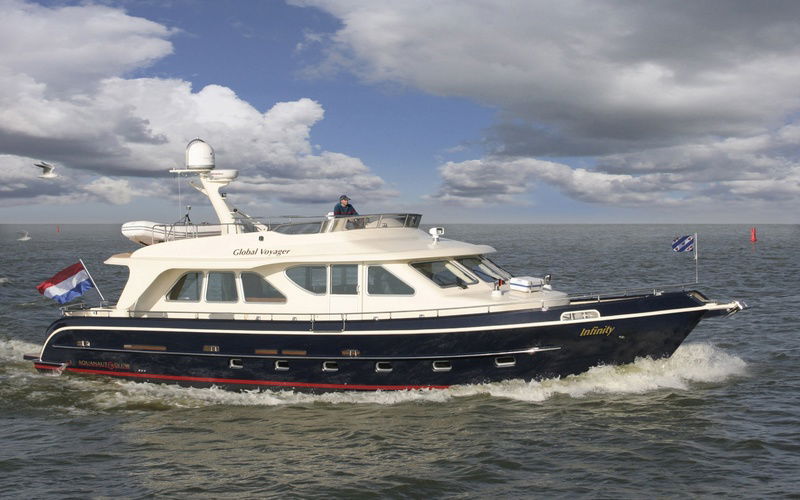


Images have been gathered from various sources and belong to their respective owners.
Review - Aquanaut GV 1700

MarineBroker
03/23/2024, 5:40 AM
2009 Aquanaut GV 1700: What to Check, Common Issues, and How to Keep It Running Smoothly
If you’re looking into the 2009 Aquanaut GV 1700, chances are you’re trying to figure out whether it’s a smart boat to own, buy, or restore. That’s a fair question. Boats in this class can be a lot of fun, but they can also turn into a headache if you overlook the usual wear points that show up with age.
The tricky part is that a boat like the 2009 Aquanaut GV 1700 may look solid on the surface while hiding issues in the hull, engine, trailer, or electrical system. And because this model is now well beyond its first decade of use, the biggest challenge isn’t just finding one for sale — it’s knowing what to inspect so you don’t inherit expensive problems.
The good news is that most of the common issues are predictable and manageable. With the right inspection routine and a little maintenance know-how, you can avoid a lot of frustration and enjoy the boat with more confidence. Let’s break down what matters most and how to handle it in a practical way.
- What the 2009 Aquanaut GV 1700 Is Best Suited For
The 2009 Aquanaut GV 1700 is the kind of boat many owners look at for casual recreation, light cruising, fishing, or family days on the water. Boats in this size range are often valued because they’re easier to trailer, easier to store, and less intimidating to operate than larger vessels.
That said, older boats in this category tend to be judged less by brand name alone and more by condition. A well-kept example can still be a great buy, while a neglected one can become a money pit fast.
If you’re evaluating one, the real question is not just “Does it run?” but:
- Has it been maintained regularly?
- Are there signs of water intrusion?
- Is the engine healthy?
- Does the trailer match the boat’s condition?
- Are there hidden repairs waiting to happen?
Those are the areas that separate a decent used boat from a frustrating one.
- Why Older Boats Like the 2009 Aquanaut GV 1700 Need a Careful Inspection
By 2009, a boat like this may have already seen years of sun, salt, freshwater use, trailer travel, and seasonal storage. Even if it was only used occasionally, age alone can create problems in materials that wear out over time.
The most common trouble spots usually include:
- Gelcoat and hull wear
- Soft spots in deck or transom areas
- Aging hoses and fittings
- Corrosion on electrical components
- Fuel system deterioration
- Trailer rust, tires, and bearings
- Upholstery cracking or mildew
These issues are not unusual. In fact, they’re exactly what you’d expect from a boat of this age if it hasn’t been carefully maintained.
A lot of buyers focus on engine hours, but hours alone don’t tell the whole story. A low-hour boat that sat unused for long periods can have more problems than a higher-hour boat that was regularly serviced and stored properly.
- The Most Common Problems to Watch for on a 2009 Aquanaut GV 1700
- Hull and Deck Condition
Start with the structure. Walk the boat slowly and look for cracks, stress marks, or uneven surfaces. Pay special attention to the bow, transom, and areas around fittings or hardware.
What to look for:
- Spider cracking in the gelcoat
- Soft or spongy deck sections
- Repairs that don’t match the surrounding surface
- Water stains or discoloration
- Loose cleats, rails, or mounts
A soft deck can be a red flag for water intrusion. That often means the core material underneath may have absorbed moisture, which can lead to costly repairs.
- Transom Wear
The transom supports the engine and takes a lot of stress. On older boats, this area deserves extra attention.
Signs of trouble include:
- Flexing when the engine is trimmed or pushed
- Cracks near mounting points
- Water seepage
- Rust stains around bolts or brackets
If the transom is compromised, that’s not a small issue. It can affect safety and resale value.
- Engine and Mechanical Issues
The engine is usually the biggest factor in whether the 2009 Aquanaut GV 1700 is worth buying. Even a clean-looking boat can hide an engine with major problems.
Common warning signs:
- Hard starting
- Rough idle
- Hesitation under throttle
- Overheating
- Oil leaks
- Excessive smoke
- Corrosion around components
Ask for service records if possible. Regular oil changes, impeller replacement, fuel system maintenance, and winterization history matter a lot.
If the boat has been sitting, old fuel can cause trouble in the carburetor or injectors, depending on the engine type. Fuel degradation is one of the most common issues in older boats, and it can lead to poor performance or starting problems.
- Electrical System Problems
Electrical issues are extremely common in boats this age. Salt exposure, vibration, and moisture can damage wiring and connectors over time.
Check for:
- Non-working gauges
- Failing lights
- Corroded terminals
- Loose battery connections
- Blown fuses
- Intermittent accessories
A boat may still “work” even if the electrical system is in rough shape, but that usually means you’re one bad connection away from a breakdown on the water.
- Trailer Problems
If the 2009 Aquanaut GV 1700 comes with a trailer, don’t treat it as an afterthought. A bad trailer can ruin the ownership experience just as quickly as a bad engine.
Inspect:
- Tire age and dry rot
- Wheel bearings
- Brake function, if equipped
- Rust on the frame
- Winch operation
- Lights and wiring
- Bunks or rollers
Tires older than five or six years are worth replacing even if they still hold air. Bearings should be serviced regularly, especially if the trailer has been in saltwater.
- Upholstery and Interior Wear
This won’t usually sink the deal, but it does affect comfort and cost.
Look for:
- Cracked seats
- Torn vinyl
- Mildew smell
- Waterlogged cushions
- Loose hardware
- Faded panels
Interior wear is often a clue about how the boat was stored. Covered, dry storage usually means less hidden damage overall.
- How to Inspect a 2009 Aquanaut GV 1700 Before Buying
A smart inspection can save you thousands. If you’re serious about the boat, don’t rely on a quick walkaround.
Use this checklist:
1. Inspect the hull from bow to stern.
2. Check the deck for soft spots.
3. Open compartments and smell for mildew or fuel.
4. Look under seats and behind panels if possible.
5. Test all electronics and switches.
6. Start the engine cold, not just after it’s warmed up.
7. Watch for smoke, vibration, or unusual noise.
8. Check the trailer tires, lights, and bearings.
9. Review maintenance records.
10. If possible, sea trial the boat.
A sea trial tells you more than a dockside test ever will. You’ll learn how it accelerates, turns, idles, and handles under load.
If you’re not experienced with boats, hiring a marine surveyor or mechanic is a smart move. The cost of an inspection is usually far less than the cost of discovering a hidden structural or engine problem later.
- Practical Solutions to Common Issues
The best part about owning or evaluating an older boat is that many problems are manageable if you catch them early.
- For Hull and Deck Wear
If you find cracks or minor surface damage:
- Clean and dry the area thoroughly
- Determine whether it’s cosmetic or structural
- Repair gelcoat chips before water gets in
- Re-seal hardware if bedding has failed
If a deck feels soft, don’t ignore it. That usually needs a more serious repair, and the longer you wait, the worse it gets.
- For Engine Reliability
To improve reliability on a used 2009 Aquanaut GV 1700:
- Replace old fuel
- Change oil and filters
- Inspect spark plugs
- Replace the impeller if service history is unknown
- Check belts, hoses, and clamps
- Flush the cooling system if needed
If the engine has been sitting, a full tune-up is often the first smart investment. That gives you a clearer picture of what’s actually healthy and what needs work.
- For Electrical Troubles
Electrical issues are often caused by corrosion or poor connections.
A practical approach:
- Clean battery terminals
- Replace corroded connectors
- Use marine-grade heat shrink terminals
- Test the battery under load
- Trace any intermittent failures methodically
Sometimes the fix is simple. Other times, you may need to rewire sections that were patched poorly by a previous owner.
- For Trailer Maintenance
A trailer refresh can make the whole boat easier to own.
Recommended steps:
- Replace old tires
- Grease wheel bearings
- Inspect hubs and seals
- Check frame rust
- Replace damaged lights
- Verify the winch strap and bow stop
If the trailer is questionable, it’s worth addressing before you tow the boat long distance.
- Maintenance Habits That Make the Biggest Difference
Once you own a boat like this, the goal is to stay ahead of problems instead of reacting to them.
A few habits go a long way:
- Flush the engine after use if applicable
- Keep the boat clean and dry
- Store it under cover when possible
- Run fuel stabilizer during storage
- Charge and maintain batteries
- Inspect seals and fittings regularly
- Grease moving parts on schedule
- Drain water from bilge or compartments
Even basic maintenance can extend the life of an older boat dramatically. Boats don’t usually fail all at once — they wear down little by little.
If you stay consistent, you’ll avoid most of the expensive surprises that catch new owners off guard.
- Is the 2009 Aquanaut GV 1700 Still Worth Considering?
For the right buyer, yes. A well-maintained 2009 Aquanaut GV 1700 can still be a practical and enjoyable boat. The key is condition, not just age.
It makes the most sense if:
- The hull is solid
- The engine has service history
- The trailer is roadworthy
- Electrical systems are functional
- The price reflects any needed repairs
It may not be the best choice if:
- The boat has soft spots or structural damage
- The engine history is unknown and it won’t run properly
- The trailer needs major work
- There are signs of repeated neglect
In other words, this is a boat where homework pays off. The more carefully you inspect it, the better your odds of ending up with a good experience.
- Final Thoughts
The 2009 Aquanaut GV 1700 can be a solid option if you approach it with the right expectations. Like many older boats, its value depends heavily on maintenance, storage, and overall condition. The biggest problems usually show up in the hull, engine, electrical system, or trailer, but most of those issues can be identified early with a careful inspection.
If you’re considering one, focus on the basics: structure, mechanics, wiring, and upkeep history. That simple approach will help you avoid costly mistakes and make a more confident decision. And if you want to go deeper, a marine survey or mechanic’s inspection is one of the smartest next steps before buying or restoring an older boat.
Specifications
General
Boat Type: Power Boats
Class Type: Trawler
Specifications
Length: 56.27
Beam: 16.08
Draft: 4.76
Hull Material: Steel
Build
First Built: 2009
Propulsion
Fuel Type: Diesel
Engines: 2
Power: 150 HP
Brand: Volvo
Accomodation
Berths: 6
Cabins: 3
Bathrooms: 2
PROS & CONS
What we appreciated
 Spacious and comfortable seating for family and friendsSolid build quality with durable materialsGood fuel efficiency for its sizeVersatile for both leisure cruising and water sportsWell-maintained models often retain good resale value
What we didn’t appreciate
 Older model, may lack modern technological featuresPotential for higher maintenance costs due to ageLimited storage space compared to newer boatsEngine power might be modest for high-performance needsAvailability of parts could be limited depending on location
Upkeep Costs
Insurance: $500 - $1,000 per year
Maintenance and Repairs: $1,000 - $2,000 per year
Storage (Marina or Dry Storage): $1,200 - $2,400 per year
Fuel: Approximately $500 - $1,200 per year depending on usage
Registration and Licensing: $50 - $150 per year

Rating
7.1
User
Score
Score
Driveability
Technology
Interior
Design
Similar Boats


MarineBroker
Download now for an immersive boat experience like never before! ⛵✨ Your journey begins with a simple click. 🌊📲
#SetSailSmart #DownloadNow
#SetSailSmart #DownloadNow

Subscribe
Copyright 2017 - 2026, Marinebroker.net, All Rights Reserved