Boat Database » Askeladden P66 Pilothouse
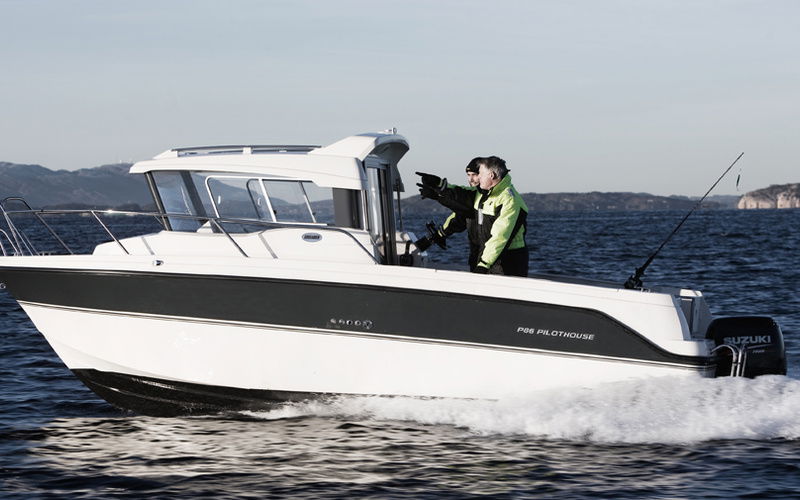
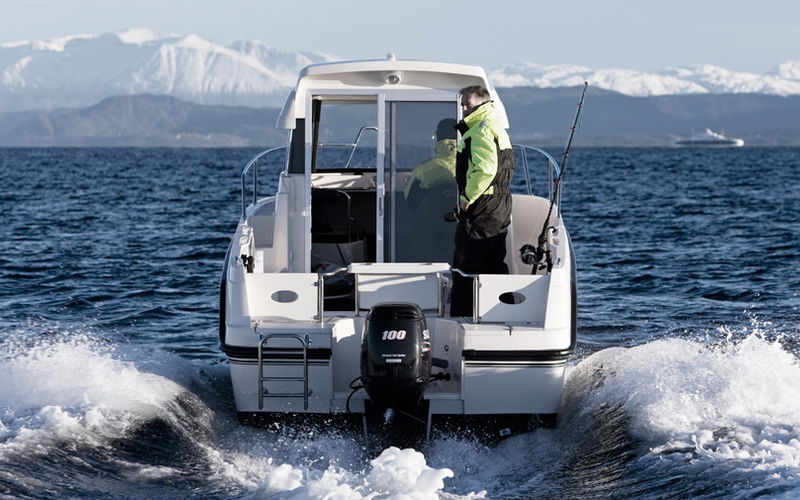
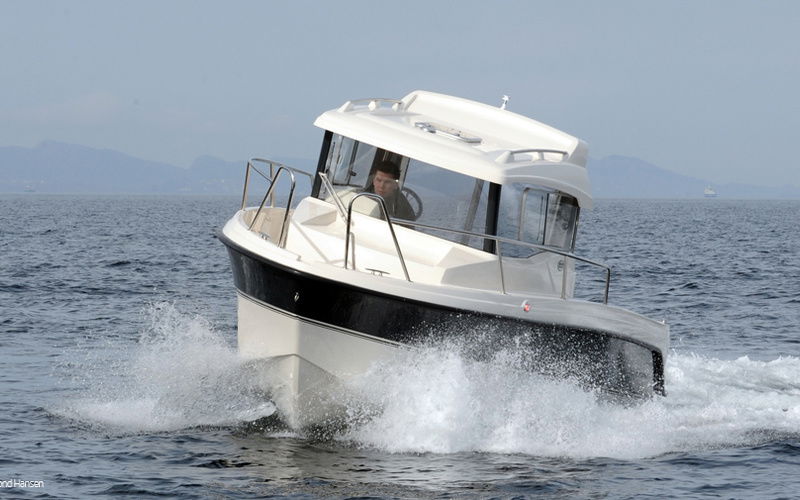
Askeladden P66 Pilothouse
Outboard four-stroke, Unleaded, 1x 150 HP
Power Boats 2014 Askeladden P66 Pilothouse: What to Know Before You Buy, Use, or Upgrade
If you’re looking into the 2014 Askeladden P66 Pilothouse, you’re probably already drawn to the idea of a compact, practical wheelhouse boat that can ha...
Discover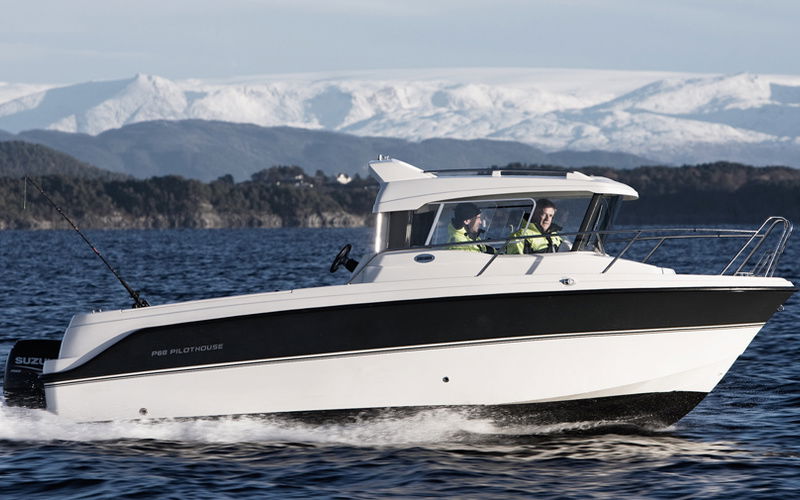
Images have been gathered from various sources and belong to their respective owners.
Review
2014 Askeladden P66 Pilothouse: What to Know Before You Buy, Use, or Upgrade
If you’re looking into the 2014 Askeladden P66 Pilothouse, you’re probably already drawn to the idea of a compact, practical wheelhouse boat that can handle changing weather and still feel easy to live with. That’s a big part of the appeal. The P66 Pilothouse sits in a sweet spot for boaters who want protection, versatility, and a layout that works for fishing, family days, and coastal cruising.
But like any used boat, the real challenge is figuring out whether it’s actually the right fit for your needs. A boat can look great on paper and still disappoint if you don’t understand how it performs, what to inspect, and what ownership really looks like after the excitement wears off. That’s especially true with pilothouse boats, where layout, visibility, storage, and weather protection matter just as much as speed or styling.
The good news? With the right approach, you can quickly separate the boats that are worth serious attention from the ones that may become expensive headaches. Let’s break down what makes the 2014 Askeladden P66 Pilothouse interesting, what common issues buyers should watch for, and how to evaluate it like a confident boat owner.
- What Makes the 2014 Askeladden P66 Pilothouse Stand Out
The Askeladden P66 Pilothouse is built around a simple idea: give the skipper a protected helm position without making the boat feel bulky or awkward. That makes it appealing in places where weather can change fast, mornings can be chilly, and spray is just part of the day.
Compared with open boats, a pilothouse gives you more comfort and flexibility. You can stay drier, extend your season, and make longer runs without feeling exposed. For many owners, that alone is enough to justify choosing this type of boat.
The 2014 model year is also interesting because boats from this era often strike a good balance between modern usability and manageable ownership costs. You’re not dealing with a brand-new price tag, but you may still get a boat with practical features that hold up well if it has been maintained properly.
Typical reasons people look at this model include:
- Coastal and inland fishing
- Family day trips in mixed weather
- Weekend cruising with a small group
- A boat that feels safe and predictable
- Easier year-round use than an open runabout
- The Main Problem Buyers Face With Used Pilothouse Boats
The biggest issue with a used boat like the 2014 Askeladden P66 Pilothouse is not usually the design itself. It’s the uncertainty behind the condition.
A pilothouse boat may look sturdy and well-kept, but hidden wear can show up in places buyers often miss:
- Water intrusion around windows, hatches, or deck fittings
- Corrosion on hardware and electrical connections
- Engine service gaps
- Worn steering components
- Soft spots in the deck
- Neglected upholstery or seals
- Trailer issues if the boat is sold on one
That’s the real problem: many buyers focus on appearance and overlook the systems that actually determine whether the boat will be reliable and affordable to own.
The solution is not to avoid the model. It’s to inspect it with a clear checklist and understand where this boat type tends to need attention.
- Why the Pilothouse Layout Is So Practical
The pilothouse layout is one of the biggest reasons boats like the 2014 Askeladden P66 Pilothouse remain popular. It gives you a sheltered helm, which is a major comfort upgrade if you boat in wind, rain, or cooler temperatures.
This layout also helps with visibility and control. You can keep an eye on the water while staying protected, which is especially useful in busy harbors or choppy conditions.
Other advantages include:
- Better weather protection than open boats
- More usable boating days each season
- A more secure feeling for less experienced passengers
- Space for gear, layers, and safety equipment
- A layout that works well for mixed-use boating
That said, pilothouse boats do have tradeoffs. They can feel less open than a center console or bowrider, and interior space is limited compared with larger cabin boats. If you expect a roomy overnight cruiser, this probably isn’t the right category. But if your priority is practical day boating, it makes a lot of sense.
- 2014 Askeladden P66 Pilothouse: What to Inspect First
If you’re evaluating a used 2014 Askeladden P66 Pilothouse, start with the areas that matter most for long-term reliability. A clean-looking boat can still hide expensive problems.
Here’s where to begin:
- Hull and deck
Look for cracks, impact marks, repairs, and signs of osmosis or blistering. Pay close attention to the keel, chines, and around fittings.
- Windows and seals
Pilothouse boats depend on good sealing. Check for leaks, fogging, cracked frames, or water stains inside the cabin.
- Deck softness
Walk every inch you can. Soft spots often point to water intrusion under the deck or around fittings.
- Engine condition
Ask for service records, hours, and maintenance history. A well-kept engine matters more than cosmetic polish.
- Electrical system
Test lights, pumps, gauges, and electronics. Corroded wiring or amateur modifications can become a headache fast.
- Steering and controls
Make sure the helm feels smooth and responsive. Any stiffness, delay, or vibration deserves attention.
- Trailer, if included
Inspect tires, bearings, brakes, lights, and winch hardware. A bad trailer can turn a good boat deal into a frustrating one.
A pre-purchase marine survey is one of the smartest moves you can make. It’s not just for expensive yachts. On a used boat, it can save you from buying a problem you didn’t see coming.
- Common Wear Points on a 2014 Askeladden P66 Pilothouse
Every boat has weak spots, and knowing them helps you inspect smarter.
For a pilothouse boat of this size and age, the common wear areas often include:
- Hatch seals and window seals
- Cockpit drainage points
- Hinges and latches exposed to salt or moisture
- Seat bases and storage lockers
- Electrical terminals and fuse panels
- Fuel system components
- Outboard mounting area or transom hardware
- Anchoring gear and bow fittings
If the boat has spent time in saltwater, corrosion becomes a bigger concern. Even a boat that was rinsed regularly can still show hidden oxidation in fasteners, connectors, and mechanical parts.
If it’s been used mainly in freshwater, you may see less corrosion but still need to watch for moisture-related issues. Freshwater boats are not automatically “better”; they just tend to age differently.
- How to Tell If the Boat Has Been Maintained Properly
A maintained boat usually tells on itself. You don’t need to be a mechanic to spot the signs.
Look for:
- Service records with dates and details
- Clean engine compartment and organized wiring
- Non-brittle hoses and intact clamps
- Fresh seals or evidence of recent maintenance
- Even wear on cushions, switches, and controls
- Consistent cosmetic condition rather than patchwork fixes
A neglected boat often shows a pattern of small problems:
one broken light, one sticky hatch, one missing cover, one corroded terminal. None of those alone is catastrophic, but together they tell you the owner may have deferred maintenance.
That’s where many buyers get stuck. They think they’re saving money on purchase price, but they end up paying more later to catch up on ignored basics.
- Is the 2014 Askeladden P66 Pilothouse Good for Fishing?
For many people, yes. The pilothouse setup is especially useful for fishing because it gives you protection while still keeping the boat compact and manageable.
Why anglers like this style:
- Shelter during cold starts and bad weather
- Easy access to gear
- Good visibility from the helm
- Less fatigue on longer days
- A practical layout for short runs to fishing spots
If your fishing style involves early mornings, windy conditions, or unpredictable weather, the pilothouse design is a real advantage. You’re more likely to stay out longer and enjoy the day instead of cutting it short because you’re cold and wet.
The main limitation is space. If you regularly fish with a large crew or need a lot of cockpit room for serious offshore work, a larger boat may be more suitable. But for inshore, coastal, or mixed-use fishing, the P66-style layout can be very effective.
- Ownership Tips to Make Life Easier
Once you own a boat like the 2014 Askeladden P66 Pilothouse, good habits matter more than fancy upgrades. A little routine care goes a long way.
Here are some practical ownership tips:
1. Rinse after every saltwater trip
Even a quick rinse helps reduce corrosion and salt buildup.
2. Keep seals clean and inspected
Windows, hatches, and doors need regular attention to stay watertight.
3. Service the engine on schedule
Don’t stretch oil changes, impellers, filters, or winterization.
4. Check bilge and drainage systems
Make sure water can move out of the boat the way it should.
5. Protect upholstery and plastics
UV damage adds up fast, especially on boats stored outside.
6. Tighten and inspect hardware regularly
Vibration and moisture loosen things over time.
7. Store the boat properly
A good cover or indoor storage can dramatically extend the life of the boat.
These habits don’t just preserve value. They also make the boat safer and more enjoyable every time you use it.
- Smart Upgrades That Actually Improve the Boat
If you’re thinking about improving a 2014 Askeladden P66 Pilothouse, focus on upgrades that improve reliability and usability rather than just appearance.
Good upgrades often include:
- Modern marine GPS/chartplotter
- Better VHF radio
- Upgraded bilge pump
- LED navigation and cabin lighting
- Improved seat cushions or helm seating
- Quality fender and docking gear
- Additional storage solutions
- Smart battery monitoring
The best upgrades are the ones that make the boat easier to use in real life. A fancy add-on that doesn’t solve a practical problem usually ends up being wasted money.
If you boat in colder or wetter conditions, consider comfort-related improvements first. If you fish often, prioritize electronics, rod storage, and deck organization.
- How the 2014 Askeladden P66 Pilothouse Fits Different Boaters
This boat is not for everyone, and that’s okay. It tends to fit a specific kind of boater very well.
It’s a strong match if you:
- Want weather protection in a compact boat
- Prefer practical layouts over luxury finishes
- Boat in changing climates
- Fish regularly
- Want something manageable for solo or small-group use
It may not be ideal if you:
- Want large overnight accommodations
- Need huge deck space
- Prefer the open feel of a center console
- Want a pure speedboat experience
That’s why it helps to think in terms of use case rather than brand alone. The right boat is the one that fits how you actually spend time on the water.
- Buying Advice: How to Make a Better Decision
If you’re seriously considering the 2014 Askeladden P66 Pilothouse, don’t rush the decision based on photos alone. A smart purchase comes from a mix of inspection, paperwork, and sea trial.
Use this simple approach:
- Review maintenance history
- Inspect the hull, deck, and seals
- Test all electrical systems
- Check engine performance under load
- Look for signs of water intrusion
- Verify trailer condition if included
- Get a marine survey if possible
During the sea trial, pay attention to:
- How easily the boat planes
- Steering response
- Engine temperature and alarms
- Noise and vibration levels
- Visibility from the helm
- Handling in turns and at idle
A boat that feels right on the water is often a better buy than one that just looks clean at the dock.
- The Practical Solution: Buy for Condition, Not Just the Name
The best way to approach the 2014 Askeladden P66 Pilothouse is simple: treat it as a condition-based purchase, not a badge-based purchase.
That means focusing on:
- Maintenance history
- Structural integrity
- Mechanical health
- Water tightness
- Real-world usability
If the boat has been cared for properly, it can be a very sensible and enjoyable pilothouse option. If it has been neglected, even a good model can become expensive and frustrating.
So the real solution to the buyer’s problem is not just “find the right boat.” It’s “find the right example of the boat.” That mindset helps you avoid surprises and get a boat that actually matches your expectations.
- Conclusion
The 2014 Askeladden P66 Pilothouse appeals to boaters who want a practical, weather-ready layout with real everyday usefulness. But like any used boat, the key is not just what it is on paper — it’s how well it has been maintained and whether it fits the way you boat.
If you take the time to inspect the hull, seals, engine, electrical system, and trailer, you’ll be in a much better position to make a confident choice. A smart buyer looks beyond cosmetics and focuses on condition, usability, and long-term ownership costs.
For the right boater, this model can be a solid, versatile companion on the water. If you’re still comparing options, keep researching pilothouse boats and use a checklist approach so your next step is a confident one.
Specifications
General
Boat Type: Power Boats
Class Type: Trawler
Specifications
Length: 22.97
Beam: 8.2
Draft: 1.64
Hull Material: GRP
Build
First Built: 2014
Propulsion
Fuel Type: Unleaded
Engines: 1
Power: 150 HP
Brand: Suzuki
Accomodation
PROS & CONS
What we appreciated
 Robust pilothouse design providing excellent protection from weatherSpacious and comfortable interior suitable for extended tripsGood fuel efficiency with reliable outboard enginesHigh-quality build with durable materials ensuring longevityAmple storage space and practical layout for fishing and cruising
What we didn’t appreciate
 Limited top speed compared to similar boats in its classRelatively heavy, which may affect trailering and fuel consumptionSmaller cockpit area restricting larger group activitiesBasic electronics package may require upgrades for advanced navigationLimited availability of spare parts in some regions
Upkeep Costs
Fuel: Approximately $2,000 - $3,000 per year depending on usage
Maintenance and repairs: Around $1,000 - $2,000 annually
Insurance: Typically $500 - $1,000 per year
Storage and docking fees: $1,200 - $3,600 annually depending on location
Registration and taxes: $100 - $300 per year
Rating
0
User
Score
Score
Driveability
Technology
Interior
Design
Similar Boats


MarineBroker
Download now for an immersive boat experience like never before! ⛵✨ Your journey begins with a simple click. 🌊📲
#SetSailSmart #DownloadNow
#SetSailSmart #DownloadNow

Subscribe
Copyright 2017 - 2026, Marinebroker.net, All Rights Reserved