Boat Database » Alumacraft Waterfowler 15 Camo
Alumacraft Waterfowler 15 Camo
Outboard four-stroke, Unleaded, 1x 9 HP
Power Boats 2017 Alumacraft Waterfowler 15 Camo: How to Set It Up for Safer, Smarter Hunting and Fishing Trips
If you’re looking at the 2017 Alumacraft Waterfowler 15 Camo, chances are you already know the appeal: a compact, rugged aluminum ...
Discover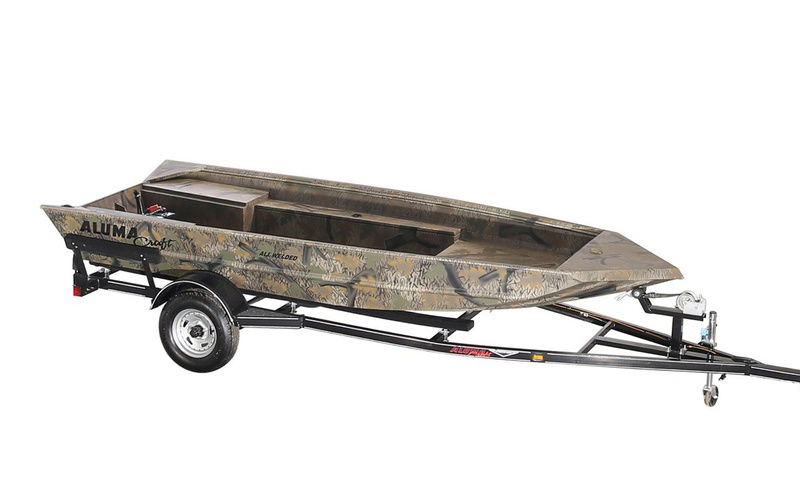


Images have been gathered from various sources and belong to their respective owners.
Review - Alumacraft Waterfowler 15 Camo

MarineBroker
03/06/2024, 1:23 PM
2017 Alumacraft Waterfowler 15 Camo: How to Set It Up for Safer, Smarter Hunting and Fishing Trips
If you’re looking at the 2017 Alumacraft Waterfowler 15 Camo, chances are you already know the appeal: a compact, rugged aluminum boat with a camo finish that feels right at home in marshes, backwaters, and shallow-water hunting spots. But owning a boat like this also comes with a common challenge—getting it set up in a way that actually matches how you use it.
A lot of owners run into the same issue. They buy a versatile boat, then realize it needs a little planning to become truly effective for duck hunting, fishing, or mixed-use trips. Storage gets cluttered, gear isn’t where it should be, and shallow-water performance can suffer if the boat isn’t trimmed, loaded, and rigged properly. The good news is that most of those problems are fixable with a few practical adjustments.
In this article, we’ll walk through the most useful ways to get more out of the 2017 Alumacraft Waterfowler 15 Camo. Whether you’re trying to improve stability, organize gear, or make the boat easier to use in the field, the solution often comes down to smart setup rather than major upgrades.
- Why the 2017 Alumacraft Waterfowler 15 Camo appeals to hunters and anglers
The 2017 Alumacraft Waterfowler 15 Camo is built for people who need a boat that can handle more than one job. It’s typically appreciated for its lightweight aluminum construction, shallow draft, and camo finish that helps it blend into hunting environments.
That combination makes it especially attractive for:
- Duck hunters who need a low-profile boat
- Anglers running shallow creeks, sloughs, and backwaters
- Outdoor users who want a simple, durable rig
- People who need a boat that can be trailered, launched, and handled without much hassle
The problem is that a boat designed for versatility can sometimes feel “unfinished” until you tailor it to your needs. A hunting setup is different from a fishing setup, and a mixed-use setup needs even more thought.
That’s where many owners get stuck. They know the boat is capable, but they’re not always sure how to make it work better in real-world conditions.
- The most common problem: not optimizing the boat for your actual use
The biggest issue with many small utility boats isn’t the boat itself. It’s the way it’s used.
With the 2017 Alumacraft Waterfowler 15 Camo, common frustrations often include:
- Too much gear taking up limited space
- Poor weight distribution causing instability
- Noise from loose equipment or metal-on-metal contact
- Difficulty standing, moving, or shooting comfortably
- Not enough organization for hunting and fishing gear at the same time
A 15-foot boat gives you flexibility, but it also means every inch matters. If you load it randomly, the boat can feel cramped, noisy, and less stable than it should. That can affect comfort, safety, and even success in the field.
The practical solution is to think of the boat as a platform. Instead of asking, “What can this boat do?” ask, “How should this boat be arranged for the way I use it most?”
- Start with the core setup: balance, load, and layout
Before adding accessories or modifying anything, start with the basics. A well-balanced boat performs better, rides more predictably, and feels safer.
Here’s what to focus on first:
- Keep heavy items low and centered
- Avoid stacking gear near one side of the boat
- Place batteries, fuel, and coolers where they won’t shift
- Leave clear walking space if you plan to hunt or cast from the deck
- Test the boat with your normal load before making final adjustments
If the boat feels tippy or sluggish, the issue may not be hull design. It may simply be uneven loading.
A good rule of thumb: load the boat the way you’ll actually use it, not the way it looks best on the trailer. A hunting boat packed for one person on a calm morning is very different from a boat carrying two people, decoys, a dog, and a blind.
- Smart storage ideas for the 2017 Alumacraft Waterfowler 15 Camo
Storage is one of the biggest pain points on compact boats. The 2017 Alumacraft Waterfowler 15 Camo doesn’t have unlimited room, so organization matters a lot.
A few simple storage strategies can make a huge difference:
- Use soft-sided gear bags instead of hard, bulky containers
- Group items by function: hunting, fishing, safety, maintenance
- Keep frequently used gear accessible without digging
- Use tie-downs or straps to prevent shifting
- Store small items in labeled waterproof boxes
For hunting trips, separate your essentials into categories like:
- Decoys
- Calls
- Ammo
- Blind materials
- Extra gloves and outerwear
- Headlamp and navigation tools
For fishing trips, keep a different set ready:
- Tackle trays
- Pliers and cutters
- Net
- Anchor or stake-out pole
- Spare line and terminal tackle
This kind of organization saves time on the water and reduces clutter. It also makes the boat quieter, which matters more than people think when hunting in shallow water.
- How to improve stability without overcomplicating the boat
Stability is a major concern for anyone using a small aluminum boat, especially if they’re moving around to hunt, net fish, or manage gear.
The good news is that you usually don’t need a major rebuild to improve stability. Small changes can help a lot.
Try these practical steps:
- Distribute weight evenly from bow to stern
- Avoid overloading the transom with too much gear or too many passengers
- Keep the floor clear so movement is easier and safer
- Use non-slip surfaces if you stand often
- Minimize unnecessary accessories that add weight high up on the boat
If you’re using the boat for duck hunting, stability becomes even more important when you’re standing to shoot or handling a dog. A cleaner deck and better balance can make the boat feel much more secure.
If the boat is used mostly for fishing, consider how often you’ll be standing to cast. Even small changes in weight placement can improve confidence on the water.
- Making the camo finish actually work for you
The camo finish on the 2017 Alumacraft Waterfowler 15 Camo is more than just a visual feature. It’s part of what makes the boat appealing to hunters who want a lower-profile setup.
But camo alone doesn’t make a boat invisible. To get the most from it, you need to think about the whole profile of the boat.
That means:
- Reducing shiny or reflective gear
- Using matte-finish accessories where possible
- Matching blind materials to your local environment
- Keeping movement inside the boat controlled and quiet
- Covering bright items like life jackets, coolers, or rope
A camo boat works best when it blends into the surroundings as a complete setup, not just as a painted hull. If the boat is surrounded by bright gear or noisy loose items, the advantage gets reduced.
For hunters, this is especially useful in flooded timber, marshes, and grass-lined shorelines where concealment matters.
- Practical upgrades that make a real difference
Not every upgrade needs to be expensive or complicated. In fact, some of the best improvements for a boat like this are pretty simple.
Useful upgrades to consider include:
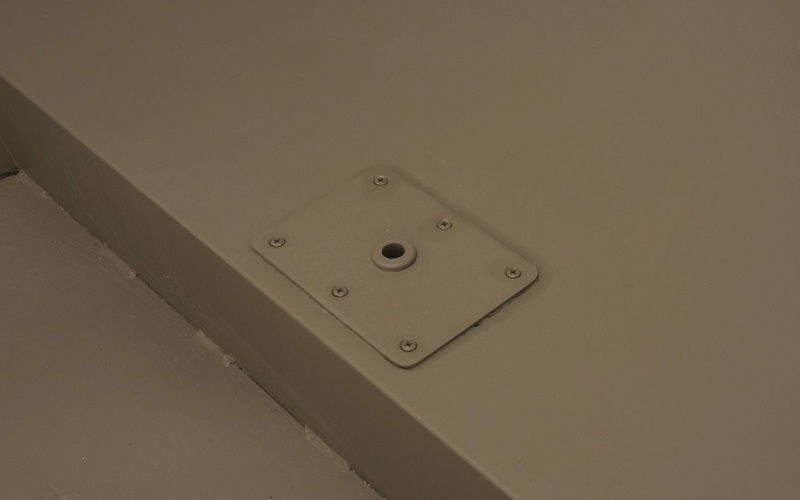
- Tie-down points for better gear security
- Marine-grade seating that’s comfortable and compact
- A shallow-water anchor or stake-out pole
- LED navigation lights for low-light conditions
- A small trolling motor for precise movement
- Battery storage that keeps cables tidy and protected
If you hunt at dawn or dusk, lighting is worth paying attention to. You want enough visibility to stay safe, but not so much light that it ruins your approach.
A trolling motor can also be a smart addition if you’re working marshes or quiet backwaters. It gives you more control than paddling or drifting and helps you move without unnecessary noise.
The key is not to overload the boat with extras. Choose upgrades that solve actual problems you face on the water.
- Hunting setup tips for shallow-water performance
The 2017 Alumacraft Waterfowler 15 Camo is especially appealing for shallow-water hunting because it’s compact and manageable. But to get the best performance, your setup needs to be tuned for that environment.
Here are a few useful tips:
- Keep the load light when possible
- Use shorter, simpler gear that’s easier to stow
- Secure decoys so they don’t roll or shift
- Plan your entry and exit points before launching
- Avoid unnecessary wake or movement in tight areas
If you’re running through marshes or skinny water, every extra pound matters. A lighter load can improve draft and handling, making it easier to get into places bigger boats can’t reach.
You’ll also want to think about how quickly you can get set up once you arrive. Time spent untangling lines or reorganizing gear is time you’re not hunting.
- Fishing setup tips for a cleaner, more efficient boat
Even though the boat is well suited to hunting, it can also work nicely for fishing if you keep the setup simple and efficient.
For fishing use, focus on:
- Open deck space for casting and landing fish
- Easy access to tackle and tools
- A stable spot for cooler storage
- Rod storage that prevents tangles and damage
- Quiet movement to avoid spooking fish in shallow water
The biggest mistake anglers make in a small boat is bringing too much stuff. You usually don’t need every lure, every rod, or every accessory. A compact, well-chosen kit works better and keeps the boat more functional.
If you fish in creeks, rivers, or backwaters, the boat’s shallow-water strengths become a real advantage. The trick is to keep the setup minimal enough that it stays nimble.
- Safety basics that should never be skipped
No matter how you use the 2017 Alumacraft Waterfowler 15 Camo, safety should be part of the setup from day one.
Make sure you have:
- Properly fitted personal flotation devices
- A throwable cushion if required
- Navigation lights if operating in low light
- A whistle or sound-producing device
- A first aid kit
- A way to communicate in case of emergency
It’s also smart to check the boat before every trip. Look for:
- Loose hardware
- Damaged wiring
- Fuel or battery issues
- Cracks, dents, or wear
- Drain plugs and bilge conditions
Small boats are often used in remote areas, so preparation matters. A simple checklist can prevent a lot of headaches.
- How to keep the boat quiet in the field
Noise is one of the easiest ways to ruin a hunting setup. Metal boats can amplify sound if gear is loose or surfaces are rubbing together.
To keep things quieter:
- Use padding where gear contacts the hull
- Secure every loose item before launching
- Avoid dragging hard objects across the floor
- Store calls, tools, and accessories in soft containers
- Close lids gently and minimize movement
A quiet boat is a more effective boat. It helps with both hunting and fishing, especially in shallow water where sound carries easily.
Even the way you move around the boat matters. Smooth, deliberate movements are better than quick steps or shifting weight suddenly.
- Maintenance habits that keep the boat ready
A boat like the 2017 Alumacraft Waterfowler 15 Camo will last longer and perform better if you stay on top of basic maintenance.
Focus on these habits:
- Rinse the boat after use, especially in muddy or brackish water
- Check for loose fasteners and worn parts
- Inspect the trailer regularly if you tow often
- Keep the interior free of debris and moisture
- Store the boat properly between seasons
Aluminum boats are durable, but they still benefit from regular care. Small issues are easier to fix early than after they turn into bigger repairs.
If you use the boat in hunting season and fishing season, give it a quick reset between uses. That helps you avoid clutter and keeps the rig ready for the next trip.
- Who this boat is best suited for
The 2017 Alumacraft Waterfowler 15 Camo makes the most sense for people who want a practical, no-nonsense boat for shallow water and outdoor use.
It’s a strong fit if you:
- Hunt ducks in marshes, sloughs, or flooded timber
- Fish small lakes, creeks, and backwaters
- Need a lightweight boat that’s easy to trailer and launch
- Prefer a simple setup over a heavily customized rig
- Want one boat that can handle more than one job
It may be less ideal if you want lots of onboard storage, high-speed performance, or a large platform for multiple passengers. But for what it’s designed to do, it offers a lot of usefulness in a compact package.
- Conclusion
The 2017 Alumacraft Waterfowler 15 Camo is a versatile boat, but like many small hunting and fishing rigs, it performs best when it’s set up with purpose. The most common problems—clutter, poor balance, noise, and limited space—can usually be solved with smarter loading, better storage, and a few well-chosen upgrades.
If you keep the layout simple, balance the weight carefully, and tailor the boat to your actual use, it becomes much easier to enjoy on the water. Whether you’re chasing ducks before sunrise or slipping into a quiet backwater for a fishing trip, a thoughtful setup makes all the difference. If you’re planning your own rig, take time to map out your gear and prioritize the changes that improve comfort, safety, and efficiency first.
Specifications
General
Boat Type: Power Boats
Class Type: Freshwater Fishing
Specifications
Length: 15.09
Beam: 5.58
Draft: 0.66
Hull Material: Aluminium
Build
First Built: 2017
Propulsion
Fuel Type: Unleaded
Engines: 1
Power: 9 HP
Brand: Mercury
Accomodation
PROS & CONS
What we appreciated
 Durable aluminum construction suitable for rugged useCamo paint finish ideal for waterfowl huntingLightweight and easy to transportFlat bottom design provides good stability in calm watersSpacious layout for gear and hunting equipment
What we didn’t appreciate
 Limited performance in rough or choppy waters due to flat bottomBasic features compared to larger or more expensive boatsLimited seating capacity for larger groupsMinimal storage compartmentsNo built-in motor included, requiring separate purchase
Upkeep Costs
Fuel: Approximately $500 - $800 per year depending on usage
Maintenance: Around $300 - $600 annually for engine and hull upkeep
Insurance: Typically $200 - $400 per year
Storage: $300 - $700 annually depending on location and type
Registration and Taxes: $50 - $150 per year
Rating
4.7
User
Score
Score
Driveability
Technology
Interior
Design
Similar Boats


MarineBroker
Download now for an immersive boat experience like never before! ⛵✨ Your journey begins with a simple click. 🌊📲
#SetSailSmart #DownloadNow
#SetSailSmart #DownloadNow

Subscribe
Copyright 2017 - 2026, Marinebroker.net, All Rights Reserved