Boat Database » Abeking & Rasmussen Zenobia
Abeking & Rasmussen Zenobia
Inboard Direct-Drive, Diesel, 2x 1870 HP
Power Boats 2003 Abeking & Rasmussen Zenobia: What Buyers and Enthusiasts Should Know Before the Next Move
If you’re researching the 2003 Abeking & Rasmussen Zenobia, chances are you’re not just browsing—you’re trying to understand whether t...
Discover


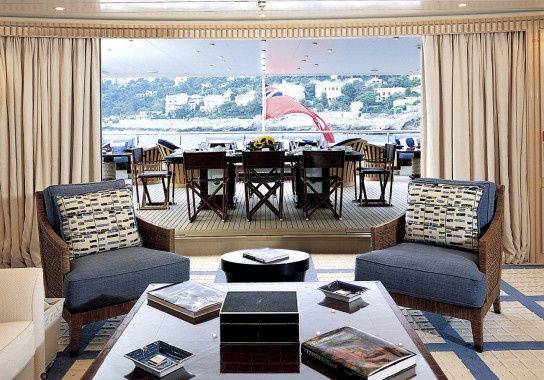
Images have been gathered from various sources and belong to their respective owners.
Review - Abeking & Rasmussen Zenobia

MarineBroker
01/18/2024, 12:05 PM
2003 Abeking & Rasmussen Zenobia: What Buyers and Enthusiasts Should Know Before the Next Move
If you’re researching the 2003 Abeking & Rasmussen Zenobia, chances are you’re not just browsing—you’re trying to understand whether this yacht is the right fit, what makes it special, and what to watch out for before making any decisions. That’s a smart approach. With a vessel like this, the real challenge is rarely finding information; it’s sorting through the noise and knowing which details actually matter.
A yacht from Abeking & Rasmussen already carries a strong reputation for craftsmanship, engineering, and timeless design. But when you’re looking at a specific boat like Zenobia, the questions get more practical: How has it aged? What should be inspected? What ownership costs should you expect? And how do you avoid surprises that can turn a dream purchase into a headache?
The good news is that most of those concerns can be managed with the right checklist and a clear process. Whether you’re a serious buyer, a charter enthusiast, or simply studying the yacht market, understanding the condition, maintenance profile, and inspection priorities of the 2003 Abeking & Rasmussen Zenobia can save time, money, and stress.
- Understanding the 2003 Abeking & Rasmussen Zenobia
The 2003 Abeking & Rasmussen Zenobia sits in a category that appeals to experienced yacht enthusiasts who value quality over flash. Abeking & Rasmussen is known for building custom and semi-custom yachts with a strong emphasis on engineering, seaworthiness, and refined interiors.
For many prospective buyers, the appeal of a yacht like Zenobia is not just its size or style. It’s the combination of German shipyard pedigree, long-range capability, and the kind of build quality that can age gracefully when maintained properly.
That said, any yacht built in 2003 deserves a careful review. Even the best-built vessels can develop issues over time, especially if maintenance has been inconsistent or the yacht has seen heavy use. The key is not to assume problems—but to know where they usually show up.
Common areas worth evaluating on a yacht of this age include:
- Hull and superstructure condition
- Mechanical systems and engine hours
- Electrical and navigation equipment
- Interior wear and moisture issues
- Tender, toys, and deck equipment
- Service history and refit records
If you’re interested in 2003 Abeking & Rasmussen Zenobia, the smartest move is to treat the yacht as a long-term asset, not just a purchase. That mindset changes how you inspect, evaluate, and plan for ownership.
- The Main Problem: Hidden Age-Related Issues
The biggest problem people face with a yacht like the 2003 Abeking & Rasmussen Zenobia is not the brand or the model itself. It’s the uncertainty that comes with buying a well-aged luxury vessel.
A yacht can look beautiful on the surface and still have underlying issues that are expensive to fix. This is especially true if the boat has been upgraded in stages rather than through a coordinated refit strategy.
Typical age-related concerns include:
- Deferred maintenance
- Outdated electronics
- Worn seals, hoses, and pumps
- Corrosion in fittings or mechanical spaces
- Interior fabric, woodwork, and upholstery fatigue
- Generator or engine service gaps
- Stabilizer or thruster performance issues
These problems are not unusual. In fact, they’re expected to some degree on a yacht from this era. The problem is when buyers underestimate them or fail to budget for them.
A practical example: a yacht may have recently polished decks and refreshed soft furnishings, but if the underwater gear, cooling systems, or navigation suite have not been updated, the real cost of ownership can rise quickly after purchase.
That’s why the decision process should focus on condition, documentation, and future maintenance planning—not appearance alone.
- How to Evaluate the 2003 Abeking & Rasmussen Zenobia Properly
If you’re seriously considering the 2003 Abeking & Rasmussen Zenobia, start with a structured evaluation. This helps you separate cosmetic appeal from actual technical value.
Here’s a simple approach:
1. Review the service records
Look for consistent documentation. Regular maintenance logs, yard invoices, and refit records are strong signs the yacht has been cared for properly.
2. Check for major refits
A yacht of this age should ideally have seen meaningful updates. These may include engine work, electronics upgrades, interior refreshes, or system replacements.
3. Inspect the mechanical condition
Engines, generators, gearboxes, pumps, hydraulics, and stabilizers should all be professionally surveyed. Mechanical systems are where costly surprises often hide.
4. Evaluate the electrical and navigation systems
Older yachts often keep their original wiring architecture longer than ideal. Even if the systems still work, they may not be efficient or easy to service.
5. Assess interior moisture and structural integrity
Water intrusion can damage cabinetry, joinery, insulation, and hidden structural areas. A thorough moisture survey is essential.
6. Understand the operational profile
Was the yacht used privately, chartered, or kept lightly used? The answer can tell you a lot about wear patterns and maintenance habits.
A strong survey process doesn’t just protect you from risk. It also helps you negotiate realistically and plan upgrades with confidence.
- Why Maintenance History Matters So Much
With a yacht like the 2003 Abeking & Rasmussen Zenobia, maintenance history is often more important than cosmetic condition. A spotless interior can be misleading if the vessel has not been properly maintained behind the scenes.
Good records show:
- Routine engine servicing
- Oil and filter changes
- Planned replacements of wear items
- Scheduled haul-outs and bottom work
- Updates to safety systems
- Proper winterization or layup procedures
In contrast, missing records can mean one of two things: the yacht was maintained informally, or maintenance was inconsistent. Either way, that uncertainty adds risk.
For buyers, this matters because it affects both immediate costs and future reliability. A well-maintained yacht may still need upgrades, but the scope is usually more predictable. A poorly documented yacht can quickly become a money pit.
One useful rule of thumb: the more complete the records, the easier it is to estimate true ownership costs. That’s especially important for larger yachts, where even small system failures can lead to major expenses.
- What to Inspect First on a Yacht Like Zenobia
If you only have limited time for a first review, focus on the systems most likely to create expensive problems later.
Start with these areas:
- Engines and generators
- Stabilizers and thrusters
- Fuel system and tanks
- Cooling and exhaust systems
- Electrical panels and battery banks
- Watermakers and plumbing
- HVAC performance
- Exterior teak, seals, and deck fittings
These systems affect both safety and day-to-day usability. If they’re in good condition, the yacht is much easier to enjoy. If they’re neglected, repairs can stack up fast.
For example, an aging HVAC system may not seem urgent during a short viewing, but in warm cruising conditions it can become a major comfort issue. Likewise, a weak battery bank or unreliable generator can turn a smooth trip into a constant troubleshooting exercise.
That’s why experienced buyers look beyond the glamour and ask: “Can this yacht still perform reliably in real-world use?”
- The Role of Refits and Upgrades
One of the best solutions for a yacht like the 2003 Abeking & Rasmussen Zenobia is a well-executed refit. A refit can dramatically improve reliability, comfort, and resale appeal when done strategically.
The most valuable refit areas usually include:
- Machinery overhauls
- Electronics modernization
- Interior upholstery and soft goods
- Paint and exterior finishes
- Plumbing and sanitation systems
- Lighting upgrades
- Safety equipment replacement
- AV and entertainment system updates
Not every refit needs to be dramatic. In fact, some of the best refits are targeted and practical. The goal is to improve the yacht’s usability without overcapitalizing.
A smart refit plan often starts with the systems that affect safety and reliability first, followed by comfort and aesthetics. That sequence keeps the vessel usable while reducing the chance of unexpected downtime.
If the 2003 Abeking & Rasmussen Zenobia has already undergone a recent refit, that can be a major advantage. But it’s important to verify the quality of the work, the yard that completed it, and whether the upgrades were comprehensive or only surface-level.
- Ownership Costs You Should Plan For
Even if the yacht is in excellent condition, ownership costs are part of the reality. Many buyers focus on purchase price and underestimate the ongoing expenses.
For a yacht in this class, common cost categories include:
- Annual maintenance and haul-outs
- Crew salaries and training
- Fuel consumption
- Insurance
- Dockage or marina fees
- Provisions and operating supplies
- System upgrades and unexpected repairs
A well-built yacht can be efficient in terms of reliability, but it still requires professional care. The larger and more complex the vessel, the more important it is to budget realistically.
A practical approach is to set aside a maintenance reserve each year. That way, routine wear-and-tear doesn’t become a financial surprise. Many experienced owners treat this as part of the cost of safe, enjoyable cruising.
If you’re evaluating the 2003 Abeking & Rasmussen Zenobia, ask not only “Can I buy it?” but also “Can I comfortably operate and maintain it over time?” That question often separates satisfied owners from frustrated ones.
- How to Decide If It’s the Right Yacht for You
The right yacht is not always the newest or the flashiest. It’s the one that matches your goals, budget, and operating style.
The 2003 Abeking & Rasmussen Zenobia may be a strong fit if you value:
- Classic high-end construction
- Proven yacht-building pedigree
- Comfortable cruising capability
- A vessel with upgrade potential
- A yacht that can be customized to your preferences
It may be less ideal if you want a turnkey boat with minimal maintenance needs and very low operating complexity. Older luxury yachts almost always require some level of ongoing investment.
A helpful decision framework:
- If you want prestige and long-term value, focus on condition and refit quality.
- If you want immediate usability, prioritize yachts with recent upgrades and strong records.
- If you want the best negotiating position, identify needed work before making an offer.
This approach keeps emotion in check and helps you make a clear, informed decision.
- Working with the Right Surveyor and Broker
One of the most practical solutions when evaluating a yacht like 2003 Abeking & Rasmussen Zenobia is working with professionals who understand large yacht systems.
A knowledgeable broker can help you interpret market value, compare similar vessels, and spot red flags early. A qualified surveyor can give you a technical picture of the yacht’s real condition.
Look for professionals who understand:
- Large motor yacht systems
- Older luxury yacht construction
- Refits and upgrade valuation
- Sea trial interpretation
- Hidden structural and mechanical risks
This matters because not all issues are obvious during a short viewing. A good survey can reveal whether the yacht is genuinely ready for service or whether it needs significant work before it can be operated comfortably.
The best outcomes usually come when buyers combine technical inspection with realistic budgeting. That’s how you avoid overpaying for a yacht that looks better than it performs.
- Practical Tips for Buyers and Enthusiasts
If you’re still in the research stage, here are a few simple tips that can make the process easier:
- Don’t rely on photos alone
- Ask for full maintenance records
- Get a professional sea trial
- Budget for upgrades, not just repairs
- Verify the age and service status of key systems
- Compare the yacht to similar vessels in the market
- Look at how the boat has been used, not just how it looks
For enthusiasts who are not yet ready to buy, following these steps still helps you understand what makes a yacht like the 2003 Abeking & Rasmussen Zenobia valuable. It’s a good way to learn how premium yachts hold up over time and what separates a well-kept vessel from an average one.
- Why This Yacht Still Draws Attention
There’s a reason the 2003 Abeking & Rasmussen Zenobia continues to attract interest. Yachts from this shipyard tend to stand out for build quality, engineering discipline, and a more timeless approach to luxury.
That kind of reputation matters in the brokerage market. Buyers often look for vessels that have aged with dignity rather than losing their appeal after a few seasons. When maintained correctly, a yacht like this can still offer a strong ownership experience.
The real value is not just in the name. It’s in the combination of craftsmanship, proper upkeep, and smart modernization. Those three factors together can make an older yacht feel surprisingly current and enjoyable.
- Conclusion
The 2003 Abeking & Rasmussen Zenobia is the kind of yacht that rewards careful evaluation. Its value depends less on age alone and more on maintenance history, refit quality, and overall condition. For buyers and enthusiasts, the main challenge is separating visible appeal from real-world performance.
The best solution is a methodical one: review records, inspect key systems, verify upgrades, and plan for ownership costs realistically. With the right survey and a clear budget, an older luxury yacht can become a very rewarding purchase rather than a risky one. If you’re exploring this yacht further, take the time to compare notes, consult experienced professionals, and focus on long-term usability. That’s where the real value usually is.
Specifications
General
Boat Type: Power Boats
Class Type: Mega Yacht
Specifications
Length: 187.99
Beam: 35.1
Draft: 11.48
Hull Material: Steel
Build
First Built: 2003
Propulsion
Fuel Type: Diesel
Engines: 2
Power: 1870 HP
Brand: Caterpillar
Accomodation
Cabins: 6
PROS & CONS
What we appreciated
 Classic and timeless design by Abeking & RasmussenHigh-quality craftsmanship and materialsSpacious and luxurious interiorSolid build offering excellent seaworthinessGood reputation for durability and longevity
What we didn’t appreciate
 Older model may require more maintenancePotentially higher operating and upkeep costsLimited modern technology and electronics compared to newer yachtsFuel efficiency may be lower than contemporary designsParts and specialized service might be harder to find
Upkeep Costs
Annual maintenance and servicing: $15,000 - $25,000
Fuel costs: $30,000 - $50,000 per year depending on usage
Insurance: $10,000 - $20,000 per year
Docking and mooring fees: $20,000 - $40,000 per year
Crew salaries (if applicable): $100,000+ per year
Rating
8.5
User
Score
Score
Driveability
Technology
Interior
Design
Similar Boats


MarineBroker
Download now for an immersive boat experience like never before! ⛵✨ Your journey begins with a simple click. 🌊📲
#SetSailSmart #DownloadNow
#SetSailSmart #DownloadNow

Subscribe
Copyright 2017 - 2026, Marinebroker.net, All Rights Reserved