2010 Amels Grace: What Buyers and Enthusiasts Should Know Before Taking the Next Step
If you’re researching the 2010 Amels Grace, you’re probably already past the “just browsing” stage. At this point, the challenge usually isn’t ...
Discover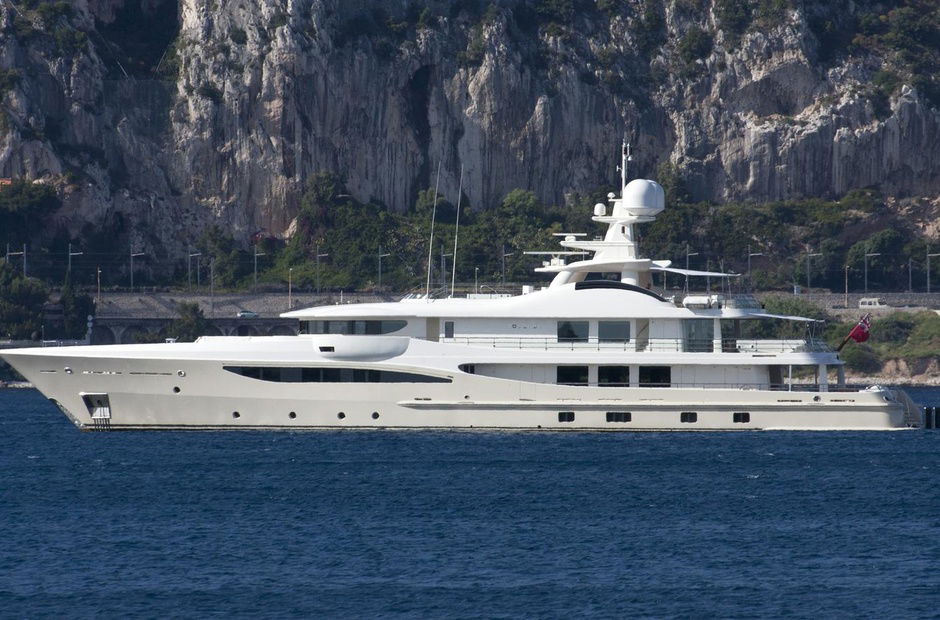
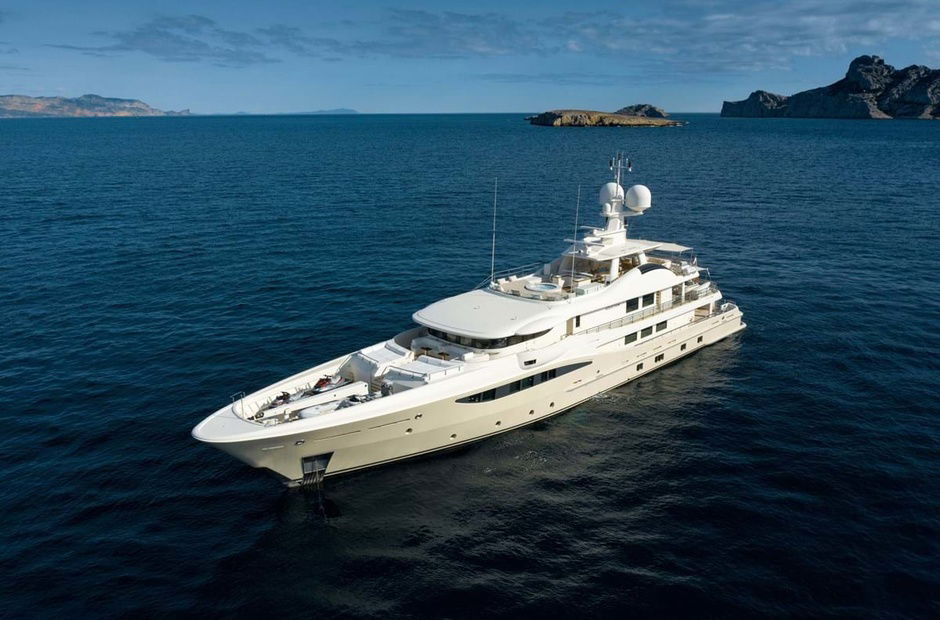
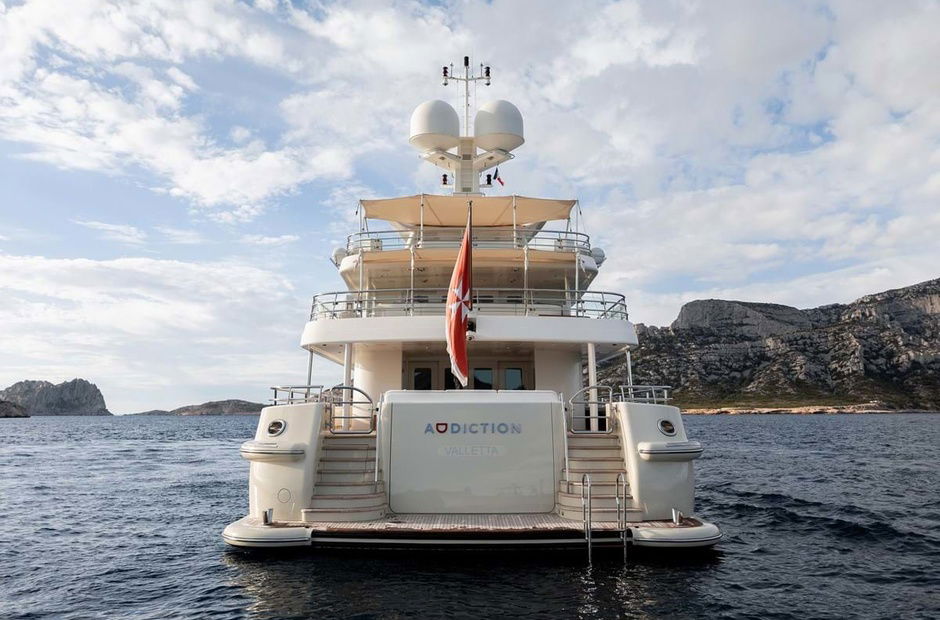
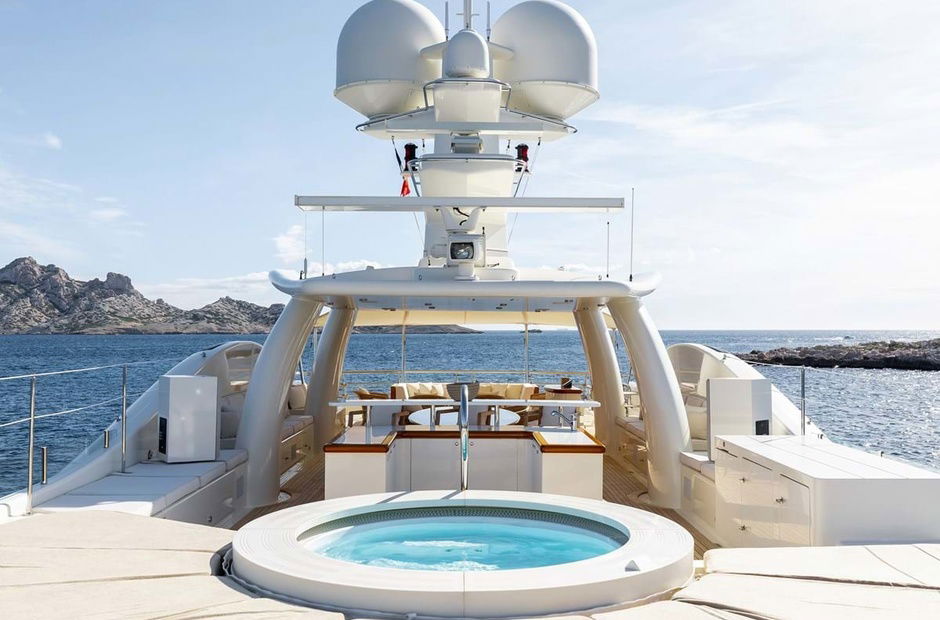
Images have been gathered from various sources and belong to their respective owners.
Review - Amels Grace

MarineBroker
03/11/2024, 11:23 AM
2010 Amels Grace: What Buyers and Enthusiasts Should Know Before Taking the Next Step
If you’re researching the 2010 Amels Grace, you’re probably already past the “just browsing” stage. At this point, the challenge usually isn’t whether the yacht is impressive — it’s figuring out whether it’s the right fit for your plans, budget, and ownership style. That’s where things can get tricky.
A yacht like 2010 Amels Grace attracts attention for good reason. It represents a mix of Dutch pedigree, custom craftsmanship, and the kind of onboard comfort that makes long-range cruising appealing. But for anyone seriously considering a yacht of this caliber, the real problem is not admiration — it’s due diligence. How do you evaluate condition, refit history, operating costs, and suitability without getting overwhelmed by the details?
The good news is that with the right approach, the process becomes much clearer. Instead of focusing only on the glamour, you can break the decision into practical steps: what to inspect, what to ask, what costs to expect, and how to determine whether the yacht truly matches your lifestyle. That’s exactly what this guide is here to help with.
- What Makes the 2010 Amels Grace Stand Out?
The name Amels carries serious weight in the superyacht world. Known for quality Dutch shipbuilding, the brand has built a reputation around craftsmanship, reliability, and elegant design. A yacht from this yard is often viewed as a long-term asset rather than a short-term indulgence.
The 2010 Amels Grace is especially interesting because yachts from this era often sit in a sweet spot. They’re modern enough to offer strong engineering and contemporary amenities, but mature enough that a careful buyer can assess their real-world performance history.
For many prospective owners, that balance is appealing. You’re not buying into a brand-new build timeline, but you may still be getting a vessel that has already proven itself at sea.
A few reasons this yacht draws attention:
- Strong build quality and pedigree
- A layout designed for comfort and entertaining
- A reputation for long-range cruising capability
- A market position that can offer value compared with new construction
That said, prestige alone doesn’t solve the practical questions. The key is understanding how to evaluate the yacht properly.
- The Real Problem: How Do You Judge a Yacht Like This Without Guessing?
When people search for 2010 Amels Grace, they often face the same issue: too much interest, not enough clarity.
A yacht of this type can look perfect in photos and still have hidden variables beneath the surface. Even a well-maintained superyacht may have details that affect ownership significantly, such as:
- Engine and generator hours
- Maintenance records
- Refits and upgrades
- Classification and compliance status
- Interior wear from charter or private use
- Tender and toy inventory
- Crew operation history
The problem is that many buyers focus first on aesthetics. That’s understandable, but it can lead to costly surprises later. A polished interior does not always mean the systems are equally strong.
The practical solution is to evaluate the yacht in layers, starting with structure and machinery, then moving to systems, then to lifestyle fit. That way, you’re not making a decision based on emotion alone.
- Start With the Fundamentals: Hull, Machinery, and Maintenance
If you’re considering the 2010 Amels Grace, the first thing to verify is the technical backbone of the yacht. This is where long-term confidence comes from.
A professional buyer should look closely at:
- Hull condition and coatings
- Main engine service history
- Generator performance and service logs
- Stabilizers and thrusters
- Electrical systems
- HVAC reliability
- Watermakers and sewage systems
These are not glamorous details, but they matter a lot. A yacht can be stunning and still become expensive if essential systems haven’t been maintained properly.
One useful approach is to ask for a complete maintenance timeline. That should include scheduled services, major repairs, and any refit work. A well-documented yacht usually signals a more disciplined ownership history.
If you’re not technical yourself, bring in a surveyor and an engineer who have experience with large yachts. That upfront expense can save you from making a very expensive mistake.
- Why Refits Matter So Much on a 2010 Yacht
For a yacht built in 2010, refit history is one of the biggest indicators of current value. Even the best-built yachts need updates over time.
A thoughtful refit can improve:
- Guest comfort
- Navigation and electronics
- Safety systems
- Fuel efficiency
- Noise and vibration levels
- Interior styling and materials
In some cases, a refit can make a yacht feel much newer than its build year suggests. In others, a yacht may look fresh but still have older systems behind the scenes.
When reviewing 2010 Amels Grace, ask what has been updated and when. Pay special attention to:
- Navigation suite upgrades
- AV/IT system replacements
- Soft goods and interior finishes
- Lifesaving equipment
- Paint and exterior detailing
- Mechanical overhauls
If the refit was done well and documented clearly, that’s a strong positive. If records are vague, treat that as a warning sign.
- Matching the Yacht to Your Lifestyle
A common mistake is falling in love with a yacht that doesn’t actually fit how you plan to use it.
The 2010 Amels Grace may be ideal for some owners and less suitable for others depending on how you intend to cruise. Before moving forward, think about these questions:
- Will you use the yacht privately, charter it, or both?
- Do you want to cruise short coastal routes or spend extended time aboard?
- How many guests do you expect regularly?
- Will you need a large crew, or do you prefer simpler operations?
- Are you planning family use, entertaining, or long-distance travel?
This matters because a yacht’s layout, storage, crew areas, and systems all affect the onboard experience. A vessel that works beautifully for luxury entertaining may be less convenient for a couple planning quiet seasonal cruising.
A good rule of thumb: don’t just ask whether you like the yacht. Ask whether it supports your actual routine.
- Operating Costs: The Part Many Buyers Underestimate
One of the biggest problems in yacht ownership is underestimating running costs. A yacht like 2010 Amels Grace is not just a purchase — it’s an ongoing operation.
Typical cost categories include:
- Crew salaries
- Fuel
- Dockage
- Insurance
- Routine maintenance
- Class and compliance
- Refit reserves
- Consumables and provisions
Costs vary widely depending on usage, region, and crew structure, but the important thing is to plan realistically. Even if the yacht itself is attractively priced, ownership can become stressful if the annual budget is too tight.
A smart buyer should request an operating estimate before committing. This helps you compare the yacht not only against other vessels, but against your own expectations.
If you’re new to this level of ownership, it may help to think in terms of total annual cost rather than purchase price alone. That’s the real number that determines whether the yacht is sustainable.
- What to Look for During a Viewing
If you’re touring the 2010 Amels Grace, try to approach the visit like a systems check, not just a walk-through.
Here’s a practical viewing checklist:
- Smell the interior for signs of damp or poor ventilation
- Check for uneven wear in high-traffic areas
- Ask about recent engine-room inspections
- Look at paint condition in direct sunlight
- Test door hardware, lighting, and controls
- Review guest cabin comfort and storage
- Inspect crew spaces for functionality
- Ask how many hours the yacht spends underway versus idle
A polished yacht should still feel solid in the details. Doors should close cleanly, systems should respond quickly, and the engine room should reflect pride of ownership.
Also pay attention to how the yacht feels underway if you can sea trial it. Noise levels, vibration, and stabilization performance are often more revealing than dockside impressions.
- How to Compare 2010 Amels Grace With Similar Yachts
It’s always smart to compare before you commit. The 2010 Amels Grace may be a strong candidate, but the best decision usually comes from comparison shopping.
When comparing similar yachts, look at:
- Builder reputation
- Build year and refit history
- Charter history
- Interior style
- Crew arrangement
- Performance range
- Maintenance transparency
- Asking price versus condition
Sometimes a slightly older yacht with a better refit and stronger service records is the better buy. Other times, a lower-priced yacht may need so much work that it becomes the more expensive choice overall.
This is why condition matters more than age alone. Two yachts from the same era can have very different ownership economics.
- Practical Questions to Ask the Broker or Seller
The right questions can save you a lot of time. If you’re serious about 2010 Amels Grace, ask for specifics instead of general reassurances.
Useful questions include:
1. What major refits have been completed?
2. Are full maintenance records available?
3. Has the yacht been in charter service?
4. What are the main engine and generator hours?
5. Are there any known issues or upcoming service needs?
6. When was the last haul-out?
7. Have any systems been upgraded recently?
8. Is the yacht currently class compliant and properly documented?
You’re not trying to catch anyone out. You’re trying to build a full picture of what ownership will really look like.
Good sellers usually welcome this level of detail. Clear answers are often a sign that the yacht has been managed responsibly.
- Why Survey and Sea Trial Are Non-Negotiable
No matter how attractive the listing looks, a survey and sea trial are essential.
A survey helps identify:
- Structural concerns
- Moisture issues
- Mechanical wear
- Electrical faults
- Safety and compliance gaps
A sea trial adds another layer by showing how the yacht performs in real conditions. This is where you can evaluate:
- Acceleration and cruising response
- Stabilizer effectiveness
- Steering behavior
- Noise and vibration
- Temperature control under load
- General operational smoothness
For a yacht like 2010 Amels Grace, this step is especially important because the vessel’s value depends heavily on condition and upkeep. A good survey doesn’t just protect you — it also gives you leverage in negotiations if issues are found.
- Making the Decision With Confidence
Once the technical, financial, and lifestyle questions are answered, the decision becomes much easier.
The 2010 Amels Grace may be a strong option if you’re looking for:
- A proven yacht with pedigree
- A comfortable layout for cruising or entertaining
- A vessel that has likely benefited from thoughtful maintenance or refit work
- A balanced mix of value and prestige
But the smartest buyers don’t stop at admiration. They verify condition, compare costs, and think through how the yacht will actually be used.
If everything lines up, you’re not just buying a yacht — you’re buying a more predictable ownership experience.
- Final Thoughts
The 2010 Amels Grace stands out because it offers more than just visual appeal. For the right buyer, it can represent a well-balanced combination of craftsmanship, comfort, and long-range capability. But the real challenge is not finding a beautiful yacht — it’s making sure the yacht fits your plans, your budget, and your expectations.
The best way to solve that problem is simple: inspect carefully, ask detailed questions, review maintenance and refit history, and compare the yacht against similar options. When you do that, the decision becomes much clearer and far less stressful.
If you’re exploring yachts like 2010 Amels Grace, take your time and focus on the facts. A thoughtful approach will always serve you better than a rushed one.
Specifications
General
Boat Type: Power Boats
Class Type: Mega Yacht
Specifications
Length: 178.15
Beam: 29.53
Draft: 14.11
Hull Material: Steel
Build
First Built: 2010
Propulsion
Fuel Type: Diesel
Engines: 2
Power: 1428 HP
Brand: MTU
Accomodation
Cabins: 5
PROS & CONS
What we appreciated
 Luxurious and spacious interior designHigh-quality craftsmanship and materialsSmooth and stable sailing performanceWell-equipped with modern navigation and safety systemsExcellent reputation for reliability and durability
What we didn’t appreciate
 Relatively high maintenance and operating costsOlder model may lack some latest technological featuresLimited availability of parts due to ageRequires experienced crew for optimal handlingPotentially lower fuel efficiency compared to newer models
Upkeep Costs
Annual maintenance and repairs: $150,000 - $300,000
Crew salaries: $300,000 - $600,000
Fuel costs: $100,000 - $250,000
Insurance: $50,000 - $100,000
Docking and marina fees: $50,000 - $150,000
Rating
8.0
User
Score
Score
Driveability
Technology
Interior
Design
Similar Boats


MarineBroker
Download now for an immersive boat experience like never before! ⛵✨ Your journey begins with a simple click. 🌊📲
#SetSailSmart #DownloadNow
#SetSailSmart #DownloadNow

Subscribe
Copyright 2017 - 2026, Marinebroker.net, All Rights Reserved