Boat Database » Astondoa Kitty Kat
Astondoa Kitty Kat
Inboard Direct-Drive, Diesel, 2x 0 HP
Power Boats 2000 Astondoa Kitty Kat: What Buyers Should Know Before Owning This Classic Yacht
If you’re looking at the 2000 Astondoa Kitty Kat, chances are you’re drawn to more than just a boat listing. You’re probably picturing weekends on ...
Discover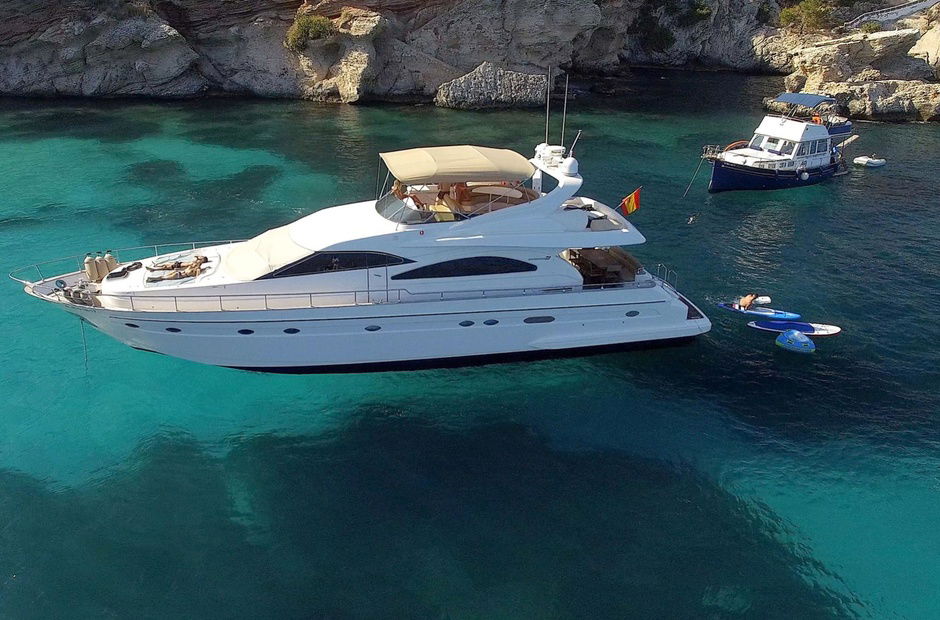

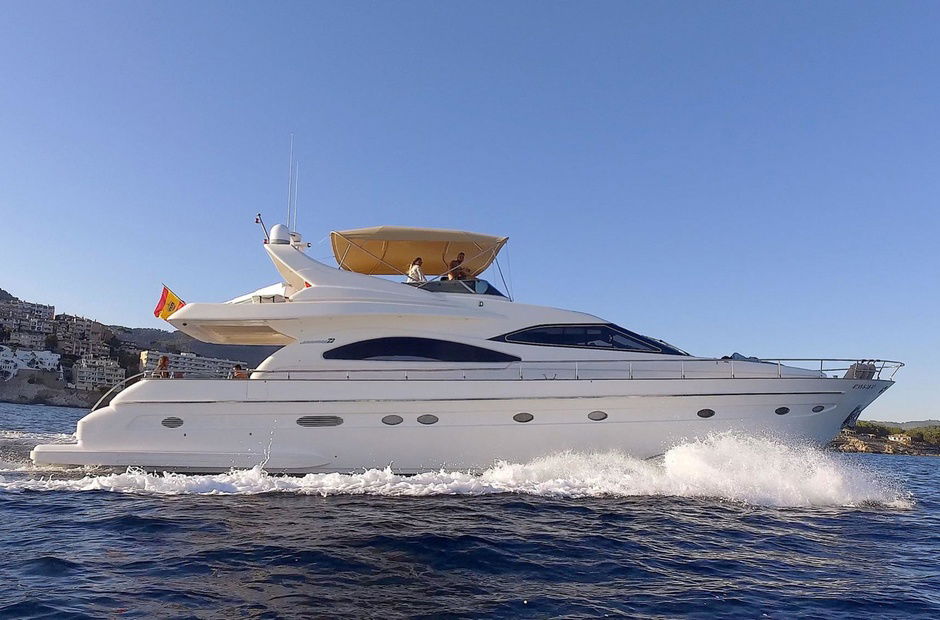

Images have been gathered from various sources and belong to their respective owners.
Review - Astondoa Kitty Kat

MarineBroker
06/03/2024, 6:13 AM
2000 Astondoa Kitty Kat: What Buyers Should Know Before Owning This Classic Yacht
If you’re looking at the 2000 Astondoa Kitty Kat, chances are you’re drawn to more than just a boat listing. You’re probably picturing weekends on the water, a stylish cruising experience, and a yacht that still turns heads even years after it left the yard. That makes sense—Astondoa has long been known for building elegant, well-finished motor yachts with a strong Mediterranean character.
But here’s the real challenge: buying or owning a 2000 yacht is not just about liking the look. The big question is whether the boat has been maintained properly, whether its systems are still reliable, and whether the running costs make sense for your plans. Older yachts can be fantastic value, but only if you know what to check and how to avoid expensive surprises.
That’s where a practical approach helps. In this article, we’ll break down what makes the 2000 Astondoa Kitty Kat appealing, the common issues to watch for in a yacht of this age, and the smart steps that can help you enjoy it with far less stress. If you’re considering this model, the goal is simple: help you make a confident, informed decision.
- What Makes the 2000 Astondoa Kitty Kat Stand Out
The 2000 Astondoa Kitty Kat belongs to a category of yachts that appeal to owners who want classic styling, comfortable cruising, and a solid onboard feel. Astondoa yachts are often appreciated for their craftsmanship, interior use of space, and the sense of quality you get when moving through the boat.
For many buyers, that’s the attraction. You’re not just buying a hull and engines. You’re buying a layout, a lifestyle, and a brand reputation that has held up well over time.
Some of the reasons this model gets attention include:
- Timeless exterior styling
- Comfortable cruising layout
- Strong build reputation from Astondoa
- Good balance between luxury and practicality
- Potential value compared to newer yachts in the same size range
That said, a 2000 build year means the yacht is now in the “mature boat” category. That’s not a bad thing at all. It just means the condition matters more than the model name. Two boats of the same year can feel completely different depending on how they were used, stored, and serviced.
- The Main Problem Buyers Face with an Older Yacht
The biggest issue with a yacht like the 2000 Astondoa Kitty Kat is uncertainty. A boat may look beautiful in photos, but hidden wear can quickly turn a smart purchase into a costly project.
Common concerns usually fall into a few categories:
- Engine and drivetrain condition
- Electrical system aging
- Moisture intrusion or hull issues
- Interior wear and outdated equipment
- Maintenance history gaps
- Cost of updating systems to modern standards
For example, a buyer may fall in love with the layout and finish, then discover that the navigation electronics are outdated, the batteries need replacing, or the generator is unreliable. None of those problems are unusual on an older yacht, but they can add up fast.
The good news is that these issues are manageable if you know what to inspect and budget for. That’s the real solution: don’t buy based on appearance alone. Buy based on verified condition, realistic operating costs, and a clear plan for maintenance.
- Why Condition Matters More Than the Year
With a yacht from 2000, the year on the paperwork is only part of the story. A well-kept boat can often be a better choice than a newer one that’s been neglected.
When evaluating the 2000 Astondoa Kitty Kat, focus on these questions:
- Has the boat been serviced regularly?
- Are there records for engine maintenance?
- Has it been stored properly during off-seasons?
- Were any major refits completed?
- Are the systems original, partially updated, or fully modernized?
A yacht that has had consistent care may be far more reliable than one that simply looks cleaner on the surface. On the other hand, a boat with no maintenance history should be treated cautiously, even if the asking price seems attractive.
A helpful mindset is this: you’re not just buying a yacht, you’re buying the previous owner’s habits. Good records usually signal a well-managed boat. Missing records often mean added risk.
- Key Areas to Inspect on the 2000 Astondoa Kitty Kat
If you’re seriously considering this yacht, a thorough inspection is essential. A marine surveyor and a qualified mechanic can help, but it also helps to know what matters most.
- Engines and Mechanical Systems
The engines are often the most expensive part of the boat to repair. Check for:
- Service records
- Oil and coolant condition
- Smoke at startup or under load
- Unusual vibration
- Leaks around seals, hoses, and fittings
- Evidence of overheating
If the boat has twin engines, compare how each one starts and runs. Differences between port and starboard engines can reveal hidden issues.
- Hull and Structural Condition
Look for signs of:
- Osmosis or blistering
- Previous repairs
- Stress cracks around fittings
- Water intrusion
- Soft spots in decks or transom areas
A boat can be cosmetically polished and still hide structural concerns. That’s why moisture readings and a proper survey are so important.
- Electrical and Battery Systems
On older yachts, electrical issues are common because systems age gradually. Check:
- Battery age and charging performance
- Shore power setup
- Wiring condition
- Corrosion in panels and terminals
- Functionality of pumps, lights, and switches
Small electrical faults can become annoying at best and safety issues at worst.
- Interior and Plumbing
Inside the boat, inspect:
- Head and shower function
- Freshwater pressure
- Signs of leaks or mold
- Upholstery and wood condition
- Air conditioning performance
- Galley appliances
A yacht that smells damp or musty often needs more than a cosmetic cleanup.
- Running Costs You Should Plan For
One of the most overlooked problems with buying a yacht is underestimating the ongoing cost. The 2000 Astondoa Kitty Kat may be a good value purchase, but ownership costs still matter.
Typical expenses can include:
- Annual servicing
- Fuel
- Dockage or marina fees
- Insurance
- Bottom cleaning and antifouling
- Battery replacement
- Pump and hose replacement
- Unexpected repairs
Older yachts often require a “maintenance reserve.” That means setting aside money each year for repairs, even if nothing seems urgent right now.
A practical rule is to avoid spending your entire budget on the purchase itself. If you do, you may end up unable to handle the first real issue that comes up. A smarter plan is to leave room for:
- Survey findings
- Immediate repairs
- Safety equipment updates
- Electronics refresh
- Cosmetic improvements
- How to Tell If the 2000 Astondoa Kitty Kat Is a Good Fit for You
This yacht may be a strong match if you want:
- A stylish cruiser with classic appeal
- A boat for relaxed family or guest use
- A platform that can be updated over time
- A yacht with potential value in the used market
- A vessel that feels substantial and comfortable
It may be less ideal if you want:
- A low-maintenance, turn-key experience with no upgrades
- The latest electronics and systems already installed
- Very low operating costs
- A boat you can use immediately without inspection or refit planning
That doesn’t mean you should avoid it. It just means expectations matter. Older yachts reward informed buyers, not impulsive ones.
- Smart Buying Strategy for a Yacht Like This
If you’re approaching the 2000 Astondoa Kitty Kat as a potential purchase, the best solution is a structured buying process.
- Step 1: Research the Specific Boat, Not Just the Model
Look for:
- Full listing details
- Service history
- Ownership timeline
- Refits and upgrades
- Engine hours
- Previous survey reports if available
The more documentation you have, the better.
- Step 2: Inspect in Person
Photos can hide a lot. Walk the decks, check lockers, test systems, and pay attention to odors, sounds, and visible wear. A well-maintained yacht usually gives off a different feel right away.
- Step 3: Hire a Professional Surveyor
This is where many buyers save themselves from expensive mistakes. A survey can uncover:
- Structural issues
- Moisture problems
- Mechanical concerns
- Safety deficiencies
- Insurance-related issues
Think of the survey as risk management, not just paperwork.
- Step 4: Budget for Immediate Work
Even a good boat often needs something. Common first-year items might include:
- Engine servicing
- Antifouling
- Battery replacement
- Hose and clamp updates
- Safety gear replacement
- Minor upholstery or cosmetic work
- Step 5: Negotiate Based on Reality
If the survey finds issues, use that information to negotiate. A fair price should reflect the boat’s real condition, not just its age or appearance.
- Common Refits That Add Value
If you do buy the yacht, a few updates can make a big difference in usability and resale appeal.
Useful refit areas include:
- Modern chartplotter and navigation electronics
- New batteries and charging systems
- LED lighting upgrades
- Fresh upholstery
- Updated safety equipment
- Improved audio and entertainment systems
- Fresh canvas or exterior covers
These upgrades don’t have to be done all at once. In fact, spreading them out can make ownership much more manageable.
For many owners, the best strategy is to prioritize reliability first, comfort second, and style third. That order tends to keep the boat enjoyable without overspending too early.
- Why the 2000 Astondoa Kitty Kat Still Appeals to Buyers
Even with the usual age-related concerns, the 2000 Astondoa Kitty Kat continues to attract interest because it offers something many newer boats don’t: character.
A well-kept older yacht often has:
- More solid-feeling materials
- A distinctive layout
- A proven design
- Better value per foot than newer models
- A more personal ownership experience
There’s also a certain satisfaction in bringing an older yacht up to current standards. For some owners, that process is part of the fun. You’re not just maintaining a vessel—you’re refining it to suit how you actually use the water.
That said, the appeal only lasts if the boat is chosen wisely. A good older yacht feels rewarding. A neglected one feels like a burden. The difference is usually documentation, inspection, and realism.
- Practical Tips Before You Commit
Before making an offer, keep these points in mind:
- Don’t skip the survey
- Verify engine hours and service intervals
- Check for signs of water ingress
- Ask about any refits or major repairs
- Estimate annual ownership costs before buying
- Leave a repair budget after purchase
- Make sure the boat matches your real cruising plans
If you plan to use the yacht for weekend trips, entertaining, or seasonal cruising, the 2000 Astondoa Kitty Kat could make a lot of sense if it’s been properly maintained. If you want something that requires little attention, you may need to look at newer options or be ready for a refit.
- A Simple Way to Think About the Decision
Here’s the easiest way to judge an older yacht like this:
- If it has records, passes survey, and fits your budget, it may be a smart buy.
- If it looks great but hides uncertainty, it’s probably not worth the risk.
- If you are prepared for upkeep and updates, the value can be excellent.
- If you want hassle-free ownership, you may need to adjust expectations.
That mindset keeps the process grounded. It also helps you focus on what really matters: condition, usability, and long-term enjoyment.
- Conclusion
The 2000 Astondoa Kitty Kat can be an appealing choice for buyers who appreciate classic yacht styling, a comfortable layout, and the value that older well-built boats can offer. The key is to look beyond the name and focus on real condition, service history, and future maintenance needs. That’s the best way to avoid surprises and enjoy the boat with confidence.
If you’re considering this model, take your time, inspect carefully, and budget realistically. A thoughtful approach can turn an older yacht into a very rewarding ownership experience. For anyone exploring similar boats, it’s worth comparing survey findings, maintenance records, and refit potential before making a final decision.
Specifications
General
Boat Type: Power Boats
Class Type: Mega Yacht
Specifications
Length: 72.18
Beam: 18.04
Draft: 4.92
Hull Material: GRP
Build
First Built: 2000
Propulsion
Fuel Type: Diesel
Engines: 2
Power: 0 HP
Brand: Unknown
Accomodation
Cabins: 4
PROS & CONS
What we appreciated
 Classic and elegant design with timeless appealSpacious interior layout offering comfortable accommodationsSolid build quality typical of Astondoa craftsmanshipGood performance with reliable engines for its classWell-suited for both coastal cruising and entertaining guests
What we didn’t appreciate
 Older model may require more maintenance and updatesLimited availability of spare parts due to ageFuel efficiency may be lower compared to modern boatsOutdated electronics and navigation equipment unless upgradedPotentially higher operating costs due to age and technology
Upkeep Costs
Annual insurance: $1,200 - $2,500
Docking/Marina fees: $3,000 - $7,000 per year
Fuel: $2,000 - $5,000 per season (depending on usage)
Maintenance and repairs: $2,000 - $6,000 per year
Winter storage and shrink wrap: $1,000 - $2,500 per year
Rating
6.6
User
Score
Score
Driveability
Technology
Interior
Design
Similar Boats


MarineBroker
Download now for an immersive boat experience like never before! ⛵✨ Your journey begins with a simple click. 🌊📲
#SetSailSmart #DownloadNow
#SetSailSmart #DownloadNow

Subscribe
Copyright 2017 - 2026, Marinebroker.net, All Rights Reserved