Boat Database » Azimut Sea Hawk
Azimut Sea Hawk
Inboard Direct-Drive, Diesel, 2x 1500 HP
Power Boats 2002 Azimut Sea Hawk: What to Look for, Common Issues, and How to Buy with Confidence
If you’re researching a 2002 Azimut Sea Hawk, chances are you’re trying to answer a pretty practical question: is this yacht still a smart buy,...
Discover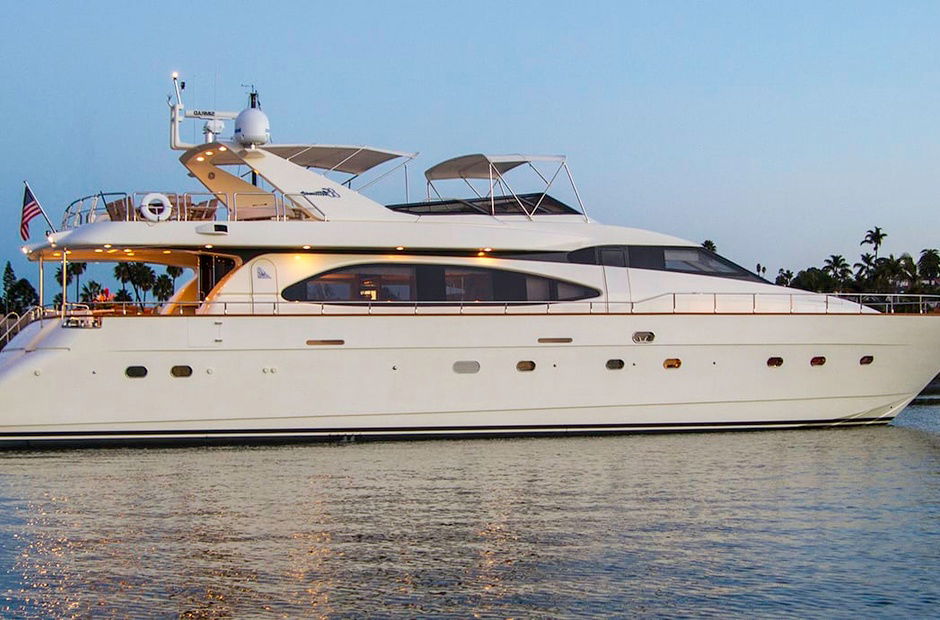
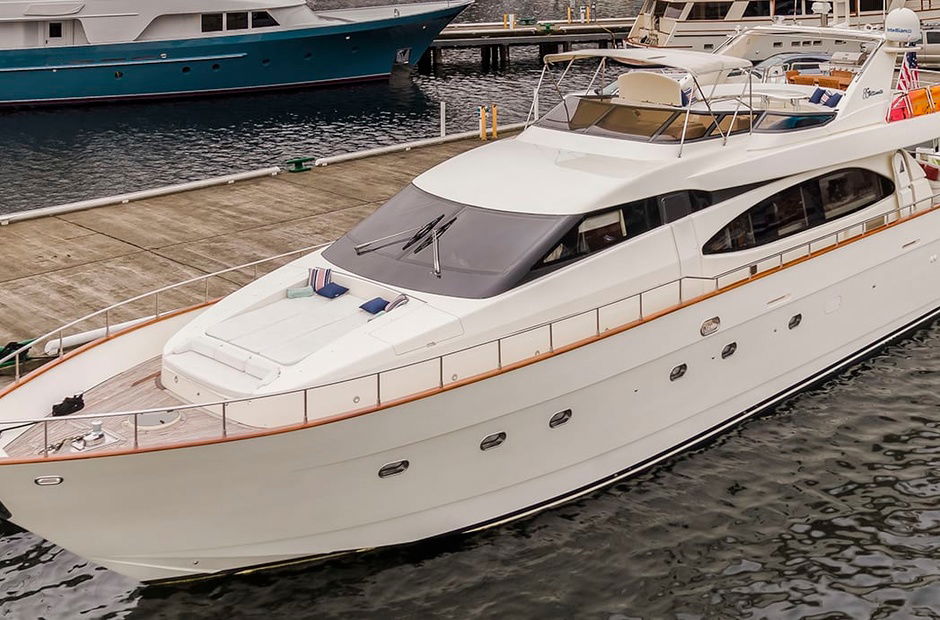
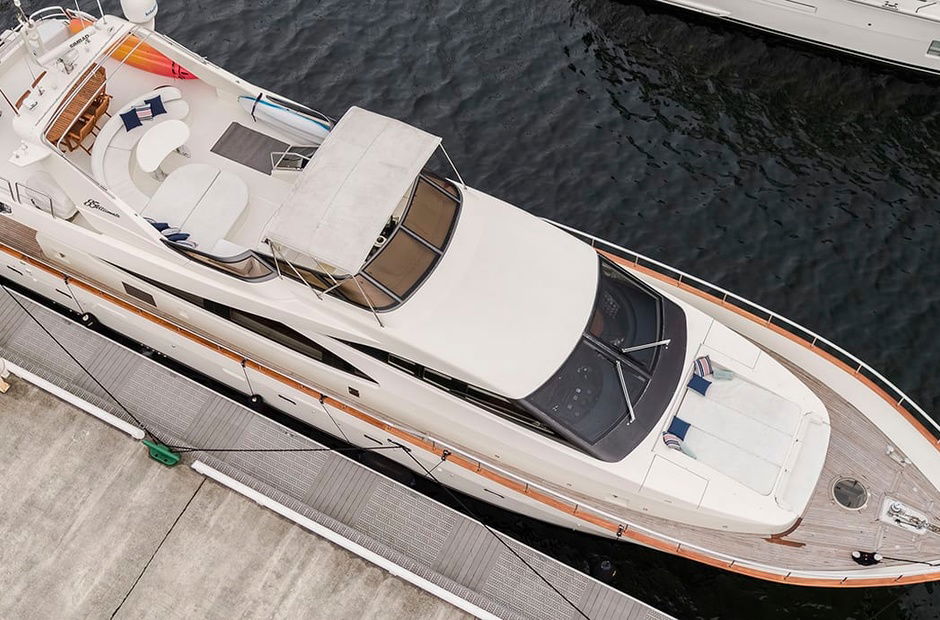
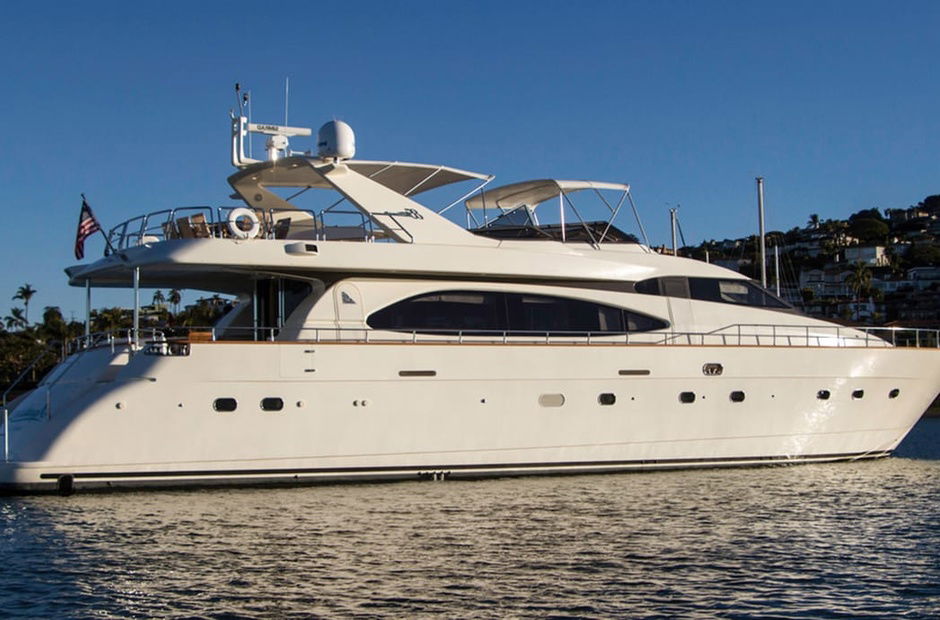
Images have been gathered from various sources and belong to their respective owners.
Review - Azimut Sea Hawk

MarineBroker
08/13/2024, 6:59 AM
2002 Azimut Sea Hawk: What to Look for, Common Issues, and How to Buy with Confidence
If you’re researching a 2002 Azimut Sea Hawk, chances are you’re trying to answer a pretty practical question: is this yacht still a smart buy, and what should you watch out for before committing? That’s a fair concern. A boat from this era can offer a lot of value, but only if you know where the hidden headaches tend to show up.
The good news is that the 2002 Azimut Sea Hawk has a lot going for it. It’s a stylish Italian-built yacht with strong appeal, solid cruising comfort, and the kind of layout that still turns heads. But like any 20-plus-year-old boat, condition matters more than brand name. Maintenance history, engine health, electrical systems, and structural details can make the difference between a great purchase and an expensive project.
In this article, we’ll walk through what the 2002 Azimut Sea Hawk is known for, the most common problem areas to inspect, and the practical steps that can help you evaluate one with confidence. If you’re serious about buying, owning, or just understanding this model better, this guide will help you separate the shiny exterior from the stuff that really matters.
- What Makes the 2002 Azimut Sea Hawk Appealing
The 2002 Azimut Sea Hawk sits in that sweet spot many buyers love: it’s old enough to be more affordable than newer yachts, but modern enough to still feel stylish and capable. Azimut has long been known for sleek lines, smart use of space, and a more upscale interior feel than many boats in the same class.
For many buyers, the attraction is a mix of three things:
- Italian design that still looks current
- Comfortable cruising layout for family or guests
- Strong brand recognition in the used yacht market
It’s also the kind of boat that can work well for coastal cruising, weekend getaways, and entertaining. Depending on the exact configuration, it may offer a practical salon, decent cabin arrangements, and enough cockpit space to make time aboard enjoyable.
That said, the appeal of a used yacht should always be balanced against age-related wear. A well-kept 2002 Azimut Sea Hawk can be a great find. A neglected one can quickly become a money pit.
- The Main Problem Buyers Face with a 2002 Azimut Sea Hawk
The biggest challenge isn’t usually whether the boat looks good. It’s figuring out what’s happening underneath the surface.
With a yacht of this age, the main problem is uncertainty. You may see a clean hull, polished teak, and updated cushions, but those cosmetic details don’t tell you much about the engines, wiring, hoses, seals, or moisture intrusion. Many buyers get caught up in appearance and later discover expensive repair needs.
Common concerns often include:
- Deferred maintenance
- Aging engines and drivetrain components
- Outdated electronics
- Water intrusion in decks or windows
- Electrical issues from old wiring or poor upgrades
- Wear in upholstery, teak, and fittings
The solution is not to avoid the boat entirely. It’s to inspect it like a professional and buy based on condition, not assumptions.
- Common Issues to Check on a 2002 Azimut Sea Hawk
A boat this age can absolutely still be a great ownership experience, but only if you know where to look. The most important areas are below.
- Engines and Mechanical Systems
This is usually the first thing to inspect closely. Depending on the specific setup, the 2002 Azimut Sea Hawk may have diesel engines that are durable, but they still require consistent maintenance.
Look for:
- Service records
- Oil analysis results, if available
- Coolant condition
- Signs of overheating
- Smoke at startup or under load
- Leaks around seals, hoses, and filters
A sea trial is especially important. A boat may idle fine at the dock but reveal issues once it’s under load. Watch for vibration, unusual noise, poor throttle response, or temperature fluctuations.
If the engines have high hours, that’s not automatically a dealbreaker. What matters is whether they were cared for properly. A well-maintained high-hour engine can be safer than a low-hour engine that sat neglected.
- Electrical Systems and Electronics
Older yachts often have electrical systems that have been modified over time by different owners. That’s where problems can creep in.
Check for:
- Corroded terminals
- Messy or non-professional wiring
- Dead gauges or intermittent power
- Old battery banks
- Outdated chartplotters, radar, or sounders
- Non-functioning shore power systems
One common issue on boats from this era is “upgrade drift,” where new electronics were added without properly updating the supporting wiring, breakers, or charging system. That can lead to frustrating problems later.
A simple rule: if the panel looks chaotic, there’s probably more going on than meets the eye.
- Hull, Deck, and Moisture Intrusion
The hull and deck should be thoroughly checked for moisture intrusion, delamination, or previous repairs. On a used yacht, water entering through fittings, windows, hatches, or deck hardware can cause long-term damage.
Pay attention to:
- Soft spots on the deck
- Cracks around stress points
- Staining near windows or hatches
- Bubbling or blistering in gelcoat
- Evidence of poorly repaired damage
A moisture meter and professional survey are worth it here. Cosmetic shine can hide structural issues, and those are the ones that cost real money.
- Interior Condition and Water Damage
The interior of a 2002 Azimut Sea Hawk may still feel upscale, but age shows up in subtle ways. Cabinet doors may sag, upholstery may wear out, and moisture can damage hidden areas.
Inspect:
- Musty odors
- Stained headliners
- Warped wood panels
- Mold near windows or air-conditioning outlets
- Loose cabinetry or trim
A lot of buyers underestimate the cost of interior refresh work. Replacing soft goods, repairing woodwork, and cleaning up moisture damage can add up fast.
- Plumbing, Heads, and Tanks
Older plumbing systems are another area where small issues become annoying fast.
Check:
- Freshwater pump operation
- Water heater function
- Head flushing and holding tank condition
- Visible hose condition
- Leaks under sinks or in bilges
- Odors from tanks or hoses
Hoses can harden and fittings can fail with age. If the boat has been sitting, plumbing problems can be even more likely. These aren’t glamorous repairs, but they matter a lot for comfort and reliability.
- How to Evaluate a 2002 Azimut Sea Hawk Before You Buy
If you’re serious about this model, the best solution is a structured buying process. Don’t rely on photos, and don’t assume a clean listing means a clean boat.
- Step 1: Review Maintenance Records
Start with paperwork. Ask for:
- Engine service history
- Generator service records
- Recent haul-out reports
- Repair invoices
- Upgrade documentation
- Ownership history
Good records tell you how the boat was used and whether problems were handled early. Missing records don’t automatically mean trouble, but they do increase risk.
- Step 2: Hire the Right Surveyor
A marine surveyor is essential, and for a yacht like this, you want someone who understands both mechanical and structural systems. If possible, use a surveyor who has experience with Azimut yachts or similar European cruisers.
A good survey should include:
- Hull and deck inspection
- Moisture testing
- Engine and generator checks
- Sea trial
- Electrical inspection
- Safety equipment review
If the surveyor recommends a haul-out, take that seriously. Some of the most expensive issues only show up out of the water.
- Step 3: Bring in a Mechanic
A surveyor and a mechanic are not the same thing. A surveyor tells you what they observe; a marine mechanic can dig deeper into engine condition, cooling systems, and wear patterns.
A pre-purchase engine inspection can reveal:
- Compression concerns
- Injector issues
- Cooling system problems
- Transmission wear
- Hidden leaks
For a 2002 Azimut Sea Hawk, this step can save you from buying into a major repair bill.
- Step 4: Sea Trial the Boat Properly
A dockside inspection is useful, but a sea trial is where the truth comes out.
During the sea trial, test:
- Cold start behavior
- Acceleration and throttle response
- Steering and trim
- Engine temperature
- Gear engagement
- Noise and vibration
- Electronics under way
If possible, run the boat long enough to bring systems fully up to operating temperature. Some problems only appear after 20 to 30 minutes underway.
- Step 5: Estimate the Real Ownership Cost
A boat’s purchase price is only part of the story. With an older yacht, annual maintenance can be a major factor.
Budget for:
- Routine engine service
- Bottom paint and haul-outs
- Battery replacement
- Canvas and upholstery
- Pump and hose replacement
- Electronics upgrades
- Unexpected repairs
A smart buyer thinks in terms of total cost, not just asking price. Sometimes a slightly more expensive boat with better records is the cheaper choice over time.
- Why the 2002 Azimut Sea Hawk Can Still Be a Good Buy
Despite the risks, the 2002 Azimut Sea Hawk can still be a very attractive option if it’s been cared for properly. The key advantage is value. You may get a lot of yacht for the money compared with newer boats in similar size and style ranges.
It can make sense for buyers who want:
- A recognizable European yacht
- Comfortable cruising accommodations
- Strong visual appeal
- A boat that can be upgraded over time
The trick is to buy the right example. In this market, condition matters more than model year alone. A well-documented, well-maintained vessel can deliver years of enjoyable use. A neglected one may demand immediate investment just to become dependable.
- Practical Tips for Buyers and Owners
If you’re still in the research phase, these tips can help you make a smarter decision.
- Don’t judge by cosmetics alone
- Prioritize service records over low hours
- Test every system, not just the engines
- Look for evidence of professional maintenance
- Budget for upgrades, even on a “good” boat
- Get a survey no matter how clean the listing looks
If you already own a 2002 Azimut Sea Hawk, the same advice applies in reverse. Preventive maintenance is the best way to protect value and reduce stress. Fixing small issues early is almost always cheaper than waiting until they become bigger ones.
- What to Ask the Seller
When speaking with a seller or broker, ask direct questions:
- How long have you owned the boat?
- What maintenance was done in the last 12 months?
- Have the engines ever overheated?
- Are there any known leaks?
- When were the batteries replaced?
- Have any systems been upgraded or rewired?
- Was the boat stored covered or uncovered?
A confident, transparent seller should be able to answer these without hesitation. If the answers are vague, that’s a sign to slow down and investigate further.
- Final Thoughts on Buying a 2002 Azimut Sea Hawk
The 2002 Azimut Sea Hawk can be a rewarding yacht to own, but only if you approach it with the right mindset. The real challenge is not finding a boat that looks good in photos. It’s finding one with solid mechanical health, sound structure, and a maintenance history that backs up the asking price.
If you focus on records, surveys, sea trials, and realistic ownership costs, you’ll put yourself in a much stronger position. That’s the practical solution: buy based on condition, not wishful thinking. For the right buyer, this model can still offer a lot of style and enjoyment. If you want to keep digging, a detailed pre-purchase checklist or model-specific survey guide is the next smart step.
Specifications
General
Boat Type: Power Boats
Class Type: Mega Yacht
Specifications
Length: 84.97
Beam: 21
Draft: 5.58
Hull Material: GRP
Build
First Built: 2002
Propulsion
Fuel Type: Diesel
Engines: 2
Power: 1500 HP
Brand: MTU
Accomodation
Cabins: 4
PROS & CONS
What we appreciated
 Classic Italian design with elegant stylingSpacious cockpit and comfortable seating for entertainingSolid build quality with good use of materialsPowerful engines providing good performance and speedWell-appointed interior with ample sleeping quarters
What we didn’t appreciate
 Older model with potential for higher maintenance costsFuel consumption can be relatively highLimited modern electronics compared to newer boatsSmaller storage capacity for extended cruisingPotentially outdated safety and navigation equipment
Upkeep Costs
Fuel: Approximately $5,000 - $10,000 per year depending on usage
Maintenance and Repairs: Around $3,000 - $7,000 annually
Insurance: Typically $1,500 - $3,000 per year
Docking/Marina Fees: $2,000 - $5,000 per year depending on location
Winter Storage and Cleaning: $1,000 - $3,000 annually

Rating
7.2
User
Score
Score
Driveability
Technology
Interior
Design
Similar Boats


MarineBroker
Download now for an immersive boat experience like never before! ⛵✨ Your journey begins with a simple click. 🌊📲
#SetSailSmart #DownloadNow
#SetSailSmart #DownloadNow

Subscribe
Copyright 2017 - 2026, Marinebroker.net, All Rights Reserved