Boat Database » Abeking & Rasmussen Sea Class
Abeking & Rasmussen Sea Class
Inboard Direct-Drive, Diesel, 2x 1653 HP
Power Boats 1985 Abeking & Rasmussen Sea Class: What Owners Should Know Before Buying, Restoring, or Maintaining One
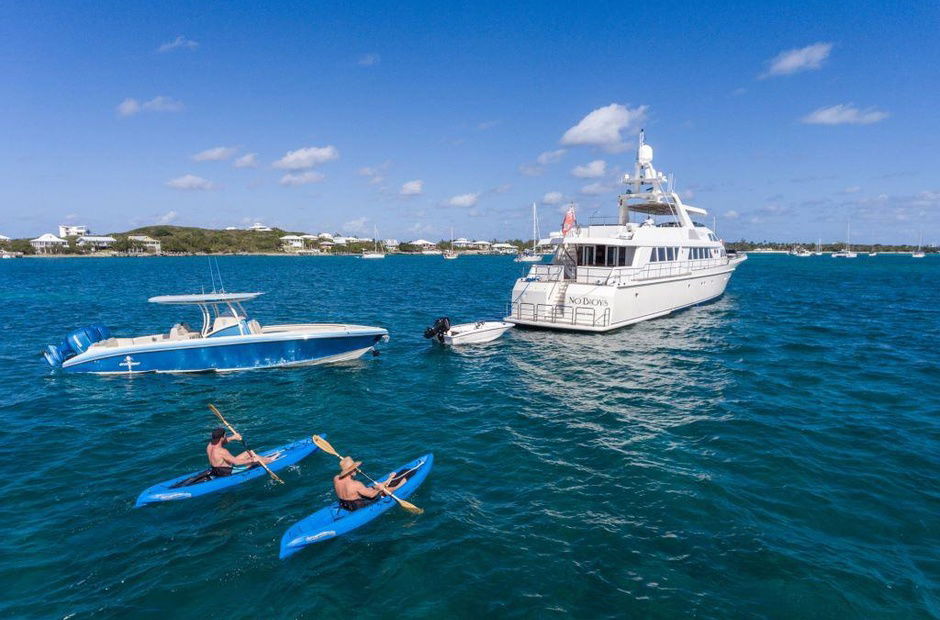
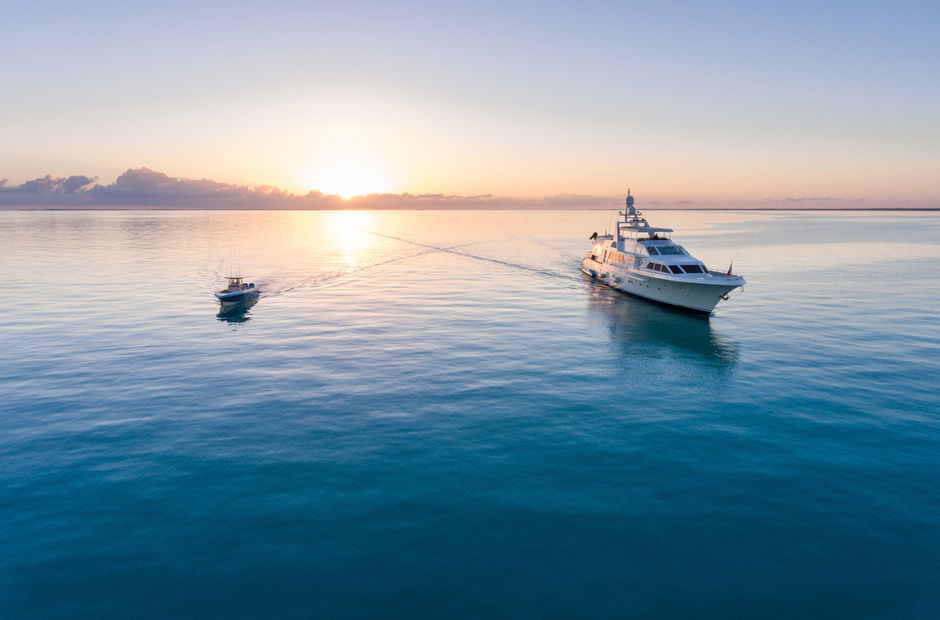
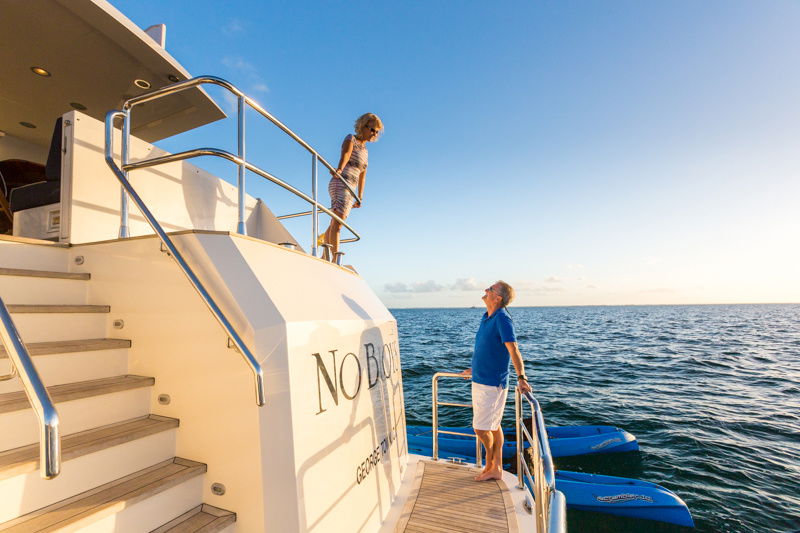
The 1985 Abeking & Rasmussen Sea Class is the kind of yacht that catches your eye for all the right reasons. It has the clas...
Discover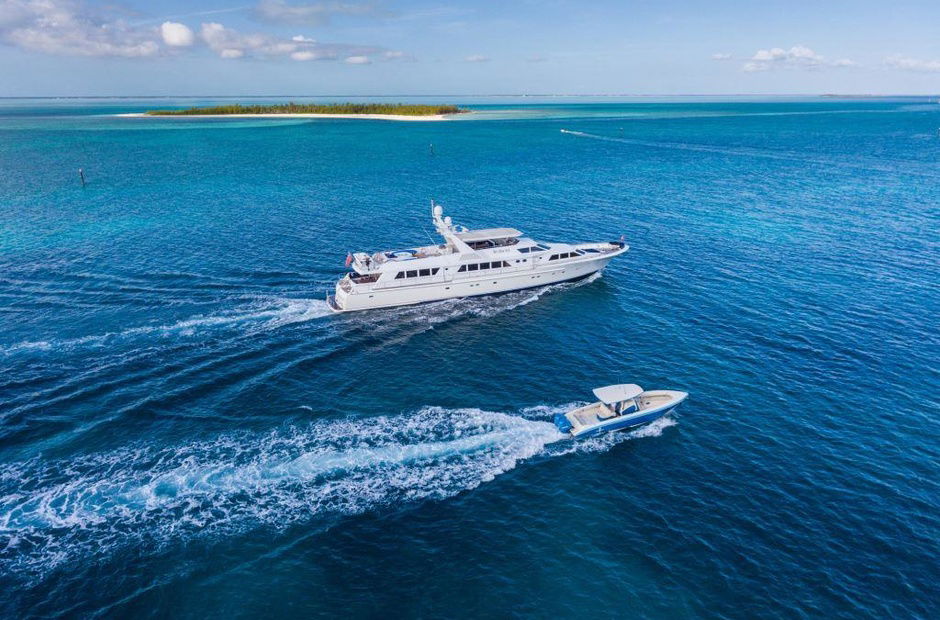
Images have been gathered from various sources and belong to their respective owners.
Review - Abeking & Rasmussen Sea Class

MarineBroker
01/18/2024, 3:04 PM
1985 Abeking & Rasmussen Sea Class: What Owners Should Know Before Buying, Restoring, or Maintaining One
The 1985 Abeking & Rasmussen Sea Class is the kind of yacht that catches your eye for all the right reasons. It has the classic lines, solid German build quality, and that unmistakable feeling of a vessel designed with care rather than flash. For boating enthusiasts, especially those drawn to older luxury yachts, it represents more than just a boat — it’s a piece of maritime craftsmanship.
But owning or considering a yacht like this also comes with a common challenge: how do you tell whether you’re looking at a well-kept classic or a beautiful project with hidden costs? That’s the real issue for many buyers, current owners, and even brokers. With an older yacht, the hull may still be strong, but systems, wiring, machinery, and finishes can tell a different story.
The good news is that with the right approach, the 1985 Abeking & Rasmussen Sea Class can still be a rewarding and practical yacht to own. If you know what to inspect, what to budget for, and how to prioritize maintenance, you can make smarter decisions and avoid expensive surprises. Let’s walk through what matters most.
- What Makes the 1985 Abeking & Rasmussen Sea Class Stand Out
Abeking & Rasmussen has long been associated with quality yacht construction, and that reputation still matters today. A 1985 Sea Class yacht typically reflects an era when craftsmanship, durability, and seaworthiness were major priorities.
Many boats from this period were built with heavier materials and traditional methods compared with modern production yachts. That often means a more solid feel underway, good long-term structural integrity, and a timeless design that still turns heads in the marina.
For buyers and owners, this creates a simple reality: the boat may be old, but it doesn’t have to feel outdated if it has been properly maintained.
Key traits often appreciated in yachts like the 1985 Sea Class include:
- Strong construction and classic design
- Comfortable cruising layout
- Good offshore capability, depending on configuration and condition
- High-end materials and finishes for the era
- Long service life when maintained correctly
The challenge is that age affects more than appearance. Even the best-built yacht will eventually need attention in areas like engines, plumbing, electrical systems, deck hardware, and interior joinery.
- The Main Problem: Hidden Maintenance Costs and Aging Systems
If you’re interested in a 1985 Abeking & Rasmussen Sea Class, the biggest problem is usually not the boat’s age alone. It’s the uncertainty that comes with it.
An older yacht can look clean and polished on the surface while still hiding issues below deck. That’s especially true if the vessel has changed hands several times or hasn’t had a consistent maintenance history.
Common trouble spots include:
- Outdated electrical wiring
- Original plumbing or fuel lines
- Aging engines or generators
- Moisture intrusion in decks or windows
- Worn steering and mechanical components
- Interior materials that need restoration
- Corrosion in metal fittings and fasteners
This is where many buyers get caught off guard. A boat like this may appear affordable compared with newer yachts, but the real cost often shows up after purchase.
That doesn’t mean you should avoid it. It means you should inspect it like a serious buyer, not just admire it like a dream boat.
- How to Evaluate a 1985 Abeking & Rasmussen Sea Class Before You Commit
The best way to solve the uncertainty problem is to slow down and inspect the yacht methodically. A proper evaluation can save you thousands and help you decide whether the boat is a good fit for your goals.
Start with the basics:
- Review maintenance records
- Check ownership history
- Ask about major refits and upgrades
- Confirm engine hours and service intervals
- Look for evidence of regular haul-outs and surveys
A well-documented older yacht is usually much easier to trust than one with a vague history.
Then move into a physical inspection. Even if the boat looks beautiful in photos, you want to focus on the areas that matter most for safety and long-term value.
- Hull and structure
- Deck condition
- Moisture levels around windows and hatches
- Engine room cleanliness and access
- Signs of corrosion or previous repairs
- Condition of tanks, hoses, and clamps
If possible, hire a marine surveyor who has experience with classic yachts or older European builds. That expertise matters. A general survey is useful, but a specialist is more likely to spot age-related issues that others miss.
- Why a Full Survey Matters More on Older Yachts
For a 1985 Abeking & Rasmussen Sea Class, a survey is not optional in any serious purchase decision. It’s the clearest way to understand what you’re really buying.
Older yachts often have been repaired, upgraded, or modified over the years. Some of those changes are excellent. Others may have been done quickly or without proper standards.
A full survey should ideally include:
- Hull and moisture inspection
- Engine and mechanical assessment
- Electrical system review
- Safety equipment check
- Sea trial
- Rigging or propulsion review, depending on configuration
- Interior and systems condition report
The sea trial is especially important. A boat can sit quietly at the dock and still have issues that only show up under load, at speed, or in rougher conditions.
Look for:
- Smooth engine startup
- Stable cooling performance
- Proper steering response
- No unusual vibration
- Clean exhaust behavior
- Reliable shifting and throttle control
If anything feels off, it’s worth investigating before you move forward.
- The Most Common Refitting Priorities
Many owners of classic yachts eventually face the same question: what should be repaired first?
The answer is to focus on safety, reliability, and water intrusion before cosmetics. It’s tempting to start with upholstery or varnish because those changes are visible and satisfying. But a smart refit starts deeper.
Priority areas usually include:
1. Mechanical systems
- Engines
- Generators
- Shafting or drive systems
- Cooling components
- Fuel system components
2. Electrical systems
- Wiring
- Panels
- Batteries
- Chargers and inverters
- Navigation electronics
3. Water intrusion
- Window seals
- Deck fittings
- Hatches
- Chainplates or structural penetrations
4. Plumbing and tanks
- Freshwater systems
- Waste systems
- Bilge pumps
- Fuel tanks and hoses
5. Safety equipment
- Fire suppression
- Liferaft
- EPIRB
- Flares
- Life jackets and alarms
Once those items are handled, you can turn to the visible upgrades that make the yacht more enjoyable and easier to live with.
- How to Budget Realistically for Ownership
One of the smartest things you can do with a 1985 Abeking & Rasmussen Sea Class is build a realistic budget before buying. Older luxury yachts often cost less upfront than newer ones, but ownership can be very different from the purchase price.
A useful rule is to separate costs into four buckets:
- Acquisition cost
- Immediate repair or refit costs
- Annual maintenance
- Unexpected reserve fund
That reserve fund matters a lot. On an older yacht, surprises are normal. A pump fails, a hose cracks, a fitting leaks, or a system needs replacing earlier than expected.
To stay comfortable, many experienced owners keep a dedicated contingency budget for:
- Unplanned mechanical repairs
- Haul-out and yard time
- Electronics replacement
- Cosmetic restoration
- Emergency service calls
If you’re buying a classic yacht for the first time, it’s better to overestimate costs than to be caught short after closing.
- The Best Solution: Buy for Condition, Not Just Nameplate
The real solution to owning a 1985 Abeking & Rasmussen Sea Class successfully is simple: buy the condition, not just the brand.
The name Abeking & Rasmussen carries weight for good reason, but the individual yacht in front of you matters more than the pedigree on paper. A neglected example can become a money pit. A well-maintained example can be a fantastic long-term vessel.
When comparing boats, ask yourself:
- Which yacht has the best maintenance history?
- Which one has already had the expensive upgrades done?
- Which one has the cleanest systems and structure?
- Which one fits my cruising plans without major changes?
This mindset helps you avoid falling in love with the wrong boat.
It also gives you a clearer path forward if you already own one. Instead of trying to restore everything at once, focus on preserving the boat’s strengths and fixing the items that affect reliability most.
- Practical Maintenance Tips for Owners
If you already own a 1985 Abeking & Rasmussen Sea Class, consistent maintenance is the key to keeping it enjoyable and seaworthy.
Here are some practical habits that make a big difference:
- Run systems regularly, even in the off-season
- Inspect hoses, clamps, and seals every few months
- Keep bilges dry and clean
- Track engine hours and service dates
- Wash and protect metal fittings to reduce corrosion
- Check battery health and charging performance
- Ventilate interior spaces to reduce moisture buildup
- Address small leaks immediately
Small problems on an older yacht tend to become big problems if ignored. A little routine care goes a long way.
It also helps to maintain a simple logbook. Record repairs, parts replaced, and service dates. That makes future troubleshooting easier and improves resale value if you ever decide to sell.
- Restoration vs. Preservation: Which Approach Is Better?
This is a question many classic yacht owners face. Should you restore the boat to near-original condition, or preserve it with thoughtful upgrades?
The answer depends on your goals.
If you love classic styling and want authenticity, preservation may be the better route. That means keeping original character while quietly improving reliability and safety behind the scenes.
If the yacht needs major work or you want a more modern cruising experience, a restoration may make more sense. In that case, focus on upgrades that improve usability without stripping away the yacht’s identity.
A balanced approach often works best:
- Preserve original woodwork where possible
- Upgrade hidden systems for safety and reliability
- Modernize navigation and communications
- Refresh upholstery and soft goods carefully
- Keep the classic look intact
This way, the yacht still feels like a 1985 Abeking & Rasmussen Sea Class, but it performs more like a boat you can confidently use today.
- What Buyers Often Overlook
A lot of people focus on the glamorous parts of an older yacht — the teak, the salon, the exterior profile. Those things matter, but they’re not the whole story.
Some of the most overlooked issues are:
- Access to machinery for future servicing
- Availability of replacement parts
- Quality of previous repairs
- Hidden moisture damage
- Compatibility of old and new systems
- Insurance and survey requirements
Access is a big one. If the engines or key systems are hard to reach, even simple maintenance becomes expensive and frustrating. That affects the boat’s long-term practicality more than many people realize.
Parts availability is another concern. Some components may no longer be produced, which means owners need to source alternatives or work with specialized yards and suppliers.
- When the 1985 Abeking & Rasmussen Sea Class Makes the Most Sense
This yacht is a strong fit for people who appreciate classic craftsmanship and are willing to take a thoughtful, hands-on ownership approach.
It may be right for you if:
- You value build quality over trendiness
- You enjoy maintaining and improving a classic yacht
- You want a vessel with character and history
- You’re comfortable budgeting for ongoing upkeep
- You plan to work with knowledgeable marine professionals
It may be less ideal if you want a low-maintenance, turn-key boat with minimal upkeep. Older yachts can absolutely be rewarding, but they ask more from the owner.
That’s not a downside if you know what to expect. In fact, many owners find that the relationship with a classic yacht feels more personal and satisfying than owning a newer production boat.
- Conclusion
The 1985 Abeking & Rasmussen Sea Class remains appealing because it combines classic design, serious craftsmanship, and the kind of presence that never really goes out of style. The main challenge is not whether the yacht is worth considering, but whether it has been cared for in a way that makes ownership practical.
The smartest solution is to evaluate condition carefully, survey thoroughly, and budget with realism. Focus on systems, structure, and maintenance history before cosmetics. If you do that, you’ll be in a much better position to enjoy the yacht instead of constantly chasing repairs.
For buyers and owners alike, this kind of boat rewards patience and good judgment. If you’re exploring one now, take your time, ask detailed questions, and lean on experienced marine professionals when needed.
Specifications
General
Boat Type: Power Boats
Class Type: Mega Yacht
Specifications
Length: 139.11
Beam: 22.97
Draft: 7.22
Hull Material: Aluminium
Build
First Built: 1985
Propulsion
Fuel Type: Diesel
Engines: 2
Power: 1653 HP
Brand: MTU
Accomodation
Cabins: 6
PROS & CONS
What we appreciated
 Classic and timeless design with high-quality craftsmanshipRobust and durable construction using premium materialsSpacious and comfortable interior layout for extended cruisingExcellent sailing performance and seaworthinessStrong resale value due to brand reputation and build quality
What we didn’t appreciate
 Older vessel may require significant maintenance and upkeepLimited modern amenities compared to newer yachtsPotentially higher operating costs due to age and parts availabilityHeavier displacement can affect speed and fuel efficiencyOutdated navigation and onboard technology unless upgraded
Upkeep Costs
Annual maintenance: $10,000 - $20,000
Fuel: $5,000 - $15,000 per year depending on usage
Insurance: $5,000 - $12,000 per year
Mooring/Storage fees: $6,000 - $15,000 per year
Crew salaries (if applicable): $30,000 - $100,000 per year
Rating
6.6
User
Score
Score
Driveability
Technology
Interior
Design
Similar Boats


MarineBroker
Download now for an immersive boat experience like never before! ⛵✨ Your journey begins with a simple click. 🌊📲
#SetSailSmart #DownloadNow
#SetSailSmart #DownloadNow

Subscribe
Copyright 2017 - 2026, Marinebroker.net, All Rights Reserved