2004 Amels Ilona: What Buyers Should Know Before Exploring This Classic Superyacht
If you’ve been looking into the 2004 Amels Ilona, you’re probably already past the “just browsing” stage. At this point, most people aren’t asking...
Discover
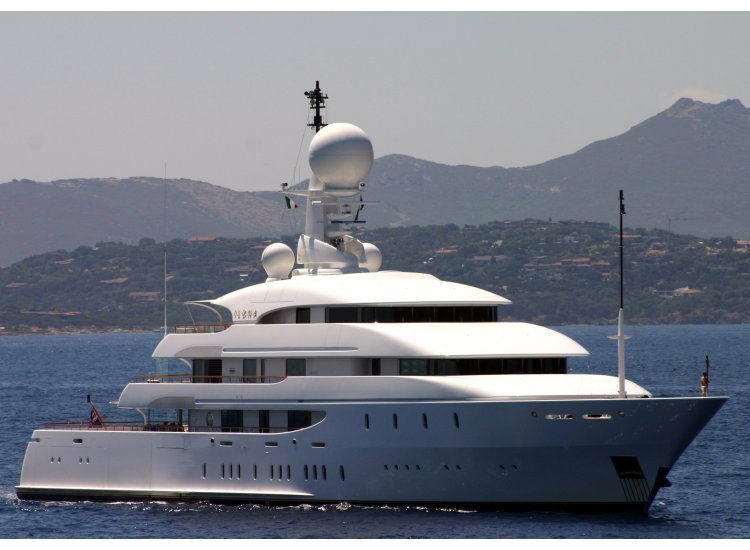
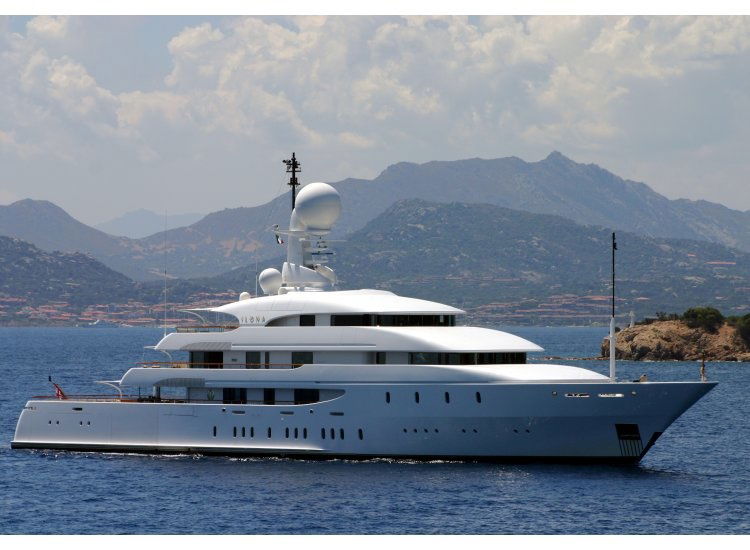
Images have been gathered from various sources and belong to their respective owners.
Review - Amels Ilona

MarineBroker
03/13/2024, 6:09 AM
2004 Amels Ilona: What Buyers Should Know Before Exploring This Classic Superyacht
If you’ve been looking into the 2004 Amels Ilona, you’re probably already past the “just browsing” stage. At this point, most people aren’t asking whether a yacht like this is impressive — they’re asking the more practical questions: Is it a smart purchase? What should I watch out for? How do I know if it’s the right fit for my cruising plans, crew setup, and long-term ownership goals?
That’s the real challenge with a yacht of this caliber. A vessel like the 2004 Amels Ilona can offer exceptional craftsmanship, pedigree, and comfort, but those strengths only matter if the yacht also matches your actual needs. Without a clear evaluation process, it’s easy to get distracted by styling, reputation, or size alone. The better approach is to look at the yacht through a buyer’s lens: condition, maintenance history, operational costs, layout, and how well it supports your intended use.
In this article, we’ll break down what makes a yacht like 2004 Amels Ilona worth studying, the common concerns buyers should consider, and the practical steps that help you decide with confidence.
- Why the 2004 Amels Ilona stands out
Amels has long been associated with solid Dutch build quality, strong engineering, and a reputation for producing yachts designed for serious cruising. That matters because the value of a superyacht is not just in how it looks at the dock, but in how it performs after years of use.
A yacht from 2004 sits in an interesting sweet spot. It’s not new, so it may offer a more approachable entry point than a brand-new build, but it’s also modern enough to have many features that remain relevant today. For many buyers, that balance is appealing.
What tends to draw attention to a yacht like the 2004 Amels Ilona is the combination of:
- Established shipyard credibility
- Proven design and engineering
- Potentially spacious accommodations
- A layout intended for real-world cruising
- A classic superyacht profile that still feels current
But with an older yacht, the question is never only “what was built?” It’s also “how well has it been maintained?” That’s where informed buyers separate themselves from impulse buyers.
- The main problem buyers face with older superyachts
The biggest issue people run into with yachts like the 2004 Amels Ilona is not finding information — it’s interpreting it correctly.
A superyacht can look excellent in photos, have a strong reputation, and still hide expensive maintenance needs. On the other hand, a well-kept older yacht may be far better value than a newer but poorly managed one. The problem is that surface-level appeal rarely tells the full story.
Common buyer concerns include:
- Unclear refit or upgrade history
- Wear on mechanical systems
- Outdated onboard technology
- Higher operating costs than expected
- Crew requirements and management complexity
- Hidden compliance issues
- Uncertainty about resale value
In other words, the challenge is not just choosing a yacht. It’s choosing a yacht that won’t become a time-consuming, expensive project after purchase.
- What to evaluate first on the 2004 Amels Ilona
Before getting excited about layout or finishes, start with the fundamentals. A yacht’s true value is often found below the surface.
Focus on these core areas:
- Hull and structural condition
- Main engines and generator hours
- Maintenance records
- Refit history
- Electrical and plumbing systems
- Stabilizers and navigation equipment
- Interior condition and wear
- Safety and compliance documentation
A detailed survey is essential. Even if the yacht appears to be in excellent shape, a professional marine survey can uncover issues that are not visible during a casual walkthrough.
For a yacht like the 2004 Amels Ilona, a strong paper trail can be just as important as the physical condition. Regular servicing, documented upgrades, and recent technical work often tell you more than polished upholstery ever will.
- Why maintenance history matters more than age alone
A lot of buyers focus too much on the build year. While age matters, it doesn’t tell the whole story.
A 2004 yacht that has been carefully maintained, upgraded, and stored properly can be a better option than a much newer yacht that has been neglected. The difference usually shows up in the systems:
- Engines that have been serviced on schedule
- Generators with consistent upkeep
- HVAC systems that have been repaired or updated
- Electronics that have been refreshed
- Paint and exterior finishes that have been protected
- Interior materials that have been preserved rather than patched
This is especially relevant when considering the 2004 Amels Ilona, because a yacht of this size and pedigree is built to last, but only if the owner has invested in the right upkeep.
A good rule of thumb: if the maintenance records are vague, incomplete, or inconsistent, treat that as a warning sign. Even a beautiful yacht can become costly if the service history is weak.
- How to assess whether the layout fits your lifestyle
One of the most overlooked parts of buying a superyacht is layout fit. A yacht may be technically sound, but still not suit the way you actually plan to use it.
Ask yourself:
- Will this be a private family yacht or a charter-capable vessel?
- How many guests do you usually host?
- Do you need a strong separation between guest and crew areas?
- Will you spend long periods onboard?
- Do you want a yacht that supports entertaining, relaxing, or expedition-style cruising?
The 2004 Amels Ilona may appeal to buyers who value classic superyacht comfort and a well-proportioned onboard experience. But the real question is whether the cabins, salon spaces, exterior decks, and crew flow match your routine.
For example, a family that cruises for extended periods may prioritize storage, privacy, and practical daily living. A buyer focused on entertaining may care more about deck spaces, dining areas, and guest circulation. The “best” yacht is the one that fits your habits, not just your taste.
- The hidden cost side of ownership
A yacht purchase price is only part of the equation. For many buyers, the surprise comes later, when annual operating costs begin to add up.
Typical ownership costs can include:
- Crew salaries
- Dockage and berthing
- Fuel
- Insurance
- Routine maintenance
- Unplanned repairs
- Classification and compliance work
- Refit budgeting
- Provisioning and cleaning
Older yachts can be especially sensitive to deferred maintenance. If a system is nearing the end of its service life, the cost of replacement can be significant.
That’s why a yacht like the 2004 Amels Ilona should be evaluated not only for acquisition price, but also for projected three- to five-year ownership cost. A slightly higher purchase price can actually be the better deal if it comes with a cleaner technical profile and fewer near-term surprises.
- Practical solution: use a step-by-step buyer checklist
If you’re seriously considering a yacht in this category, the best solution is to slow down and use a structured process.
Here’s a practical checklist:
1. Review the yacht’s full specification
- Confirm dimensions, guest capacity, crew accommodations, and major systems.
2. Study the maintenance and refit records
- Look for consistent service intervals and documented upgrades.
3. Request recent survey reports
- If available, these can reveal known issues and recent repairs.
4. Inspect the mechanical spaces
- Cleanliness and organization often reflect how the yacht has been cared for.
5. Evaluate onboard technology
- Navigation, entertainment, and communications systems may need updating.
6. Estimate annual running costs
- Build a realistic budget before making an offer.
7. Plan for future upgrades
- Even a strong yacht may need cosmetic or technical improvements.
8. Hire the right experts
- A marine surveyor, technical advisor, and experienced broker can save you from expensive mistakes.
This process may sound basic, but it’s the most reliable way to turn interest into a sound decision. The 2004 Amels Ilona becomes much easier to evaluate when you treat it as both a lifestyle asset and a technical project.
- What makes a yacht like the 2004 Amels Ilona appealing to the right buyer
Not every yacht is for every buyer. The people who tend to appreciate a yacht like the 2004 Amels Ilona usually value a mix of heritage, comfort, and practical cruising ability.
This type of yacht can appeal to buyers who want:
- A respected shipyard name
- A proven platform rather than a trend-driven design
- Spacious living areas
- A yacht with presence and character
- The potential for customization through refit
- Solid long-range cruising capability
This is the kind of yacht that often suits experienced owners who understand that ownership is about more than first impressions. They know a well-built yacht can remain highly desirable when maintained properly and updated intelligently.
- Signs the yacht may need extra caution
Even if a yacht looks promising, there are a few red flags that should make you pause.
Watch for:
- Incomplete ownership or service records
- Signs of cosmetic covering up technical issues
- Excessive vibration or unusual engine behavior
- Water intrusion or corrosion
- Outdated safety equipment
- Poorly documented refit work
- Inconsistent interior wear patterns
- Electrical systems that appear improvised or modified without clear records
If any of these show up during a viewing or survey, don’t ignore them. They don’t always mean “walk away,” but they do mean you need deeper inspection and a more conservative budget.
For an older yacht like the 2004 Amels Ilona, due diligence is not optional. It’s the difference between a confident purchase and a costly surprise.
- How to compare it with other yachts in the same class
When comparing yachts in this category, avoid making decisions based only on size or brand name. Instead, compare the whole ownership picture.
Use these comparison points:
- Build quality
- Refit history
- Mechanical condition
- Interior usability
- Crew efficiency
- Fuel consumption
- Maintenance complexity
- Resale potential
A yacht that seems slightly less glamorous on paper may actually be easier to own and more enjoyable in practice. Likewise, a yacht with a stronger pedigree may still require more work than expected.
If you’re comparing the 2004 Amels Ilona to other yachts from the same era, ask which vessel gives you the best combination of condition, layout, and future reliability. That’s usually the smarter question than “Which one looks best?”
- Smart next steps before making an offer
Once you’ve narrowed your interest, keep the process disciplined.
Before making an offer, you should:
- Review all available documentation
- Conduct a full technical survey
- Sea trial the yacht under realistic conditions
- Verify compliance and registration details
- Estimate refit and upkeep costs
- Confirm insurance expectations
- Speak with a captain or engineer if possible
This is also the stage where emotional decisions can become expensive. If the yacht feels right but the numbers don’t, step back and reassess. The right yacht should make sense both practically and financially.
The 2004 Amels Ilona may be a strong candidate for buyers who want a capable, pedigree-driven yacht with real cruising appeal. But the final decision should always be based on evidence, not just admiration.
- Conclusion
The 2004 Amels Ilona is the kind of yacht that can attract serious interest for good reason: proven shipyard quality, classic superyacht appeal, and the potential for comfortable cruising. But the smartest buyers know that age, reputation, and appearance are only part of the story. The real key is understanding maintenance history, technical condition, layout fit, and long-term ownership costs.
If you’re evaluating this yacht or one like it, take a structured approach and lean on professional inspections. That way, you’re not just buying a name — you’re choosing a yacht that fits your plans and performs the way you expect. If you want to keep learning, explore more guides on yacht surveys, refit planning, and ownership budgeting before making your next move.
Specifications
General
Boat Type: Power Boats
Class Type: Mega Yacht
Specifications
Length: 241.8
Beam: 39.7
Draft: 11.81
Hull Material: Steel
Build
First Built: 2004
Propulsion
Fuel Type: Diesel
Engines: 2
Power: 2635 HP
Brand: Caterpillar
Accomodation
Cabins: 8
PROS & CONS
What we appreciated
 Classic and elegant design with timeless appealSolid construction and high-quality materials typical of Amels craftsmanshipSpacious interior layout offering comfortable accommodationsReliable performance and seaworthiness for long voyagesGood resale value due to brand reputation and build quality
What we didn’t appreciate
 Older build year may require more maintenance and updatesFuel efficiency may not match modern yacht designsLimited availability of original replacement partsTechnology and onboard systems may be outdated compared to newer modelsPotentially higher operating costs due to age and size
Upkeep Costs
Annual maintenance and repairs: $30,000 - $50,000
Crew salaries (if applicable): $150,000 - $300,000 per year
Dockage and marina fees: $20,000 - $60,000 per year
Fuel costs: $40,000 - $80,000 per year depending on usage
Insurance: $15,000 - $30,000 per year
Rating
7.8
User
Score
Score
Driveability
Technology
Interior
Design
Similar Boats


MarineBroker
Download now for an immersive boat experience like never before! ⛵✨ Your journey begins with a simple click. 🌊📲
#SetSailSmart #DownloadNow
#SetSailSmart #DownloadNow

Subscribe
Copyright 2017 - 2026, Marinebroker.net, All Rights Reserved