Boat Database » Australian Yacht Builders Islander
Australian Yacht Builders Islander
Inboard Direct-Drive, Diesel, 2x 2330 HP
Power Boats 1991 Australian Yacht Builders Islander: What to Check, Fix, and Enjoy on a Classic Cruiser
If you’ve been looking at a 1991 Australian Yacht Builders Islander, you’re probably already drawn to the same things most sailors are: s...
Discover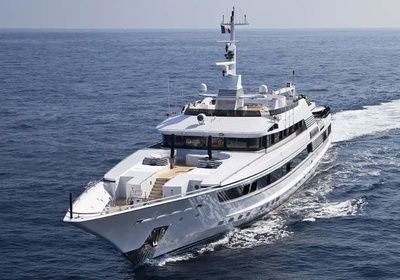


Images have been gathered from various sources and belong to their respective owners.
Review - Australian Yacht Builders Islander

MarineBroker
06/24/2024, 10:02 AM
1991 Australian Yacht Builders Islander: What to Check, Fix, and Enjoy on a Classic Cruiser
If you’ve been looking at a 1991 Australian Yacht Builders Islander, you’re probably already drawn to the same things most sailors are: solid build quality, practical cruising layout, and that old-school feel that newer production boats often miss. But with any yacht from the early ’90s, the real question isn’t just “Is it a good boat?” It’s “What should I watch out for before I buy, refit, or head offshore?”
That’s the challenge with classic yachts like the 1991 Australian Yacht Builders Islander. Age brings character, but it also brings hidden maintenance issues, worn gear, and the occasional surprise that can turn a promising purchase into a costly project. The good news is that most of the common problems are predictable once you know where to look.
In this guide, we’ll walk through the key things to inspect, the most common issues owners run into, and the practical fixes that make this yacht a reliable and enjoyable cruiser again. Whether you’re shopping, restoring, or simply learning more, this will help you make smarter decisions with less guesswork.
- Why the 1991 Australian Yacht Builders Islander Still Gets Attention
The 1991 Australian Yacht Builders Islander sits in that sweet spot between traditional cruising comfort and straightforward construction. Boats from this era were often built with an emphasis on offshore usability, decent interior space, and manageable sailing systems rather than flashy features.
For many buyers, that’s exactly the appeal. A well-kept Islander can offer:
- A comfortable liveaboard or weekend cruising layout
- Strong sailing manners in coastal conditions
- Repairable systems that are usually less complicated than modern boats
- A classic design that still feels practical today
The catch is that older yachts reward careful ownership. If maintenance has been patchy, even a good design can become expensive to bring back into shape. That’s why understanding the boat’s likely weak points matters just as much as admiring its strengths.
- The Main Problem: Age-Related Wear Hidden Under a Solid Exterior
When people search for the 1991 Australian Yacht Builders Islander, they’re often trying to answer one of three questions:
- Is this boat seaworthy?
- What repairs should I expect?
- How much work will it need after purchase?
Those are the right questions to ask.
The biggest issue with older yachts isn’t always obvious damage. It’s the slow, creeping wear that builds up over decades:
- Moisture intrusion around fittings
- Tired standing and running rigging
- Aging engine and fuel systems
- Old hoses, wiring, and seacocks
- Soft spots in decks or around chainplates
- Cosmetic wear that may hide structural concerns
The solution is not to fear the boat, but to inspect it methodically. A classic yacht like this can be a great platform if you know how to separate normal age-related maintenance from serious red flags.
- What to Inspect First on a 1991 Australian Yacht Builders Islander
Before you get excited about sails, cushions, or a shiny hull, start with the fundamentals. These are the areas that most affect safety, reliability, and budget.
- Hull and deck condition
Look closely for signs of blistering, cracking, repairs, or delamination. Pay special attention to deck fittings, stanchions, winches, and hatches, since leaks often start there.
What to check:
- Soft spots when walking the deck
- Stress cracks around high-load areas
- Water staining in lockers or under berths
- Evidence of old repairs or mismatched gelcoat
A dry, solid deck is a very good sign. If the deck feels spongy, it may mean water has entered the core, which can be a bigger job than it first appears.
- Keel and rudder area
The keel joint and rudder are critical inspection points on any older cruiser. Check for movement, corrosion, fairing issues, or impact damage.
What to look for:
- Rust streaks or signs of keel bolt corrosion
- Gaps or cracking at the keel-to-hull joint
- Rudder play or stiffness
- Water intrusion around the rudder stock
If the boat has grounding history, ask for details. Even minor groundings can create alignment issues or hidden damage.
- Engine and propulsion system
A 1991 yacht may still have its original engine or a later replacement. Either way, engine condition matters a lot more than age alone.
Inspect:
- Oil and coolant condition
- Starting behavior when cold
- Smoke on startup or under load
- Belt wear and hose condition
- Shaft alignment and stuffing box or seal condition
A clean, regularly serviced engine is worth a lot. A neglected engine can quickly eat into your budget, especially if parts are hard to source.
- Common Issues Owners Encounter
Most owners of older cruising yachts run into similar problems, and the 1991 Australian Yacht Builders Islander is no exception. The good news is that many of these issues are manageable if caught early.
- Leaks around deck hardware
This is one of the most common problems on older sailboats. Over time, bedding compounds fail and water sneaks into the deck laminate or core.
Typical leak points:
- Chainplates
- Winches
- Cleats
- Hatches
- Mast step areas
- Portlights and windows
Fixing leaks early is far cheaper than repairing water-damaged structure later. Re-bedding fittings is tedious, but it’s one of the best investments you can make in an older yacht.
- Aging rigging
Standing rigging doesn’t last forever, even if it looks fine from a distance. If you don’t know when it was last replaced, assume it needs inspection at minimum.
Watch for:
- Broken wire strands
- Corrosion at terminals
- Bent or worn turnbuckles
- Rust at chainplate exits
- Tired masthead fittings
For many owners, replacing standing rigging is part of the “baseline refit” after purchase. It’s not glamorous, but it’s a major safety item.
- Electrical gremlins
Older boats often have a mix of original wiring and later additions. That can lead to messy circuits, poor grounding, and unreliable charging.
Common symptoms include:
- Lights that flicker
- Corroded terminals
- Inconsistent battery charging
- Non-functioning instruments
- Loose or unlabeled wiring
A proper electrical clean-up can transform the boat’s reliability. Even simple upgrades like new switch panels, fused circuits, and fresh battery cables make a big difference.
- Interior moisture and ventilation issues
Classic cruisers can trap moisture, especially if they’ve sat unused. That leads to mildew, musty smells, and degraded upholstery or timber trim.
What helps:
- Better ventilation
- Dry storage habits
- Dehumidifiers when docked
- Inspection of bilges and hidden compartments
- Repairing leaks before they spread
Moisture is often more about neglect than design. A well-ventilated boat stays healthier and feels much more inviting.
- How to Judge Whether the Boat Is a Good Buy
Not every older yacht is a bargain, and not every project is worth taking on. The key is to compare the asking price with the likely refit cost.
A good candidate usually has:
- A dry hull and deck
- A sound engine or a realistic engine replacement plan
- Recent rigging or evidence of proper maintenance
- Functional sails, even if not new
- Clean ownership history and service records
A risky candidate often shows:
- Multiple unresolved leaks
- Unknown rigging age
- Engine issues plus electrical problems
- Heavy cosmetic neglect
- Signs of structural repairs without documentation
If several major systems need work at once, the “cheap” boat can become the expensive one very quickly.
- A Practical Inspection Checklist for Buyers
If you’re viewing a 1991 Australian Yacht Builders Islander in person, use a simple checklist so you don’t miss the important stuff.
- Exterior
- Check hull for blisters, cracks, or repairs
- Inspect keel joint and rudder
- Look at stanchions, pulpits, and lifelines
- Examine deck fittings for leaks or movement
- Review hatch seals and portlights
- Rigging and sails
- Ask for rigging age and service history
- Inspect chainplates and terminals
- Check halyards, sheets, and winches
- Examine sail condition, stitching, and UV covers
- Engine and systems
- Start the engine cold if possible
- Check cooling water flow and exhaust smoke
- Inspect fuel lines, filters, and tanks
- Test navigation lights and bilge pumps
- Look at battery age and charging setup
- Interior
- Smell for mold or fuel odors
- Check bilges for standing water
- Open lockers and inspect hidden corners
- Look for soft timber, staining, or delamination
- Test plumbing, pumps, and heads if fitted
This kind of inspection doesn’t replace a professional survey, but it helps you spot obvious trouble before you spend money.
- Smart Fixes That Add the Most Value
If you do end up with a 1991 Australian Yacht Builders Islander, focus first on the repairs that improve safety and confidence. Cosmetic upgrades can wait.
Best value repairs usually include:
- Re-bedding all leaking deck hardware
- Replacing old standing rigging
- Servicing or repowering the engine if needed
- Updating the electrical system
- Replacing hoses, clamps, and seacocks
- Improving ventilation and moisture control
These jobs may not be exciting, but they make the boat more dependable and easier to enjoy. A classic yacht feels very different when the basics are solid.
- Why a Survey Matters More Than a Guess
It’s tempting to rely on gut feeling, especially if the boat “looks good.” But with an older yacht, appearance can be misleading.
A marine survey helps identify:
- Structural issues
- Moisture intrusion
- Outdated safety gear
- Engine concerns
- Insurance-related deficiencies
For a boat like the 1991 Australian Yacht Builders Islander, a survey is especially useful if the boat has had multiple owners or incomplete records. Even a decent survey can save you from buying a boat with hidden problems that are far more expensive than the survey itself.
- Making the Islander Comfortable for Real-World Cruising
One of the nice things about a classic yacht is that you can tailor it to the kind of sailing you actually do. You don’t need to modernize everything at once.
Useful improvements for cruising comfort:
- Better cabin lighting
- More efficient ventilation
- Upgraded battery capacity
- Reliable charging from shore, alternator, or solar
- Fresh upholstery and mattress foam
- Practical storage solutions
- Easy-to-read instruments
These changes improve day-to-day use without stripping away the boat’s character. That’s often the best way to approach an older cruiser: preserve what works, improve what matters.
- The Bottom Line on Ownership
Owning a 1991 Australian Yacht Builders Islander is really about balancing charm with maintenance. If the boat has been cared for, it can still be a very satisfying cruiser with plenty of life left in it.
The real trick is not expecting perfection. Instead, look for a solid platform, budget realistically, and tackle the important systems first. That approach turns an aging yacht from a worry into a rewarding project.
If you’re patient and methodical, this kind of boat can give you exactly what many sailors want: dependable cruising, classic character, and the satisfaction of owning something with a real story behind it.
- Conclusion
The 1991 Australian Yacht Builders Islander can be a great choice for sailors who appreciate classic design and practical cruising potential, but only if you approach it with clear eyes. The biggest challenges usually come from age-related wear, especially in rigging, deck fittings, electrical systems, and moisture control. The good news is that most of these issues are manageable with careful inspection and smart refit priorities.
If you’re considering one, focus on the fundamentals first: structure, rigging, engine, and leaks. Once those are sound, the rest becomes much easier to enjoy. A well-maintained Islander can still be a capable, comfortable yacht worth the effort. For anyone serious about buying or restoring one, a survey and a detailed maintenance plan are the best next steps.
Specifications
General
Boat Type: Power Boats
Class Type: Mega Yacht
Specifications
Length: 191.93
Beam: 35.76
Draft: 6.89
Hull Material: Steel
Build
First Built: 1991
Propulsion
Fuel Type: Diesel
Engines: 2
Power: 2330 HP
Brand: MTU
Accomodation
Cabins: 5
PROS & CONS
What we appreciated
 Solid construction typical of Australian Yacht BuildersClassic Islander design known for good sailing performanceSpacious interior for a boat of its sizeGood resale value among vintage yacht enthusiastsRobust rigging and deck hardware
What we didn’t appreciate
 Older model may require updates to electrical and plumbing systemsPotential for wear and tear on original sails and riggingOutdated navigation and onboard electronicsLimited availability of replacement parts specific to this modelHeavier weight compared to modern fiberglass yachts affecting speed
Upkeep Costs
Insurance: $1,000 - $2,000 per year
Maintenance and Repairs: $1,000 - $3,000 per year
Docking and Storage: $1,200 - $3,600 per year
Fuel: $500 - $1,500 per year
Registration and Licensing: $100 - $300 per year

Rating
5.9
User
Score
Score
Driveability
Technology
Interior
Design
Similar Boats


MarineBroker
Download now for an immersive boat experience like never before! ⛵✨ Your journey begins with a simple click. 🌊📲
#SetSailSmart #DownloadNow
#SetSailSmart #DownloadNow

Subscribe
Copyright 2017 - 2026, Marinebroker.net, All Rights Reserved