2000 Admiral Gitan: What Owners Should Know Before Buying, Restoring, or Maintaining One
If you’ve been searching for information about the 2000 Admiral Gitan, you’re probably trying to answer a few practical questions: Is it a g...
Discover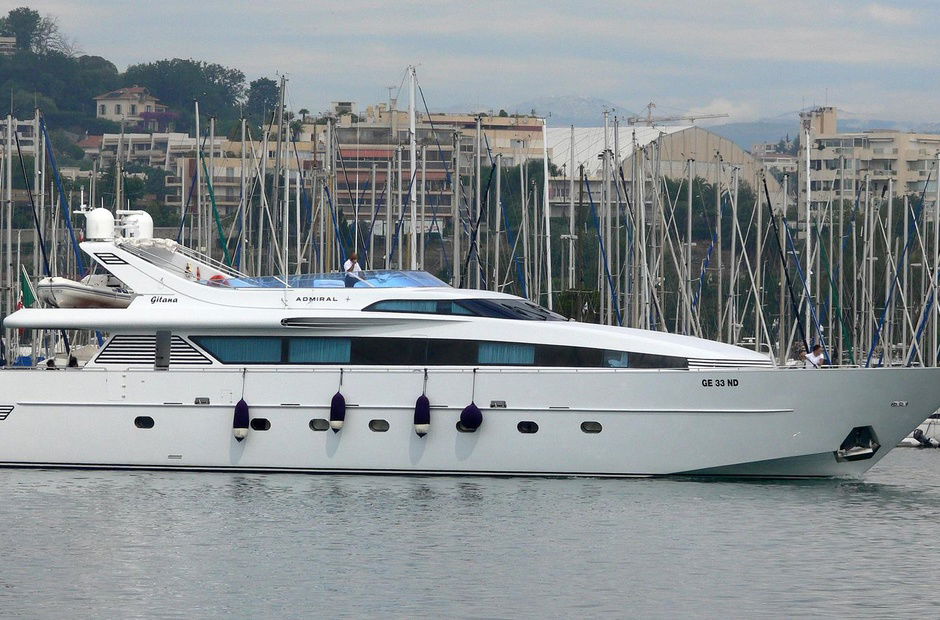

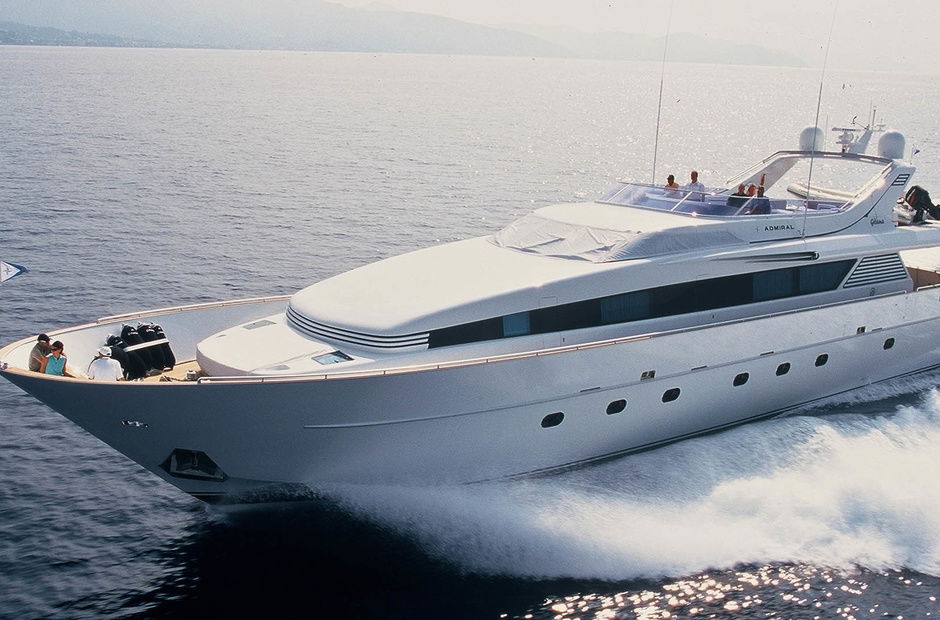

Images have been gathered from various sources and belong to their respective owners.
Review - Admiral Gitan

MarineBroker
01/22/2024, 2:47 AM
2000 Admiral Gitan: What Owners Should Know Before Buying, Restoring, or Maintaining One
If you’ve been searching for information about the 2000 Admiral Gitan, you’re probably trying to answer a few practical questions: Is it a good boat? What should you check before buying? And how do you avoid expensive surprises after the handover?
Those are smart questions. With older boats, the real challenge usually isn’t finding one that looks good in photos. It’s understanding the condition beneath the surface. A boat from this era can still deliver a lot of value, but only if you know what to inspect, what maintenance matters most, and where owners tend to run into trouble.
That’s especially true with a model like the 2000 Admiral Gitan, where the age of the vessel makes careful evaluation more important than brand hype. The good news is that most common issues are manageable when you know what to look for. In this article, we’ll walk through the key pain points buyers and owners face, the checks that matter most, and the practical steps that can help you make a better decision with confidence.
- What Makes the 2000 Admiral Gitan Worth a Closer Look
The 2000 Admiral Gitan sits in the category of boats that often attract people looking for a balance of character, usable space, and value. For many buyers, the appeal is simple: older boats can offer a lot of capability for less money than newer models, especially if they’ve been cared for properly.
But buying an older vessel is never just about the sticker price. The real question is whether the boat has been maintained consistently and whether its systems are still reliable enough for your intended use.
A boat from 2000 may still be perfectly serviceable, but age brings predictable concerns:
- Worn mechanical systems
- Aging electrical components
- Moisture intrusion
- Cosmetic wear that hides deeper issues
- Outdated electronics or safety gear
That’s why the 2000 Admiral Gitan should be evaluated like a project and a purchase at the same time. Even if it looks clean, the condition of the hull, engine, wiring, plumbing, and deck structure will tell you much more than the listing description ever will.
- The Main Problem: Hidden Wear in Older Boats
The biggest issue most people face with an older boat like the 2000 Admiral Gitan is not the obvious stuff. It’s the hidden wear that shows up only after inspection, sea trial, or a few weeks of ownership.
This can be frustrating because a boat may appear ready to go, yet still need significant work. Common examples include:
- Soft spots in the deck
- Corroded wiring connections
- Weak batteries or charging systems
- Engine maintenance gaps
- Leaks around windows, hatches, or fittings
- Aging hoses and clamps
- Fuel system contamination
These problems don’t always mean the boat is a bad buy. They do mean you need a clear plan before committing. A careful inspection can help you separate normal age-related maintenance from expensive structural or mechanical issues.
- How to Inspect a 2000 Admiral Gitan Before You Buy
If you’re considering a 2000 Admiral Gitan, the smartest move is to inspect it like a buyer who expects to find problems. That mindset helps you stay objective and avoid emotional decisions.
Here’s a practical checklist to follow.
- Check the hull and exterior
Start with the hull for visible damage, repairs, or signs of impact. Look closely for:
- Cracks around stress points
- Uneven gelcoat or paint repair
- Blisters or bubbling
- Scrapes near the keel, bow, and stern
- Signs of poor previous repairs
Also inspect through-hulls, cleats, rail bases, and other fittings. If water has been getting in over time, these are common entry points.
- Inspect the deck and cabin structure
Walk the deck slowly and feel for soft areas. Pay special attention around:
- Hatches
- Winches
- Rail mounts
- Stanchions
- Cockpit corners
- Cabin entry points
A spongy deck can indicate water intrusion and core deterioration, which is much more expensive than simple cosmetic wear.
Inside the cabin, check for:
- Stains on ceilings or panels
- Musty odors
- Delamination
- Loose trim
- Water marks around windows and ports
These clues often point to leaks that have been ignored.
- Evaluate the engine and mechanical systems
The engine is usually the biggest cost risk on an older boat. If the 2000 Admiral Gitan has been sitting for long periods, ask for service records and maintenance dates.
Look for:
- Clean oil and coolant
- No major leaks
- Smooth starting
- Stable idle
- Proper exhaust flow
- No unusual vibration or smoke
If possible, do a sea trial. A boat can sound fine at the dock and still show problems under load. Watch for overheating, poor acceleration, or hesitation.
- Review electrical systems
Electrical issues are extremely common in boats of this age. Check:
- Battery age and condition
- Charger and alternator function
- Corrosion on terminals
- Labeling and organization of wiring
- Operation of lights, pumps, and electronics
Messy wiring isn’t always a dealbreaker, but it often signals deferred maintenance. If the wiring looks like a patchwork of old repairs, expect troubleshooting later.
- Look at plumbing and tank systems
Older hoses, pumps, and tanks can create headaches if neglected. Test:
- Freshwater pressure
- Bilge pumps
- Head operation
- Sink drains
- Holding tank function, if applicable
Smells are important here. Persistent fuel, sewage, or mold odors can indicate leaks or poor ventilation.
- Common Ownership Problems and How to Solve Them
Once you own a boat like the 2000 Admiral Gitan, the challenge shifts from buying wisely to keeping it reliable. The good news is that most ownership problems are predictable and manageable.
- Problem: Unexpected repair bills
Older boats often surprise new owners with small issues that add up quickly.
Solution:
Create a first-year maintenance budget before you buy. A good rule of thumb is to reserve money for:
- Engine service
- Impeller replacement
- Battery replacement
- Hose and clamp updates
- Safety equipment
- Minor electrical fixes
Even if the boat seems ready, assume some preventive work will be needed.
- Problem: Water intrusion
Leaks are one of the most common and damaging issues in older boats.
Solution:
Inspect and reseal problem areas regularly. Focus on:
- Deck fittings
- Hatches
- Windows
- Rails
- Cleats
- Fasteners
Use marine-grade sealants and avoid quick fixes that only hide the leak. Catching water intrusion early can prevent structural damage later.
- Problem: Aging systems failing at the wrong time
Old pumps, switches, and hoses often fail when you need them most.
Solution:
Replace critical components proactively rather than waiting for failure. Prioritize:
- Bilge pumps
- Fuel lines
- Raw water hoses
- Battery switches
- Navigation lights
- Fire extinguishers and safety gear
Preventive replacement is often cheaper than emergency repair.
- Problem: Poor fuel efficiency or engine performance
A boat that hasn’t been serviced properly can burn more fuel and run less smoothly.
Solution:
Stick to a regular maintenance schedule, including:
- Fuel filter changes
- Spark plug service, if applicable
- Oil and fluid changes
- Propeller inspection
- Bottom cleaning
- Cooling system checks
Even small issues like a dirty prop or fouled bottom can affect performance more than many owners realize.
- Why a Survey Matters for the 2000 Admiral Gitan
If you’re serious about purchasing, a marine survey is one of the best investments you can make. It helps you see beyond the cosmetic condition and understand the true state of the boat.
A survey can reveal:
- Structural issues
- Hidden moisture
- Engine concerns
- Safety deficiencies
- System failures
- Repair priorities
This is especially important for an older model like the 2000 Admiral Gitan, where condition matters more than age alone. Two boats from the same year can be completely different in value depending on how they were used and maintained.
A survey also gives you leverage. If issues are found, you can:
- Renegotiate the price
- Ask for repairs before closing
- Budget realistically for upgrades
- Walk away if the problems are too large
That kind of clarity is worth a lot.
- Practical Maintenance Tips for Long-Term Reliability
If you already own a 2000 Admiral Gitan, the best way to protect your investment is consistent upkeep. You don’t need to be a professional mechanic to stay ahead of common problems.
- Follow a simple maintenance routine
A seasonal checklist can save you time and money. Include:
- Engine oil and filter changes
- Battery testing
- Bilge cleaning
- Hose inspection
- Safety gear checks
- Exterior washdowns
- Ventilation checks
Keeping notes helps too. A maintenance log makes it easier to track what’s been done and when.
- Keep moisture under control
Moisture is one of the biggest enemies of older boats. Use:
- Ventilation
- Dehumidifiers when stored
- Dry bilges
- Regular leak inspections
- Proper canvas or cover protection
If the boat sits unused for long periods, check it often. Small leaks become big repairs when ignored.
- Upgrade where it counts
You don’t have to modernize everything at once. Start with upgrades that improve safety and reliability:
- Reliable bilge pump systems
- Updated navigation electronics
- LED lighting
- Better battery management
- Fresh safety equipment
- New hoses and clamps in critical areas
These upgrades can make a noticeable difference without turning the boat into a full restoration project.
- Who the 2000 Admiral Gitan Is Best Suited For
This model may be a good fit if you want a boat that offers value and are willing to inspect and maintain it properly. It’s especially appealing for people who:
- Prefer older boats with character
- Want a lower entry price than newer models
- Are comfortable with routine maintenance
- Can budget for repairs and upgrades
- Value practical use over showroom condition
It may be less ideal if you want a completely turnkey experience with minimal upkeep. Older boats can absolutely be rewarding, but they usually reward owners who stay proactive.
- How to Decide If It’s the Right Boat for You
When evaluating the 2000 Admiral Gitan, the most important question isn’t “Is it old?” It’s “What condition is it actually in?”
A good decision usually comes down to three things:
- Structural soundness
- Mechanical reliability
- Realistic ownership costs
If the boat passes inspection, has records, and fits your budget, it can be a solid choice. If it needs major repairs that exceed its value, it’s better to keep looking.
A useful approach is to compare the asking price with estimated repair costs. Then ask yourself:
- Would I still want this boat after spending on repairs?
- Can I handle the ongoing maintenance?
- Does it match how I plan to use it?
If the answer is yes, you’re in a much better position to buy confidently.
- Conclusion
The 2000 Admiral Gitan can be a worthwhile option for buyers who understand the realities of older boats. The key is not to focus only on appearance or price. Instead, look closely at the hull, deck, engine, wiring, and plumbing, and assume that preventive maintenance will be part of ownership.
With the right inspection and a practical maintenance plan, many of the common problems can be managed before they become expensive. That’s what turns an older boat from a risky purchase into a smart one. If you’re considering one, take your time, ask for records, and arrange a proper survey before making a decision. A little caution now can save you a lot of trouble later.
Specifications
General
Boat Type: Power Boats
Class Type: Mega Yacht
Specifications
Length: 101.38
Beam: 23.29
Draft: 7.55
Hull Material: Aluminium
Build
First Built: 2000
Propulsion
Fuel Type: Diesel
Engines: 2
Power: 2285 HP
Brand: MTU
Accomodation
Cabins: 5
PROS & CONS
What we appreciated
 Classic and elegant design with a sturdy build qualitySpacious deck layout suitable for family outings and fishingReliable twin-engine setup providing good power and maneuverabilityComfortable cabin with basic amenities for short overnight tripsAffordable price point compared to newer models
What we didn’t appreciate
 Older model, may require more maintenance and repairsLimited modern electronics and navigation equipmentFuel efficiency is lower compared to newer boatsSmaller engine power by today's standards, limiting high-speed performancePotential difficulty in sourcing specific replacement parts
Upkeep Costs
Fuel: Approximately $1,500 - $3,000 per year depending on usage
Maintenance and Repairs: Around $1,000 - $2,000 annually
Insurance: Typically $300 - $700 per year
Storage and Docking: $1,200 - $2,400 annually depending on location
Registration and Taxes: $100 - $300 per year

Rating
7.5
User
Score
Score
Driveability
Technology
Interior
Design
Similar Boats


MarineBroker
Download now for an immersive boat experience like never before! ⛵✨ Your journey begins with a simple click. 🌊📲
#SetSailSmart #DownloadNow
#SetSailSmart #DownloadNow

Subscribe
Copyright 2017 - 2026, Marinebroker.net, All Rights Reserved