Boat Database » Abeking & Rasmussen Aviva
Abeking & Rasmussen Aviva
Inboard Direct-Drive, Diesel, 2x 3862 HP
Power Boats 2017 Abeking & Rasmussen Aviva: What Owners and Buyers Should Know Before Making a Move
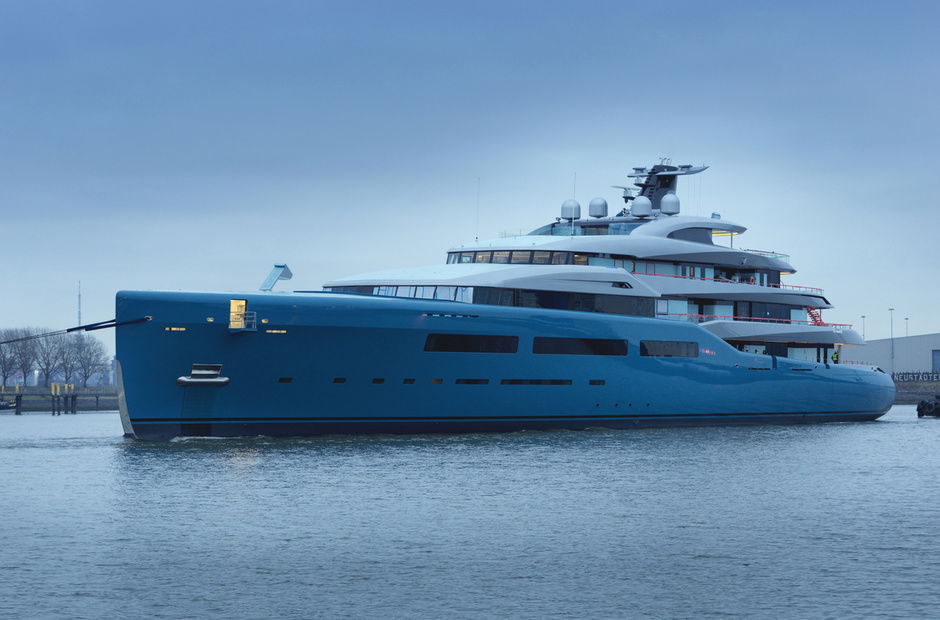
The 2017 Abeking & Rasmussen Aviva is one of those yachts that instantly grabs attention. With its sleek profile, German engineering, and sup...
Discover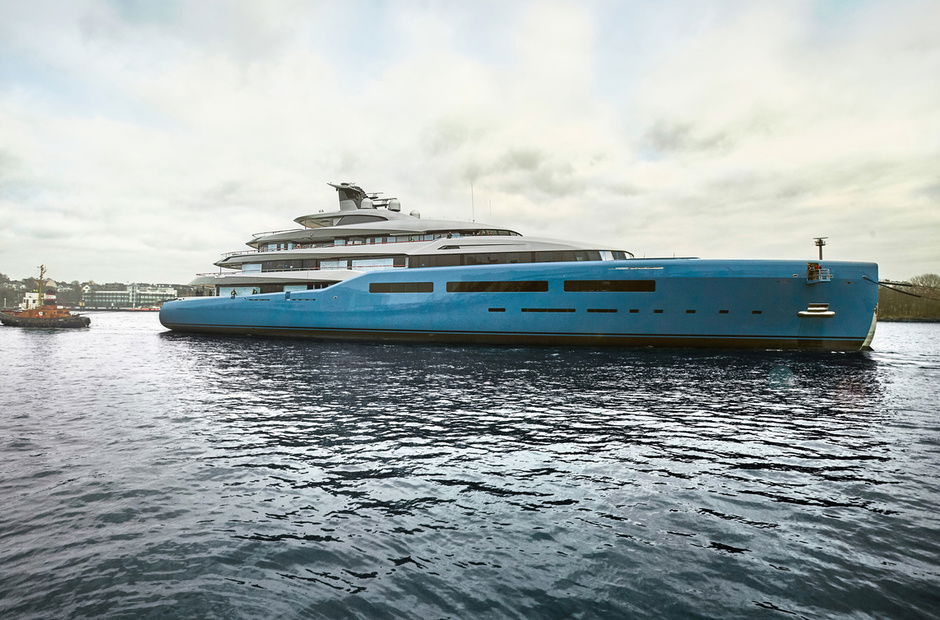


Images have been gathered from various sources and belong to their respective owners.
Review - Abeking & Rasmussen Aviva

MarineBroker
01/18/2024, 3:53 PM
2017 Abeking & Rasmussen Aviva: What Owners and Buyers Should Know Before Making a Move
The 2017 Abeking & Rasmussen Aviva is one of those yachts that instantly grabs attention. With its sleek profile, German engineering, and superyacht pedigree, it’s easy to see why people searching for this vessel are often looking for more than just specs—they want clarity. Is it a smart yacht to own? What should you check before buying? How do you avoid expensive surprises after the handover?
That’s the real challenge with a yacht like Aviva. On paper, it looks exceptional, but a vessel of this caliber brings its own set of questions around maintenance, operational costs, crew requirements, refit planning, and long-term value. For buyers, the problem is not finding a beautiful yacht. The problem is understanding whether it fits your actual boating lifestyle and budget.
The good news is that with the right approach, you can evaluate the 2017 Abeking & Rasmussen Aviva confidently. Whether you’re considering ownership, charter use, or simply researching one of the most recognized custom yachts of its era, knowing what to inspect and what to expect can save time, money, and stress. Let’s break it down in a practical way.
- Why the 2017 Abeking & Rasmussen Aviva Gets So Much Attention
Abeking & Rasmussen is a respected German shipyard known for precision craftsmanship, custom builds, and high-end engineering. That reputation matters, especially in the superyacht world where quality of construction can influence everything from long-term reliability to resale value.
The 2017 Aviva stands out because it represents a blend of performance, luxury, and innovative design. For many yacht enthusiasts, it is not just another superyacht—it’s a statement vessel. But that also means expectations are high.
People drawn to the 2017 Abeking & Rasmussen Aviva usually fall into one of three groups:
- Buyers exploring a premium used superyacht
- Yacht enthusiasts researching a standout custom build
- Owners comparing refit and operating costs across similar vessels
If you’re in that group, the main question isn’t “Is it impressive?” It’s “Is it practical for my needs?”
- The Main Problem: Beauty Does Not Always Equal Easy Ownership
This is where many buyers get caught out. A yacht like the 2017 Abeking & Rasmussen Aviva can look like the perfect solution, but ownership is about more than aesthetics and pedigree.
The biggest issue is that large custom yachts often come with hidden complexity. Even a well-built yacht may require specialized maintenance, experienced crew, and careful planning for every season of use. If you’re not prepared for that, the experience can become expensive very quickly.
Common pain points include:
- Higher annual maintenance than expected
- Limited availability of qualified service providers
- Docking and marina constraints due to size
- Fuel consumption and operating costs
- Crew management and training
- Refit timing and parts sourcing
For prospective owners, the challenge is not just buying the yacht. It’s understanding the full lifecycle of ownership.
- What Makes the 2017 Abeking & Rasmussen Aviva Different
The 2017 Abeking & Rasmussen Aviva is notable because it was designed to deliver more than conventional luxury. Yachts from this shipyard are often built with a strong emphasis on engineering integrity, seaworthiness, and bespoke features.
That said, custom yachts are rarely “simple” boats. They are more like floating estates, with systems that need specialized attention.
A few reasons Aviva draws interest:
- Distinctive design language
- Strong build reputation from Abeking & Rasmussen
- High-end interior and exterior execution
- Capable platform for long-range cruising
- Appeal to buyers who value uniqueness over mass-market layouts
This makes it attractive, but it also means you need a more careful evaluation than you might with a production yacht.
- How to Evaluate Whether the 2017 Abeking & Rasmussen Aviva Fits Your Needs
Before getting emotionally attached to the yacht, step back and look at how you’ll actually use it. That simple shift can prevent a costly mistake.
Ask yourself these questions:
- Will I use it privately, for charter, or both?
- Do I have access to a reliable captain and crew?
- Am I prepared for ongoing maintenance and periodic refits?
- Will I cruise locally or internationally?
- Is my mooring location suitable for a yacht of this size?
If your answers are unclear, that’s a sign to slow down and gather more information.
A yacht like the 2017 Abeking & Rasmussen Aviva is best suited to owners who:
- Want a high-end custom vessel
- Understand the responsibilities of large yacht ownership
- Value craftsmanship and design
- Can support the operating budget comfortably
- Prefer a yacht that stands out from standard offerings
If you’re looking for something low-maintenance or easy to run with a small team, this may not be the best match.
- Inspection Tips Before Buying a Used Superyacht Like Aviva
A proper survey is non-negotiable. Even with a premium yacht, you want eyes on every major system before making a commitment.
Focus on these areas:
- Hull and structural integrity
- Engine room condition
- Stabilizers and propulsion systems
- Electrical systems and switchboards
- HVAC performance
- Plumbing and freshwater systems
- Navigation and communication electronics
- Tender storage and handling equipment
- Interior wear, moisture, and hidden damage
You should also review:
- Full maintenance logs
- Classification and compliance records
- Refits and upgrade history
- Crew reports if available
- Insurance claims or incident history
For a vessel like the 2017 Abeking & Rasmussen Aviva, documentation is just as important as the physical inspection. A clean paper trail can tell you a lot about how the yacht has been treated.
- The Real Cost of Ownership: What Buyers Often Underestimate
One of the biggest mistakes buyers make is focusing only on purchase price. That’s only part of the story.
With a superyacht, annual operating costs can be substantial. Exact numbers vary depending on usage, crew size, cruising range, and maintenance requirements, but the categories remain consistent.
Typical cost areas include:
- Crew salaries and benefits
- Insurance
- Fuel
- Dockage and marina fees
- Routine maintenance
- Spare parts and consumables
- Cleaning and detailing
- Refit reserve fund
- Survey and compliance checks
A useful rule of thumb in yacht ownership is to budget well beyond the purchase price for yearly running costs. For a large custom yacht, this can mean a serious ongoing financial commitment.
If the 2017 Abeking & Rasmussen Aviva is on your shortlist, make sure you model three scenarios:
1. Light seasonal use
2. Moderate private cruising
3. Heavy-use or charter-supported operation
This will give you a much clearer picture of the real financial picture.
- Maintenance Strategy for the 2017 Abeking & Rasmussen Aviva
The best way to protect a yacht like this is through disciplined maintenance. Large yachts often age well when they are consistently serviced, but they can deteriorate quickly if neglected.
A smart maintenance strategy should include:
- Scheduled haul-outs and underwater inspections
- Engine and generator servicing
- Regular testing of safety systems
- Electronics updates and backups
- Interior climate control checks
- Corrosion monitoring
- Paint and exterior finish care
Don’t wait for problems to appear. Preventive maintenance is almost always cheaper than reactive repair.
It also helps to keep a detailed digital log of:
- Service dates
- Replaced components
- Warranty records
- Vendor contacts
- Inspection findings
If you plan to resell later, a strong maintenance history can improve buyer confidence and support value.
- Crew and Operations: The Hidden Side of Ownership
Many first-time superyacht buyers underestimate how much the crew affects the ownership experience. A yacht like the 2017 Abeking & Rasmussen Aviva is not a casual weekend boat. It needs competent professionals who understand systems, hospitality, and safety.
Depending on how the yacht is configured and used, you may need:
- Captain
- First officer
- Engineers
- Deckhands
- Stewardesses
- Chef
- Additional seasonal support
The right crew can make ownership smooth and enjoyable. The wrong setup can create stress, delays, and avoidable damage.
Good operational habits include:
- Clear maintenance routines
- Strong onboard communication
- Inventory control for parts and supplies
- Safety drills and procedures
- Guest experience planning
- Budget tracking
If you’re considering ownership, think of the crew as part of the yacht’s performance package. It matters just as much as the engines or interior.
- Resale Value and Market Position
When buyers look at the 2017 Abeking & Rasmussen Aviva, they’re often thinking beyond today. They want to know whether the yacht will still hold appeal later.
That depends on several factors:
- Brand reputation
- Build quality
- Condition and maintenance history
- Interior style and timeliness
- Mechanical reliability
- Market demand for similar yachts
Custom yachts can hold value well when they are maintained properly and remain visually and mechanically relevant. However, very specific layouts or outdated systems can narrow the buyer pool.
To support resale value:
- Keep the yacht in top cosmetic condition
- Update electronics and systems when needed
- Maintain thorough records
- Avoid deferred maintenance
- Stay ahead of classification and compliance issues
The more transparent and organized the yacht’s history, the easier it is to market later.
- When the 2017 Abeking & Rasmussen Aviva Makes Sense
This yacht makes sense for buyers who want a refined, custom-built platform and who are comfortable with the responsibilities that come with large yacht ownership.
It may be a strong fit if you:
- Want a prestigious and distinctive vessel
- Value German engineering and craftsmanship
- Plan to cruise regularly
- Have the budget for ongoing operation
- Prefer quality and uniqueness over simplicity
It may not be ideal if you:
- Want minimal upkeep
- Have limited crew support
- Need a small marina-friendly yacht
- Are uncomfortable with high operating costs
- Prefer a more standardized ownership experience
In other words, the yacht itself is impressive—but the best match depends on your lifestyle and resources.
- Practical Buying Advice for Interested Owners
If you’re seriously considering the 2017 Abeking & Rasmussen Aviva, keep your process structured. Emotion is part of yacht buying, but it should never be the only factor.
Here’s a practical approach:
1. Define your intended use
Be honest about how often and where you’ll use the yacht.
2. Review the full operating budget
Look beyond purchase price and estimate annual costs.
3. Commission a detailed survey
Do not rely on appearance alone.
4. Study maintenance and refit history
A well-documented yacht is usually a safer bet.
5. Evaluate crew and management needs
Make sure you have the right operational support.
6. Plan for future resale
Think about marketability from day one.
If you follow these steps, you’ll be in a much stronger position to decide whether this yacht is truly right for you.
- Why Research Matters More Than Ever in Superyacht Ownership
The superyacht market rewards informed buyers. A vessel like the 2017 Abeking & Rasmussen Aviva can offer a remarkable ownership experience, but only if you understand what you’re taking on.
Good research helps you:
- Avoid overpaying for hidden issues
- Budget realistically
- Prepare for seasonal use
- Choose the right crew and management
- Protect long-term value
That’s why experienced buyers treat the process like a project, not a purchase. They look at the yacht, the systems, the history, and the future all at once.
- Conclusion
The 2017 Abeking & Rasmussen Aviva is a standout yacht that appeals to buyers who appreciate craftsmanship, custom design, and serious superyacht capability. But the real key to a smart decision is understanding the full picture: maintenance, crew, operating costs, and long-term fit.
If you’re researching this yacht, focus on how it aligns with your actual boating plans rather than just its visual appeal. A thorough survey, realistic budget, and clear ownership strategy will go a long way toward making the experience enjoyable. For anyone serious about large yacht ownership, that preparation is what turns a beautiful vessel into a practical one.
Specifications
General
Boat Type: Power Boats
Class Type: Mega Yacht
Specifications
Length: 322.83
Beam: 56.43
Draft: 12.47
Hull Material: Steel
Build
First Built: 2017
Propulsion
Fuel Type: Diesel
Engines: 2
Power: 3862 HP
Brand: MTU
Accomodation
Cabins: 8
PROS & CONS
What we appreciated
 Timeless and elegant classic design by Abeking & RasmussenHigh-quality craftsmanship and attention to detailSpacious and luxurious interior accommodationsReliable performance with efficient engine optionsStrong resale value due to brand reputation and build quality
What we didn’t appreciate
 Higher maintenance costs typical of luxury classic yachtsLimited availability of parts specific to custom buildsPotentially less fuel-efficient compared to modern designsManeuverability may be challenging for inexperienced operatorsGenerally higher purchase price compared to similar-sized modern yachts
Upkeep Costs
Annual maintenance and servicing: $30,000 - $50,000
Fuel costs: $100,000 - $150,000 per year depending on usage
Docking and marina fees: $20,000 - $40,000 per year
Insurance: $25,000 - $40,000 per year
Crew salaries: $150,000 - $300,000 per year depending on crew size
Rating
9.3
User
Score
Score
Driveability
Technology
Interior
Design
Similar Boats


MarineBroker
Download now for an immersive boat experience like never before! ⛵✨ Your journey begins with a simple click. 🌊📲
#SetSailSmart #DownloadNow
#SetSailSmart #DownloadNow

Subscribe
Copyright 2017 - 2026, Marinebroker.net, All Rights Reserved