Boat Database » Admiral Tropicana
Admiral Tropicana
Inboard Direct-Drive, Diesel, 2x 2285 HP
Power Boats 2004 Admiral Tropicana: What Owners Should Check, Fix, and Prioritize for a Safer, Smoother Ride
If you’re looking into a 2004 Admiral Tropicana, you’re probably doing one of two things: comparing a boat before buying it, or tryi...
Discover
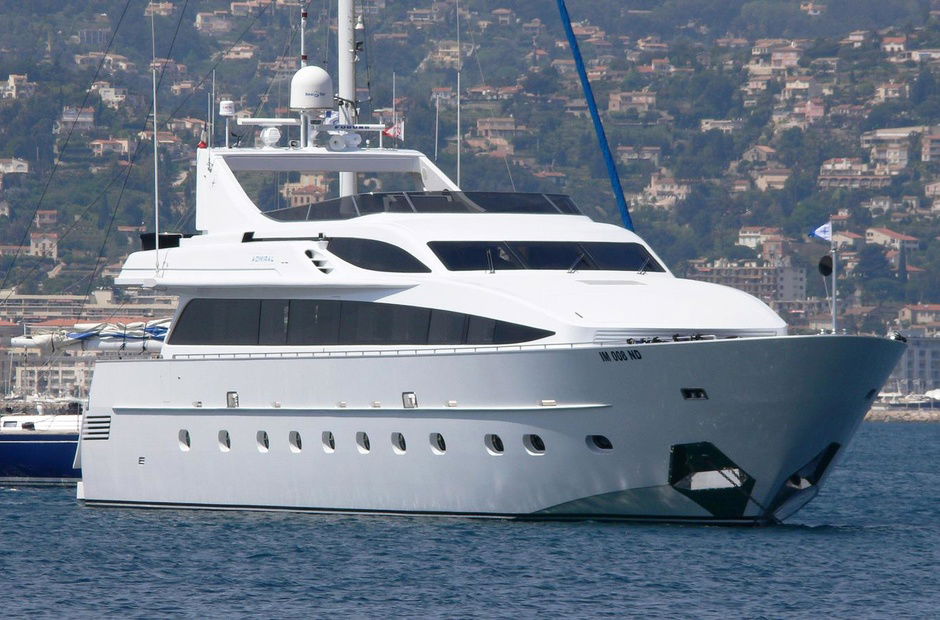
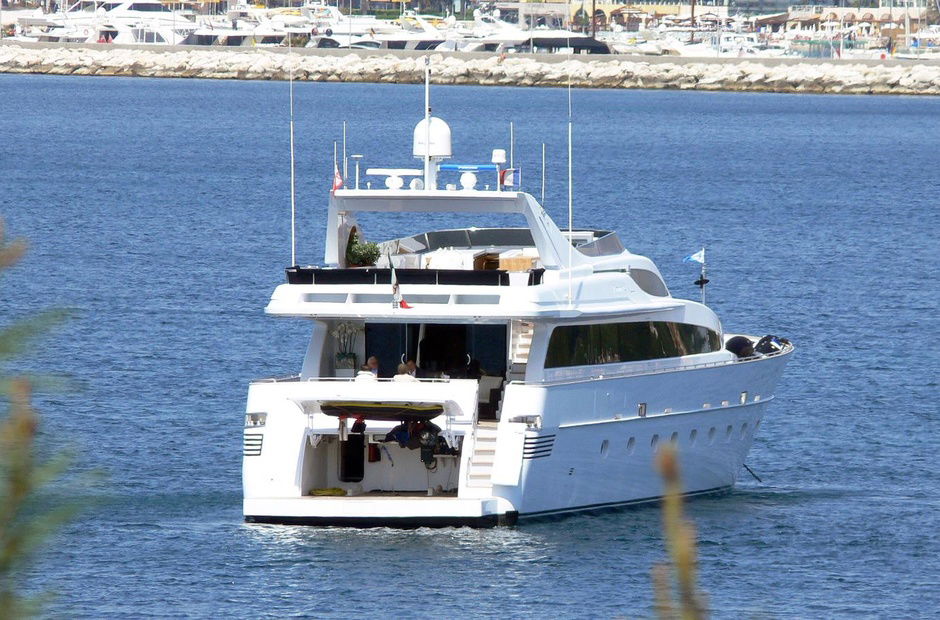
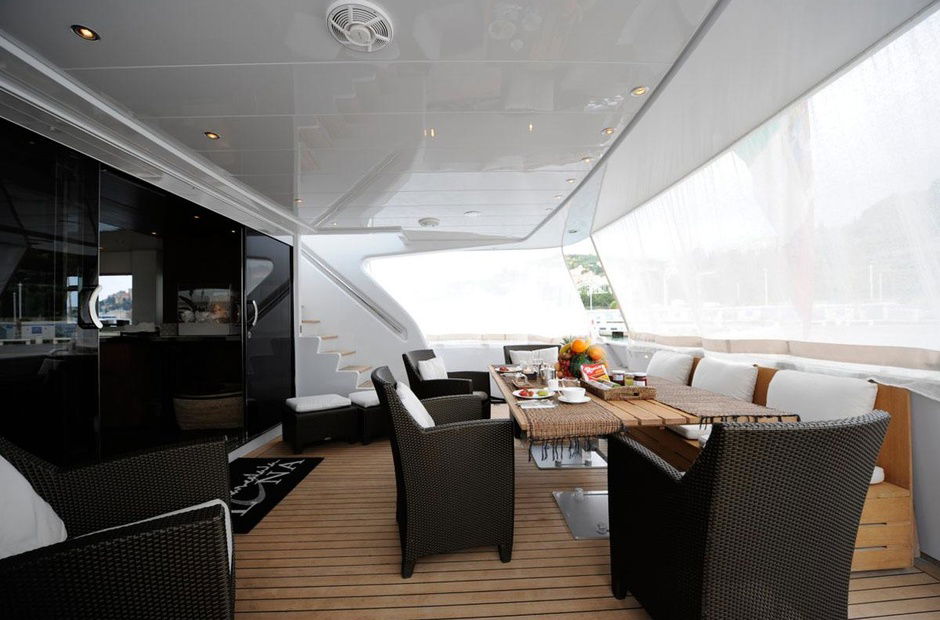
Images have been gathered from various sources and belong to their respective owners.
Review - Admiral Tropicana

MarineBroker
01/22/2024, 3:54 AM
2004 Admiral Tropicana: What Owners Should Check, Fix, and Prioritize for a Safer, Smoother Ride
If you’re looking into a 2004 Admiral Tropicana, you’re probably doing one of two things: comparing a boat before buying it, or trying to keep an existing one in great shape. Either way, the big challenge is usually the same—figuring out what matters most on an older boat without getting buried in guesswork.
That’s where a practical checklist helps. Boats from the early 2000s can still be excellent if they’ve been maintained well, but age brings a few common trouble spots. Soft decking, worn hoses, electrical gremlins, neglected engines, and hidden moisture issues are all things that can turn a good deal into an expensive headache.
The good news? Most of these problems can be spotted early with a methodical approach. If you know what to inspect and what to prioritize, the 2004 Admiral Tropicana can be evaluated with a lot more confidence. In this article, we’ll walk through the most important areas to check, the warning signs to watch for, and the smartest ways to keep the boat reliable, comfortable, and ready for the water.
- Why the 2004 Admiral Tropicana Deserves a Careful Inspection
A boat built in 2004 is old enough to have had time for wear, but not so old that it should automatically be dismissed. In many cases, the condition depends far more on maintenance history than on age alone.
That said, boats from this era often share a few predictable issues. Materials age, seals dry out, wiring becomes brittle, and mechanical systems need more attention than they did when the boat was new.
For anyone interested in a 2004 Admiral Tropicana, the goal is not to assume the worst. It’s to separate cosmetic wear from real structural or mechanical problems. That’s the difference between a boat that needs a weekend of cleanup and one that needs major repair money.
- The Main Problem: Hidden Wear and Deferred Maintenance
The biggest issue with older boats is usually not one dramatic failure. It’s the accumulation of small things that were ignored.
Here’s what that often looks like:
- A small leak that slowly damages wood or insulation
- Aging batteries that no longer hold charge well
- Corroded terminals causing intermittent electrical problems
- Hoses or clamps that look fine until they fail under pressure
- Upholstery or flooring damage hiding deeper moisture issues
This is why a boat can look decent on the surface and still have expensive problems underneath. On a 2004 Admiral Tropicana, the safest approach is to inspect systems in layers: structure, mechanical, electrical, then comfort features.
- Start With the Hull and Structure
The hull and structural components should always be your first stop. If these are compromised, everything else becomes less important.
Look for:
- Visible cracks, especially around stress points
- Signs of repairs or mismatched gelcoat
- Soft spots in the deck or floor
- Water intrusion around fittings, rails, or hatches
- Any unusual flexing when you walk aboard
Press gently on the deck in multiple areas. If it feels spongy, that can indicate moisture intrusion or rot beneath the surface.
Pay close attention to areas around:
- Cleats
- Rod holders
- Console bases
- Hatch frames
- Seat mounts
These are common entry points for water. On boats like the 2004 Admiral Tropicana, a little water intrusion over time can create much bigger structural issues than owners expect.
- Check the Engine and Mechanical Systems
Even if the hull is solid, the engine and running gear can make or break the boat’s value and usability.
If you’re evaluating a 2004 Admiral Tropicana, ask for service records first. A well-documented maintenance history is often more valuable than a shiny engine cover.
Key things to inspect:
- Cold start behavior
- Idle quality
- Smoke on startup
- Oil condition and level
- Coolant condition, if applicable
- Belts, hoses, and clamps
- Fuel lines and fuel smell
- Any unusual vibration or knocking
A boat engine should start cleanly and run smoothly. Hard starting, rough idle, or unexplained smoke can point to fuel, ignition, or compression issues.
Also check whether the boat has been flushed properly after use in saltwater. Salt buildup can shorten the life of cooling components and exhaust parts.
- Don’t Overlook the Electrical System
Electrical problems are one of the most common frustrations on older boats. They’re also one of the easiest to overlook during a quick walkthrough.
Inspect:
- Battery age and condition
- Corrosion on terminals
- Loose or exposed wiring
- Fuse panels and labeling
- Navigation lights
- Bilge pump operation
- Switches and gauges
Turn everything on and test it. Don’t assume a light or gauge works just because it looks fine.
A common issue on older boats is poor grounding. That can lead to random failures, weak charging, or equipment that works only part of the time.
If the 2004 Admiral Tropicana has aftermarket electronics or accessories, check whether they were installed neatly. Messy wiring is often a clue that other maintenance may have been rushed too.
- Inspect the Fuel System Carefully
Fuel issues can be annoying at best and dangerous at worst. On a boat of this age, the fuel system deserves a close look.
Watch for:
- Cracked or stiff hoses
- Fuel odors in compartments
- Corrosion on fittings
- Loose hose clamps
- Water in the fuel separator
- Old fuel that has been sitting too long
If the boat has been stored for a long period, stale fuel can cause starting problems, clogged filters, and poor performance.
A smart move is to replace aging fuel filters and inspect the tank area for signs of leakage or contamination. If there’s any doubt about the fuel’s condition, it’s better to address it before launching.
- Evaluate the Interior for More Than Just Appearance
A clean cabin or cockpit is nice, but looks can be misleading. Soft furnishings often hide moisture problems, and cosmetic wear can sometimes point to bigger issues.
Check:
- Upholstery seams and stitching
- Mold or mildew smells
- Water stains on cushions or headliners
- Warped panels
- Soft flooring
- Damaged hinges or latches
A musty smell is worth investigating. It often means moisture has been present long enough to affect hidden materials.
For a 2004 Admiral Tropicana, interior wear is not always a dealbreaker. But if you see repeated water staining or mildew, that usually means the boat has had a leak or ventilation issue that should be fixed before regular use.
- Look Closely at Hoses, Seals, and Through-Hull Fittings
These small parts often get ignored until they fail. That’s a mistake, because they’re among the most important safety items on the boat.
Inspect:
- Bilge hoses
- Drain hoses
- Seals around hatches and windows
- Through-hull fittings
- Seacocks, if equipped
- Clamp condition and tightness
Rubber hoses age out over time, even if they don’t look terrible at first glance. If they feel brittle, sticky, or cracked, they should be replaced.
Through-hull fittings should be solid, clean, and free of corrosion. Any sign of movement, cracking, or water seepage needs immediate attention.
- Sea Trial: The Best Reality Check
A dockside inspection tells you a lot, but a sea trial tells you the truth.
During a test run, pay attention to:
- How quickly the boat planes
- Steering response
- Trim behavior
- Engine temperature
- Vibration at different speeds
- Acceleration under load
- Handling in turns
- Any warning alarms
Try to run the boat long enough to let systems warm up fully. Some problems only appear once the engine reaches operating temperature.
If possible, test the boat in a few conditions. Calm water is good, but a little chop can reveal how the hull and systems behave under stress.
For a 2004 Admiral Tropicana, a smooth sea trial is one of the strongest signs that the boat has been maintained properly.
- Maintenance Priorities If You Already Own One
If you already have a 2004 Admiral Tropicana, the best strategy is to focus on prevention. Older boats stay reliable when small issues are handled early.
Your priority list should include:
1. Replace aging batteries before they fail unexpectedly
2. Inspect and replace cracked hoses
3. Service the engine according to schedule
4. Clean and protect electrical connections
5. Check for water intrusion after heavy rain or washdowns
6. Keep bilges clean and dry
7. Re-seal fittings that show wear
8. Store the boat properly to reduce UV and moisture damage
Routine maintenance may not be exciting, but it’s what keeps older boats usable and enjoyable.
- Common Warning Signs That Should Not Be Ignored
Some issues can wait. Others should be treated as red flags.
Be cautious if you notice:
- Persistent fuel smell
- Soft floors or deck areas
- Repeated electrical failures
- Excessive smoke from the engine
- Water in the bilge with no clear source
- Corrosion around key components
- Strong mildew odor that keeps returning
Any one of these doesn’t automatically mean the boat is a bad choice. But several of them together suggest deeper neglect.
With a 2004 Admiral Tropicana, the smartest move is to treat patterns seriously. One small issue may be normal aging. Multiple issues in the same area usually point to a larger maintenance history problem.
- How to Decide If the Boat Is Worth It
When evaluating an older boat, the question is not just “Does it work today?” It’s “What will I need to spend to keep it working?”
A good decision usually comes down to three things:
- Structural soundness
- Mechanical reliability
- Maintenance history
If those three are in good shape, the boat may be a solid choice even if it has cosmetic wear.
If you’re uncertain, bring in a marine surveyor or experienced marine mechanic. That cost is often small compared to the price of missing hidden problems.
For many buyers, the 2004 Admiral Tropicana can be a good fit when expectations are realistic and inspection is thorough. The boat doesn’t need to be perfect. It needs to be safe, sound, and maintainable.
- Final Thoughts on the 2004 Admiral Tropicana
A boat like the 2004 Admiral Tropicana can still offer plenty of value, but only if you approach it with the right mindset. The main challenge is not finding flaws—it’s knowing which flaws matter most. Focus on structure, engine health, electrical reliability, and signs of water intrusion first. Those are the areas that tell you whether the boat is a weekend project or a dependable ride.
If you already own one, staying ahead of maintenance is the best way to protect your investment and avoid surprise repairs. A careful inspection now can save a lot of time, money, and frustration later. For anyone considering this model, a smart walkthrough and sea trial are the best tools you have.
Specifications
General
Boat Type: Power Boats
Class Type: Mega Yacht
Specifications
Length: 104.99
Beam: 22.31
Draft: 8.86
Hull Material: Aluminium
Build
First Built: 2004
Propulsion
Fuel Type: Diesel
Engines: 2
Power: 2285 HP
Brand: MTU
Accomodation
Cabins: 5
PROS & CONS
What we appreciated
 Spacious layout suitable for family outingsSolid build quality typical of Admiral boatsGood fuel efficiency for its sizeComfortable seating with adequate storageReliable engine performance with proper maintenance
What we didn’t appreciate
 Older model with potential for outdated electronicsMay require more frequent maintenance due to ageLimited modern amenities compared to newer boatsPossible wear and tear on upholstery and fittingsLower resale value compared to newer models
Upkeep Costs
Fuel: Approximately $3,000 - $6,000 per year depending on usage
Maintenance and Repairs: Around $2,000 - $5,000 annually
Insurance: Typically $500 - $1,200 per year
Storage and Mooring: $1,000 - $3,000 per year depending on location
Registration and Taxes: $100 - $300 per year
Rating
7.4
User
Score
Score
Driveability
Technology
Interior
Design
Similar Boats


MarineBroker
Download now for an immersive boat experience like never before! ⛵✨ Your journey begins with a simple click. 🌊📲
#SetSailSmart #DownloadNow
#SetSailSmart #DownloadNow

Subscribe
Copyright 2017 - 2026, Marinebroker.net, All Rights Reserved