Boat Database » Abeking & Rasmussen Dream
Abeking & Rasmussen Dream
Inboard Direct-Drive, Diesel, 2x 2000 HP
Power Boats 2001 Abeking & Rasmussen Dream: What Buyers Should Know Before You Step Aboard
If you’ve been searching for information on the 2001 Abeking & Rasmussen Dream, you’re probably already past the casual browsing stage. At this point,...
Discover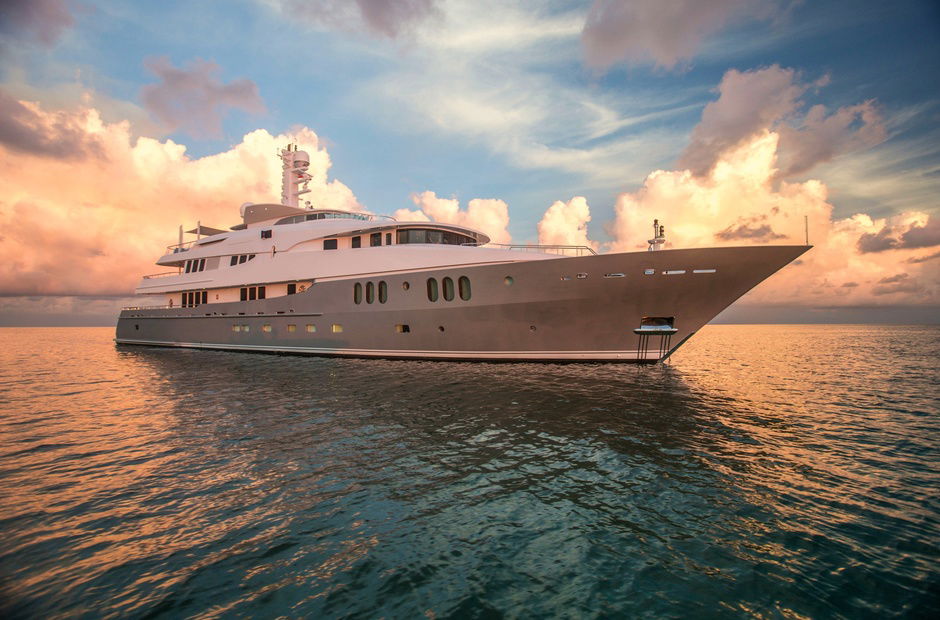
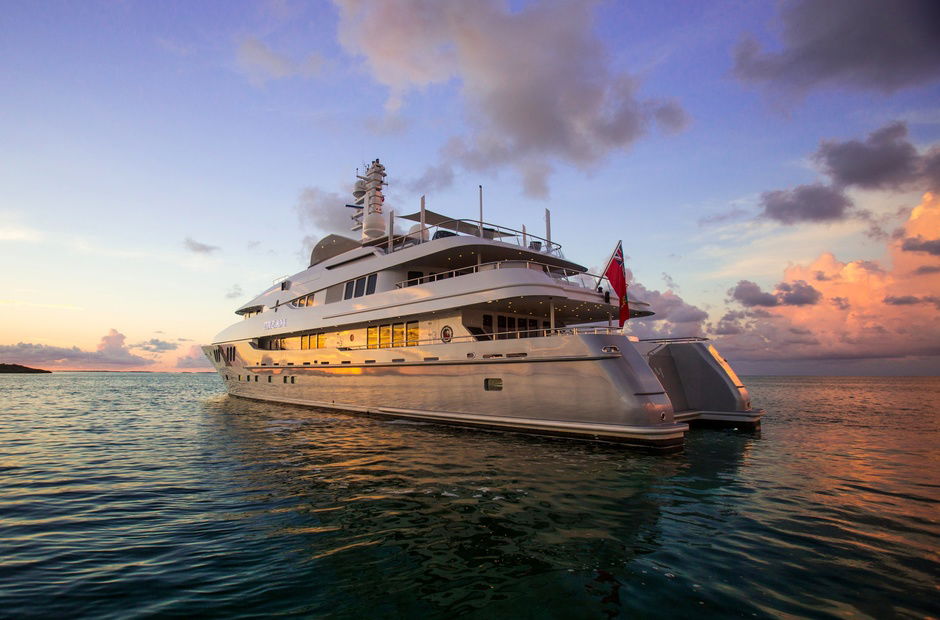
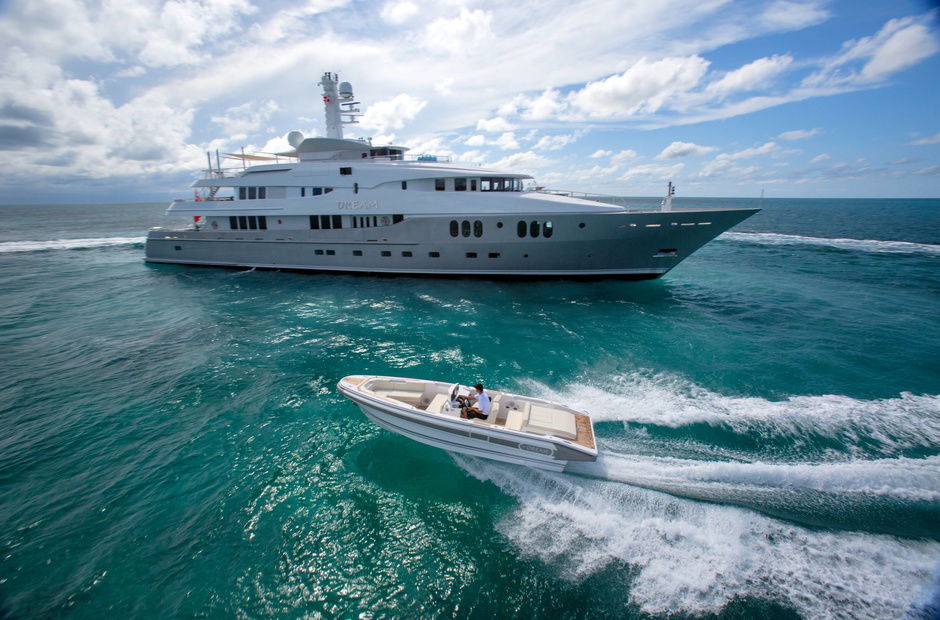

Images have been gathered from various sources and belong to their respective owners.
Review - Abeking & Rasmussen Dream

MarineBroker
01/18/2024, 12:17 PM
2001 Abeking & Rasmussen Dream: What Buyers Should Know Before You Step Aboard
If you’ve been searching for information on the 2001 Abeking & Rasmussen Dream, you’re probably already past the casual browsing stage. At this point, the real challenge isn’t just admiring the yacht’s pedigree—it’s figuring out whether it’s the right fit for your goals, budget, and cruising style.
That’s a fair problem to have. A yacht like this can look like a dream on paper: a respected German shipyard, classic craftsmanship, and the kind of build quality that tends to age better than many production boats. But older luxury yachts also come with questions that matter a lot more than glossy photos. How has it been maintained? What systems may need updating? What should you inspect before making any decision?
This article breaks that down in a simple, practical way. Whether you’re considering ownership, charter interest, or just researching the vessel, the goal here is to help you understand the real-world factors that shape value, usability, and long-term satisfaction. Let’s look at the boat the smart way: with curiosity, a checklist mindset, and a focus on what actually matters.
- Why the 2001 Abeking & Rasmussen Dream stands out
Abeking & Rasmussen has long been associated with high-end custom yacht building, and that reputation matters. When people look at a 2001 model from this yard, they’re usually not just buying a boat—they’re looking at craftsmanship, engineering, and a design philosophy that favors longevity.
For many buyers, the appeal comes down to a few things:
- Strong build quality
- Elegant, timeless styling
- A reputation for custom or semi-custom work
- Better-than-average resale recognition in the superyacht market
That said, “well built” does not automatically mean “problem free.” A yacht from 2001 is now a mature vessel, which means the condition depends heavily on maintenance history, refits, and how it has been used. A lightly used private yacht with consistent care can be in far better shape than a more heavily chartered boat of the same age.
If you’re focused on the 2001 Abeking & Rasmussen Dream, the smartest approach is to separate brand reputation from current condition. The brand gets your attention, but the inspection tells you the truth.
- The real problem buyers face with older luxury yachts
The biggest issue with older luxury yachts is uncertainty. On the surface, they may look refined and ready, but beneath that polished exterior could be aging systems, outdated electronics, or deferred maintenance.
Common concerns include:
- Engine and generator wear
- Electrical system aging
- Outdated navigation equipment
- Teak deck repairs or replacement
- Stabilizer or hydraulic system issues
- Interior wear that isn’t obvious in photos
- Corrosion, water intrusion, or hidden structural concerns
This is where buyers often get caught. A yacht can present beautifully during a viewing, but the expensive issues are usually the ones you can’t see right away. That’s why the solution is not just “find a good boat.” It’s “find a good boat with a verified service history and the right survey process.”
Older yachts reward careful buyers. They punish rushed ones.
- What to look for in the 2001 Abeking & Rasmussen Dream
When evaluating a yacht like this, start with the areas that influence both safety and operating costs. A beautiful interior is nice, but systems and structure are what determine whether ownership feels enjoyable or stressful.
Here’s a practical checklist:
- Maintenance records
Ask for logs, invoices, yard reports, and refit history. Consistent documentation is one of the strongest signs of a well-cared-for yacht.
- Engine hours and service intervals
Hours matter, but so does how the engines were used. Regular servicing is usually more important than a low number alone.
- Generator condition
Generators often reveal how a yacht has been operated. Frequent maintenance and clean operating records are good signs.
- Electrical and plumbing systems
Older wiring, pumps, and control panels can become a source of recurring expense if not updated.
- Hull and superstructure condition
Look for signs of repairs, blistering, corrosion, or stress around fittings and high-load areas.
- Stabilizers and thrusters
These systems are expensive to repair, so condition and service history are key.
- Interior systems and finishes
Check air conditioning, refrigeration, entertainment systems, and cabinetry for age-related wear.
- Safety equipment
Lifesaving gear, fire suppression systems, and alarms should be current and compliant.
If you’re serious about the 2001 Abeking & Rasmussen Dream, think of the inspection as a health check, not a formality. The goal is to uncover the true cost of ownership before you commit.
- Why refit history matters more than age alone
A 2001 yacht can still feel modern if it has been properly refitted. In many cases, a good refit can make a huge difference in usability, efficiency, and comfort.
A strong refit may include:
- Updated navigation and communication systems
- New upholstery and soft furnishings
- Reworked guest cabins or crew areas
- Engine overhauls
- Electrical upgrades
- New air conditioning components
- Teak deck replacement or restoration
- Paintwork refresh
- Stabilizer servicing or replacement
This matters because buyers often compare yachts based on year built, but the better comparison is actual condition after refit. A yacht that has had thoughtful upgrades may offer a more enjoyable ownership experience than a newer vessel with neglected maintenance.
In other words, the question is not “How old is it?” The better question is “How well has it been renewed?”
- How to judge whether the yacht fits your lifestyle
A yacht can be technically excellent and still be the wrong fit. That’s why the best solution is to match the boat to your intended use.
Ask yourself:
- Will you use it for private family cruising?
- Do you plan to charter it occasionally?
- Are you looking for long-range comfort or short regional trips?
- Do you want a hands-on ownership experience or a managed program?
- Is crewed operation acceptable for your plans?
The 2001 Abeking & Rasmussen Dream may appeal to buyers who value classic luxury, solid engineering, and a vessel with presence. But if your priorities lean toward ultra-modern automation, minimal upkeep, or lower operating costs, you may need to compare it carefully with newer options.
A lot of buyers fall in love with the look and feel of a yacht, then discover later that crew needs, dockage, and maintenance are more involved than expected. A practical ownership plan avoids that mismatch.
- The hidden costs most buyers forget to budget for
One of the biggest mistakes in yacht buying is focusing only on purchase price. For an older luxury yacht, annual operating costs can be significant, and they should be part of the decision from the start.
Common cost categories include:
- Crew salaries
- Dockage and marina fees
- Fuel
- Insurance
- Routine maintenance
- Haul-outs and surveys
- Parts replacement
- Cosmetic upkeep
- Refit reserve fund
For a yacht in this category, the reserve fund is especially important. Even if everything looks good during survey, older systems can surprise you. A smart buyer sets aside money for the unexpected rather than treating maintenance as optional.
A practical rule: if you can afford the yacht only at purchase, you probably can’t afford the yacht. Ownership works best when the operating budget is realistic from day one.
- Survey tips that can save you thousands
A professional survey is not just paperwork. It’s one of the most valuable tools in the buying process, especially for a yacht with age and custom systems.
Make sure your survey covers:
- Hull and structural integrity
- Mechanical systems
- Electrical systems
- Navigation and communication electronics
- Safety systems
- Moisture readings where appropriate
- Sea trial performance
- Steering and maneuvering behavior
If possible, use specialists who understand high-end custom yachts and German shipbuilding standards. Not every surveyor will be equally comfortable evaluating a vessel like this.
During the sea trial, pay attention to:
- Engine temperature stability
- Vibration levels
- Noise in the accommodation areas
- Steering response
- Thruster performance
- Stabilizer effectiveness
- Alarm behavior
- Speed consistency
A yacht can look perfect at the dock and still reveal issues underway. The sea trial is where the boat proves how it really behaves.
- Why craftsmanship still matters in today’s market
In a market full of newer boats with flashy features, craftsmanship can be easy to overlook. But it matters a lot, especially for buyers interested in long-term value.
A well-built yacht often offers:
- Better structural longevity
- More refined ride quality
- Stronger resale appeal
- Better sound insulation
- Higher-quality joinery and finishes
- A more premium onboard feel
That doesn’t mean every older yacht automatically outperforms newer ones. Technology has improved, and newer boats may offer better efficiency or easier systems management. But for buyers who appreciate build quality, a yacht from Abeking & Rasmussen can still feel special in a way that’s hard to fake.
This is one reason the 2001 Abeking & Rasmussen Dream continues to attract attention. It represents a style of yacht building where durability, elegance, and custom detail were major priorities.
- How to avoid buyer’s remorse
Buyer’s remorse in yacht ownership usually comes from one of three things:
- Underestimating maintenance
- Ignoring survey findings
- Choosing based on emotion alone
The solution is simple, even if it’s not always easy: slow down and verify everything.
Before moving forward, make sure you:
1. Review the full maintenance and refit history
2. Hire a qualified surveyor and marine engineer
3. Budget for immediate and future upgrades
4. Compare the yacht with similar models in condition, not just age
5. Confirm crew and operating needs
6. Understand the total annual cost of ownership
If you’re still excited after that process, that’s a good sign. It means your interest is based on reality, not just first impressions.
- Is the 2001 Abeking & Rasmussen Dream a good choice?
For the right buyer, yes. If you value craftsmanship, classic luxury, and the prestige of a respected shipyard, this yacht can be a compelling option. The key is to approach it with clear eyes.
The best fit is usually someone who:
- Appreciates custom yacht quality
- Is comfortable with professional maintenance
- Wants a more traditional luxury experience
- Understands that older yachts need ongoing care
- Values character and build pedigree over brand-new novelty
The wrong fit is someone expecting low-maintenance ownership or a turnkey experience without inspection and budgeting. A yacht like this can absolutely deliver a rewarding experience, but only if the condition supports the dream.
- Practical next steps for interested buyers
If the 2001 Abeking & Rasmussen Dream is on your shortlist, here’s a simple way to move forward:
- Request all service and refit records
- Review recent survey reports if available
- Inspect the yacht in person
- Hire independent survey and engineering experts
- Sea trial the vessel under realistic conditions
- Estimate annual operating costs
- Compare it with similar yachts in the same class
That process may sound detailed, but it’s exactly what protects your time, money, and enjoyment. In yacht ownership, good decisions are usually the ones made with patience.
- Conclusion
The 2001 Abeking & Rasmussen Dream represents more than just an older luxury yacht. It’s a reminder that quality construction can still matter years later, but only if the vessel has been properly maintained and evaluated. For buyers, the real challenge is not finding something beautiful—it’s finding something beautiful that also makes sense financially and practically.
If you focus on maintenance history, survey results, refit quality, and ownership costs, you’ll be in a much stronger position to decide whether this yacht fits your plans. Take your time, ask the right questions, and compare the boat on condition rather than age alone. If you want to keep learning, explore more yacht-buying guides and survey checklists before making your next move.
Specifications
General
Boat Type: Power Boats
Class Type: Mega Yacht
Specifications
Length: 196.85
Beam: 35.1
Draft: 11.48
Hull Material: Steel
Build
First Built: 2001
Propulsion
Fuel Type: Diesel
Engines: 2
Power: 2000 HP
Brand: Caterpillar
Accomodation
Cabins: 7
PROS & CONS
What we appreciated
 Timeless classic design with elegant linesHigh-quality craftsmanship by renowned German shipyardSpacious and luxurious interior accommodationsSolid build with durable materials ensuring longevityGood performance and handling for a yacht of its size
What we didn’t appreciate
 Older model may require significant maintenance and upgradesLimited modern technology and systems compared to newer yachtsPotentially higher operating costs due to age and sizeParts and specialized service may be harder to findFuel efficiency may be lower compared to contemporary designs
Upkeep Costs
Annual Maintenance: $8,000 - $15,000
Docking/Marina Fees: $10,000 - $25,000 per year
Insurance: $7,000 - $12,000 per year
Fuel: $20,000 - $50,000 per year (depending on usage)
Crew Salaries: $100,000 - $200,000 per year (if applicable)
Rating
8.1
User
Score
Score
Driveability
Technology
Interior
Design
Similar Boats


MarineBroker
Download now for an immersive boat experience like never before! ⛵✨ Your journey begins with a simple click. 🌊📲
#SetSailSmart #DownloadNow
#SetSailSmart #DownloadNow

Subscribe
Copyright 2017 - 2026, Marinebroker.net, All Rights Reserved