Boat Database » ADM Shipyards Yas
ADM Shipyards Yas
Inboard Direct-Drive, Diesel, 2x 21000 HP
Power Boats 1981 ADM Shipyards Yas: What Buyers and Enthusiasts Should Know Before Taking the Next Step
If you’ve been searching for information on the 1981 ADM Shipyards Yas, you’re probably dealing with the same challenge a lot of boat ent...
Discover
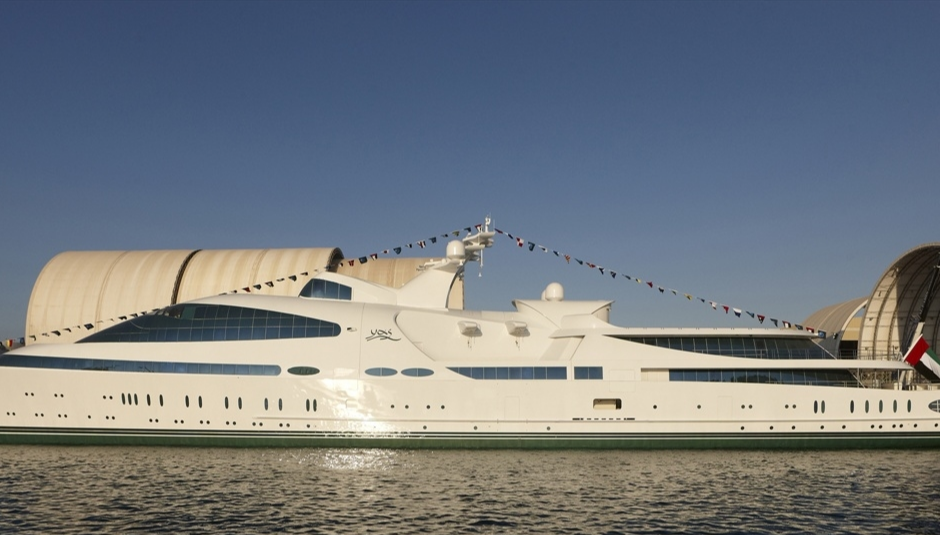
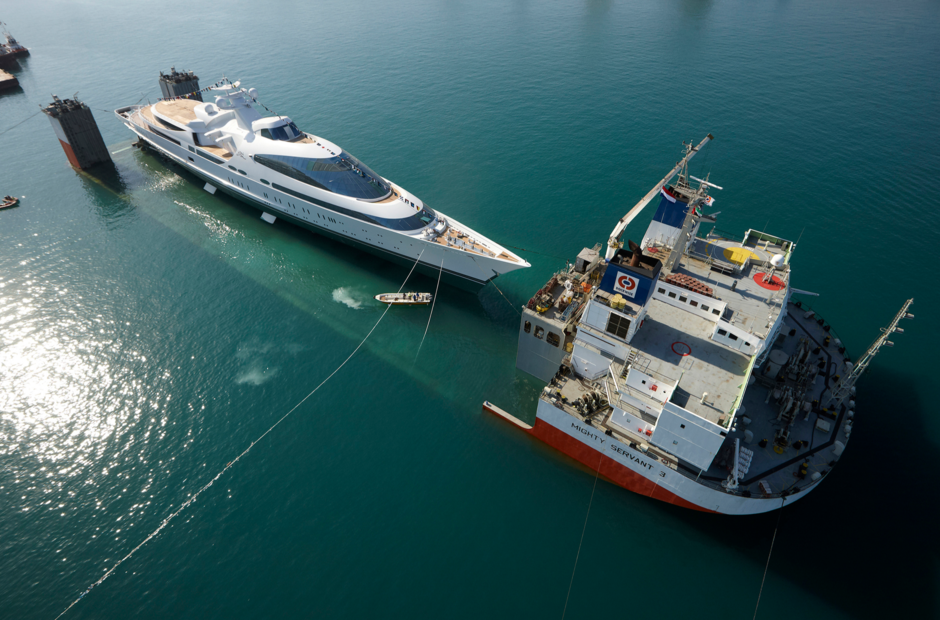
Images have been gathered from various sources and belong to their respective owners.
Review - ADM Shipyards Yas

MarineBroker
01/17/2024, 10:14 AM
1981 ADM Shipyards Yas: What Buyers and Enthusiasts Should Know Before Taking the Next Step
If you’ve been searching for information on the 1981 ADM Shipyards Yas, you’re probably dealing with the same challenge a lot of boat enthusiasts face: finding reliable, easy-to-understand details about a vessel that isn’t widely documented online. That can make it hard to judge condition, value, maintenance needs, or whether the boat is actually a good fit for your plans. And when a boat has an older build year, those questions matter even more.
The good news is that you don’t need a huge amount of marketing hype to make a smarter decision. What you need is a clear way to evaluate the boat, understand what typically matters most on a vessel from this era, and know which checks can save you from expensive surprises later. Whether you’re considering ownership, researching for a purchase, or simply trying to learn more about the 1981 ADM Shipyards Yas, the key is to focus on the fundamentals: structure, systems, upkeep history, and intended use.
Below, we’ll break down the most practical things to look at, the common issues older boats can bring, and how to approach the 1981 ADM Shipyards Yas with confidence.
- Understanding the 1981 ADM Shipyards Yas
The first step is to treat the 1981 ADM Shipyards Yas like any other older vessel: with curiosity, but also with a careful eye. Boats from the early 1980s can still be excellent platforms if they’ve been maintained properly, yet age alone means there are likely to be items that need attention.
For many enthusiasts, the real problem isn’t the boat itself. It’s the uncertainty around it. You may not know:
- how the hull has aged
- whether the engines or mechanical systems are original
- what refits have been completed
- how easy parts and service support will be
- whether the boat matches your use case
That uncertainty is normal. The solution is not to guess. It’s to inspect the boat methodically and evaluate it based on condition, not just year of build.
A boat like the 1981 ADM Shipyards Yas should be judged on four main factors:
1. Structural integrity
2. Mechanical reliability
3. Maintenance history
4. Practical fit for your boating goals
If those areas check out, an older boat can still offer a lot of value.
- Why Older Boats Need a Different Approach
Older vessels often have a charm that newer boats can’t replicate. They may have more character, heavier construction, or a layout designed with a different philosophy. But they also come with more unknowns.
The biggest mistake buyers make is assuming that “well-built” automatically means “problem-free.” Even a strong boat can develop issues over time if maintenance was inconsistent.
Common age-related concerns include:
- moisture intrusion
- corroded fittings
- worn wiring
- outdated electronics
- engine wear
- degraded hoses and seals
- tired upholstery or interior materials
The challenge is that some of these issues are cosmetic, while others can affect safety and operating costs. That’s why the 1981 ADM Shipyards Yas should be reviewed with a practical checklist rather than an emotional impulse.
A good rule of thumb: if the boat looks great but the service records are weak, be cautious. If the boat looks average but the maintenance is documented and recent, that may be a much better sign.
- What to Check on the 1981 ADM Shipyards Yas Before Buying or Evaluating
When you’re looking at the 1981 ADM Shipyards Yas, it helps to focus on the parts of the boat that matter most to long-term ownership. Here’s a simple breakdown.
- Hull and structure
Start with the hull, deck, and any visible structural components. Look for:
- cracks
- soft spots
- signs of repair
- blistering or osmosis
- uneven surfaces
- evidence of impact damage
Pay special attention to areas around fittings, cleats, windows, and hatches. Water often enters through small points and causes hidden damage over time.
If possible, inspect the boat out of the water. That makes it easier to spot bottom condition, through-hull fittings, and any problems near the keel or running gear.
- Engines and propulsion
For any older boat, the engines are often the biggest financial question mark. Ask:
- Are the engines original or repowered?
- When was the last major service?
- Are there oil analysis reports or maintenance logs?
- Do the engines start easily and run smoothly?
- Is there smoke, vibration, or unusual noise?
A boat can look beautiful and still be expensive to own if the engines are tired. On the other hand, a well-maintained engine room can be a strong sign that the rest of the vessel was cared for properly.
- Electrical systems
Older boats often have electrical systems that have been modified over the years. That’s not automatically bad, but it does mean you should verify the quality of the work.
Check for:
- clean wiring
- labeled circuits
- modern breakers or protection
- corrosion at terminals
- battery age and type
- charger and inverter condition
Messy wiring can create real headaches later, especially if you plan to cruise regularly or use the boat for extended periods.
- Plumbing and tanks
Freshwater, fuel, and sanitation systems can age quietly until they fail. Test and inspect:
- hoses
- pumps
- valves
- tank condition
- odor issues
- leaks around fittings
A lot of older boats have plumbing issues that are not obvious at first glance. Even a small leak can create mold, corrosion, or hidden structural damage if left untreated.
- Interior condition
The interior tells you a lot about how the boat was used. Look for:
- stains
- mildew
- warped wood
- soft flooring
- peeling surfaces
- damaged trim
Interior wear is not always a dealbreaker, but it can indicate the level of overall care. If the interior is neglected, there’s a good chance other maintenance items were also delayed.
- The Main Problem: Finding Out Whether the Boat Is Worth It
For many people interested in the 1981 ADM Shipyards Yas, the real issue is not just “Is this boat nice?” It’s “Will this boat become a money pit?”
That’s the core problem with older boats. They can seem like a great opportunity until the hidden maintenance list starts growing. The solution is to estimate the true cost of ownership before making a decision.
A smart evaluation should include:
- purchase price
- survey cost
- immediate repairs
- annual maintenance
- insurance
- storage or mooring
- fuel and operating expenses
- possible refit costs
This gives you a much clearer picture than the asking price alone.
For example, a lower-priced older vessel may look attractive, but if it needs engine work, electrical upgrades, and new soft goods, the total cost can quickly exceed the value of a better-maintained alternative. That’s why condition matters more than age.
- How to Judge Maintenance History the Right Way
Maintenance history is one of the best indicators of future ownership experience. If you’re looking at the 1981 ADM Shipyards Yas, ask for as much documentation as possible.
Useful records include:
- engine service logs
- haul-out history
- invoices for repairs
- refit documentation
- equipment manuals
- survey reports
- battery replacement dates
- recent antifouling records
Even partial records are helpful. They show whether the boat has been actively managed or simply left to age.
A few signs of a cared-for boat:
- regular engine service
- updated safety gear
- clean bilges
- organized documentation
- recent replacements of consumables like hoses and pumps
A few warning signs:
- vague answers about maintenance
- no paperwork
- obvious deferred repairs
- mismatched parts
- patchy cosmetic fixes hiding bigger issues
When in doubt, assume the boat needs more work than advertised until proven otherwise.
- How to Use a Marine Survey to Your Advantage
If you’re seriously considering the 1981 ADM Shipyards Yas, a professional marine survey is one of the smartest steps you can take. It may feel like an extra expense, but it often saves far more than it costs.
A survey can help you:
- identify hidden structural issues
- assess engine and system condition
- estimate repair priorities
- support insurance or financing requirements
- negotiate a fairer price
The best part is that a survey gives you objective information. Instead of relying on the seller’s opinion or your own first impression, you get a professional evaluation.
When reviewing a survey, separate the findings into three groups:
1. Safety-critical items
2. Near-term maintenance needs
3. Cosmetic or optional upgrades
That way, you can focus first on the issues that matter most.
- Practical Tips for Inspecting an Older Vessel Like the 1981 ADM Shipyards Yas
If you’re viewing the boat in person, keep things simple and systematic. Here are some practical tips.
- Bring a flashlight and inspect dark spaces
- Open every hatch and locker you can
- Smell for fuel, mildew, or stagnant water
- Check around windows and deck hardware for leaks
- Look at the condition of belts, hoses, and clamps
- Test electronics, pumps, lights, and switches
- Ask to see the engine room cold, before startup
- Compare what you see with the service records
It also helps to take photos and notes. When you’re looking at multiple boats or comparing options later, details blur quickly.
If possible, do a sea trial. A boat can look fine at the dock but reveal problems underway, such as:
- overheating
- steering issues
- excessive vibration
- poor acceleration
- electrical faults under load
That short run can tell you a lot.
- Is the 1981 ADM Shipyards Yas a Good Fit for You?
This depends less on the model name and more on your boating goals. Ask yourself what you want from the boat.
The 1981 ADM Shipyards Yas may be a better fit if you:
- appreciate older craftsmanship
- are comfortable with ongoing maintenance
- want a project with character
- value inspection and refit potential
- plan to use the boat in a way that matches its design
It may be a poor fit if you:
- want a turn-key boat with minimal upkeep
- don’t have time for regular maintenance
- prefer the latest electronics and systems
- are uncomfortable with unknowns
- need predictable operating costs
There’s nothing wrong with either approach. The key is honesty about your expectations.
- Common Mistakes to Avoid
A lot of boat buyers run into the same avoidable mistakes. If you’re evaluating the 1981 ADM Shipyards Yas, try not to fall into these traps.
- Buying based on appearance alone
- Ignoring maintenance records
- Underestimating repair costs
- Skipping the survey
- Assuming old means unreliable, or assuming classic means valuable
- Not checking whether parts and service are practical to source
- Overlooking storage, transport, or docking needs
A boat is always a system, not just a hull. Even a beautiful vessel can become frustrating if support, upkeep, and operating costs don’t match your expectations.
- How to Build a Smart Decision Plan
If you’re serious about the 1981 ADM Shipyards Yas, use a simple decision process:
1. Inspect the boat thoroughly
2. Review all available records
3. Get a marine survey
4. Estimate immediate and long-term costs
5. Compare the boat with similar alternatives
6. Decide based on total ownership value, not emotion
This approach helps you avoid rushed decisions and gives you a clearer picture of whether the boat is truly worth pursuing.
If the numbers work and the condition is solid, an older vessel can be a rewarding ownership experience. If not, you’ll be glad you slowed down before committing.
- Final Thoughts on the 1981 ADM Shipyards Yas
The 1981 ADM Shipyards Yas is the kind of boat that rewards careful evaluation. Like many older vessels, it can offer real appeal, but only if you look past the surface and focus on condition, maintenance, and practical ownership costs. That’s the real solution to the uncertainty many buyers face: inspect methodically, verify the history, and get professional input before making a move.
If you approach it with the right checklist, you’ll be in a much better position to decide whether this boat fits your needs. And if you want to keep learning, look for more resources on marine surveys, older boat maintenance, and ownership planning before you commit.
Specifications
General
Boat Type: Power Boats
Class Type: Mega Yacht
Specifications
Length: 462.6
Beam: 49.21
Draft: 15.75
Hull Material: Steel
Build
First Built: 1981
Propulsion
Fuel Type: Diesel
Engines: 2
Power: 21000 HP
Brand: MTU
Accomodation
PROS & CONS
What we appreciated
 Classic and sturdy build quality typical of early 1980s ADM Shipyards vesselsSpacious deck layout suitable for fishing and leisure activitiesRobust hull design offering good stability in various sea conditionsSimple mechanical systems making repairs and maintenance more straightforwardPotentially lower initial purchase price compared to newer models
What we didn’t appreciate
 Older engine and mechanical components may require frequent maintenance or replacementOutdated electronics and navigation systems needing upgrades for modern usePossible wear and tear on hull and superstructure due to ageLimited fuel efficiency compared to contemporary boatsFewer comfort and convenience features compared to newer vessels
Upkeep Costs
Fuel: Approximately $3,000 - $7,000 per year depending on usage
Maintenance and Repairs: $5,000 - $15,000 annually
Insurance: $1,200 - $3,000 per year
Docking and Storage: $2,000 - $6,000 per year
Registration and Taxes: $200 - $800 per year
Rating
5.3
User
Score
Score
Driveability
Technology
Interior
Design
Similar Boats


MarineBroker
Download now for an immersive boat experience like never before! ⛵✨ Your journey begins with a simple click. 🌊📲
#SetSailSmart #DownloadNow
#SetSailSmart #DownloadNow

Subscribe
Copyright 2017 - 2026, Marinebroker.net, All Rights Reserved