Boat Database » Abeking & Rasmussen Sea Prince
Abeking & Rasmussen Sea Prince
Sail Drive, Diesel, 1x 0 HP
Sail Boats 1953 Abeking & Rasmussen Sea Prince: What Owners and Enthusiasts Should Know Before Restoring, Buying, or Caring for This Classic Yacht
The 1953 Abeking & Rasmussen Sea Prince is the kind of boat that stops people in their tracks...
Discover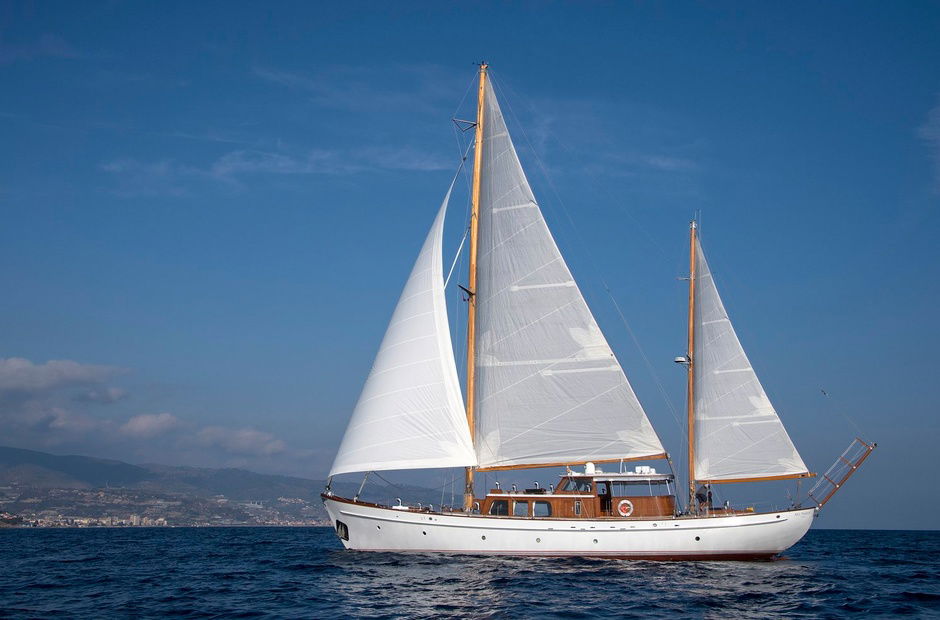

Images have been gathered from various sources and belong to their respective owners.
Review - Abeking & Rasmussen Sea Prince

MarineBroker
01/18/2024, 3:18 PM
1953 Abeking & Rasmussen Sea Prince: What Owners and Enthusiasts Should Know Before Restoring, Buying, or Caring for This Classic Yacht
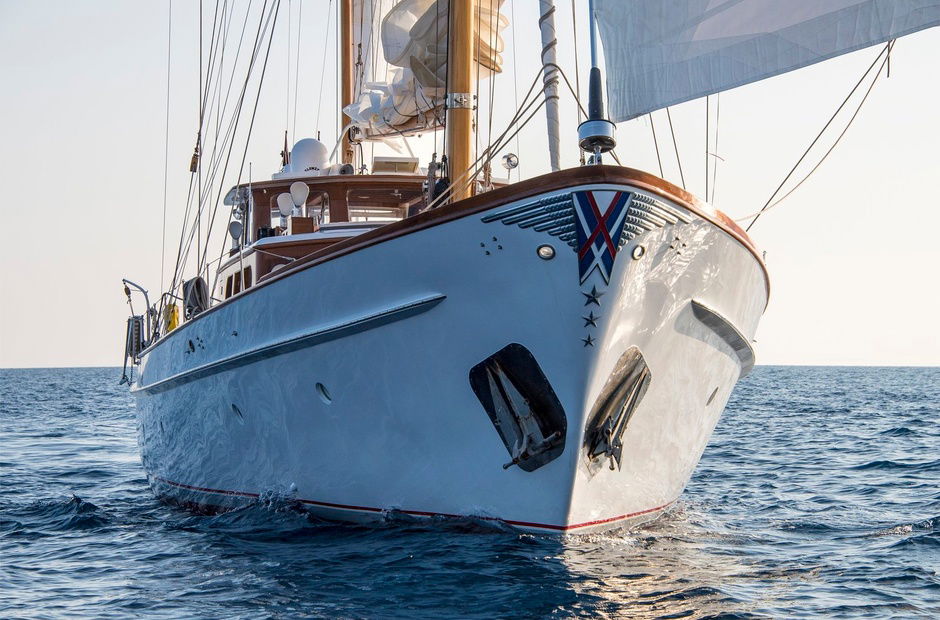
The 1953 Abeking & Rasmussen Sea Prince is the kind of boat that stops people in their tracks. Even decades later, it still carries the elegant lines, craftsmanship, and quiet confidence that made mid-century European yachts so admired. If you’re drawn to this classic vessel, chances are you’re not just looking at a boat—you’re looking at a piece of maritime history.
But owning, restoring, or even evaluating a yacht like the 1953 Abeking & Rasmussen Sea Prince comes with a real challenge: these boats were built in a different era, and that means age-related issues, maintenance surprises, and sourcing original-style materials can get complicated fast. A beautiful classic can quickly become overwhelming if you don’t know what to inspect, what to preserve, and what to modernize.
The good news? With the right approach, classic yacht ownership becomes much more manageable. Whether you’re a prospective buyer, a current owner, or simply researching the Sea Prince, understanding its construction, common concerns, and smart maintenance strategies can save time, money, and stress. Let’s break down what makes this yacht special and how to handle it the right way.
- What Makes the 1953 Abeking & Rasmussen Sea Prince Special
Abeking & Rasmussen has long been known for high-end German yacht building, and the Sea Prince reflects that reputation. By the early 1950s, the yard was producing vessels with a strong emphasis on craftsmanship, seaworthiness, and refined detailing.
Classic yachts from this period often stand out for a few reasons:
- Hand-built wooden construction or wood-heavy structural elements
- Elegant hull lines designed for both style and offshore capability
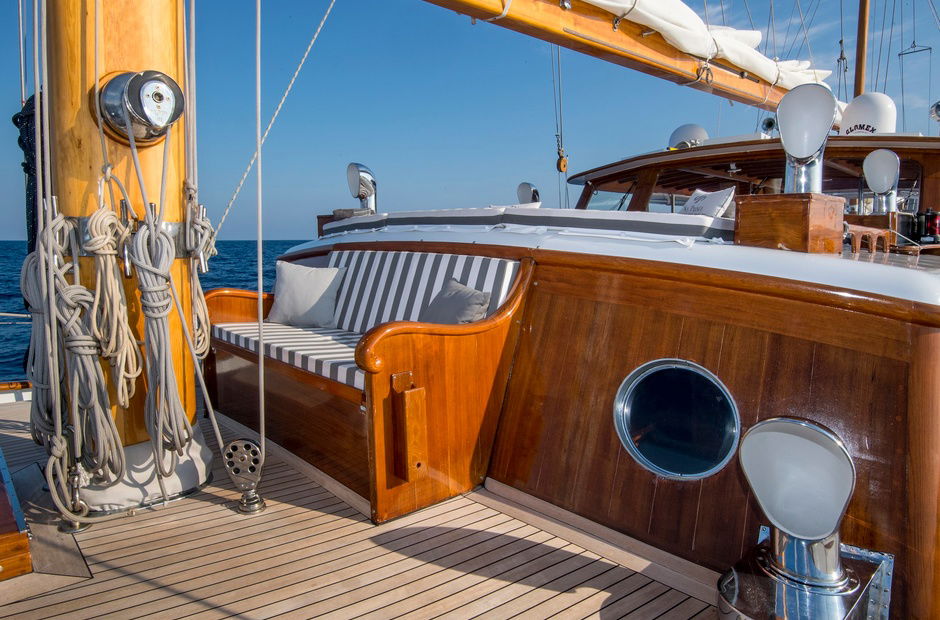
- Interior joinery that feels more like fine furniture than standard marine finish work
- A level of durability that, when maintained properly, can last for generations
For enthusiasts, the appeal is obvious. The Sea Prince is not just a collectible; it’s a floating example of postwar yacht design at a time when builders still prioritized artisan methods over mass production.
That said, age is both part of the charm and part of the challenge. A 1953 yacht may have had multiple refits, repairs, and upgrades over the years. Knowing the boat’s history is just as important as admiring its appearance.
- The Main Problem: Classic Beauty Comes With Hidden Maintenance Risks
The biggest issue for people interested in the 1953 Abeking & Rasmussen Sea Prince is simple: classic yachts can look ready to use while hiding expensive problems underneath.
That’s especially true for wooden or partially wooden boats, which may suffer from:
- Moisture intrusion
- Rot in structural or cosmetic timber
- Fastener corrosion
- Delamination in later repairs
- Aging mechanical systems
- Electrical upgrades that don’t meet current standards
- Past restoration work done with incompatible materials
A classic yacht might appear polished on the outside, but the real condition often depends on what’s happening below the surface. This is why many buyers and owners feel uncertain. They may love the boat, but they don’t always know how to judge whether it’s a worthy project or a money pit.
The solution is not to avoid the yacht. It’s to evaluate it the right way and create a maintenance plan that respects the boat’s age and construction.
- How to Evaluate a 1953 Abeking & Rasmussen Sea Prince Before You Commit
If you’re considering buying or restoring a Sea Prince, start with a disciplined inspection. A classic yacht should never be judged by cosmetics alone.
Focus on these key areas:
- Hull condition
Look for signs of plank movement, soft spots, blistering, leaks, or previous repairs. On wooden classics, hull integrity is everything.
- Decks and caulking
Deck seams, caulking, and fasteners can reveal whether the vessel has been consistently maintained. Loose seams or recurring leaks are red flags.
- Structural frames and stringers
These are the backbone of the boat. Any hidden rot or distortion here can lead to major repair costs.
- Engine and propulsion systems
Many classic yachts have had engine replacements or upgrades. That’s not necessarily bad, but you need to know whether the installation was done professionally.
- Electrical systems
Old wiring is one of the most common issues in vintage boats. Outdated systems can create safety hazards and reliability problems.
- Interior moisture damage
Check bilges, lockers, under bunks, and behind panels for mold, mildew, or staining.
- Documentation
A strong ownership and maintenance record can be just as valuable as a pristine finish. It helps you understand what has already been repaired and how.
If possible, hire a surveyor who has experience with classic wooden yachts. Not every marine surveyor is equally comfortable assessing older construction methods, and that expertise matters.
- Why Originality Matters, But So Does Practicality
One of the most common debates in classic yacht ownership is how much originality to preserve.
With a boat like the 1953 Abeking & Rasmussen Sea Prince, originality can add value and historical authenticity. But complete originality is not always realistic or safe. Over time, systems age out, materials become unavailable, and regulations change.
A smart restoration balances preservation and practicality.
Here’s a good rule of thumb:
- Preserve original craftsmanship where it is structurally sound and historically meaningful
- Replace worn mechanical or safety-critical systems when needed
- Use materials and methods that are compatible with the boat’s original design
- Avoid “modernizing” the yacht so heavily that it loses its character
For example, replacing a failing engine or outdated wiring may be necessary. But stripping out all the original joinery or changing the boat’s profile would undermine what makes it special.
This balanced approach is often the best solution for owners who want both usability and authenticity.
- Common Restoration Challenges on a Classic Yacht Like the Sea Prince
Restoring a classic yacht is rewarding, but it can also be unpredictable. The biggest challenge is that problems often come in layers.
A small leak might have caused hidden rot. A previous repair may have used the wrong epoxy or fasteners. A system upgrade may have been installed neatly but not safely.
Some of the most common restoration challenges include:
- Finding matching wood species and grain
- Repairing or replacing traditional joinery
- Dealing with old paint layers and surface preparation
- Rebuilding aging engine beds or mounts
- Upgrading plumbing and electrical systems without damaging original interiors
- Preventing future moisture damage after repairs
This is where patience becomes a major asset. Classic yacht work is not usually fast, and it rarely rewards shortcuts.
A good restoration plan should include:
1. Full inspection and documentation
2. Prioritizing structural issues first
3. Addressing mechanical and electrical safety
4. Preserving cosmetic details after core systems are stable
5. Scheduling regular follow-up maintenance
If you skip the first steps and jump straight to polishing varnish, you may be hiding problems instead of solving them.
- The Best Maintenance Strategy for Long-Term Ownership
Whether you already own the 1953 Abeking & Rasmussen Sea Prince or are preparing for ownership, the best way to protect your investment is through consistent maintenance.
Classic yachts don’t respond well to neglect. Even when they’re not being used often, they still need attention.
A practical maintenance routine should include:
- Regular bilge checks for water intrusion
- Monitoring humidity and ventilation in enclosed spaces
- Inspecting seams, fasteners, and bedding compounds
- Running engines and generators on a schedule
- Testing electrical circuits and battery systems
- Revarnishing and repainting before surfaces fail completely
- Keeping a maintenance log with dates, repairs, and observations
If the yacht is stored ashore, storage conditions matter too. A dry, ventilated environment is ideal. If the boat is in the water, routine inspections become even more important because moisture exposure is constant.
Small issues are much cheaper to solve early. That’s especially true with wooden classic yachts, where a tiny leak can become structural damage if ignored.
- How to Enjoy the Sea Prince Without Overcomplicating Ownership
One reason people fall in love with classic yachts is that they offer a different kind of boating experience. They’re slower, more graceful, and often more social than modern production boats.
The 1953 Abeking & Rasmussen Sea Prince can be appreciated not just as a collectible, but as a usable vessel if managed correctly.
To keep ownership enjoyable:
- Set realistic expectations about upkeep
- Learn the boat’s systems gradually
- Build a relationship with a specialist yard or technician
- Keep a seasonal maintenance calendar
- Use the boat regularly enough to catch issues early
- Don’t treat every imperfection like a crisis
Classic yacht ownership works best when you accept that care is part of the experience. It’s not just about sailing or cruising; it’s about stewardship.
That mindset makes the process far more rewarding.
- What Buyers Should Ask Before Making a Decision
If you’re evaluating a 1953 Abeking & Rasmussen Sea Prince for purchase, asking the right questions can save you from expensive surprises.
Here are some important ones:
- What parts of the boat are original?
- What major repairs or refits have been completed?
- Has the hull been professionally surveyed recently?
- Are there records for engine and electrical upgrades?
- Was the vessel stored properly over the years?
- Are there signs of recurring leaks or structural movement?
- Who performed the last restoration work?
You should also ask to see the boat in different conditions if possible. A yacht can look very different in dry dock, underway, and after a rainstorm. Moisture-related issues often reveal themselves only under specific conditions.
If the seller can’t provide clear documentation, that doesn’t automatically mean the boat is bad. It does mean you should proceed with extra caution and budget for a more thorough inspection.
- Why the Right Expert Matters More Than the Right Tools
A lot of classic yacht problems are solvable, but only if the person doing the work understands older construction methods.
The Sea Prince may require:
- Traditional wooden boatbuilding knowledge
- Classic varnish and paint techniques
- Mechanical expertise for older engines or retrofit systems
- Electrical knowledge for safe modernization
- Experience with heritage-preservation decisions
This is not the kind of project where generic marine service is always enough. A technician who mainly works on modern fiberglass boats may miss important details.
If you’re serious about the boat, build a team that includes:
- A classic yacht surveyor
- A shipwright or wooden boat specialist
- A marine electrician
- A marine mechanic familiar with vintage or upgraded systems
That team approach is often the difference between a smooth ownership experience and a frustrating one.
- Preserving Value While Keeping the Boat Usable
Many people interested in the 1953 Abeking & Rasmussen Sea Prince want to know how to preserve value without turning the boat into a museum piece.
The answer is to document everything and make thoughtful choices.
Value is often supported by:
- Quality workmanship
- Proper maintenance records
- Structural integrity
- Sensible upgrades
- Preserved original details
- Evidence of consistent care
Avoid unnecessary alterations that change the yacht’s identity. At the same time, don’t delay critical repairs just to keep something “original.” A boat that looks authentic but has unsafe systems is not a good long-term asset.
The sweet spot is a yacht that feels true to its era while being reliable enough to use confidently.
- A Simple Action Plan for Interested Owners
If you’re serious about the Sea Prince, here’s a practical path forward:
1. Research the vessel’s history and available documentation
2. Arrange a survey with a classic yacht specialist
3. Inspect structural, mechanical, and electrical systems carefully
4. Estimate restoration or maintenance costs realistically
5. Decide whether your goal is preservation, refit, or active cruising
6. Build a maintenance plan before purchase or after acquisition
7. Use specialists for work that affects structure, safety, or originality
This approach turns a potentially overwhelming project into a manageable one.
The key is not perfection. The key is clarity.
- Conclusion
The 1953 Abeking & Rasmussen Sea Prince represents the best of classic yacht design: craftsmanship, character, and lasting appeal. But like any vintage vessel, it asks for informed care rather than casual ownership. The most common problem is not the boat itself—it’s uncertainty about condition, restoration quality, and long-term maintenance.
By focusing on inspection, documentation, preservation, and practical upgrades, you can enjoy the yacht without getting buried in avoidable surprises. Whether you’re buying, restoring, or simply admiring this classic, the smartest move is to treat it as both a beautiful object and a serious marine machine. If you want to go deeper, keep learning from classic yacht specialists and restoration resources before making your next step.
Specifications
General
Boat Type: Sail Boats
Class Type: Cruiser
Specifications
Length: 83.01
Beam: 20.01
Draft: 13.12
Hull Material: Aluminium
Build
First Built: 1953
Propulsion
Fuel Type: Diesel
Engines: 1
Power: 0 HP
Brand: Detroit
Accomodation
Cabins: 4
PROS & CONS
What we appreciated
 Classic and timeless design reflecting 1950s yacht craftsmanshipHand-built with high-quality materials and exceptional attention to detailSolid wooden construction offering durability and a warm aestheticPrestigious heritage from renowned German shipyard Abeking & RasmussenPotential for strong appreciation in value as a vintage collector’s item
What we didn’t appreciate
 Requires significant maintenance due to age and wooden constructionOutdated technology and systems compared to modern boatsLimited onboard amenities and comfort by contemporary standardsPotential difficulty sourcing original or compatible replacement partsLower fuel efficiency and performance relative to modern vessels
Upkeep Costs
Annual maintenance and repairs: $5,000 - $15,000
Storage and docking fees: $3,000 - $10,000 per year
Insurance: $1,000 - $3,000 per year
Fuel costs: $1,500 - $5,000 per year depending on usage
Registration and licensing fees: $200 - $500 per year
Rating
6.3
User
Score
Score
Driveability
Technology
Interior
Design
Similar Boats


MarineBroker
Download now for an immersive boat experience like never before! ⛵✨ Your journey begins with a simple click. 🌊📲
#SetSailSmart #DownloadNow
#SetSailSmart #DownloadNow

Subscribe
Copyright 2017 - 2026, Marinebroker.net, All Rights Reserved