Boat Database » Abeking & Rasmussen Baiurdo VI
Abeking & Rasmussen Baiurdo VI
Sail Drive, Diesel, 2x 345 HP
Sail Boats 1992 Abeking & Rasmussen Baiurdo VI: What Owners and Enthusiasts Should Know Before Buying, Restoring, or Maintaining This Classic Yacht
The 1992 Abeking & Rasmussen Baiurdo VI is the kind of yacht that turns heads for all the ri...
Discover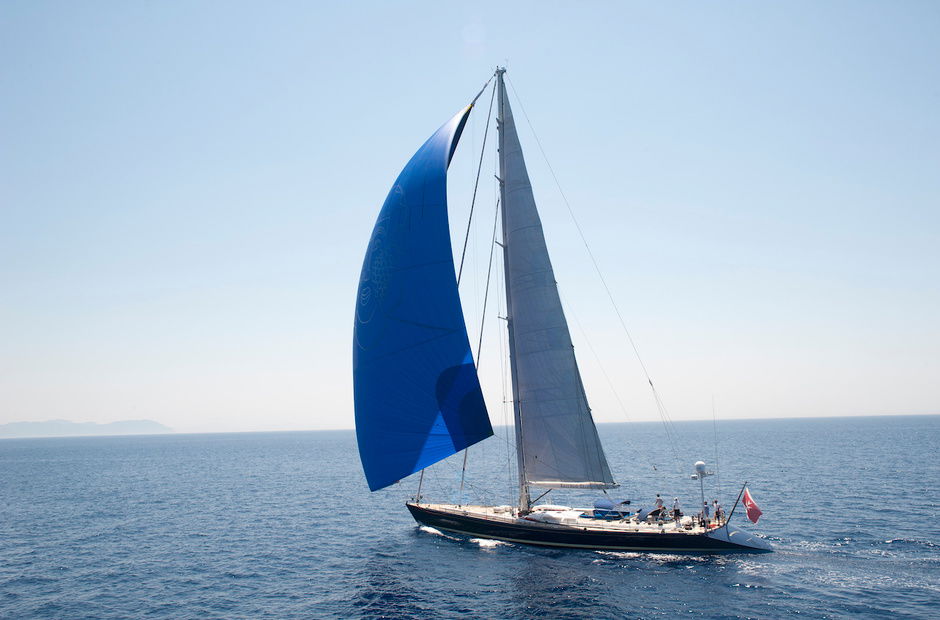
Images have been gathered from various sources and belong to their respective owners.
Review - Abeking & Rasmussen Baiurdo VI

MarineBroker
01/18/2024, 3:08 PM
1992 Abeking & Rasmussen Baiurdo VI: What Owners and Enthusiasts Should Know Before Buying, Restoring, or Maintaining This Classic Yacht
The 1992 Abeking & Rasmussen Baiurdo VI is the kind of yacht that turns heads for all the right reasons. Built by one of Germany’s most respected shipyards, she represents a blend of craftsmanship, elegant design, and serious offshore capability that many modern boats still try to imitate. For enthusiasts, she’s more than a vessel; she’s a piece of yachting history with a personality of her own.
But owning or evaluating a yacht like this also comes with a real challenge: how do you judge whether an older luxury yacht is still a smart, seaworthy, and practical choice? Buyers and admirers often get caught between the romance of classic superyacht ownership and the reality of maintenance, refit costs, and technical aging. That’s where a clear, informed approach makes all the difference.
In this article, we’ll look at the 1992 Abeking & Rasmussen Baiurdo VI from a practical angle. Whether you’re considering purchase, planning a refit, or simply researching her background, you’ll find useful guidance on what to inspect, what to expect, and how to make confident decisions around a yacht of this caliber.
- Why the 1992 Abeking & Rasmussen Baiurdo VI Still Matters
Abeking & Rasmussen has long been associated with quality yachtbuilding, especially in the upper end of the market. A yacht like Baiurdo VI carries the hallmarks of a builder that prioritizes structure, finish, and long-term durability.
For many people, the appeal of a 1992 yacht comes down to three things:
- Classic design that has aged gracefully
- Solid construction from a reputable shipyard
- The opportunity to own something distinctive rather than mass-produced
Unlike newer production yachts that can feel more standardized, a vessel like Baiurdo VI often reflects bespoke design choices and a stronger sense of individuality. That can be a huge plus, especially for owners who value character and craftsmanship.
At the same time, older yachts demand a more careful eye. The key is not just admiring the build quality, but understanding how age affects systems, materials, and running costs.
- The Main Problem: Age, Complexity, and Hidden Costs
The biggest issue with a yacht like the 1992 Abeking & Rasmussen Baiurdo VI is not whether she was well built. It’s whether the boat has been maintained, upgraded, and documented properly over time.
Older luxury yachts can look beautiful on the outside while hiding expensive issues underneath. That creates a common problem for buyers and enthusiasts alike:
- Unclear maintenance history
- Aging mechanical and electrical systems
- Outdated navigation and safety equipment
- Interior wear that may not be obvious in photos
- Structural or moisture-related concerns
This is where many people underestimate the total cost of ownership. The purchase price is only part of the story. Refits, surveys, insurance, berthing, crewing, and routine upkeep can quickly add up.
A smart approach means looking beyond the glamour and asking the right questions early.
- What Makes the 1992 Abeking & Rasmussen Baiurdo VI Worth Studying
The 1992 Abeking & Rasmussen Baiurdo VI is worth attention because yachts from this era often sit in a sweet spot. They can offer better build quality than many newer mid-market boats, while still being available at a more approachable entry point than a brand-new superyacht.
That said, value depends heavily on condition.
Here’s why a yacht like this can still be compelling:
- Strong hull and structural pedigree
- Proven offshore design principles
- High-quality joinery and interior workmanship
- Potential for customization during refit
- Longevity if properly maintained
For an experienced owner, this can be a great platform. For a first-time buyer, it can be a rewarding but demanding project. The difference usually comes down to preparation.
- How to Evaluate a Classic Superyacht the Right Way
If you’re seriously interested in the 1992 Abeking & Rasmussen Baiurdo VI, the evaluation process matters more than the brochure. A polished presentation can hide a lot, so you want a methodical review.
- Start with the Paper Trail
Documentation is one of the strongest indicators of how a yacht has been treated.
Look for:
- Original build records
- Class and flag documentation
- Maintenance logs
- Engine and generator service history
- Refit invoices
- Survey reports
- Safety inspection records
A yacht with complete paperwork is much easier to trust than one with vague or missing history. If records are incomplete, assume extra due diligence will be needed.
- Inspect the Hull and Structure
A careful hull inspection should include both visual checks and professional surveying. Even if the yacht appears clean, age-related issues can show up in hidden places.
Pay close attention to:
- Moisture intrusion
- Osmosis, if applicable to the construction
- Fairing and paint condition
- Evidence of prior repairs
- Keel, rudder, and appendage integrity
- Signs of impact or grounding
A surveyor familiar with classic yachts can often spot patterns that a casual observer misses.
- Review Machinery and Systems
On a yacht from 1992, machinery condition is often the difference between a manageable project and a money pit.
Key systems to inspect:
- Main engines
- Gearboxes
- Generators
- Fuel system
- Steering and hydraulics
- Bilge pumps
- Air conditioning
- Plumbing and freshwater systems
- Electrical panels and wiring
If these systems have been upgraded over time, that’s a major plus. If they’re original or partially original, plan for replacement or modernization.
- Interior and Cosmetic Condition
The interior of a yacht like Baiurdo VI can be a major part of her appeal, but it can also hide wear and tear.
Check for:
- Water stains
- Soft decking or flooring
- Loose veneers
- Corrosion around fittings
- Musty smells that suggest moisture problems
- Upholstery degradation
- Cabinet and hardware wear
A beautiful interior is nice, but it should never distract from the condition of the boat’s core systems.
- Common Issues on Older Luxury Yachts
Not every classic yacht has the same problems, but certain issues show up again and again across vessels from the early 1990s.
- Outdated Navigation and Electronics
Navigation systems have changed dramatically since 1992. Even if the yacht was once top-of-the-line, the original electronics are usually obsolete.
Modern upgrades often include:
- Multifunction displays
- AIS
- Radar
- GPS chart plotters
- Modern autopilot systems
- Updated communication equipment
This is one of the easiest areas to improve, but it still needs proper integration.
- Electrical Aging
Electrical systems are a common weak point in older yachts. Over time, wiring insulation degrades, connections loosen, and previous modifications can create messy or unsafe setups.
Watch for:
- Non-standard wiring changes
- Corroded terminals
- Overloaded circuits
- Weak battery banks
- Poor labeling in distribution panels
A full electrical audit is a smart move before purchase.
- Mechanical Wear
Engines and generators can last a long time, but only if they’ve been serviced consistently. Hours alone do not tell the whole story.
A low-hour engine that sat unused for long periods may be as concerning as a high-hour one with excellent maintenance. Look for signs of proper exercise, oil analysis, cooling system care, and regular servicing.
- Moisture and Ventilation Problems
Older yachts often suffer from moisture buildup in hidden areas. That can lead to mold, odors, corrosion, and interior damage.
Focus on:
- Engine room ventilation
- Locker ventilation
- Window and hatch seals
- Deck leaks
- Condensation-prone spaces
Moisture is one of those problems that spreads slowly, then gets expensive fast.
- The Practical Solution: A Smart Refitting Strategy
If the 1992 Abeking & Rasmussen Baiurdo VI is on your radar, the best solution is not to expect perfection. Instead, treat her as a high-quality platform that may need selective upgrading.
A good refit strategy should prioritize the following:
- Safety first
- Reliability second
- Comfort and aesthetics third
That order helps prevent overspending on cosmetic work before the boat is mechanically sound.
- Step 1: Make the Boat Safe and Seaworthy
Before thinking about new fabrics or polished finishes, address the essentials.
Typical priorities include:
- Fire suppression systems
- Bilge pumping capacity
- Life-saving equipment
- Navigation and communication tools
- Engine reliability
- Steering and control systems
A yacht that looks great but cannot be trusted offshore is not a good investment.
- Step 2: Upgrade the Systems That Matter Most
Once safety is covered, focus on systems that improve everyday usability.
High-value upgrades often include:
- Modern batteries and charging systems
- LED lighting
- Efficient air conditioning
- Updated water heaters
- New electronics suite
- Improved insulation and soundproofing
These changes can make a classic yacht feel dramatically more modern without compromising her character.
- Step 3: Preserve the Yacht’s Character
One of the biggest mistakes in refitting a classic yacht is over-modernizing it until the original charm disappears.
A better approach is to preserve:
- Original joinery where possible
- Signature design features
- High-quality materials
- Timeless layout elements
The goal is to enhance the yacht, not erase her identity.
- What to Ask Before You Buy
If you’re considering the 1992 Abeking & Rasmussen Baiurdo VI, asking the right questions can save you from expensive surprises.
Here are some essentials:
1. When was the last major refit?
2. Which systems are original, and which have been replaced?
3. Are there full survey reports available?
4. Has the yacht had any grounding, collision, or structural repairs?
5. What are the current engine hours and service records?
6. How much has been spent annually on maintenance?
7. Is the vessel ready for immediate use, or does she need work?
A seller’s answers should be specific, not vague. If the response is “everything is fine,” that usually means you need more digging.
- Who Is This Yacht Best Suited For?
The 1992 Abeking & Rasmussen Baiurdo VI is not for everyone, and that’s part of her appeal.
She’s best suited for:
- Experienced yacht owners
- Buyers who appreciate classic craftsmanship
- People willing to invest in maintenance and upgrades
- Enthusiasts who value individuality over mass-market convenience
- Owners looking for a refit project with strong pedigree
She may be less ideal for someone who wants a low-maintenance, turn-key boat with minimal involvement. Classic superyachts reward attention, planning, and a realistic budget.
- How to Estimate Ownership Costs More Realistically
One of the smartest things you can do is build a realistic annual ownership model before committing.
Consider these cost categories:
- Routine maintenance
- Fuel
- Dockage or marina fees
- Insurance
- Crew salaries, if applicable
- Spare parts
- Survey and compliance costs
- Unexpected repairs
- Refit reserve fund
A good rule of thumb is to leave room for surprise expenses. Older yachts rarely stay within a neat budget unless they are exceptionally well maintained and lightly used.
If you’re evaluating Baiurdo VI or a similar yacht, don’t just ask, “Can I buy her?” Ask, “Can I comfortably own her for the next five years?”
- Why Surveys and Expert Advice Matter So Much
With a yacht of this age and pedigree, professional help is not optional. It’s essential.
You’ll want experts who understand:
- Classic yacht construction
- Older marine electrical systems
- Diesel machinery
- Superyacht refit planning
- Moisture detection and structural assessment
A general boat inspection is not enough. The goal is to understand the condition of the yacht in a way that supports informed decision-making.
Even if you’re not buying, expert input helps if you’re restoring or managing the vessel. It can save time, reduce risk, and help you prioritize spending where it matters most.
- The Upside of Owning a Yacht Like the 1992 Abeking & Rasmussen Baiurdo VI
Despite the challenges, there’s a lot to like about a yacht with this kind of heritage.
Owners often enjoy:
- A stronger sense of pride and uniqueness
- Better craftsmanship than many newer boats
- A more personal ownership experience
- The ability to tailor the yacht through refit
- A vessel with genuine maritime character
For the right owner, that combination is hard to beat. A classic yacht can be deeply satisfying because it feels like a living project, not just a floating appliance.
- Final Thoughts on the 1992 Abeking & Rasmussen Baiurdo VI
The 1992 Abeking & Rasmussen Baiurdo VI stands out because she combines pedigree, craftsmanship, and classic yacht appeal in a way that still resonates today. But like any older luxury yacht, her value depends on condition, documentation, and how well she has been maintained over time.
If you approach her with a clear plan, a strong survey process, and realistic expectations, she can be a rewarding platform for ownership or restoration. The smartest path is to focus on safety, systems, and structural integrity first, then preserve the character that makes her special.
For anyone researching this yacht, the best next step is simple: gather the facts, consult the right experts, and evaluate her as both a passion project and a practical marine asset.
Specifications
General
Boat Type: Sail Boats
Class Type: Cruiser
Specifications
Length: 114.17
Beam: 24.93
Draft: 16.4
Hull Material: Aluminium
Build
First Built: 1992
Propulsion
Fuel Type: Diesel
Engines: 2
Power: 345 HP
Brand: Mercedes
Accomodation
Cabins: 4
PROS & CONS
What we appreciated
 Classic and timeless design reflecting high craftsmanshipRobust and durable wooden hull constructionSpacious and comfortable interior layoutExcellent sailing performance for a yacht of its sizePrestigious brand with a strong reputation in yacht building
What we didn’t appreciate
 Older build may require significant maintenance and restorationOutdated onboard technology compared to modern yachtsPotentially higher operating costs due to older systemsLimited availability of spare parts for vintage componentsHeavier weight affecting speed and maneuverability compared to newer designs
Upkeep Costs
Annual maintenance and repairs: $30,000 - $50,000
Docking and marina fees: $10,000 - $25,000 per year
Insurance: $15,000 - $30,000 per year
Fuel costs: $20,000 - $40,000 per year (depending on usage)
Crew salaries (if applicable): $100,000 - $250,000 per year
Rating
7.7
User
Score
Score
Driveability
Technology
Interior
Design
Similar Boats


MarineBroker
Download now for an immersive boat experience like never before! ⛵✨ Your journey begins with a simple click. 🌊📲
#SetSailSmart #DownloadNow
#SetSailSmart #DownloadNow

Subscribe
Copyright 2017 - 2026, Marinebroker.net, All Rights Reserved