Boat Database » AB Inflatables Profile A 13
AB Inflatables Profile A 13
Outboard four-stroke, Unleaded, 1x 40 HP
Power Boats 2018 AB Inflatables Profile A 13: A Practical Guide to Choosing, Using, and Maintaining a Compact RIB
If you’ve been looking at the 2018 AB Inflatables Profile A 13, chances are you’re trying to solve a very specific boating prob...
Discover
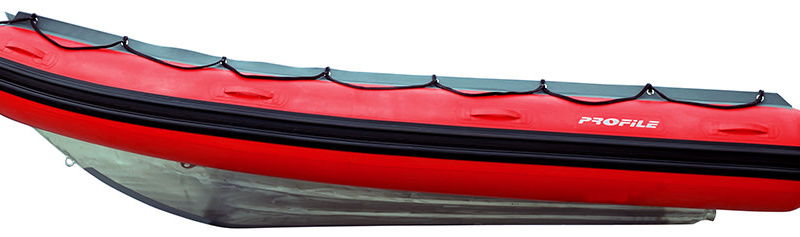
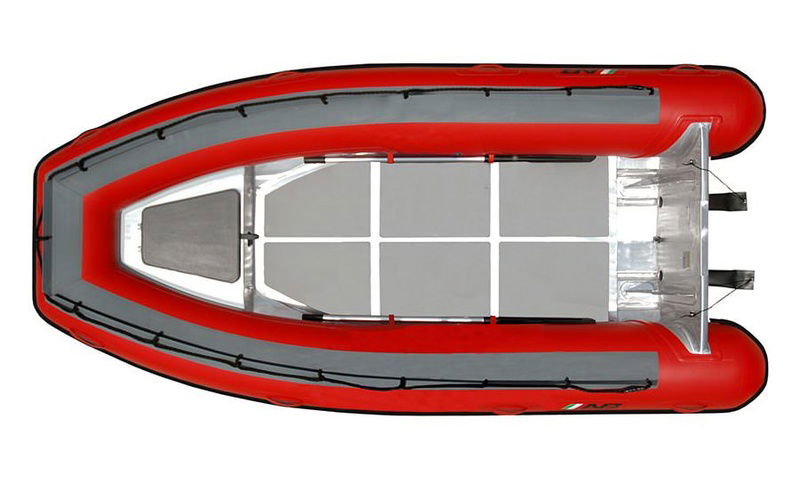
Images have been gathered from various sources and belong to their respective owners.
Review - AB Inflatables Profile A 13

MarineBroker
01/16/2024, 9:59 AM
2018 AB Inflatables Profile A 13: A Practical Guide to Choosing, Using, and Maintaining a Compact RIB
If you’ve been looking at the 2018 AB Inflatables Profile A 13, chances are you’re trying to solve a very specific boating problem: you want a tender or small runabout that feels stable, easy to handle, and simple to store without giving up too much comfort or performance. That’s a common challenge for boaters who need a compact inflatable but don’t want something flimsy, cramped, or hard to manage.
The Profile A 13 sits in that interesting middle ground. It’s small enough to be practical for docking, trailering, and storage, but it still offers the rigid inflatable boat advantages many owners appreciate—good buoyancy, confident handling, and a layout that can work well for short trips, errands, or as a yacht tender. For many people, the real question isn’t whether a 13-foot RIB can work. It’s whether it can work well for their specific use case.
In this guide, we’ll break down what makes the 2018 AB Inflatables Profile A 13 worth considering, the problems it can help solve, and the smart ways to get the most out of a boat in this size class.
- Why the 2018 AB Inflatables Profile A 13 appeals to so many boaters
The first thing that draws people to the 2018 AB Inflatables Profile A 13 is its size. A 13-foot RIB is compact enough to stay manageable, but not so tiny that it feels limiting right away.
That matters because a lot of boat owners are trying to balance three things:
- Easy storage
- Simple handling
- Enough space for real-world use
For many, that’s the core problem. Larger boats may offer more room, but they also create more headaches with launching, docking, towing, and maintenance. Smaller inflatables can be easy to move around, but some feel too light, too soft, or too basic for regular use.
A boat like the Profile A 13 helps bridge that gap. It’s the kind of boat that can make sense as:
- A yacht tender
- A harbor shuttle
- A short-distance utility boat
- A weekend fun boat
- A backup craft for quick trips
Its appeal comes from practicality. You’re not buying it to do everything. You’re buying it because it can do a few important things well.
- The most common problem: wanting more boat without more hassle
A lot of people shopping for a compact inflatable are really asking the same question: “How do I get a boat that feels solid and useful, without turning every outing into a project?”
That’s where smaller RIBs stand out.
Traditional hard-sided boats can be great, but they often require more storage space, more maintenance, and more effort to launch. On the other hand, basic soft inflatables can be lightweight and convenient, but they may feel less stable underfoot or less confidence-inspiring in chop.
The 2018 AB Inflatables Profile A 13 is relevant because it addresses that middle-ground problem. It gives you:
- A rigid hull for improved handling
- Inflatable tubes for buoyancy and docking protection
- A compact footprint for easier storage
- A layout that can work for everyday boating tasks
For many owners, that combination is the solution to a very real frustration: they want a boat that is easy enough to own that they’ll actually use it.
- What the 2018 AB Inflatables Profile A 13 is best suited for
Not every boat is built for every job. That’s why it helps to think about the Profile A 13 in terms of use cases rather than just specs.
This boat tends to make the most sense for people who need a small, dependable craft for:
- Short coastal runs
- Marina and dock transport
- Tender duties
- Calm-water cruising
- Fishing in protected waters
- Quick family outings
If your boating style is mostly about convenience and flexibility, a 13-foot RIB can be a strong fit. It’s especially useful when you need a boat that can be launched quickly and stored without much drama.
It may not be the ideal choice if you regularly carry a large group, plan long offshore trips, or need a boat with lots of gear space. But for many owners, that’s not the goal anyway.
The key is matching the boat to the mission. The 2018 AB Inflatables Profile A 13 works best when the mission is simple, repeatable, and practical.
- Why size matters more than people think
When people shop for small boats, they often focus on length alone. But with compact RIBs, how the boat handles its size matters just as much as the number on the spec sheet.
A 13-foot boat can be surprisingly capable if it’s designed well. The rigid hull helps the boat track better than many soft inflatables, while the tubes add a forgiving feel when docking or maneuvering around tight spaces.
That combination can solve a common issue for newer boaters: nervousness in close quarters.
If you’ve ever worried about bumping a dock, scraping a hull, or struggling to control a light boat in a breeze, a RIB can make things feel more manageable. The inflated tubes act almost like built-in fenders, which is a big help when docking alongside a pier or approaching another vessel.
In practical terms, that means:
- Less stress when maneuvering
- More confidence for new operators
- Better protection in tight marina spaces
- A more forgiving experience when boarding or unloading
For many boaters, that peace of mind is worth a lot.
- The benefits of a rigid inflatable boat in this size range
Rigid inflatable boats have a few advantages that really show up in smaller models.
First, they tend to feel more stable than you’d expect. The tubes provide flotation at the edges, which helps with balance when boarding or shifting weight. That’s useful if you’re bringing along gear, kids, or a couple of passengers.
Second, the rigid hull gives the boat a more predictable ride than a purely soft inflatable. In calm to moderate conditions, that can make the boat feel more composed and responsive.
Third, the tube design helps absorb minor impacts. That’s one reason RIBs are so popular as tenders and utility boats. They’re simply easier to live with in real dockside conditions.
Here’s what that can mean for an owner:
- Easier boarding from a dock or swim platform
- Better stability at rest
- More confidence when approaching other boats
- Less worry about minor bumps
The 2018 AB Inflatables Profile A 13 fits neatly into this category. It’s not trying to be a luxury cruiser. It’s trying to be a practical, reliable small craft that makes boating simpler.
- How to decide if the 2018 AB Inflatables Profile A 13 is right for you
The best way to choose a boat like this is to think honestly about how you’ll actually use it.
Ask yourself:
- Will I mostly use it for short trips?
- Do I need a tender for a larger boat?
- Is easy storage more important than cabin space?
- Will I launch and retrieve it often?
- Do I want something simple to maintain?
If you answered yes to most of those, a compact RIB like the Profile A 13 may be a good fit.
It’s especially appealing for boaters who want to reduce friction. In other words, you want a boat that doesn’t require a big production just to enjoy a few hours on the water.
That’s a real problem in boating. The more complicated the boat, the less likely some owners are to use it regularly. A smaller RIB can help solve that by being easier to keep ready.
- Practical tips for getting the most from a 13-foot RIB
Owning a small inflatable isn’t just about buying the right model. It’s also about using it well.
Here are a few practical ways to get more value from a boat like the 2018 AB Inflatables Profile A 13:
1. Keep load management simple
Small boats can feel crowded fast. Keep gear organized and avoid bringing unnecessary items onboard.
2. Match your expectations to the conditions
A 13-foot boat is best in protected waters or moderate conditions. It can handle a lot for its size, but it’s still a compact craft.
3. Use proper inflation pressure
Inflatable tubes need to be maintained at the correct pressure. Underinflation can affect performance and handling.
4. Check weight distribution
Where people and gear sit matters. Balanced loading helps the boat ride better and feel more stable.
5. Clean and inspect regularly
Salt, sun, and grime can wear on any boat. A quick rinse and routine check go a long way.
6. Store it smartly
If possible, keep the boat covered and out of direct sunlight when not in use. That helps extend the life of the tubes and fittings.
These are simple habits, but they make a big difference over time.
- Maintenance basics that keep a small RIB performing well
One of the biggest advantages of a small inflatable boat is that maintenance can be relatively straightforward. Still, it’s easy to overlook the basics when a boat is small enough to seem “low effort.”
That’s where owners sometimes run into avoidable problems.
Common maintenance priorities include:
- Washing off salt after use
- Inspecting seams and tubes for wear
- Checking the hull for damage or scuffs
- Looking over valves and fittings
- Making sure fuel systems and electrical components are in good shape, if applicable
- Protecting the boat from prolonged UV exposure
If you’re using the 2018 AB Inflatables Profile A 13 as a tender, this routine becomes even more important because tenders often get used frequently and docked in rougher everyday conditions.
A little attention keeps the boat dependable. And with compact boats, dependability is everything.
- What to look for when evaluating a used 2018 AB Inflatables Profile A 13
Since this is a 2018 model, some readers may be looking at the used market. That makes inspection especially important.
When checking out a used inflatable, pay close attention to:
- Tube condition: Look for patches, fading, or weak spots
- Hull integrity: Check for cracks, repairs, or soft areas
- Transom condition: Make sure it feels solid and secure
- Valves: Confirm they hold air properly
- Floor and fittings: Inspect for wear, corrosion, or looseness
- Overall cleanliness: A well-kept boat usually tells a good story
Also, ask how the boat was stored. A boat kept covered and out of the sun often ages much better than one left exposed.
If possible, take the boat for a test run. You want to see how it handles under real conditions, not just how it looks at the dock.
- How the 2018 AB Inflatables Profile A 13 compares to bigger boats
Bigger boats have advantages, of course. More room, more storage, and often more comfort. But they also come with tradeoffs.
A smaller RIB like the Profile A 13 may be a better choice if you value:
- Faster launch and retrieval
- Easier towing
- Lower storage demands
- Simpler maintenance
- Better dockside maneuverability
That’s the tradeoff: less space, but more convenience.
For many owners, that’s not a compromise. It’s the whole point.
If you’re mainly doing short, practical boating tasks, a compact RIB can actually be the smarter option. It removes barriers that keep people from going out on the water in the first place.
- Common mistakes to avoid with a compact inflatable boat
A small boat can be incredibly useful, but only if you avoid a few common mistakes.
Here are the big ones:
- Overloading the boat with passengers or gear
- Using it in conditions beyond its intended purpose
- Neglecting tube pressure checks
- Skipping routine cleaning and inspection
- Storing it in harsh sun for long periods
- Ignoring small repairs until they become bigger issues
The nice thing about avoiding these mistakes is that none of them require advanced skills. They just require consistency.
That’s one reason the 2018 AB Inflatables Profile A 13 can be a good fit for practical boaters. It rewards simple, steady care.
- Why the right small boat can improve your boating lifestyle
Boating should feel enjoyable, not complicated. That sounds obvious, but a lot of owners end up with boats that are more demanding than rewarding.
A well-chosen compact RIB can change that. It can make spontaneous outings easier, reduce the stress of docking, and give you a dependable way to get on the water without a huge setup.
For some people, that means more family time. For others, it means a better tender for a larger vessel. For others still, it means finally having a boat that fits their storage space and schedule.
That’s the real value of something like the 2018 AB Inflatables Profile A 13. It’s not just about the boat itself. It’s about removing friction from the boating experience.
- Conclusion
The 2018 AB Inflatables Profile A 13 is a strong example of how a small RIB can solve a very common boating problem: wanting a boat that’s easy to own, easy to handle, and still capable enough for everyday use. Its compact size, rigid hull, and inflatable tube design make it a practical choice for short trips, tender work, and protected-water boating.
If you’re considering a boat in this class, focus on how you’ll actually use it, not just on size or appearance. A well-maintained compact RIB can offer a lot of value when matched to the right job. If you want to keep learning, it’s worth comparing setup options, maintenance needs, and storage considerations before making a final decision.
Specifications
General
Boat Type: Power Boats
Class Type: Rigid Inflatable Boats
Specifications
Length: 12.99
Beam: 6.56
Draft: 1.67
Hull Material: Aluminium
Build
First Built: 2018
Propulsion
Fuel Type: Unleaded
Engines: 1
Power: 40 HP
Brand: Unknown
Accomodation
PROS & CONS
What we appreciated
 Durable Hypalon material construction for long-lasting performanceLightweight and easy to transport due to inflatable designHigh load capacity suitable for multiple passengers and gearGood stability and handling in various water conditionsCompact size makes it easy to store and launch
What we didn’t appreciate
 Limited onboard storage space compared to hard boatsInflatable design can be vulnerable to punctures if not handled carefullyLess rigid hull performance compared to traditional RIBsRequires regular maintenance to keep inflatable tubes in good conditionMay have lower top speed due to lighter and flexible structure
Upkeep Costs
Insurance: $300 - $600 per year
Maintenance: $200 - $500 per year
Fuel: $500 - $1,200 per year (depending on usage)
Storage: $300 - $800 per year
Registration and Licensing: $50 - $150 per year
Rating
4.8
User
Score
Score
Driveability
Technology
Interior
Design
Similar Boats


MarineBroker
Download now for an immersive boat experience like never before! ⛵✨ Your journey begins with a simple click. 🌊📲
#SetSailSmart #DownloadNow
#SetSailSmart #DownloadNow

Subscribe
Copyright 2017 - 2026, Marinebroker.net, All Rights Reserved