Boat Database » AB Inflatables Navigo 13 VS
AB Inflatables Navigo 13 VS
Outboard four-stroke, Unleaded, 1x 40 HP
Power Boats 2008 AB Inflatables Navigo 13 VS: How to Keep a Small RIB Safe, Stable, and Useful on the Water
If you’re looking at the 2008 AB Inflatables Navigo 13 VS, chances are you already appreciate what a compact rigid inflatable boat ca...
Discover
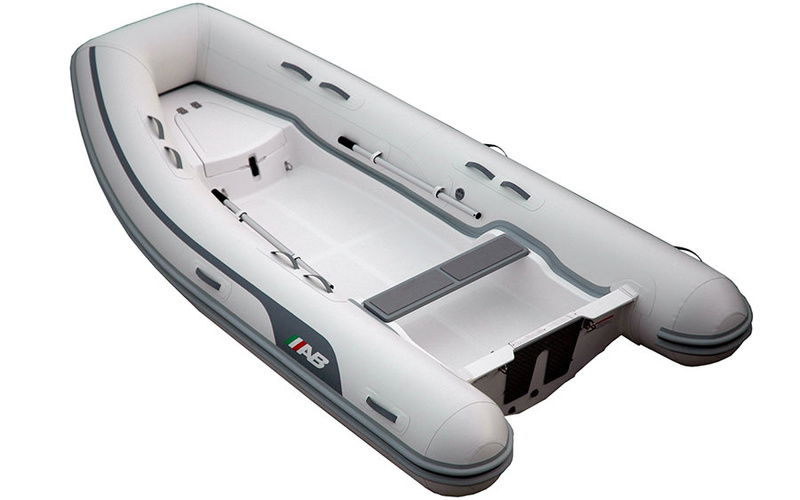
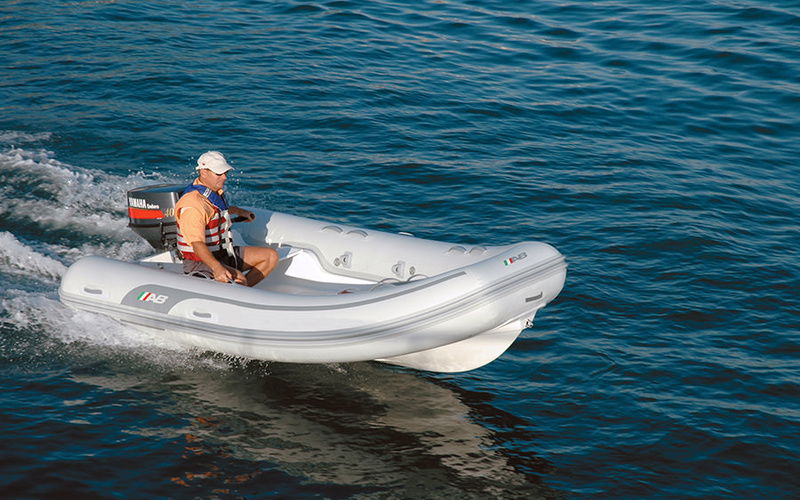

Images have been gathered from various sources and belong to their respective owners.
Review - AB Inflatables Navigo 13 VS

MarineBroker
01/15/2024, 6:36 AM
2008 AB Inflatables Navigo 13 VS: How to Keep a Small RIB Safe, Stable, and Useful on the Water
If you’re looking at the 2008 AB Inflatables Navigo 13 VS, chances are you already appreciate what a compact rigid inflatable boat can do. It’s small enough to trailer easily, light enough to handle without a full crew, and versatile enough for tender duty, shoreline runs, fishing, or quick family outings. But with a boat this size, the real challenge usually isn’t whether it can go on the water — it’s how to get the most out of it safely and comfortably.
That’s where many owners and buyers run into the same problem: a 13-foot RIB can feel limited if it’s not set up, maintained, and used with its strengths in mind. Too much gear, the wrong engine setup, poor weight distribution, or neglected maintenance can make the boat feel less stable, less efficient, and less enjoyable than it should be.
The good news is that the solution is usually straightforward. With the right setup, smart loading habits, and a few practical maintenance and handling tips, the 2008 AB Inflatables Navigo 13 VS can be a very capable little boat. In this article, we’ll break down the common issues owners face and show you how to solve them in a practical, real-world way.
- What Makes the 2008 AB Inflatables Navigo 13 VS Stand Out
The 2008 AB Inflatables Navigo 13 VS is part of a category that’s popular for a reason: compact RIBs offer a strong mix of portability, durability, and versatility. The Navigo line is known for practical design, and the 13 VS fits the needs of boaters who want a manageable platform without giving up the stability that inflatable tubes provide.
A boat in this size range is often used as:
- A tender for a larger yacht
- A short-range commuter boat
- A fishing platform for calm water
- A family runabout for protected bays and harbors
- A utility boat for dock or island access
What makes this type of boat appealing is its balance. It’s not trying to be a big offshore machine. Instead, it focuses on being easy to launch, easy to store, and easy to operate.
That said, the compact size also means every decision matters more. Weight, engine choice, tube pressure, and load placement all have a bigger effect on performance than they would on a larger hull.
- The Most Common Problem Owners Face: Limited Performance From Poor Setup
With a small RIB like the 2008 AB Inflatables Navigo 13 VS, the most common issue is not the boat itself — it’s how the boat is configured and used.
A lot of owners expect a 13-foot inflatable to perform well no matter what they put on it. In reality, even small changes can affect how the boat rides. A heavy battery in the wrong spot, too many passengers on one side, or an underpowered outboard can make the boat feel sluggish or unstable.
Typical symptoms include:
- Difficulty getting on plane
- Excessive bow rise
- Uneven handling in turns
- Poor fuel efficiency
- A wet ride in choppy water
- Reduced stability at rest
- More vibration or noise than expected
These issues can make a boat that should feel simple and fun become frustrating instead.
The solution is not usually expensive. It’s about matching the boat to its intended use and making sure the setup supports that use.
- Choosing the Right Engine Setup for the 2008 AB Inflatables Navigo 13 VS
One of the biggest factors in how a small RIB performs is engine selection. On a boat like the 2008 AB Inflatables Navigo 13 VS, the outboard should be chosen with both power and weight in mind.
Too little power can leave the boat struggling to plane, especially with two adults, fuel, and gear onboard. Too much engine weight, on the other hand, can affect trim and make the boat squat at the stern.
A good setup usually follows these principles:
- Stay within the manufacturer’s recommended horsepower range
- Favor a lightweight outboard if the boat is used with modest loads
- Match propeller pitch to the boat’s actual loading
- Avoid overloading the transom with unnecessary accessories
For most small RIBs, the “best” engine is not always the biggest one. It’s the one that gives enough thrust to plane efficiently without overwhelming the hull.
Practical tip:
If the boat feels slow to accelerate, don’t immediately assume it needs a larger engine. Sometimes the issue is prop pitch, load distribution, or hull condition.
- How Weight Distribution Affects Ride and Stability
Weight distribution is one of the most overlooked parts of small boat ownership. On a 13-foot RIB, moving just a few items can noticeably change how the boat rides.
If too much weight sits aft, the bow may rise too high during acceleration. If weight is uneven side to side, the boat may list slightly when underway or at rest. That can reduce confidence, especially for newer operators.
A simple weight strategy helps a lot:
- Keep heavy items low and centered
- Place fuel and battery as close to the centerline as possible
- Store anchor and chain toward the bow only if needed for balance
- Avoid piling gear in one corner of the boat
- Ask passengers to sit evenly when possible
A balanced load improves:
- Planing performance
- Fuel efficiency
- Steering response
- Comfort in chop
- Stability while boarding or fishing
Relatable example:
If you’ve ever noticed a small boat “lean” into a turn or wander when trimmed, there’s a good chance the load is uneven rather than the hull being the problem.
- 2008 AB Inflatables Navigo 13 VS Maintenance Tips That Prevent Bigger Problems
Maintenance matters more on a small inflatable because small issues become noticeable quickly. A little air loss, a dirty fuel system, or a neglected propeller can affect performance in a way that’s hard to ignore.
Here are the main areas to keep an eye on:
- Tube pressure
Inflatable tubes should be properly inflated before each outing. Underinflation can make the boat feel soft and less responsive, while overinflation in hot sun can put stress on seams and valves.
- Hull and deck inspection
Look for cracks, loose fittings, corrosion, or signs of water intrusion. Small problems are easier to fix early.
- Valve care
Check valves for leaks, dirt, or damage. A slow leak may not be obvious at first, but it can affect performance over time.
- Engine service
Fresh fuel, clean plugs, proper oil, and a healthy impeller all matter. Small outboards need regular attention to stay reliable.
- Propeller condition
A nicked or bent prop can reduce speed and efficiency. It can also create vibration that feels worse on a lightweight boat.
- Trailer and launch gear
If the boat is trailered, inspect bunks, rollers, lights, straps, and winch hardware. A small boat is easy to launch, but only if the trailer is in good shape.
A few minutes of inspection before every trip can save a lot of hassle later.
- How to Make the 2008 AB Inflatables Navigo 13 VS Feel More Stable
Stability is one of the best qualities of a rigid inflatable boat, but it still depends on how the boat is used. The 2008 AB Inflatables Navigo 13 VS can feel very secure when loaded and operated correctly.
To improve stability:
- Distribute passengers evenly
- Avoid sudden shifts in movement
- Keep gear secure so it doesn’t slide
- Use the boat at sensible speeds for the conditions
- Reduce wake-crossing speed in rough water
- Trim the engine properly for the load
The tubes help provide buoyancy and a soft contact surface with the water, but the hull still needs proper balance. A well-trimmed RIB will feel easier to control and less nervous in small chop.
If the boat feels twitchy, the issue may be trim or load placement rather than hull design. Adjusting those factors often makes a bigger difference than people expect.
- Best Uses for a 13-Foot RIB Like This
The 2008 AB Inflatables Navigo 13 VS is best used where its size is an advantage rather than a limitation. That means protected waters, short runs, and practical utility tasks.
It’s especially well suited for:
- Harbor and marina transport
- Shore access and beach landings
- Calm-water fishing
- Tender duty
- Exploring coves and inlets
- Quick family trips in fair conditions
This kind of boat is not ideal for pushing far offshore or carrying heavy loads in rough water. Knowing the boat’s limits is part of using it well.
A good rule of thumb:
If the weather, distance, or load starts to feel ambitious for a 13-footer, it probably is.
- Smart Gear Choices That Improve the Experience
A small boat can feel much better with the right accessories. The trick is to choose gear that adds function without adding unnecessary weight.
Useful additions include:
- A compact anchor system
- Lightweight dry storage bags
- A small, efficient battery setup
- A simple GPS or phone mount
- Paddles or a backup oar
- A bilge pump or bailer
- Proper PFDs for every passenger
Try to avoid over-accessorizing. A crowded small boat becomes harder to move around in, and extra weight can hurt performance.
For a boat like the 2008 AB Inflatables Navigo 13 VS, simple and functional usually wins.
- What to Check Before Buying a Used One
If you’re considering a used 2008 AB Inflatables Navigo 13 VS, a careful inspection matters. Boats in this class can last a long time, but only if they’ve been maintained properly.
Before buying, check:
- Tube condition for patches, UV wear, or cracking
- Seam integrity
- Valve function and air retention
- Hull damage or soft spots
- Engine hours and service records
- Transom condition
- Trailer condition if included
- Storage history, especially sun exposure
A boat that has been stored indoors and rinsed regularly may be in much better shape than one that looks newer but has been neglected.
If possible, take it for a water test. Watch how quickly it planes, how it handles turns, and whether it sits level at rest.
- Troubleshooting Common Performance Issues
If the boat doesn’t feel right, use a simple troubleshooting approach.
- Slow acceleration
Check engine health, propeller condition, and overall load.
- Poor top speed
Inspect for fouling, improper trim, or an overloaded setup.
- Uneven ride
Rebalance passengers and gear.
- Excessive spray
Adjust trim and speed, and make sure the boat is not overloaded forward or aft.
- Soft feel on the water
Verify tube pressure and look for leaks.
This kind of step-by-step approach usually finds the issue faster than guessing.
- Why the Right Expectations Matter
One of the best ways to enjoy a small RIB is to understand what it does well. The 2008 AB Inflatables Navigo 13 VS is not about luxury space or long-distance cruising. It’s about practicality, agility, and ease of use.
When owners expect a boat like this to behave like a larger center console, disappointment follows. But when they use it for the role it was designed for, it becomes a very useful and enjoyable boat.
That means:
- Keeping loads reasonable
- Choosing the right engine
- Maintaining it consistently
- Staying within safe weather and water conditions
- Using it for short, efficient trips
Once those basics are in place, the boat becomes much easier to enjoy.
- A Simple Setup Plan for Better Results
If you want the best experience from a 2008 AB Inflatables Navigo 13 VS, use this simple plan:
1. Check tube pressure before every outing.
2. Keep the engine serviced and the prop in good shape.
3. Load the boat with balance in mind.
4. Use lightweight gear whenever possible.
5. Match speed to water conditions.
6. Inspect the hull and fittings regularly.
7. Stay realistic about range and sea conditions.
That approach solves most of the common headaches owners run into with small RIBs.
- Conclusion
The 2008 AB Inflatables Navigo 13 VS can be a very capable little boat when it’s set up and used the right way. Most of the problems owners face — poor performance, unstable handling, or a rough ride — usually come down to engine choice, weight distribution, maintenance, or unrealistic expectations. The good news is that these are all manageable.
By keeping the boat balanced, maintaining the tubes and engine, and using it within its strengths, you can turn a small RIB into a reliable, practical, and fun platform. If you’re researching, buying, or already owning one, focus on setup first. That’s where the biggest gains usually come from.
Specifications
General
Boat Type: Power Boats
Class Type: Rigid Inflatable Boats
Specifications
Length: 12.99
Beam: 6.36
Draft: 1.64
Hull Material: GRP
Build
First Built: 2008
Propulsion
Fuel Type: Unleaded
Engines: 1
Power: 40 HP
Brand: Unknown
Accomodation
PROS & CONS
What we appreciated
 Robust and durable construction with high-quality Hypalon tubesStable and spacious design suitable for both leisure and professional useExcellent handling and maneuverability in various water conditionsLightweight and easy to transport compared to rigid boats of similar sizeGood deck layout with ample seating and storage options
What we didn’t appreciate
 Older model may lack some modern features and technologyRequires regular maintenance of inflatable tubes to ensure longevityLimited engine options compared to newer modelsHigher purchase price relative to some other inflatables in its classInflatable nature may be less suitable for very rough seas compared to rigid hull boats
Upkeep Costs
Fuel: Approximately $500 - $1,500 per year depending on usage
Maintenance: $300 - $700 per year for engine servicing and hull upkeep
Insurance: $400 - $800 per year depending on coverage and location
Storage: $600 - $1,200 per year for marina or dry storage
Registration and Licensing: $50 - $150 per year depending on state or country

Rating
4.5
User
Score
Score
Driveability
Technology
Interior
Design
Similar Boats


MarineBroker
Download now for an immersive boat experience like never before! ⛵✨ Your journey begins with a simple click. 🌊📲
#SetSailSmart #DownloadNow
#SetSailSmart #DownloadNow

Subscribe
Copyright 2017 - 2026, Marinebroker.net, All Rights Reserved